
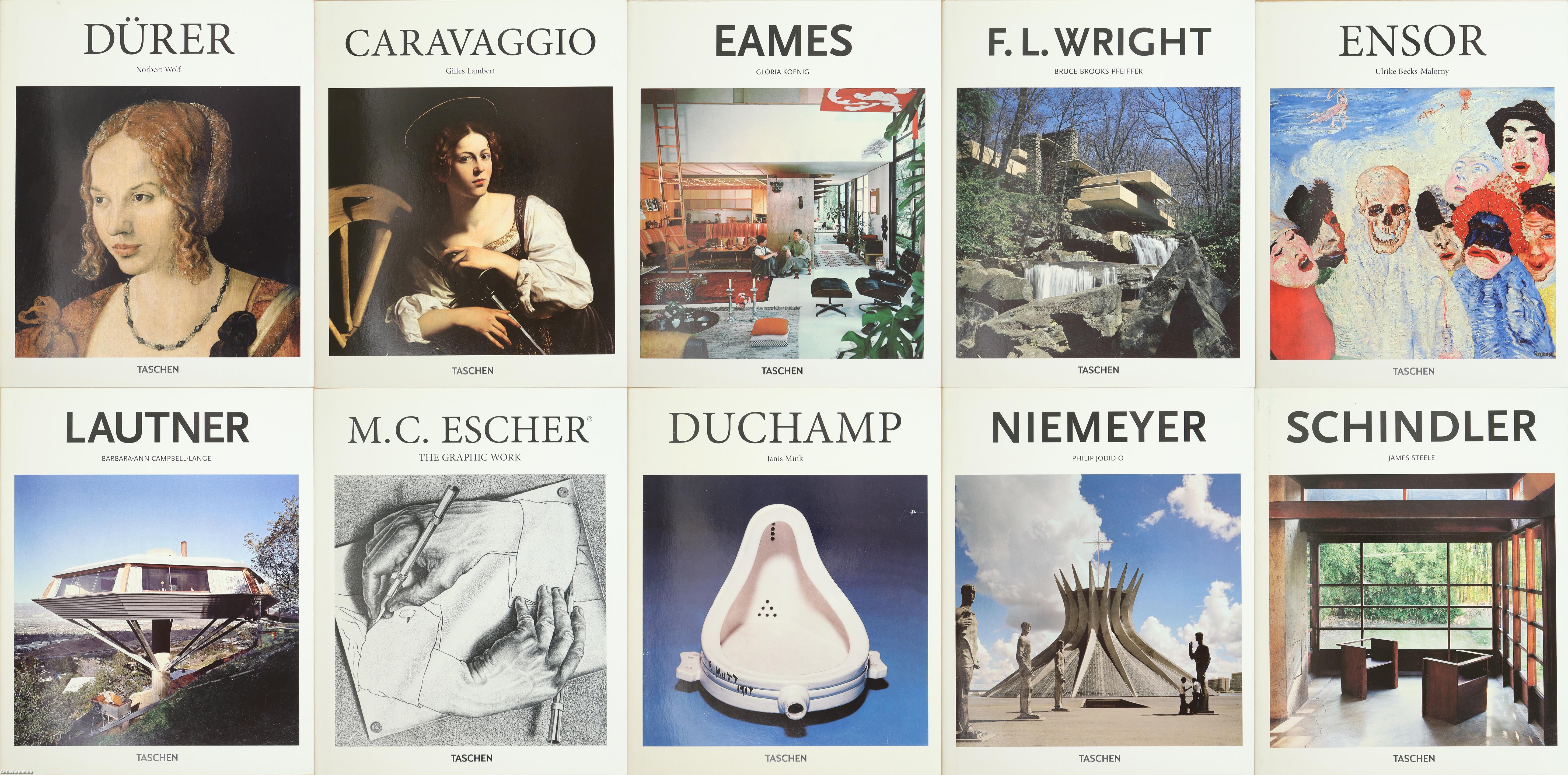
10 kötet a Taschen Kiadó Basic Art című sorozatból
Albrecht Dürer/Caravaggio/Charles & Ray Eames/Frank Lloyd Wright/James Ensor/John Lautner/M. C. Escher/Marcel Duchamp/Oscar Niemeyer/R. M. Schindler

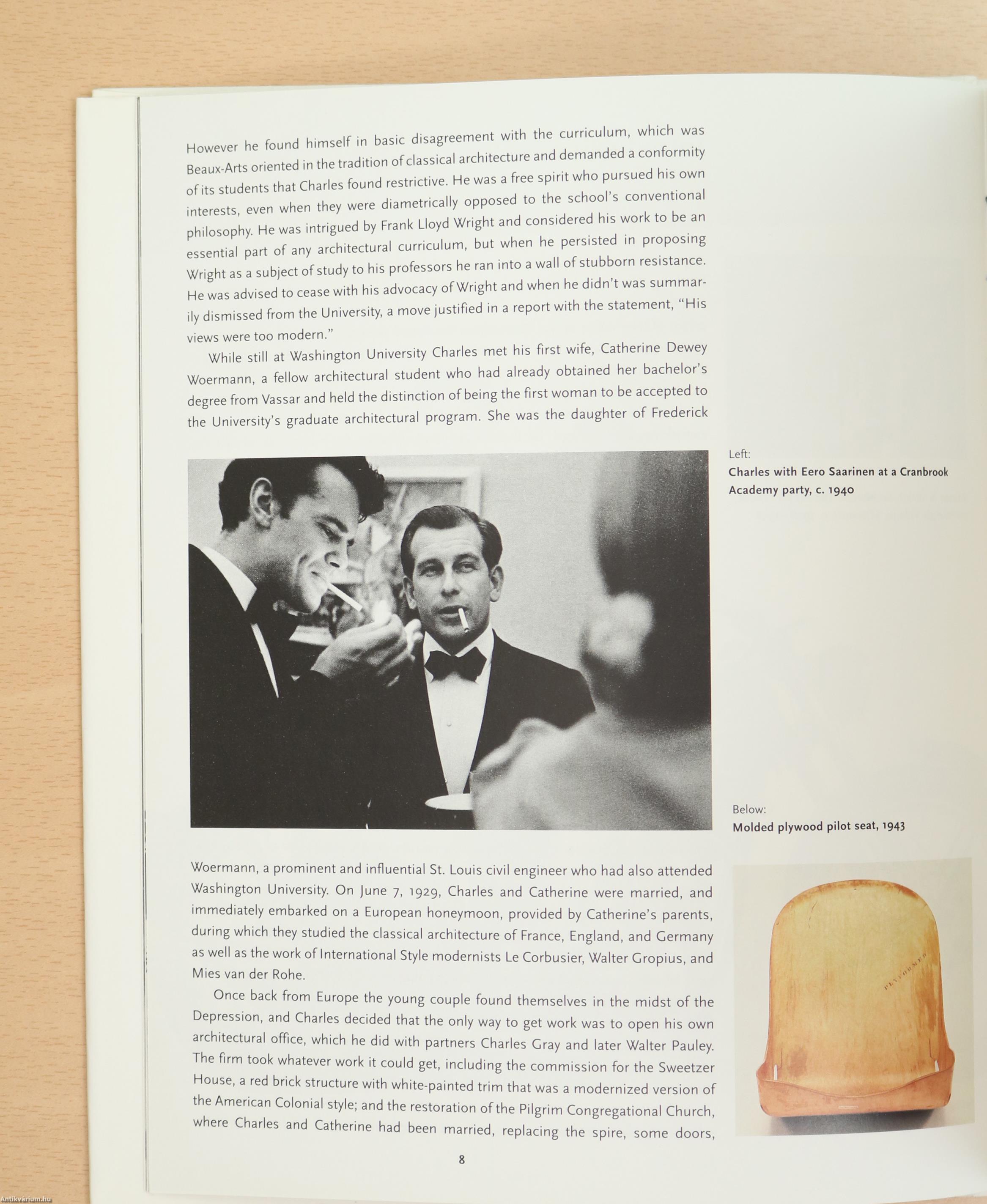

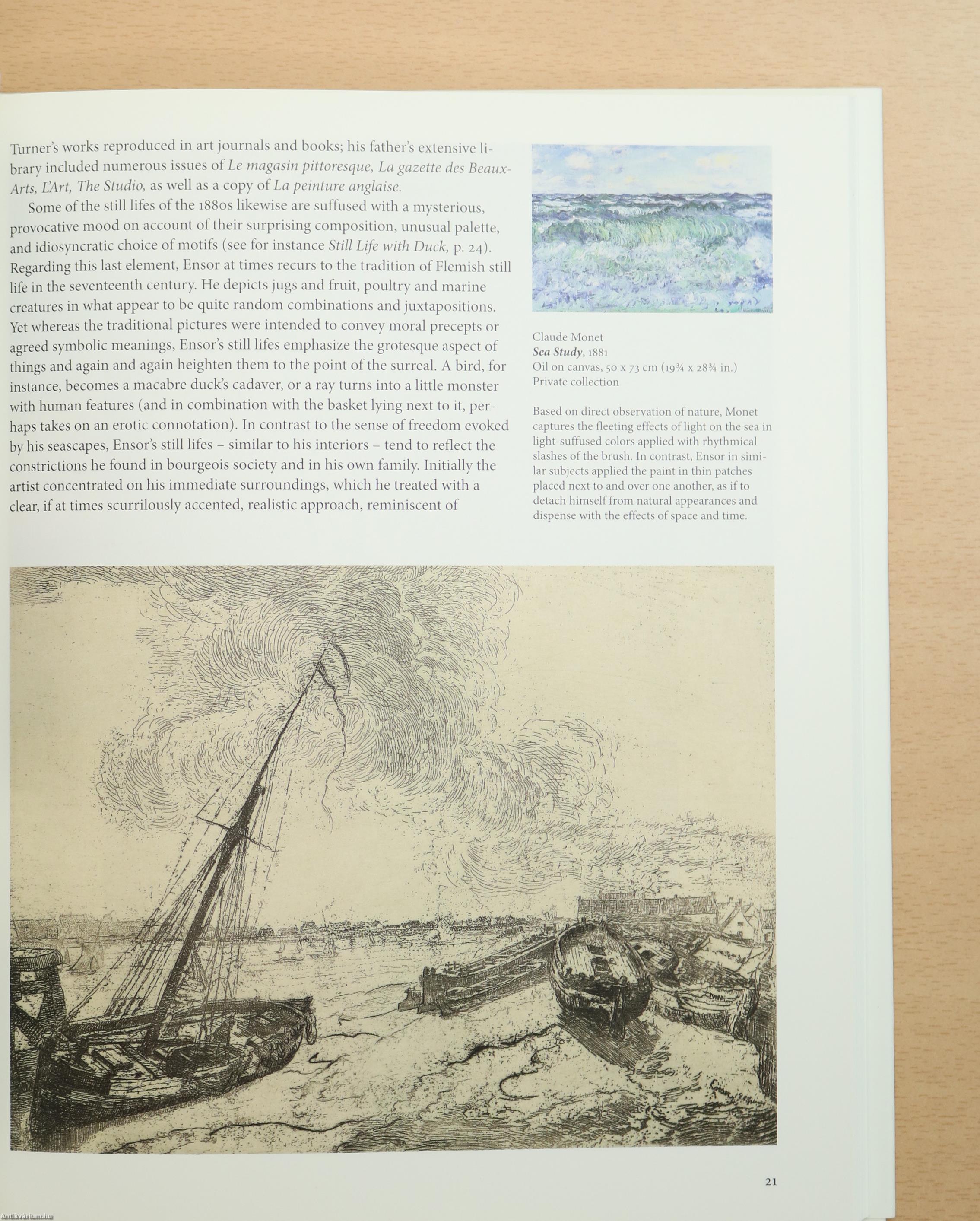
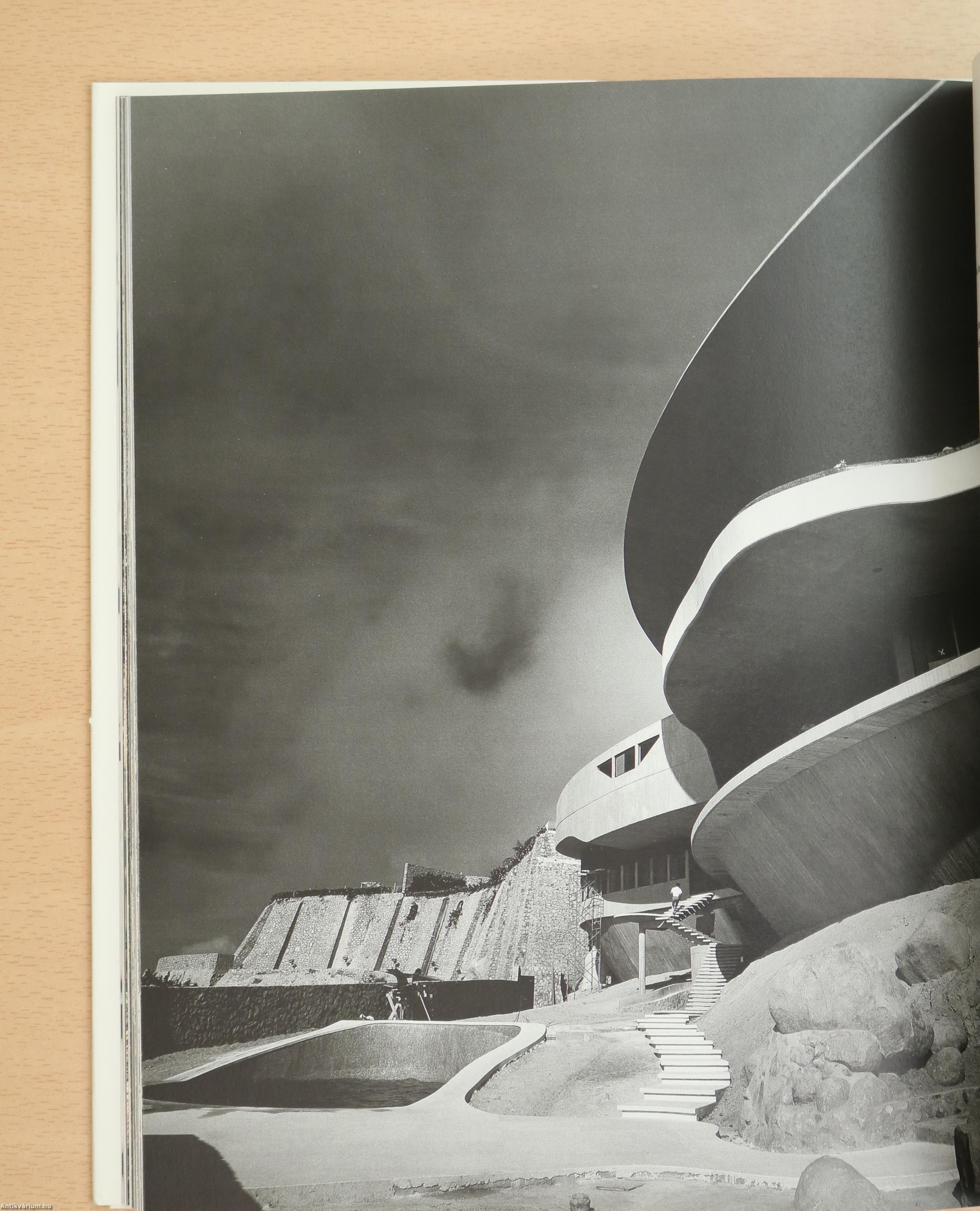
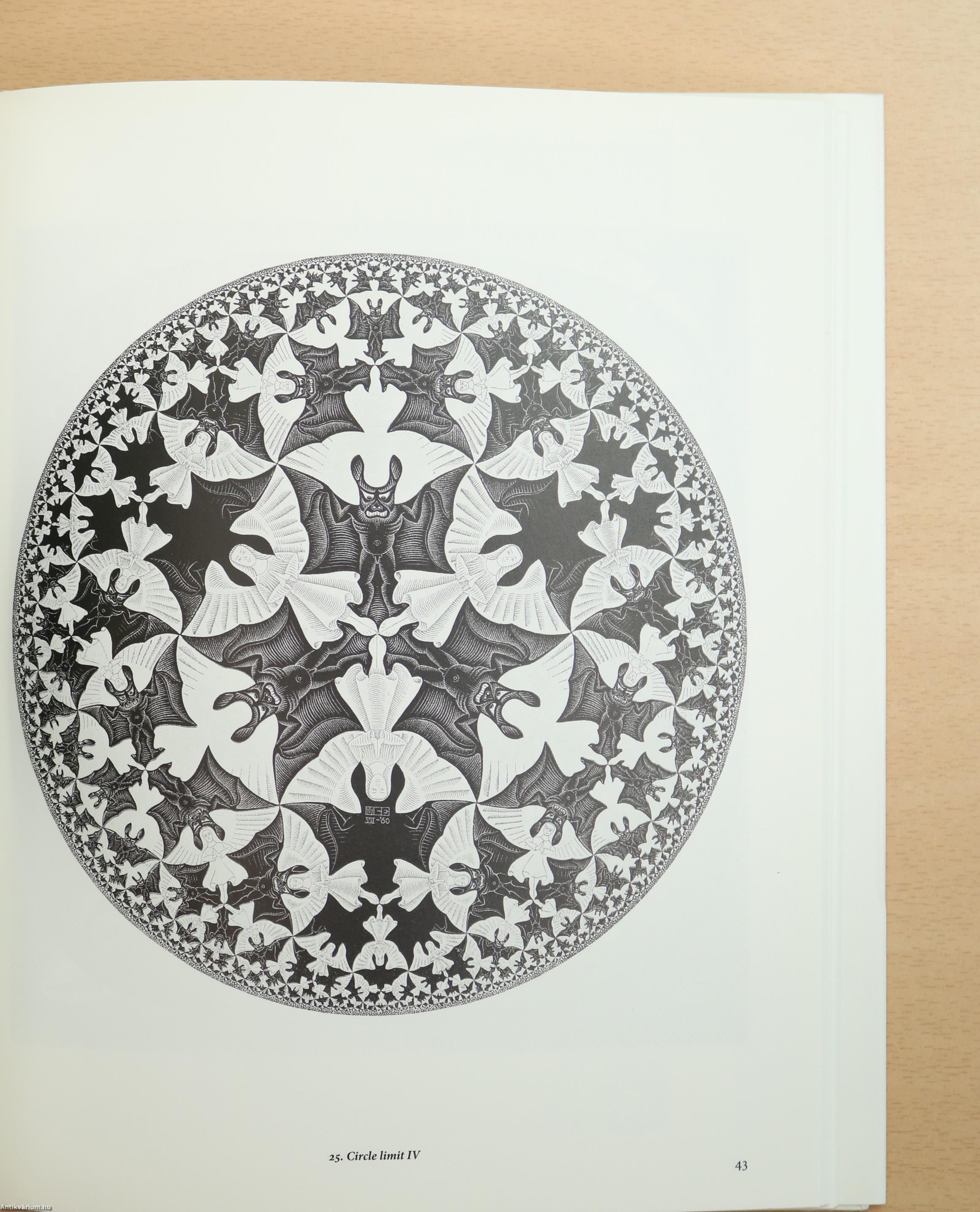
Aukciós jelenlegi tétel részletes leirata
Olvasatlan szép állapotú példányok. Színes és fekete-fehér fotókkal, reprodukciókkal illusztrálva.
A sorozatban szereplő kötetek:
A sorozatban szereplő kötetek:
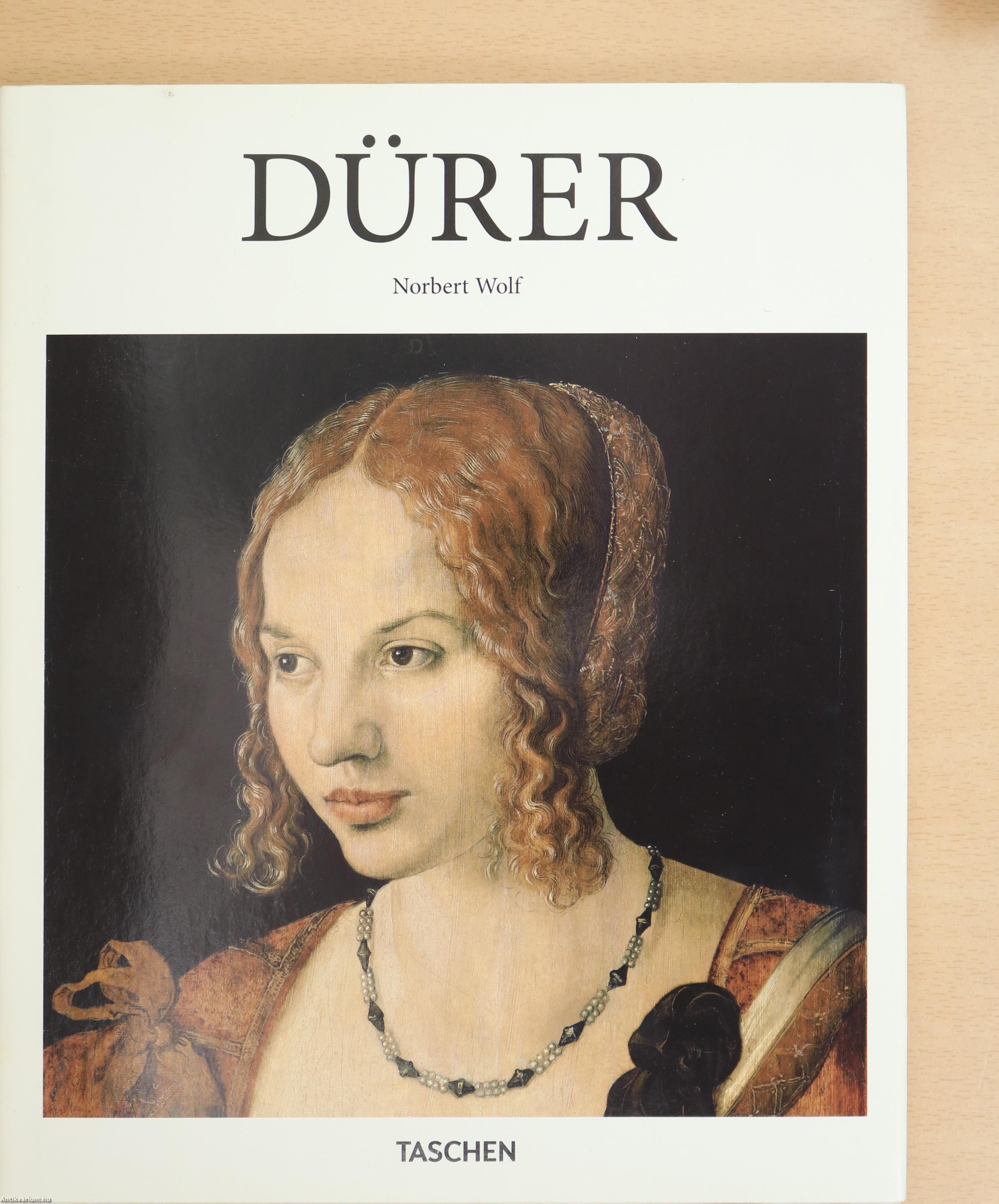
- Albrecht Dürer 1471-1528 – The Genius of the German Renaissance (ISBN: 978-3-8365-3081-1) 95 p., ill.
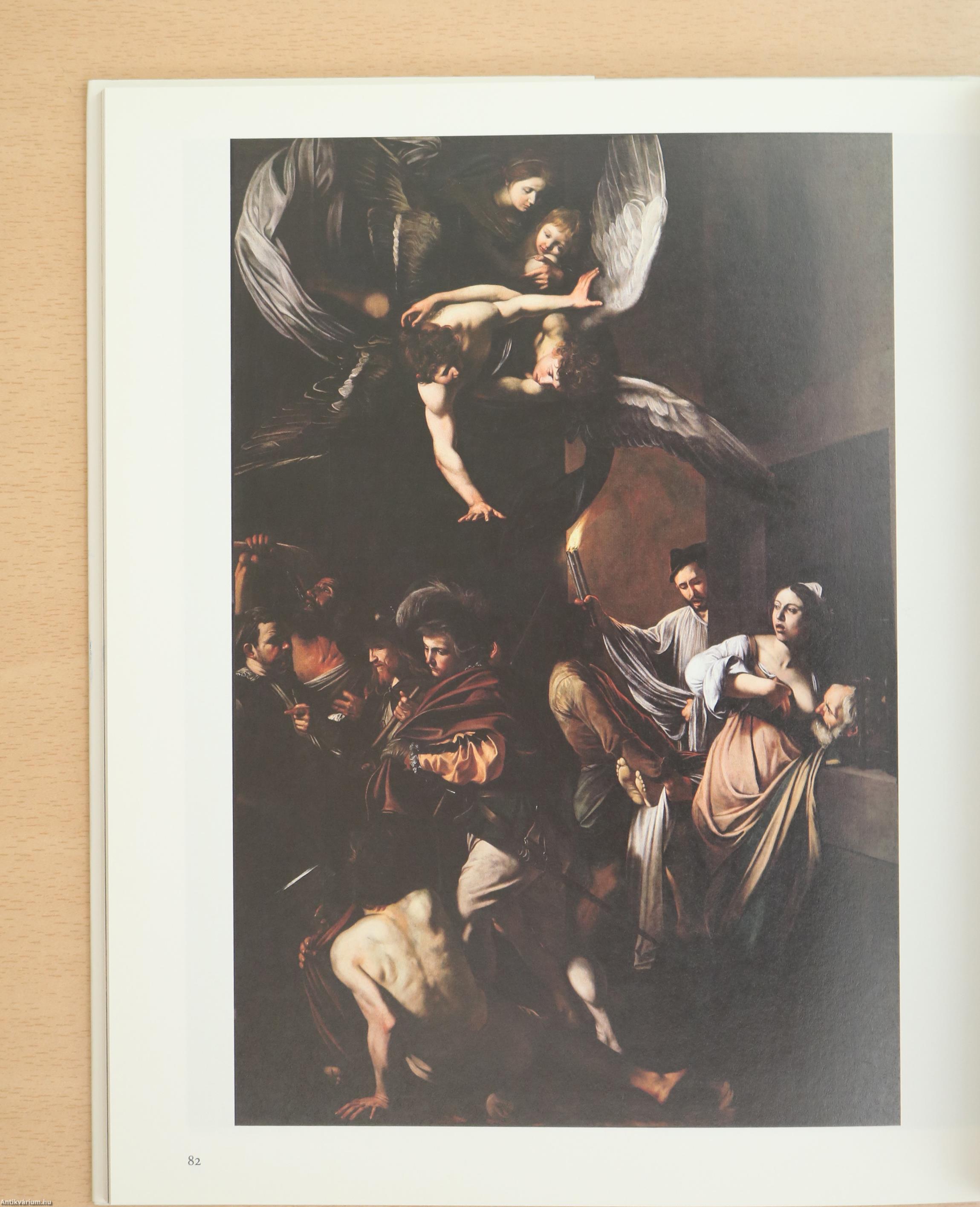
- Caravaggio 1571-1610 – A Genius beyond His Time (ISBN: 978-3-8365-5993-5) 95 p., ill.
- Charles & Ray Eames 1907-1978, 1912-1988 – Pieneers of Mind-Century Modernism (ISBN: 978-3-8365-6021-4) 96 p., ill.
- Frank Lloyd Wright 1867-1959 – Building for Democracy (ISBN: 978-3-8365-6049-8) 96 p., ill.
- James Ensor 1860-1949 – Masks, Death, and the Sea (ISBN: 978-3-8365-6056-6) 95 p., ill.
- John Lautner 1911-1994 – Disappearing Space (ISBN: 978-3-8365-4411-5) 96 p., ill.
- M. C. Escher 1898-1972 – The Graphic Work (ISBN: 978-3-8365-2984-6) 95 p., ill.
- Marcel Duchamp 1887-1968 – Art as Anti-Art (ISBN: 978-3-8365-3432-1) 95 p., ill.
- Oscar Niemeyer 1907-2012 – The Once and Future Dawn (ISBN: 978-3-8365-3622-6) 96 p., ill.
- R. M. Schindler 1887-1953 – An Exploration of Space (ISBN: 978-3-8365-6436-6) 96 p., ill.
Fülszöveg
Albrecht Dürer 1471-1528 - The Genius of the German RenaissanceThe prints of darkness
The art, theory, and woodcut print revolution of Albrecht Dürer
A... Tovább
Fülszöveg
Albrecht Dürer 1471-1528 - The Genius of the German RenaissanceThe prints of darkness
The art, theory, and woodcut print revolution of Albrecht Dürer
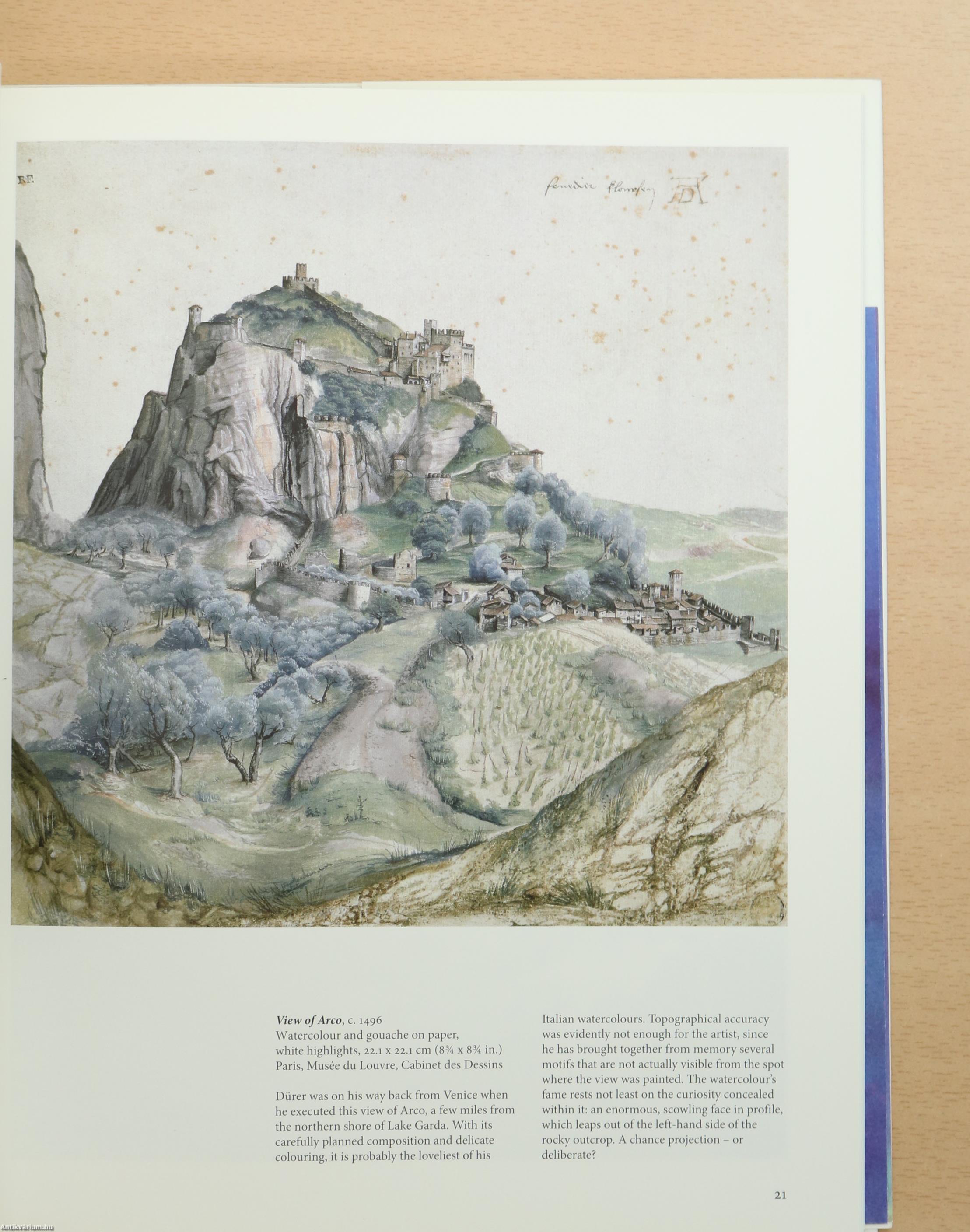
A polymath of the German Renaissance, Albrecht Dürer (1471-1528) was a prolific artist, theorist, and writer whose works explored everything from religion to art theory to philosophy. His vast body of work includes altarpieces, portraits, self-portraits, watercolors, and books, but is most celebrated for its astonishing collection of woodcut prints, which transformed printmaking from an artisan practice into a whole new art from.
Dürer's woodcuts astonish in scale as much as detail. Through work such as Apocalypse and Triumphal Arch for Emperor Maximilian I. The created dense, meticulous compositions that where much larger, much more finely cut, and far more complex than any earlier woodcut efforts. With an ambitious tonal and dynamic range, he introduced a new level of conceptual, emotional, and spiritual intensity. His two major woodcut series on Christ's Passion, named The Large Woodcut Passion and The Small Woodcut Passion after their size, are particularly remarkable for their vivid human treatment of the Christian narrative. In his copper engraving, Melancholia I., meanwhile, Dürer created a starling vision of emotional ennui, often citied as a defining early image of a depressive or melancholic state.
Ever inquisitive, Dürer absorbed ideas not only from masters and fellow artists in Germany but also from Italy, while his own influence extended across Europe for generations to come. In this essential introduction, we explore this pioneering figure's complex practice, his omnicorous intellect, and the key works which shaped his enduring legacy. Vissza
Tartalom
| Albrecht Dürer 1471-1528 – The Genius of the German Renaissance | 95 |
| Caravaggio 1571-1610 – A Genius beyond His Time | 95 |
| Charles & Ray Eames 1907-1978, 1912-1988 – Pieneers of Mind-Century Modernism | 96 |
| Frank Lloyd Wright 1867-1959 – Building for Democracy | 96 |
| James Ensor 1860-1949 – Masks, Death, and the Sea | 95 |
| John Lautner 1911-1994 – Disappearing Space | 96 |
| M. C. Escher 1898-1972 – The Graphic Work | 95 |
| Marcel Duchamp 1887-1968 – Art as Anti-Art | 95 |
| Oscar Niemeyer 1907-2012 – The Once and Future Dawn | 96 |
| R. M. Schindler 1887-1953 – An Exploration of Space | 96 |
Tétel sorszám:
001
Kikiáltási ár:
1 Ft
(Minimum licitlépcső: 1000 Ft)
Hátralévő idő:
Leütési ár:
Ft
| Amennyiben az utolsó 5 percben licit érkezik, a lejárati időpont további 5 perccel módosul. |
Leütési ár:
29.000 Ft
Licitek száma: 17
Ft
| Minden aukción megnyert tétel után 15% árverési jutalékot számolunk fel, amely jutalékot a megnyert árverést követően a vételár alapján azon felül kell megfizetni! |