
1.153.930
kiadvánnyal nyújtjuk Magyarország legnagyobb antikvár könyv-kínálatát

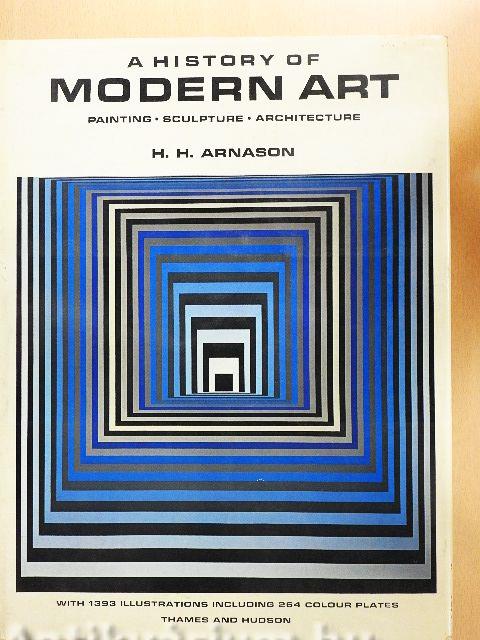
A History of Modern Art
Painting, Sculpture, Architecture
London
| Kiadó: | Thames and Hudson |
|---|---|
| Kiadás helye: | London |
| Kiadás éve: | |
| Kötés típusa: | Vászon |
| Oldalszám: | 663 oldal |
| Sorozatcím: | |
| Kötetszám: | |
| Nyelv: | Angol |
| Méret: | 30 cm x 23 cm |
| ISBN: | |
| Megjegyzés: | Színes és fekete-fehér fotókkal, illusztrációkkal. |
Értesítőt kérek a kiadóról
A beállítást mentettük,
naponta értesítjük a beérkező friss
kiadványokról
naponta értesítjük a beérkező friss
kiadványokról
A beállítást mentettük,
naponta értesítjük a beérkező friss
kiadványokról
naponta értesítjük a beérkező friss
kiadványokról
Előszó
Tovább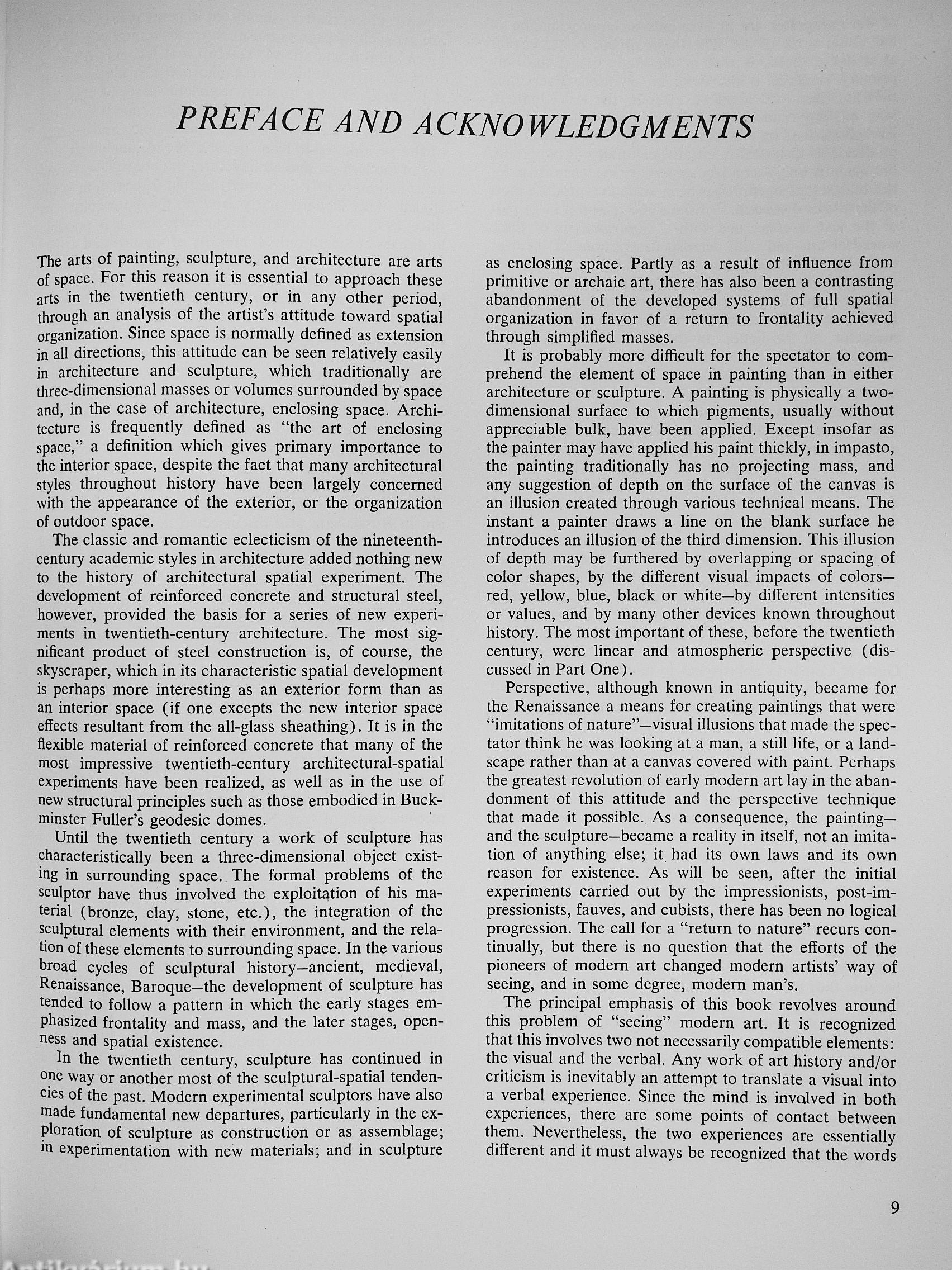
Fülszöveg
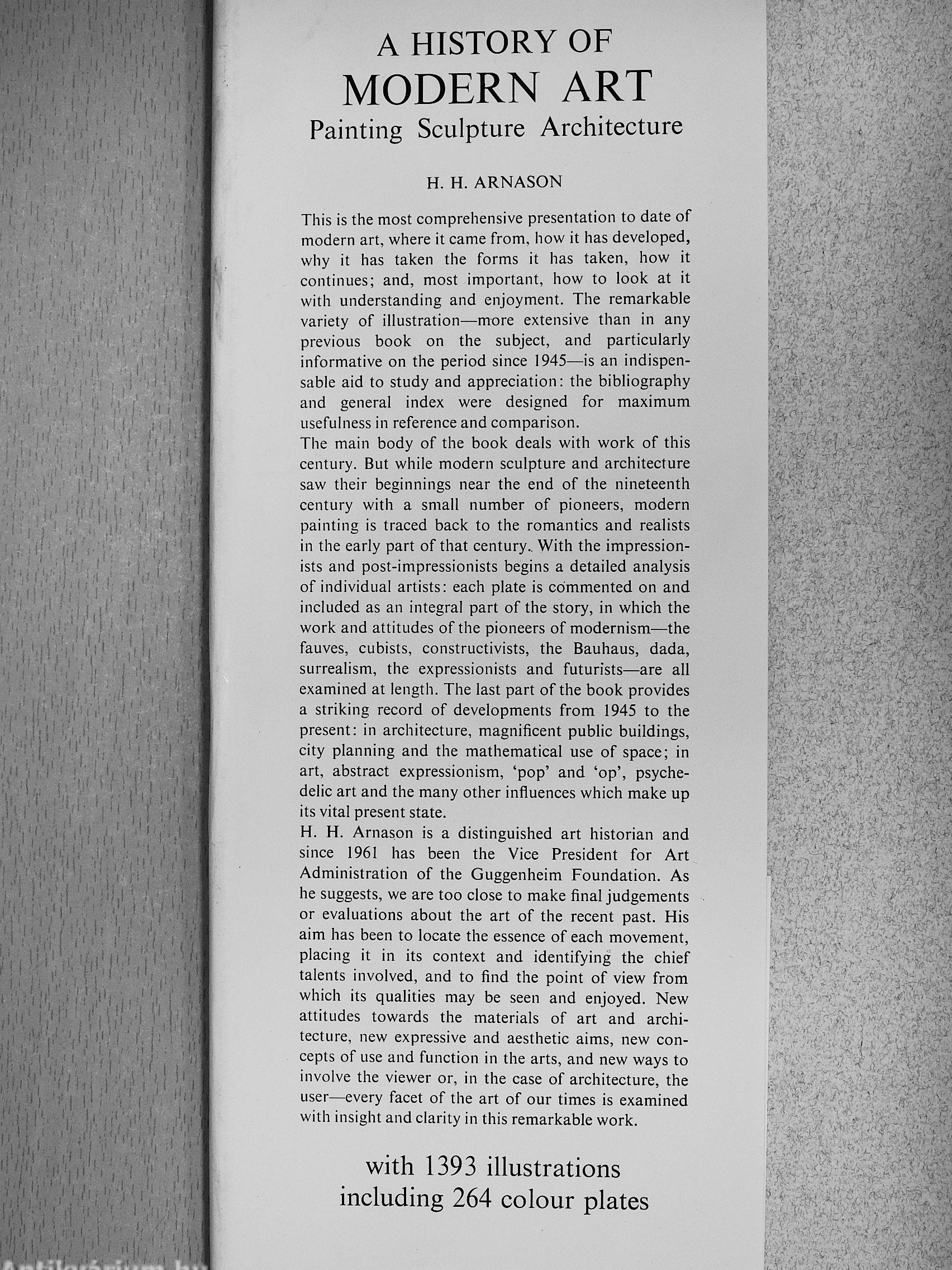
A HISTORY OF
MODERN ART
Painting Sculpture Architecture
H. H. ARNASON
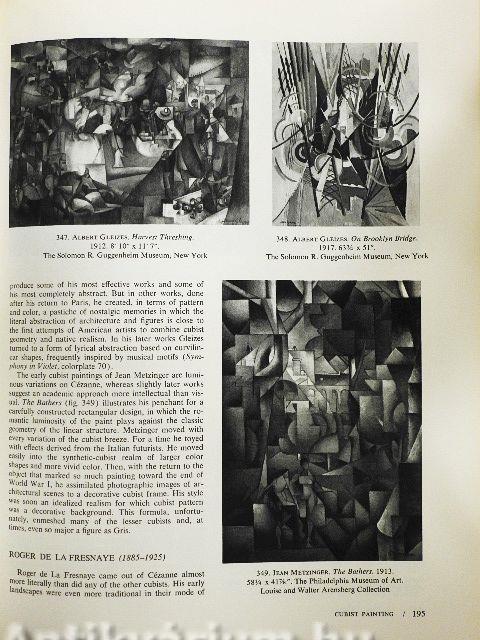
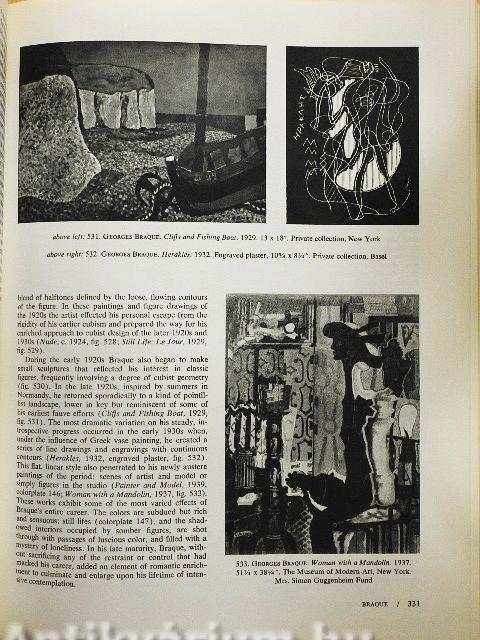
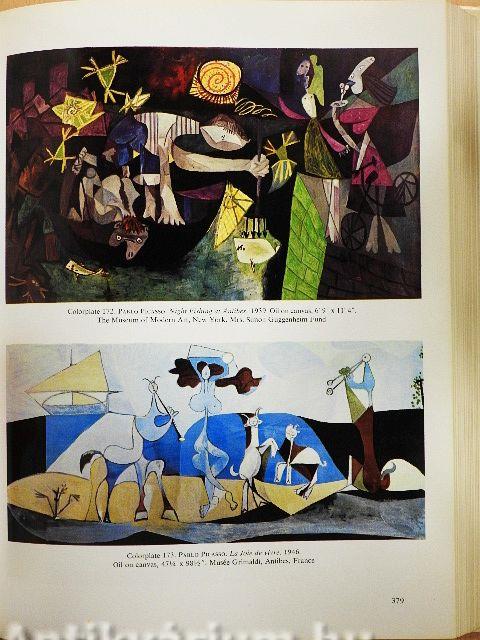
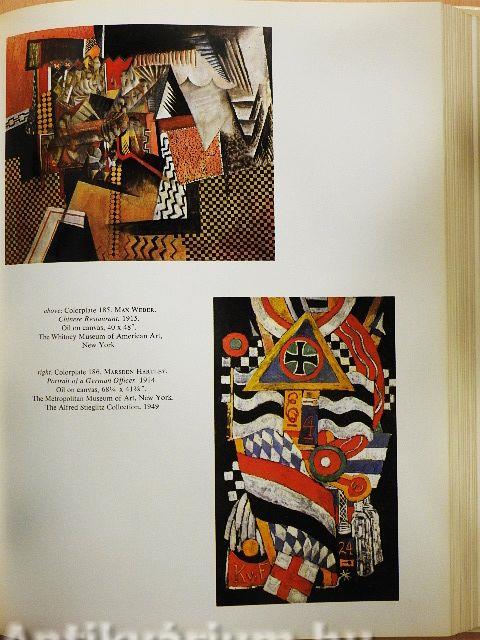
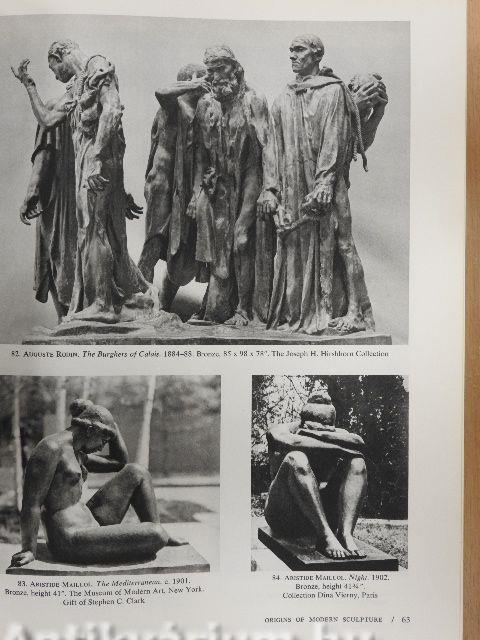
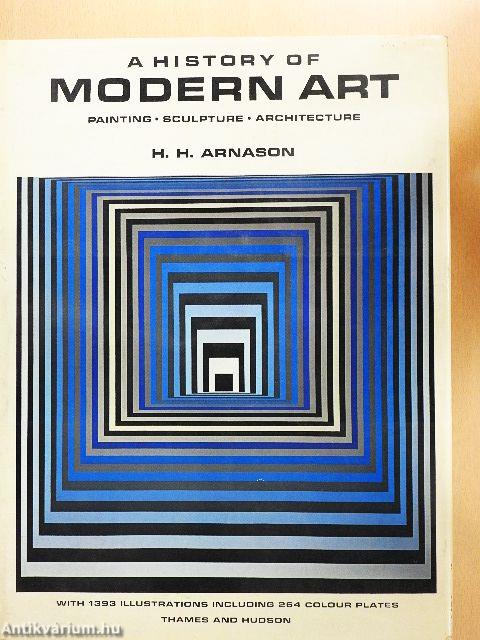
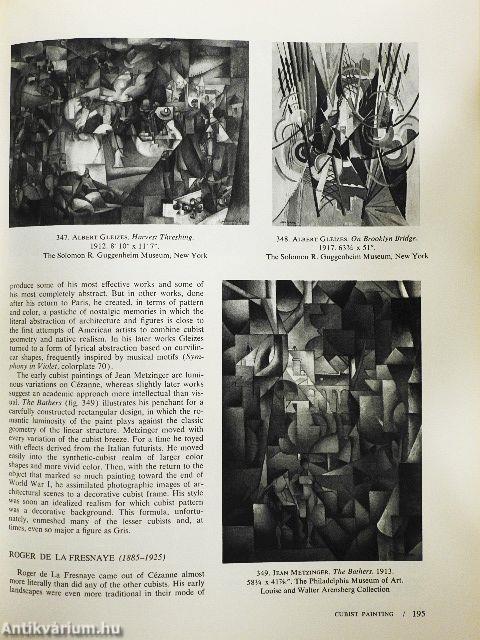
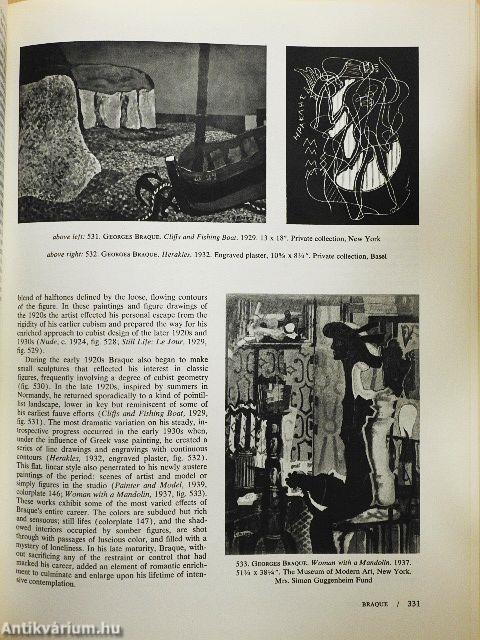
This is the most comprehensive presentation to date of modern art, where it came from, how it has developed, why it has taken the forms it has taken, how it continues; and, most important, how to look at it witli understanding and enjoyment. The remarkable variety of illustration—more extensive than in any previous book on the subject, and particularly informative on the period since 1945—is an indispensable aid to study and appreciation : the bibliography and general index were designed for maximum usefuhiess in reference and comparison. The main body of the book deals with work of this century. But while modern sculpture and architecture saw their beginnings near the end of the nineteenth century with a small number of pioneers, modern painting is traced back to the romantics and realists in the early part of that century With the impressionists and post-impressionists begins a detailed analysis of... Tovább
Fülszöveg
A HISTORY OF
MODERN ART
Painting Sculpture Architecture
H. H. ARNASON
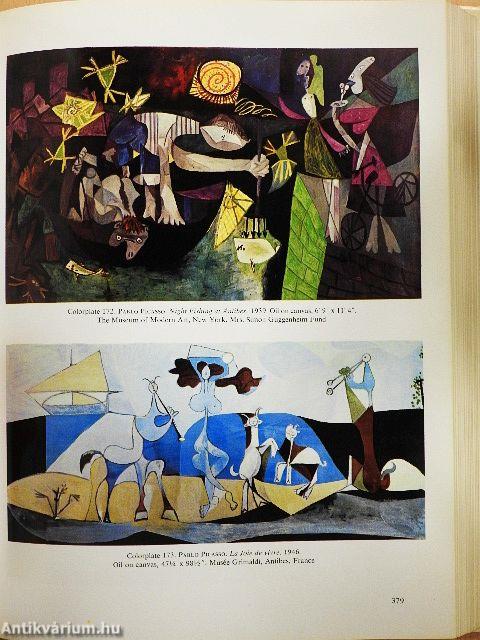
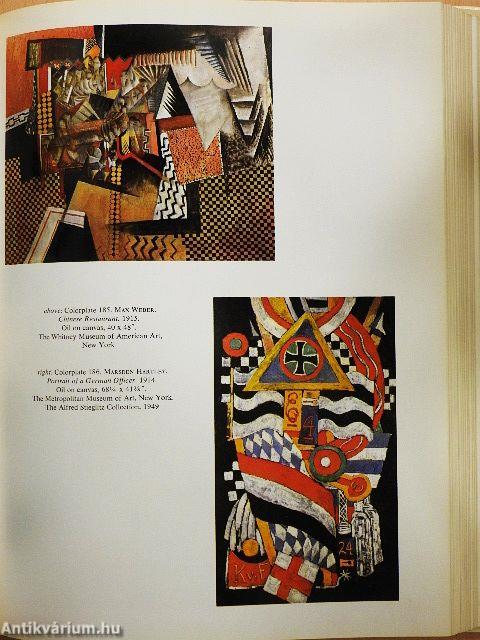
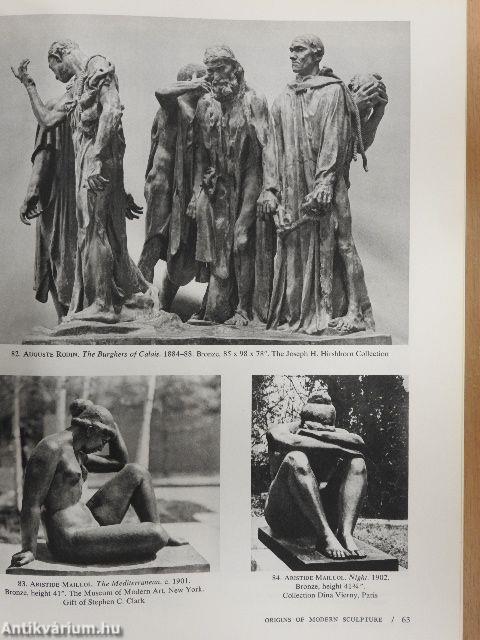
This is the most comprehensive presentation to date of modern art, where it came from, how it has developed, why it has taken the forms it has taken, how it continues; and, most important, how to look at it witli understanding and enjoyment. The remarkable variety of illustration—more extensive than in any previous book on the subject, and particularly informative on the period since 1945—is an indispensable aid to study and appreciation : the bibliography and general index were designed for maximum usefuhiess in reference and comparison. The main body of the book deals with work of this century. But while modern sculpture and architecture saw their beginnings near the end of the nineteenth century with a small number of pioneers, modern painting is traced back to the romantics and realists in the early part of that century With the impressionists and post-impressionists begins a detailed analysis of individual artists: each plate is commented on and included as an integral part of the story, in which the work and attitudes of the pioneers of modernism—the fauves, cubists, constructivists, the Bauhaus, dada, surrealism, the expressionists and futurists—are all examined at length. The last part of the book provides a striking record of developments from 1945 to the present: in architecture, magnificent public buildings, city planning and the mathematical use of space; in art, abstract expressionism, 'pop' and 'op', psychedelic art and the many other influences which make up its vital present state.
H. H. Arnason is a distinguished art historian and since 1961 has been the Vice President for Art Administration of the Guggenheim Foundation. As he suggests, we are too close to make final judgements or evaluations about the art of the recent past. His aim has been to locate the essence of each movement, placing it in its context and identifying the chief talents involved, and to find the point of view from which its qualities may be seen and enjoyed. New attitudes towards the materials of art and architecture, new expressive and aesthetic aims, new concepts of use and function in the arts, and new ways to involve the viewer or, in the case of architecture, the user—every facet of the art of our times is examined with insight and clarity in this remarkable work.
i f
vi,
A.I %
fjr
S3"
with 1393 illustrations including 264 colour plates Vissza
Témakörök
- Idegennyelv > Idegennyelvű könyvek > Angol > Művészetek > Építészet
- Idegennyelv > Idegennyelvű könyvek > Angol > Művészetek > Festészet
- Idegennyelv > Idegennyelvű könyvek > Angol > Művészetek > Művészettörténet, általános
- Idegennyelv > Idegennyelvű könyvek > Angol > Művészetek > Szobrászat
- Művészetek > Művészettörténet általános > Idegen nyelv > Angol
- Művészetek > Művészettörténet általános > Művészettörténet > Külföldi
- Művészetek > Művészettörténet általános > Korszakok, stílusok > XX. század > Avantgard
- Művészetek > Művészettörténet általános > Összefoglalók > Nemzetközi > Egyéb
- Művészetek > Festészet > Korszakok, stílusok > XX. század > Avantgárd > Egyéb
- Művészetek > Festészet > Idegen nyelv > Angol
- Művészetek > Építészet > Korszakok, stílusok > XX. század > Egyéb
- Művészetek > Építészet > Idegen nyelv > Angol
- Művészetek > Szobrászat > Korszakok > XX. század
- Művészetek > Szobrászat > Idegen nyelv > Angol
H. H. Arnason
H. H. Arnason műveinek az Antikvarium.hu-n kapható vagy előjegyezhető listáját itt tekintheti meg: H. H. Arnason könyvek, művekMegvásárolható példányok
Állapotfotók
Jó állapotú példány.
Állapot:
Jó
5.800 ,-Ft
29
pont kapható
Kosárba
 Folytatás Microsoft-tal