
1.126.001
kiadvánnyal nyújtjuk Magyarország legnagyobb antikvár könyv-kínálatát

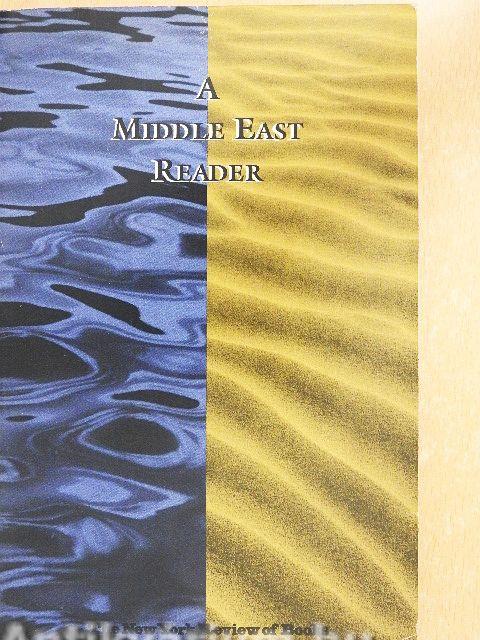
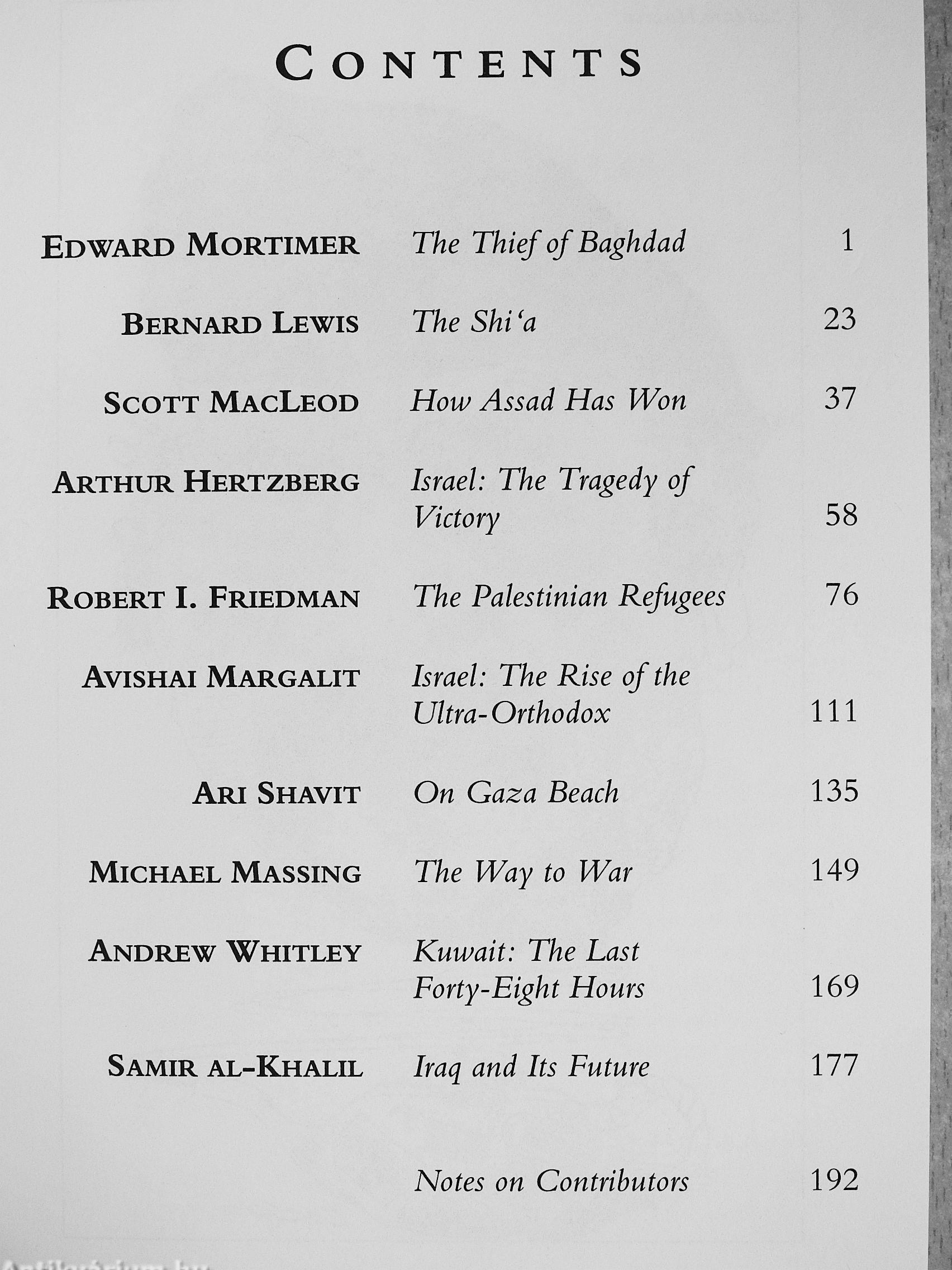
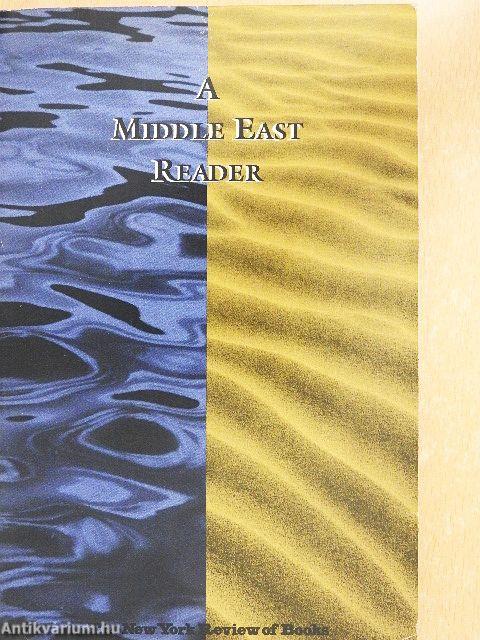
A Middle East Reader
Selected Essays on The Middle East from The New York Review of Books
New York
| Kiadó: | The New York Review of Books |
|---|---|
| Kiadás helye: | New York |
| Kiadás éve: | |
| Kötés típusa: | Ragasztott papírkötés |
| Oldalszám: | 192 oldal |
| Sorozatcím: | |
| Kötetszám: | |
| Nyelv: | Angol |
| Méret: | 19 cm x 13 cm |
| ISBN: | |
| Megjegyzés: | További kapcsolódó személyek a könyvben. Fekete-fehér illusztrációkkal. |
Értesítőt kérek a kiadóról
A beállítást mentettük,
naponta értesítjük a beérkező friss
kiadványokról
naponta értesítjük a beérkező friss
kiadványokról
A beállítást mentettük,
naponta értesítjük a beérkező friss
kiadványokról
naponta értesítjük a beérkező friss
kiadványokról
Előszó
Tovább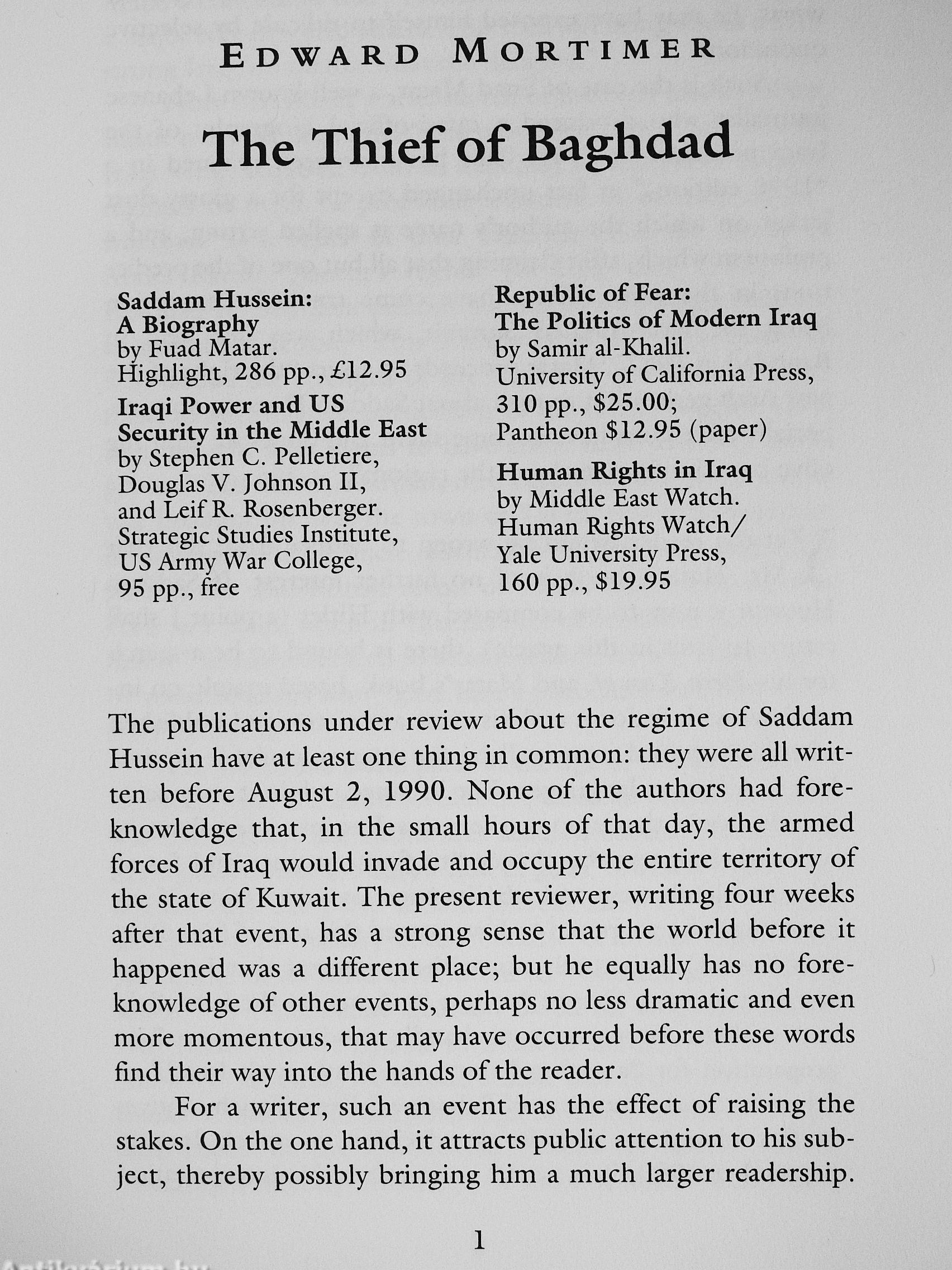
Fülszöveg
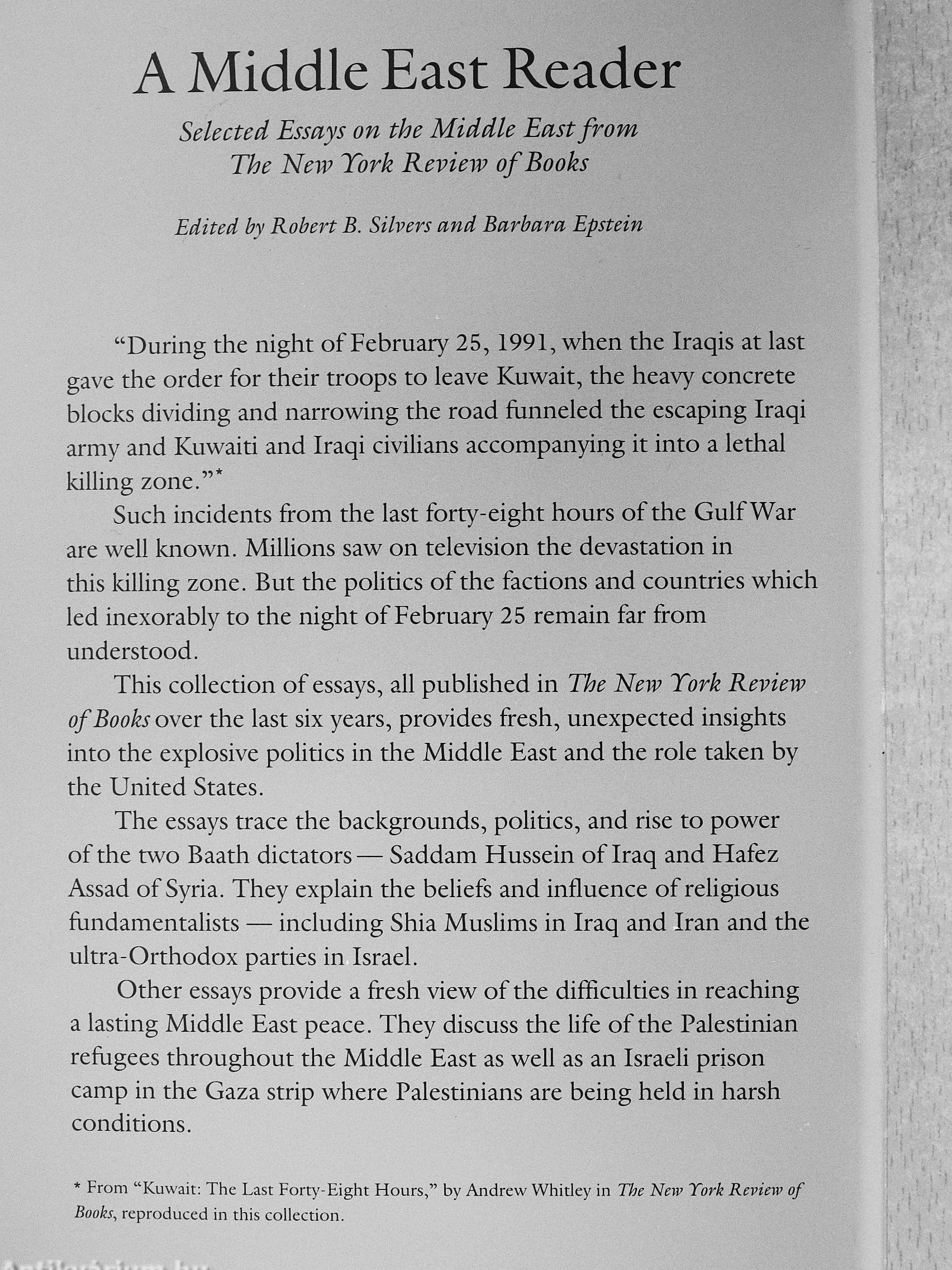
A Middle East Reader
Selected Essays on the Middle East from The New York Review of Books
Edited by Robert B. Silvers and Barbura Epstein
"During the night of February 25, 1991, when the Iraqis at last gave the order for their troops to leave Kuwait, the heavy concrete blocks dividing and narrowing the road flinneled the escaping Iraqi army and Kuwaiti and Iraqi civilians accompanying it into a lethal killing zone."*
Such incidents from the last forty-eight hours of the Gulf War are well known. Millions saw on television the devastation in this killing zone. But the politics of the factions and countries which led inexorably to the night of February 25 remain far from understood.
This collection of essays, all published in The New York Review of Books over the last six years, provides fresh, unexpected insights into the explosive politics in the Middle East and the role taken by the United States.
The essays trace the backgrounds, politics, and rise to power of the two Baath... Tovább
Fülszöveg
A Middle East Reader
Selected Essays on the Middle East from The New York Review of Books
Edited by Robert B. Silvers and Barbura Epstein
"During the night of February 25, 1991, when the Iraqis at last gave the order for their troops to leave Kuwait, the heavy concrete blocks dividing and narrowing the road flinneled the escaping Iraqi army and Kuwaiti and Iraqi civilians accompanying it into a lethal killing zone."*
Such incidents from the last forty-eight hours of the Gulf War are well known. Millions saw on television the devastation in this killing zone. But the politics of the factions and countries which led inexorably to the night of February 25 remain far from understood.
This collection of essays, all published in The New York Review of Books over the last six years, provides fresh, unexpected insights into the explosive politics in the Middle East and the role taken by the United States.
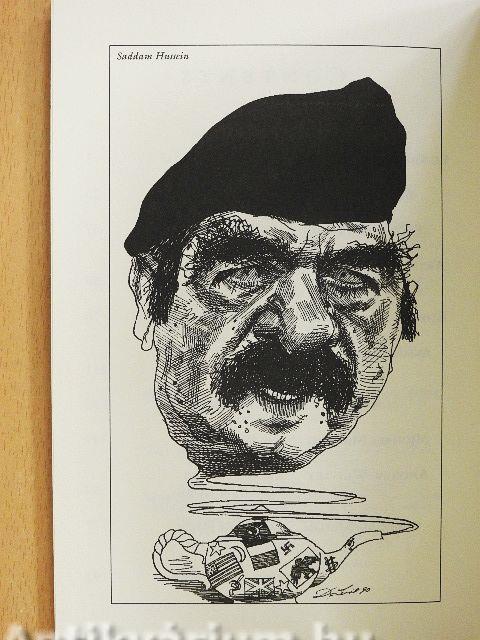
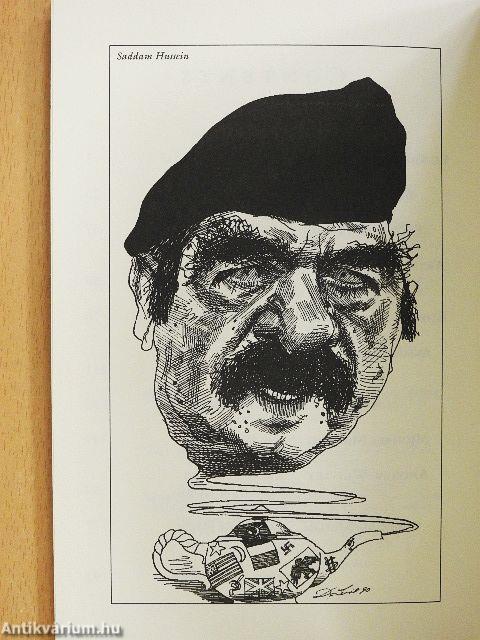
The essays trace the backgrounds, politics, and rise to power of the two Baath dictators — Saddam Hussein of Iraq and Hafez Assad of Syria. They explain the beliefs and influence of religious fundamentalists — including Shia Muslims in Iraq and Iran and the ultra-Orthodox parties in Israel.
Other essays provide a fresh view of the difficulties in reaching a lasting Middle East peace. They discuss the life of the Palestinian refugees throughout the Middle East as well as an Israeli prison camp in the Gaza strip where Palestinians are being held in harsh conditions.
* From "Kuwait: The Last Fort>'-Eight Hours," by Andrew Whitley in The New York Review of Books, reproduced in this collection. Vissza
Témakörök
- Történelem > Társadalomelmélet
- Művészetek > Rádió-TV-újságírás
- Idegennyelv > Idegennyelvű könyvek > Angol > Művészetek > Egyéb
- Idegennyelv > Idegennyelvű könyvek > Angol > Szépirodalom > Regény, novella, elbeszélés
- Idegennyelv > Idegennyelvű könyvek > Angol > Irodalomtörténet
- Idegennyelv > Idegennyelvű könyvek > Angol > Történelem > Egyéb
- Irodalomtörténet > Irodalomtudomány > Publicisztika
- Szépirodalom > Regény, novella, elbeszélés > Tartalom szerint > Esszék
- Történelem > Idegennyelvű > Angol
- Szépirodalom > Regény, novella, elbeszélés > Tartalom szerint > Történelmi regények > Legújabb kor > Egyéb
- Történelem > Legújabb kor > Globalizálódó világ
- Történelem > Politika > Politikai rendszerek
- Szépirodalom > Regény, novella, elbeszélés > Tartalom szerint > Földrajzi besorolások > Ázsia
- Szépirodalom > Regény, novella, elbeszélés > Tartalom szerint > Kor- és társadalomrajz
Megvásárolható példányok
Nincs megvásárolható példány
A könyv összes megrendelhető példánya elfogyott. Ha kívánja, előjegyezheti a könyvet, és amint a könyv egy újabb példánya elérhető lesz, értesítjük.
 Folytatás Microsoft-tal