
1.137.654
kiadvánnyal nyújtjuk Magyarország legnagyobb antikvár könyv-kínálatát

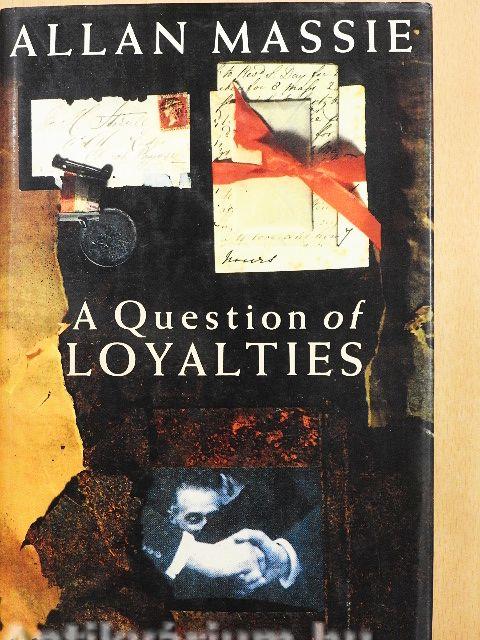
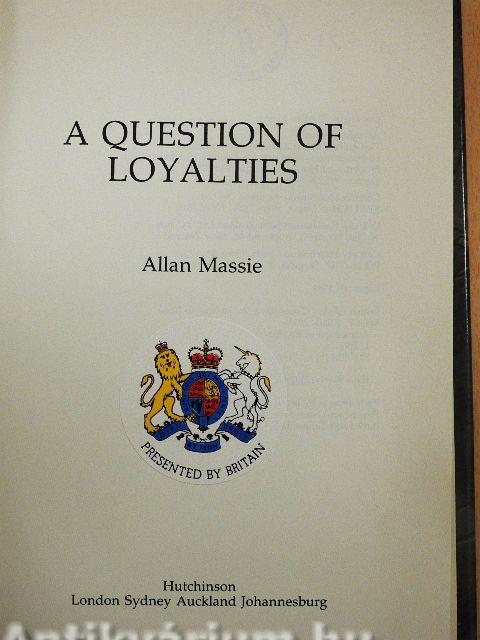
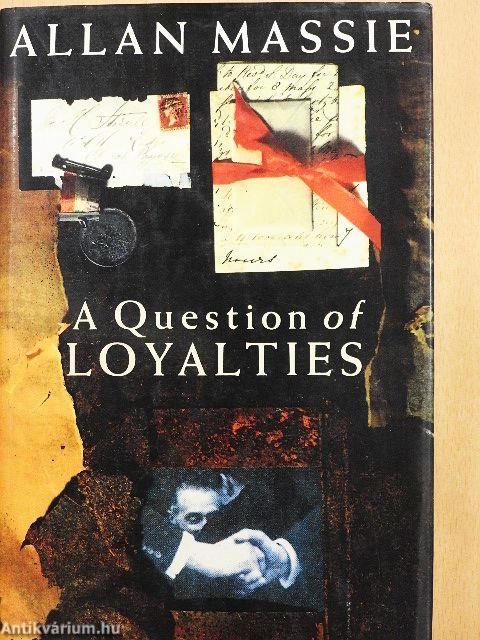
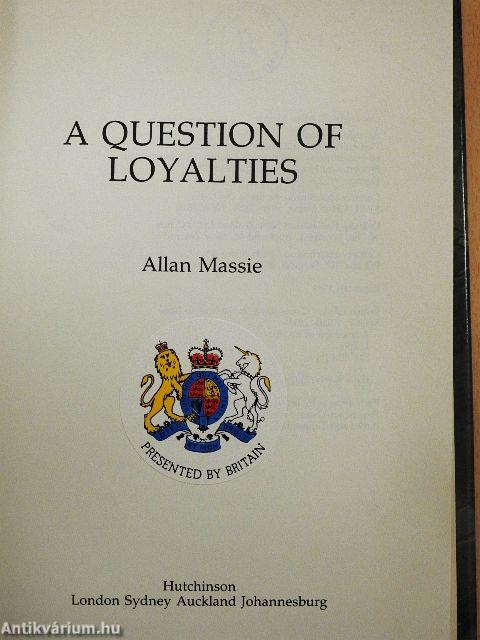
A Question of Loyalties
London
| Kiadó: | Hutchinson |
|---|---|
| Kiadás helye: | London |
| Kiadás éve: | |
| Kötés típusa: | Varrott keménykötés |
| Oldalszám: | 360 oldal |
| Sorozatcím: | |
| Kötetszám: | |
| Nyelv: | Angol |
| Méret: | 24 cm x 16 cm |
| ISBN: | 0-09-173929-2 |
Értesítőt kérek a kiadóról
A beállítást mentettük,
naponta értesítjük a beérkező friss
kiadványokról
naponta értesítjük a beérkező friss
kiadványokról
A beállítást mentettük,
naponta értesítjük a beérkező friss
kiadványokról
naponta értesítjük a beérkező friss
kiadványokról
Előszó
Tovább
Fülszöveg
Allan Massie's new novel is a story of war and peace in the twentieth century. Its pivot is the Fall of France in 1940. Its themes are treason, personal treachery, the delusions of idealogy and the effect of these on both actors and the innocents caught up in their war-games.
The main character is the narrator's father, Lucien, who, for what seem to him the best and most inescapable of reasons, adheres to Vichy. He is a good man and an idealist, and the story is of his moral corruption and personal defeat. Caught up in the madness of his time, his life unfolds as tragedy. His actions infect others, spreading like a stain over the lives of his wife, mistress and son. It is the story of both Lucien and Etienne, and in telling his father's story Etienne is continually putting himself in his place and measuring his own lack of commitment. He is caught between the fear that to do nothing is an evasion of responsibility and the conviction that to act is itself, however benign the... Tovább
Fülszöveg
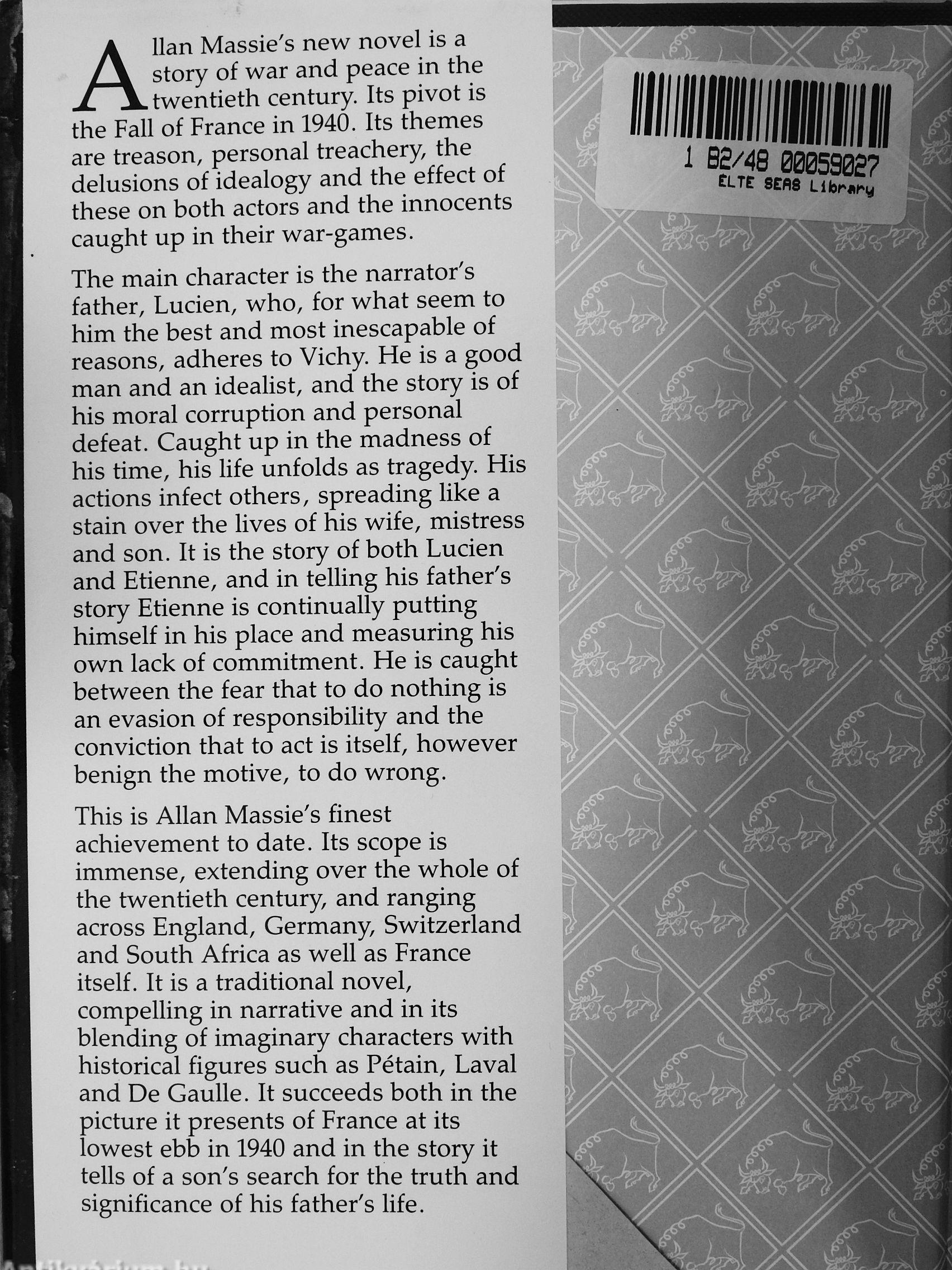
Allan Massie's new novel is a story of war and peace in the twentieth century. Its pivot is the Fall of France in 1940. Its themes are treason, personal treachery, the delusions of idealogy and the effect of these on both actors and the innocents caught up in their war-games.
The main character is the narrator's father, Lucien, who, for what seem to him the best and most inescapable of reasons, adheres to Vichy. He is a good man and an idealist, and the story is of his moral corruption and personal defeat. Caught up in the madness of his time, his life unfolds as tragedy. His actions infect others, spreading like a stain over the lives of his wife, mistress and son. It is the story of both Lucien and Etienne, and in telling his father's story Etienne is continually putting himself in his place and measuring his own lack of commitment. He is caught between the fear that to do nothing is an evasion of responsibility and the conviction that to act is itself, however benign the motive, to do wrong.
This is Allan Massie's finest achievement to date. Its scope is immense, extending over the whole of the twentieth century, and ranging across England, Germany, Switzerland and South Africa as well as France itself. It is a traditional novel, compelling in narrative and in its blending of imaginary characters with historical figures such as Petain, Laval and De Gaulle. It succeeds both in the picture it presents of France at its lowest ebb in 1940 and in the story it tells of a son's search for the truth and significance of his father's life.
10004800059027
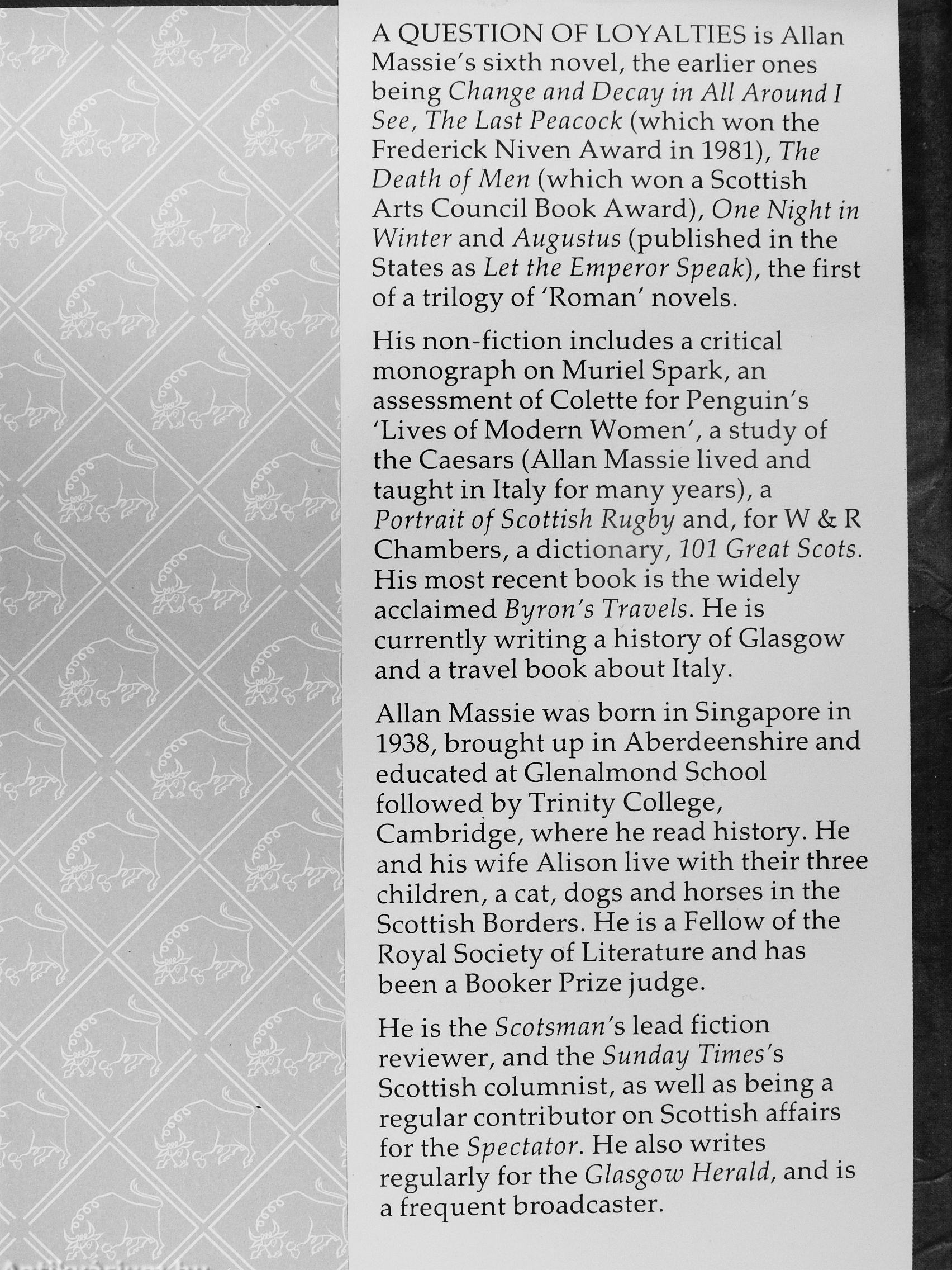
A QUESTION OF LOYALTIES is Allan Massie's sixth novel, the earlier ones being Change and Decay in All Around I See, The Last Peacock (which won the Frederick Niven Award in 1981), The Death of Men (which won a Scottish Arts Council Book Award), One Night in Winter and Augustus (published in the States as Let the Emperor Speak), the first of a trilogy of 'Roman' novels.
His non-fiction includes a critical monograph on Muriel Spark, an assessment of Colette for Penguin's 'Lives of Modern Women', a study of the Caesars (Allan Massie lived and taught in Italy for many years), a Portrait of Scottish Rugby and, for W & R Chambers, a dictionary, 101 Great Scots. His most recent book is the widely acclaimed Byron's Travels. He is currently writing a history of Glasgow and a travel book about Italy.
Allan Massie was born in Singapore in 1938, brought up in Aberdeenshire and educated at Glenalmond School followed by Trinity College, Cambridge, where he read history. He and his wife Alison live with their three children, a cat, dogs and horses in the Scottish Borders. He is a Fellow of the Royal Society of Literature and has been a Booker Prize judge.
He is the Scotsman's lead fiction reviewer, and the Sunday Times's Scottish columnist, as well as being a regular contributor on Scottish affairs for the Spectator. He also writes regularly for the Glasgow Herald, and is a frequent broadcaster. Vissza
Témakörök
- Idegennyelv > Idegennyelvű könyvek > Angol > Szépirodalom > Regény, novella, elbeszélés
- Szépirodalom > Regény, novella, elbeszélés > Az író származása szerint > Európa > Nagy-Britannia
- Szépirodalom > Regény, novella, elbeszélés > Tartalom szerint > Történelmi regények > Legújabb kor > II. világháború
- Szépirodalom > Regény, novella, elbeszélés > Tartalom szerint > Lélektani regények
- Szépirodalom > Regény, novella, elbeszélés > Tartalom szerint > Kor- és társadalomrajz
Allan Massie
Allan Massie műveinek az Antikvarium.hu-n kapható vagy előjegyezhető listáját itt tekintheti meg: Allan Massie könyvek, művekMegvásárolható példányok
Nincs megvásárolható példány
A könyv összes megrendelhető példánya elfogyott. Ha kívánja, előjegyezheti a könyvet, és amint a könyv egy újabb példánya elérhető lesz, értesítjük.
 Folytatás Microsoft-tal