
1.150.204
kiadvánnyal nyújtjuk Magyarország legnagyobb antikvár könyv-kínálatát

After Dark
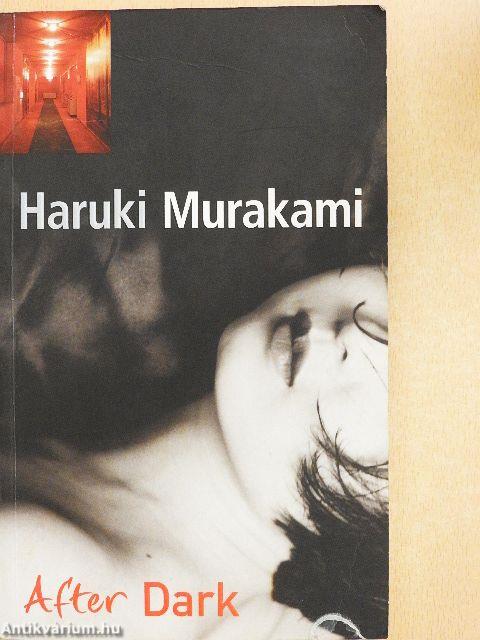

London
| Kiadó: | Harvill Secker |
|---|---|
| Kiadás helye: | London |
| Kiadás éve: | |
| Kötés típusa: | Ragasztott papírkötés |
| Oldalszám: | 201 oldal |
| Sorozatcím: | |
| Kötetszám: | |
| Nyelv: | Angol |
| Méret: | 22 cm x 13 cm |
| ISBN: | 978-1-846-55048-5 |
Értesítőt kérek a kiadóról
A beállítást mentettük,
naponta értesítjük a beérkező friss
kiadványokról
naponta értesítjük a beérkező friss
kiadványokról
A beállítást mentettük,
naponta értesítjük a beérkező friss
kiadványokról
naponta értesítjük a beérkező friss
kiadványokról
Előszó
Tovább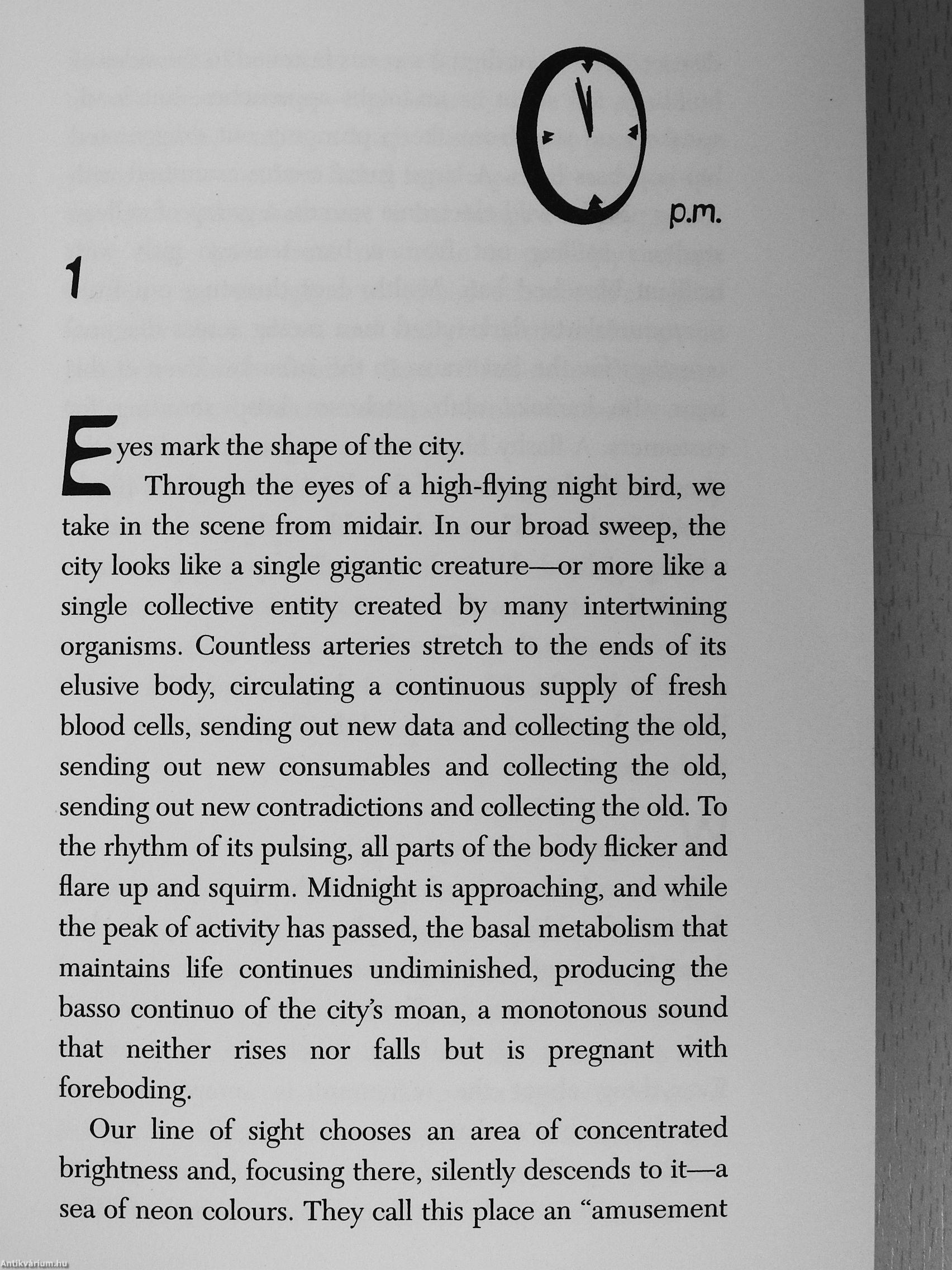
Fülszöveg
The midnight hour approaches in an almost empty all-night diner. Mari sips her coffee and glances up from a book as a young man, a musician, intrudes on her solitude. Both have missed the last train home. The musician has plans to rehearse with his jazz band all night, Mari is equally unconcerned and content to read, smoke and drink coffee until dawn. They realise they've been acquainted through Eri, Mari's beautiful sister. The musician soon leaves with a promise to return before dawn. Shortly afterwards Mari will be interrupted a second time by a girl from the Alphaville Hotel; a Chinese prostitute has been hurt by a client, the girl has heard Mari speaks fluent Chinese and requests her help.
Meanwhile Eri is at home and sleeps a deep, heavy sleep that is 'too perfect, too pure' to be normal; pulse and respiration at the lowest required level. She has been in this soporific state for two months; Eri has become the classic myth - a sleeping beauty. But tonight, as the digital... Tovább
Fülszöveg
The midnight hour approaches in an almost empty all-night diner. Mari sips her coffee and glances up from a book as a young man, a musician, intrudes on her solitude. Both have missed the last train home. The musician has plans to rehearse with his jazz band all night, Mari is equally unconcerned and content to read, smoke and drink coffee until dawn. They realise they've been acquainted through Eri, Mari's beautiful sister. The musician soon leaves with a promise to return before dawn. Shortly afterwards Mari will be interrupted a second time by a girl from the Alphaville Hotel; a Chinese prostitute has been hurt by a client, the girl has heard Mari speaks fluent Chinese and requests her help.
Meanwhile Eri is at home and sleeps a deep, heavy sleep that is 'too perfect, too pure' to be normal; pulse and respiration at the lowest required level. She has been in this soporific state for two months; Eri has become the classic myth - a sleeping beauty. But tonight, as the digital clock displays 00:00, a faint electrical crackle is perceptible, a hint of life flickers across the TV screen, though the television's plug has been pulled.
Murakami, acclaimed master of the surreal, returns with a stunning new novel, where the familiar can become unfamiliar after midnight, even to those who thrive in the small hours.
HARUKI MURAKAMI was born in Kyoto in 1949. Following the publication of his first novel in Japanese in 1979, he sold the jazz bar he ran with his wife and became a full-time writer. It was with the publication of Norwegian Wood - which has to date sold more than 4 million copies in Japan alone - that the author was truly catapulted into the limelight. He is now Japan's best-known novelist abroad. Eight novels, two short story collections and one work of non-fiction are currently available in English translation.
JAY RUBIN is Professor of Japanese Literature at Harvard University. He is the Translator into English of Murakami's The Wind-up Bird Chronicle, Norwegian Wood and After the Quake, and the author of Haruki Murakami and the Music of Words. Vissza

Témakörök
- Idegennyelv > Idegennyelvű könyvek > Angol > Szépirodalom > Regény, novella, elbeszélés
- Szépirodalom > Regény, novella, elbeszélés > Az író származása szerint > Ázsia > Japán
- Szépirodalom > Regény, novella, elbeszélés > Tartalom szerint > Lélektani regények
- Szépirodalom > Regény, novella, elbeszélés > Tartalom szerint > Földrajzi besorolások > Ázsia
- Szépirodalom > Regény, novella, elbeszélés > Tartalom szerint > Misztikus
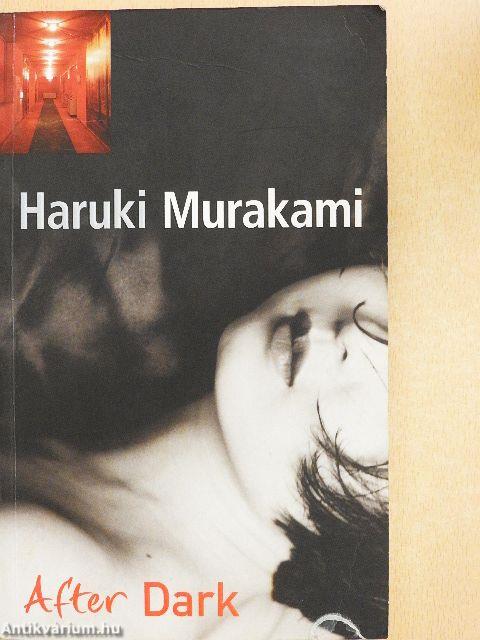

Haruki Murakami
Haruki Murakami műveinek az Antikvarium.hu-n kapható vagy előjegyezhető listáját itt tekintheti meg: Haruki Murakami könyvek, művekMegvásárolható példányok
Nincs megvásárolható példány
A könyv összes megrendelhető példánya elfogyott. Ha kívánja, előjegyezheti a könyvet, és amint a könyv egy újabb példánya elérhető lesz, értesítjük.
 Folytatás Microsoft-tal