
1.153.907
kiadvánnyal nyújtjuk Magyarország legnagyobb antikvár könyv-kínálatát

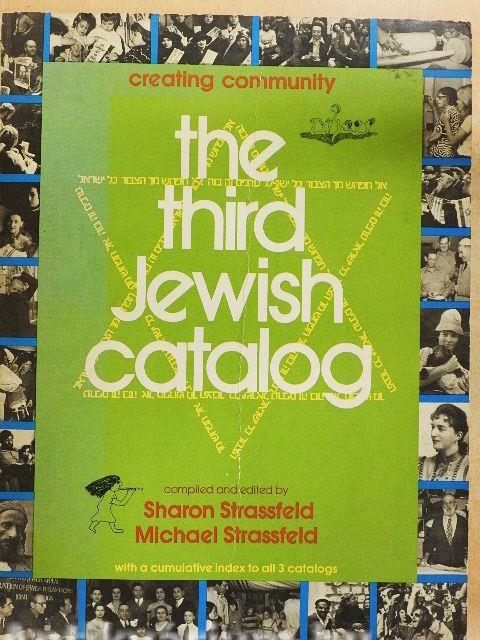
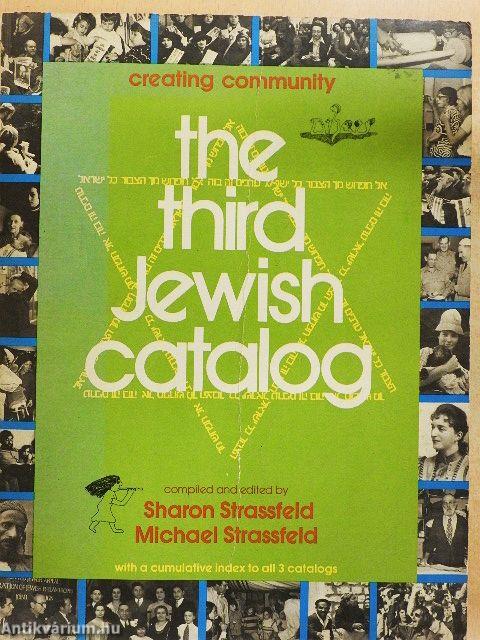
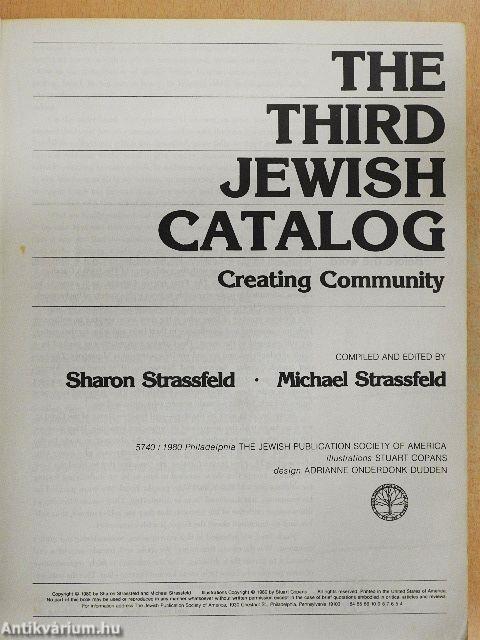
The Third Jewish Catalog
Creating Community
Philadelphia
| Kiadó: | The Jewish Publication Society of America |
|---|---|
| Kiadás helye: | Philadelphia |
| Kiadás éve: | |
| Kötés típusa: | Ragasztott papírkötés |
| Oldalszám: | 416 oldal |
| Sorozatcím: | |
| Kötetszám: | |
| Nyelv: | Angol |
| Méret: | 28 cm x 21 cm |
| ISBN: | 0-8276-0183-2 |
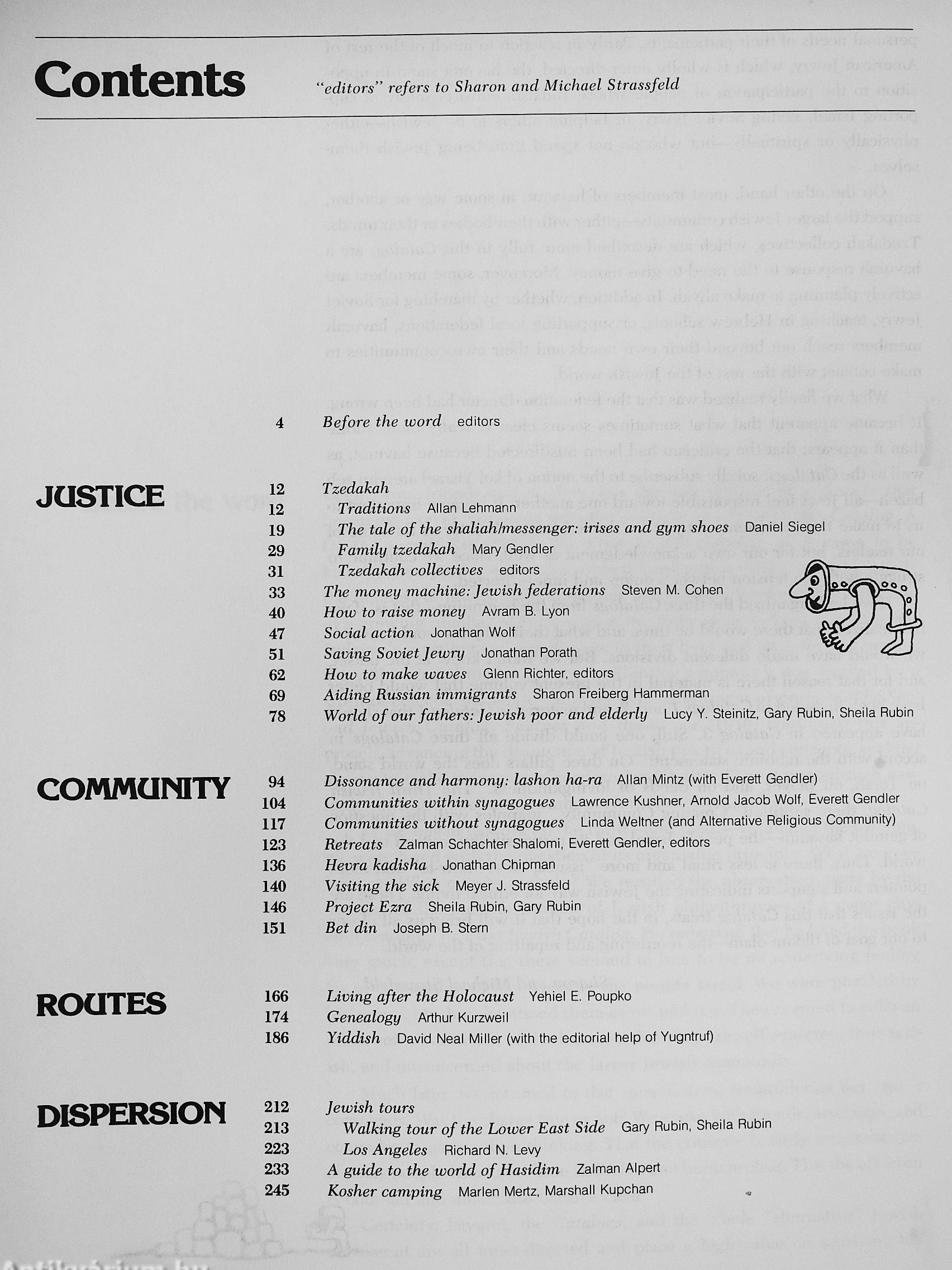
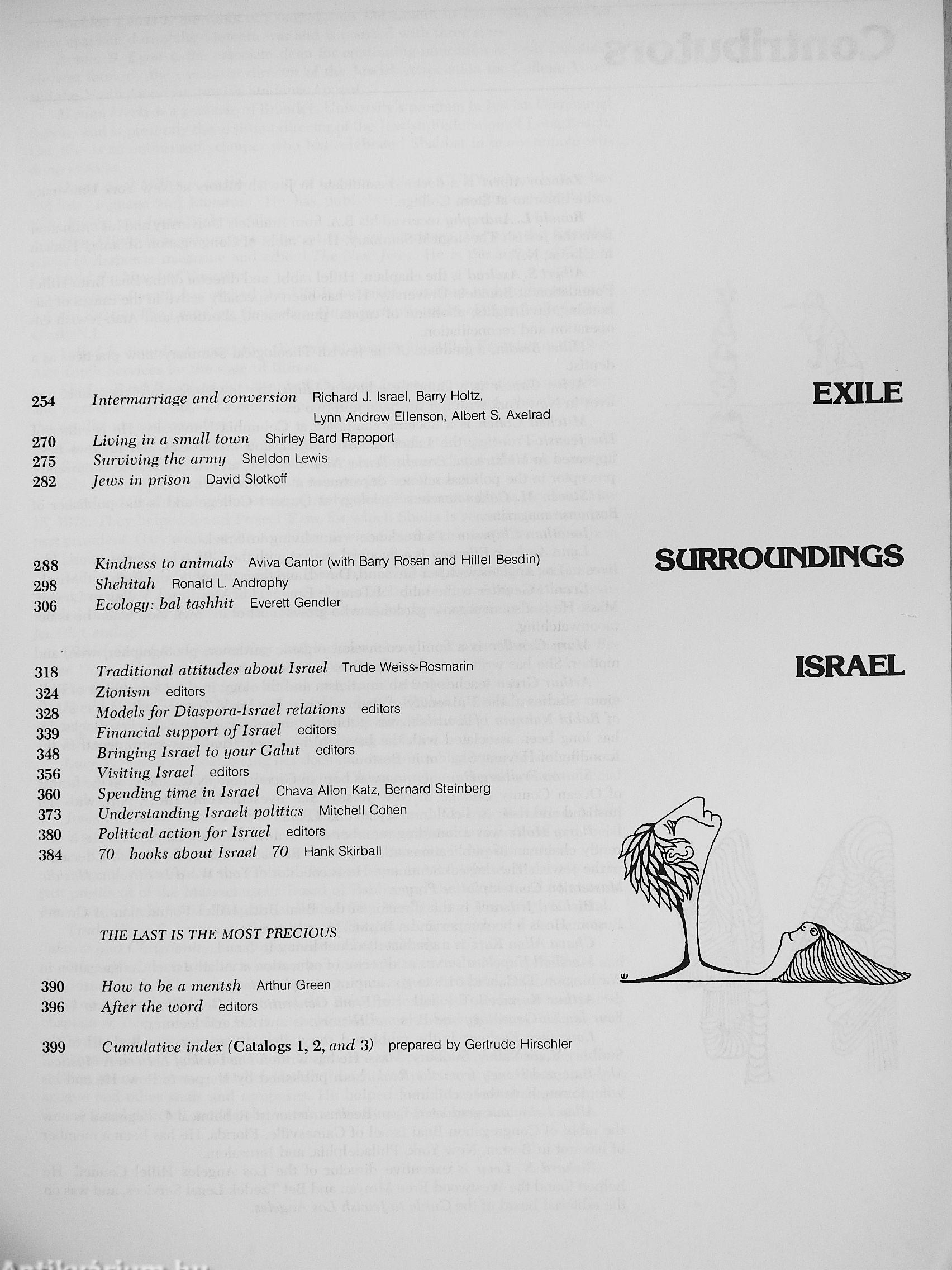
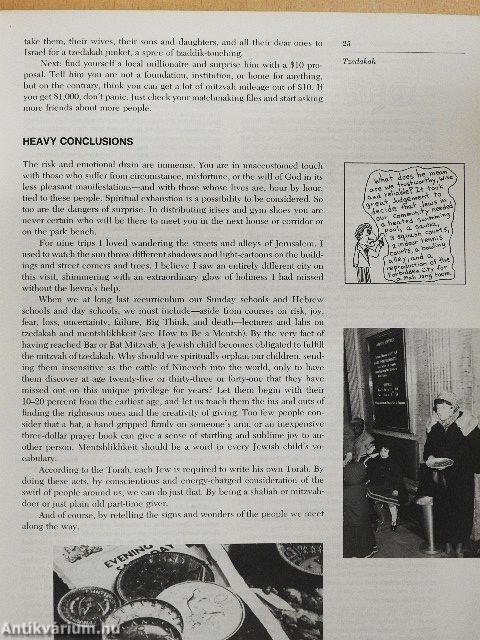
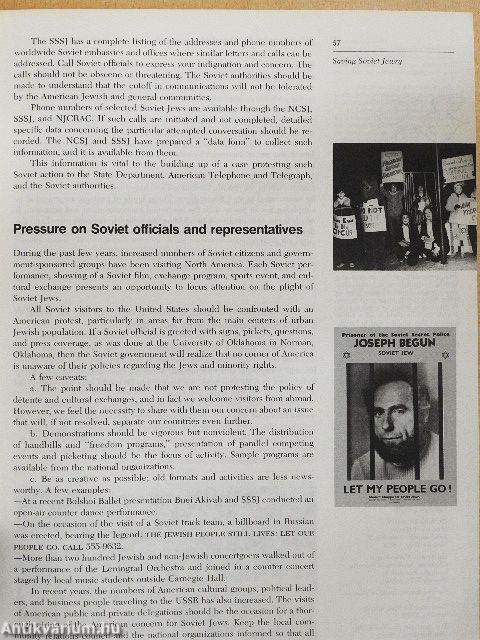
| Megjegyzés: | További kapcsolódó személyek a kötetben. Fekete-fehér fotókkal, illusztrációkkal. |
Értesítőt kérek a kiadóról
A beállítást mentettük,
naponta értesítjük a beérkező friss
kiadványokról
naponta értesítjük a beérkező friss
kiadványokról
A beállítást mentettük,
naponta értesítjük a beérkező friss
kiadványokról
naponta értesítjük a beérkező friss
kiadványokról
Előszó
Tovább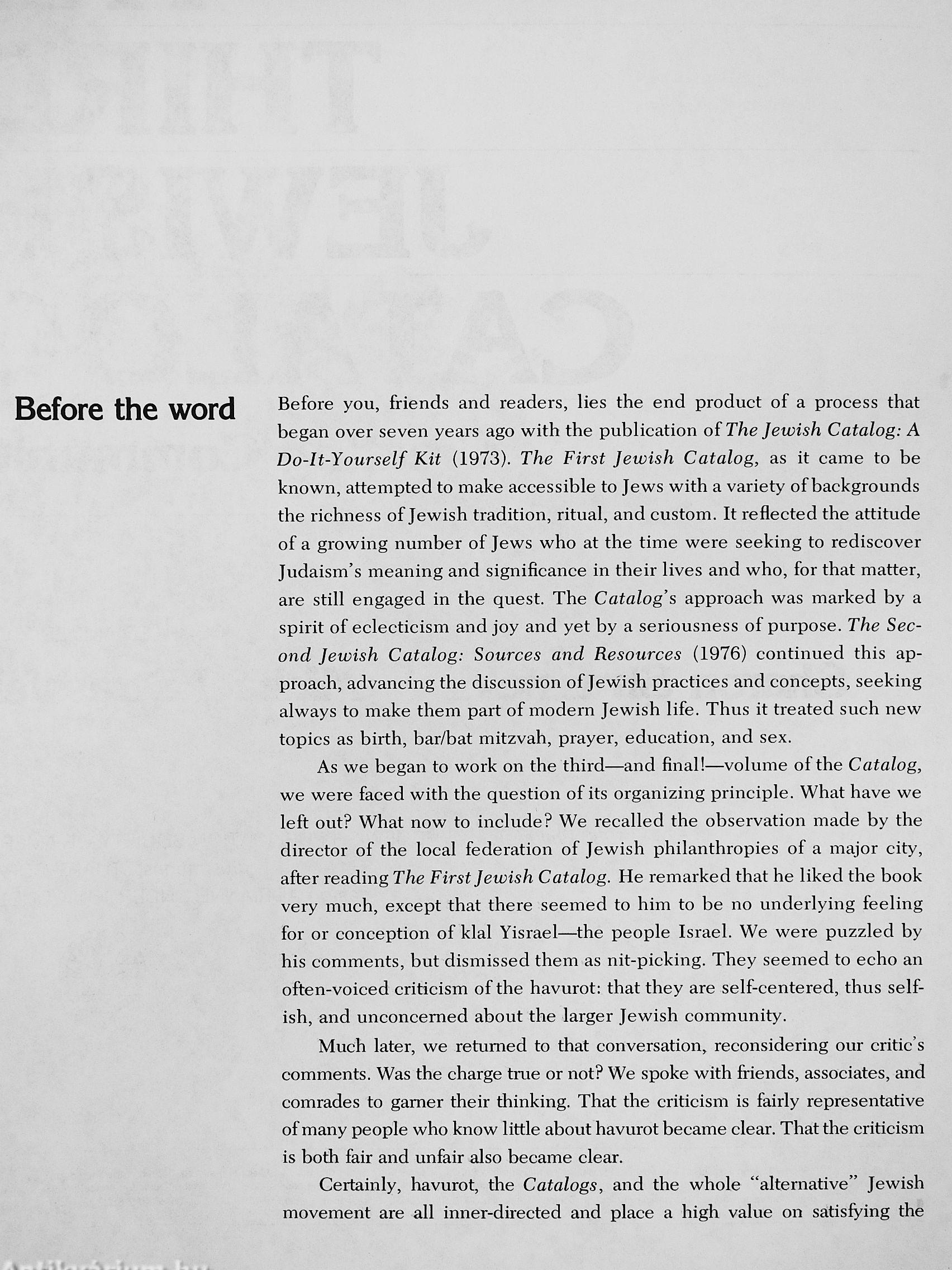
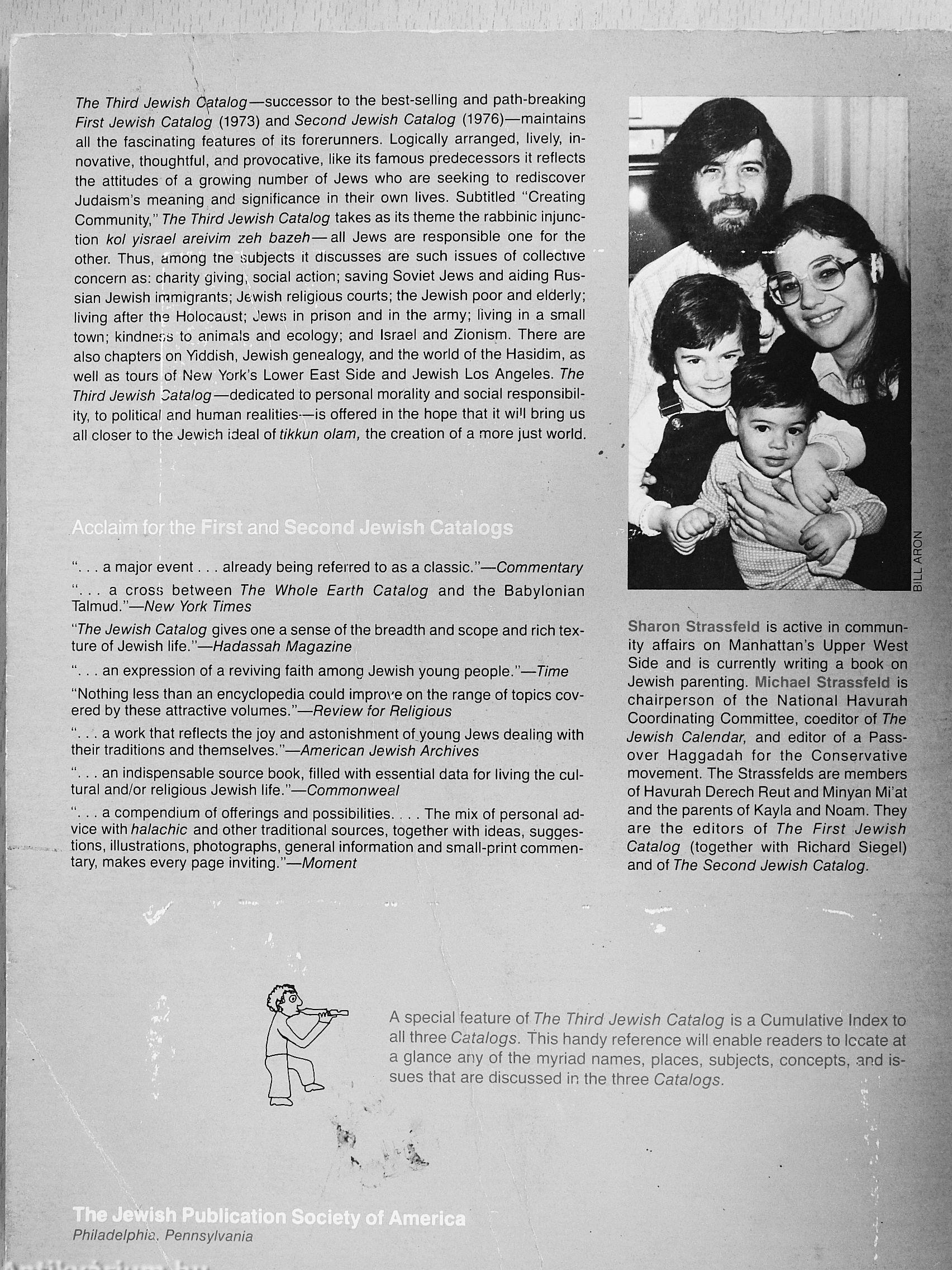
Fülszöveg
The Third Jewish Osiatog—successor to the best-selling and path-breaking First Jewish Catalog (1973) and Second Jewish Catalog (1976)—maintains all the fascinating features of its forerunners. Logically arranged, lively, innovative, thoughtful, and provocative, like its famous predecessors it reflects the attitudes of a growing number of Jews who are seeking to rediscover Judaism's meaning and significance in their own lives. Subtitled "Creating Community," The Third Jewish Catalog takes as its theme the rabbinic injunction kol yisrael areivim zeh bazeh— all Jews are responsible one for the other. Thus, among tne subjects it discusses are such issues of collective concern as: charity giving, social action; saving Soviet Jews and aiding Russian Jewish immigrants; Jewish religious courts; the Jewish poor and elderly; living after the Holocaust; Jews in prison and in the army; living in a small town; kindneos to animals and ecology; and Israel and Zionism. There are also chapters on... Tovább
Fülszöveg
The Third Jewish Osiatog—successor to the best-selling and path-breaking First Jewish Catalog (1973) and Second Jewish Catalog (1976)—maintains all the fascinating features of its forerunners. Logically arranged, lively, innovative, thoughtful, and provocative, like its famous predecessors it reflects the attitudes of a growing number of Jews who are seeking to rediscover Judaism's meaning and significance in their own lives. Subtitled "Creating Community," The Third Jewish Catalog takes as its theme the rabbinic injunction kol yisrael areivim zeh bazeh— all Jews are responsible one for the other. Thus, among tne subjects it discusses are such issues of collective concern as: charity giving, social action; saving Soviet Jews and aiding Russian Jewish immigrants; Jewish religious courts; the Jewish poor and elderly; living after the Holocaust; Jews in prison and in the army; living in a small town; kindneos to animals and ecology; and Israel and Zionism. There are also chapters on Yiddish, Jewish genealogy, and the world of the Hasidim, as well as tours of New York's Lower East Side and Jewish Los Angeles. The Third Jewish Caiatog—dedicated to personal morality and social responsibility, to political and human realities—is offered in the hope that it wiH bring us all closer to the Jewish ideal of tikkun olam, the creation of a more just world.
" a major event already being referred to as a classic."—Commentary
'¦ a cross between The Whole Earth Catalog and the Babylonian Talmud."—Weiv York Times
"The Jewish Catalog gives one a sense of the breadth and scope and rich texture of Jewish \\ie."—Hadassah Magazine
" . an expression of a reviving faith among Jewish young people."—Time
"Nothing less than an encyclopedia could improve on the range of topics covered by these attractive volumes."—Review tor Religious " a work that reflects the joy and astonishment of young Jews dealing with their traditions and themselves."—/(mer/can Jewish Archives
" an indispensable source book, filled with essential data for living the cultural and/or religious Jewish life."—Commonweal
" a compendium of offerings and possibilities . . The mix of personal advice with halachlc and other traditional sources, together with ideas, suggestions, illustrations, photographs, general information and small-print commentary, makes every page inviting."—Moment
Sharon Strassfeld is active in community affairs on Manhattan's Upper West Side and is currently writing a book on Jewish parenting. Michael Strassfeld is chairperson of the National Havurah Coordinating Committee, coeditor of The Jewish Calendar, and editor of a Passover Haggadah for the Conservative movement. The Strassfelds are members of Havurah Derech Reut and Minyan Mi'at and the parents of Kayla and Noam. They are the editors of The First Jewish Catalog (together with Richard Siegel) and of The Second Jewish Catalog.
A special feature of The Third Jewish Catalog is a Cumulative Index to all three Catalogs. This handy reference will enable readers to locate at a glance any of the myriad names, places, subjects, concepts, and issues that are discussed in the three Catalogs.
ii-i K
¦/V.
Philadelphia. Pennsylvania Vissza
Témakörök
- Idegennyelv > Idegennyelvű könyvek > Angol > Szociológia > Társadalmi csoportok > Kisebbségek > Zsidóság
- Szociológia > Társadalmi csoportok > Kisebbségek > Zsidóság > Egyéb
- Idegennyelv > Idegennyelvű könyvek > Angol > Vallás
- Idegennyelv > Idegennyelvű könyvek > Angol > Vallás > Zsidóság, Judaizmus
- Vallás
- Vallás > Zsidóság, judaizmus
- Vallás > Határtudományok
Megvásárolható példányok
Állapotfotók
Átlagos állapotú példány.
Állapot:
Jó
4.980 ,-Ft
25
pont kapható
Kosárba
 Folytatás Microsoft-tal