
1.153.362
kiadvánnyal nyújtjuk Magyarország legnagyobb antikvár könyv-kínálatát

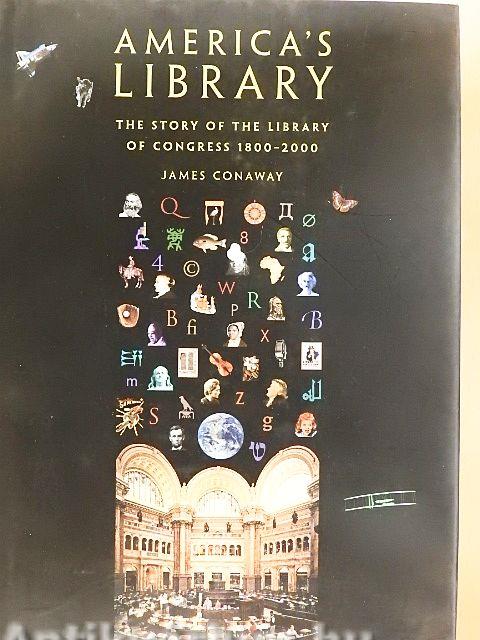
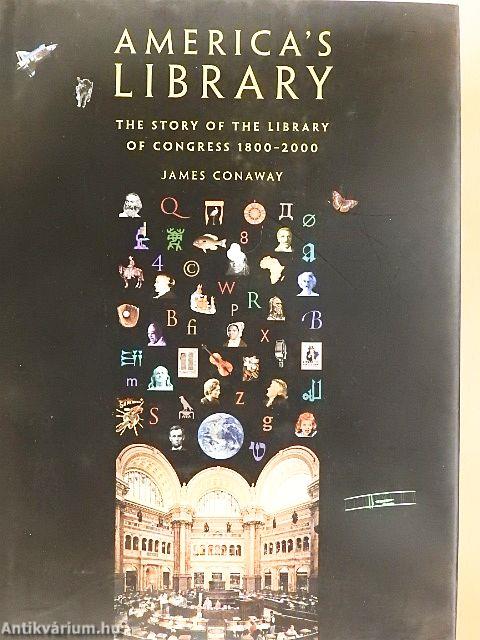
America's Library
The Story of the Library of Congress 1800-2000
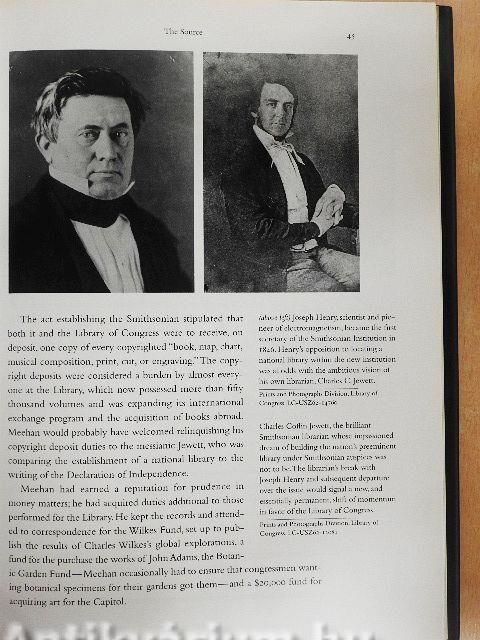
New Haven-London-Washington
| Kiadó: | Yale University Press-The Library of Congress |
|---|---|
| Kiadás helye: | New Haven-London-Washington |
| Kiadás éve: | |
| Kötés típusa: | Vászon |
| Oldalszám: | 226 oldal |
| Sorozatcím: | |
| Kötetszám: | |
| Nyelv: | Angol |
| Méret: | 26 cm x 19 cm |
| ISBN: | 0-300-08308-4 |
| Megjegyzés: | Színes és fekete-fehér fotókkal, illusztrációkkal. |
Értesítőt kérek a kiadóról
A beállítást mentettük,
naponta értesítjük a beérkező friss
kiadványokról
naponta értesítjük a beérkező friss
kiadványokról
A beállítást mentettük,
naponta értesítjük a beérkező friss
kiadványokról
naponta értesítjük a beérkező friss
kiadványokról
Előszó
Tovább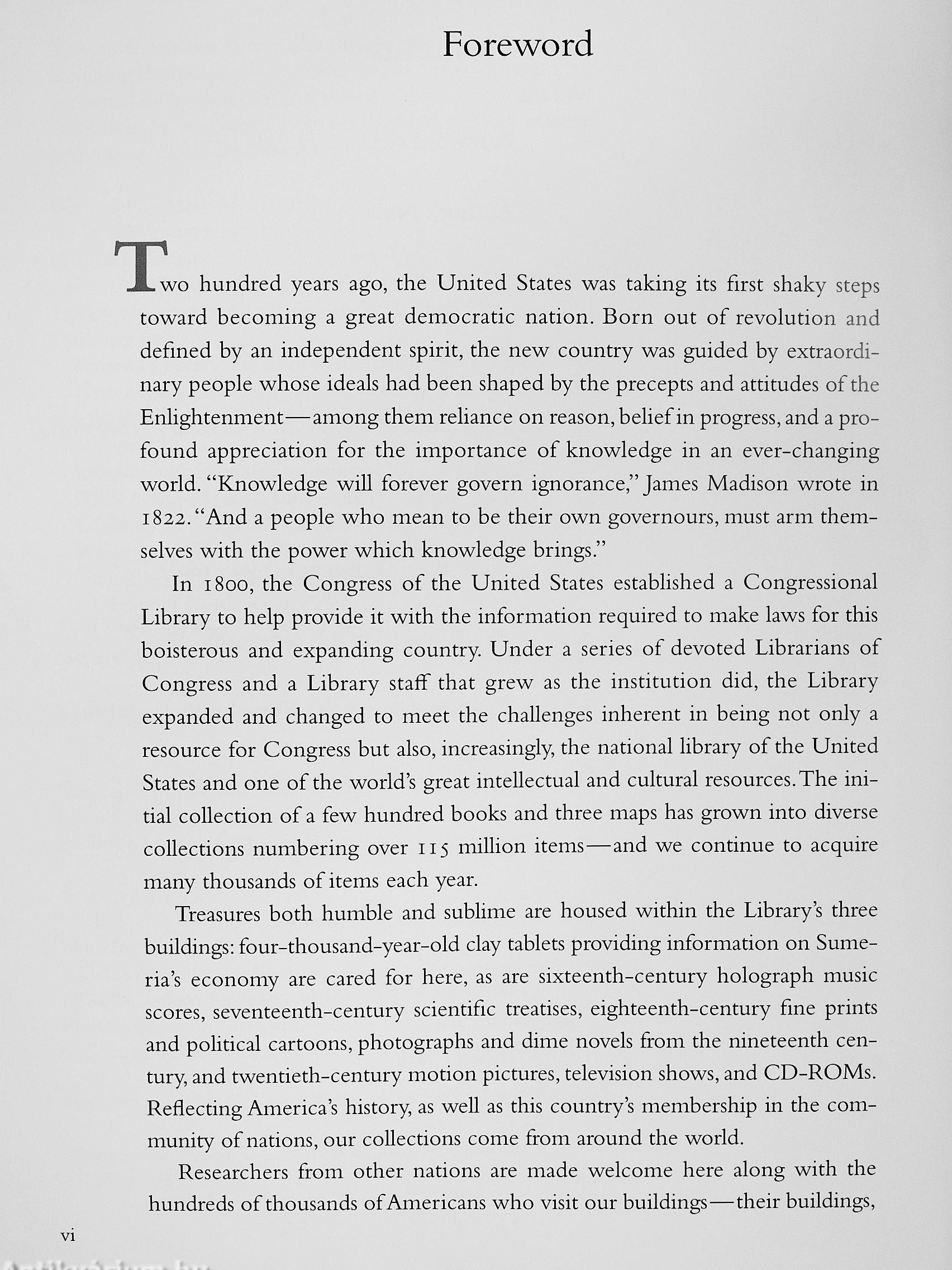
Fülszöveg
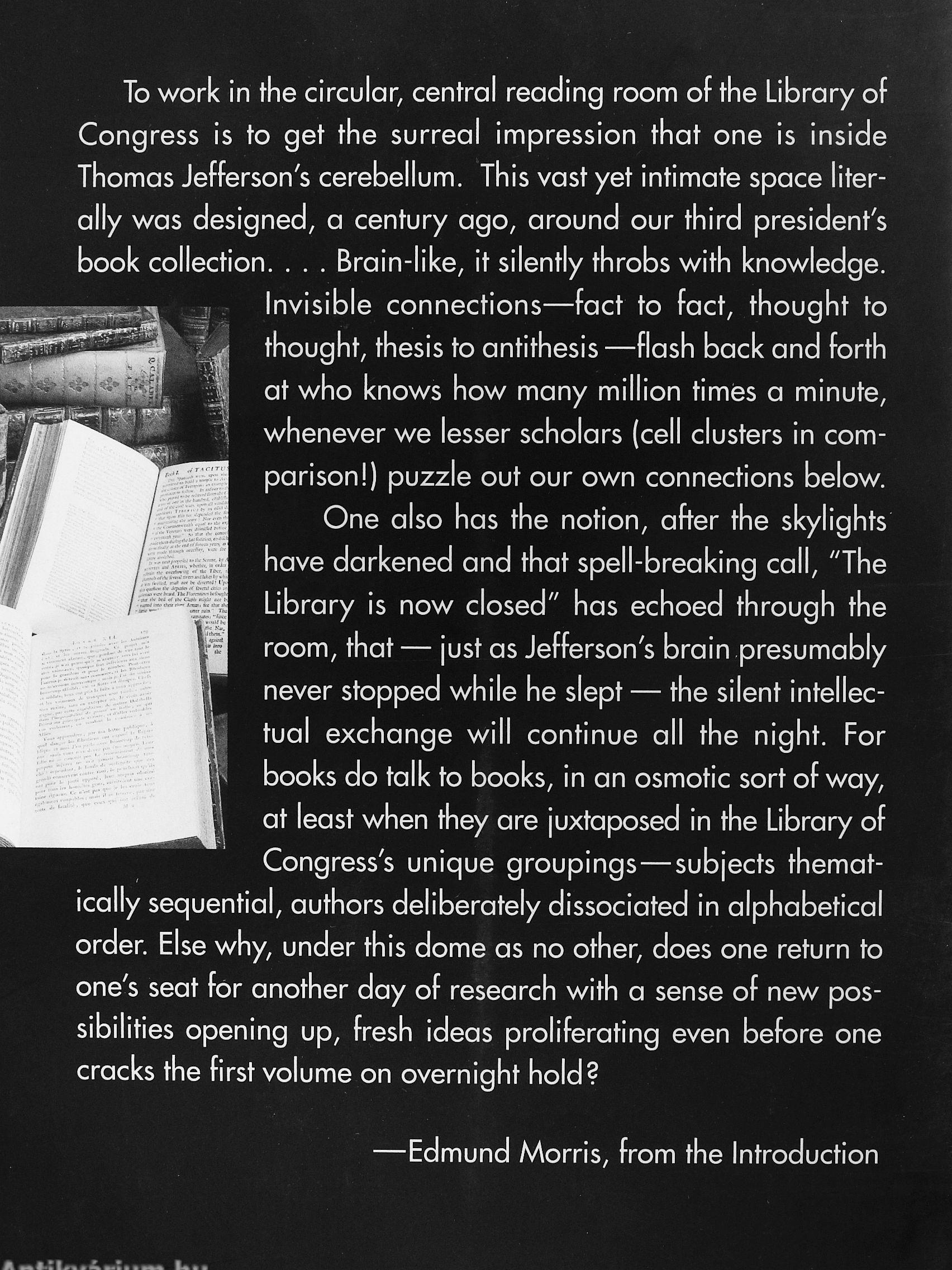
To work in the circular, central reading roonn of the Library of Congress is to get the surreal impression that one is inside Thomas Jefferson's cerebellum. This vast yet intimate space literally was designed, a century ago, around our third president's book collection. . . . Brain-like, it silently throbs with knowledge.
J Invisible connections—fact to fact, thought to l|jj thought, thesis to antithesis —flash back and forth a at who knows how many million times a minute, lijLr , 1 whenever we lesser scholars (cell clusters in com-parison!) puzzle out our own connections below. ^^H^^n One also has the notion, after the skylights ^^H^hR l^cive darkened and that spell-breaking call, "The Library is now closed" has echoed through the ^H^^H^ room, that — just as Jefferson's brain presumably ^H^^Hj never stopped while he slept — the silent intellec-tual exchange will continue all the night. For books do talk to books, in an osmotic sort of way, i at least when they are juxtaposed in... Tovább
Fülszöveg
To work in the circular, central reading roonn of the Library of Congress is to get the surreal impression that one is inside Thomas Jefferson's cerebellum. This vast yet intimate space literally was designed, a century ago, around our third president's book collection. . . . Brain-like, it silently throbs with knowledge.
J Invisible connections—fact to fact, thought to l|jj thought, thesis to antithesis —flash back and forth a at who knows how many million times a minute, lijLr , 1 whenever we lesser scholars (cell clusters in com-parison!) puzzle out our own connections below. ^^H^^n One also has the notion, after the skylights ^^H^hR l^cive darkened and that spell-breaking call, "The Library is now closed" has echoed through the ^H^^H^ room, that — just as Jefferson's brain presumably ^H^^Hj never stopped while he slept — the silent intellec-tual exchange will continue all the night. For books do talk to books, in an osmotic sort of way, i at least when they are juxtaposed in the Library of Congress's unique groupings — subjects themat-ically sequential, authors deliberately dissociated in alphabetical order. Else why, under this dome as no other, does one return to one's seat for another day of research with a sense of new possibilities opening up, fresh ideas proliferating even before one cracks the first volume on overnight hold?
—Edmund Morris, from the Introduction
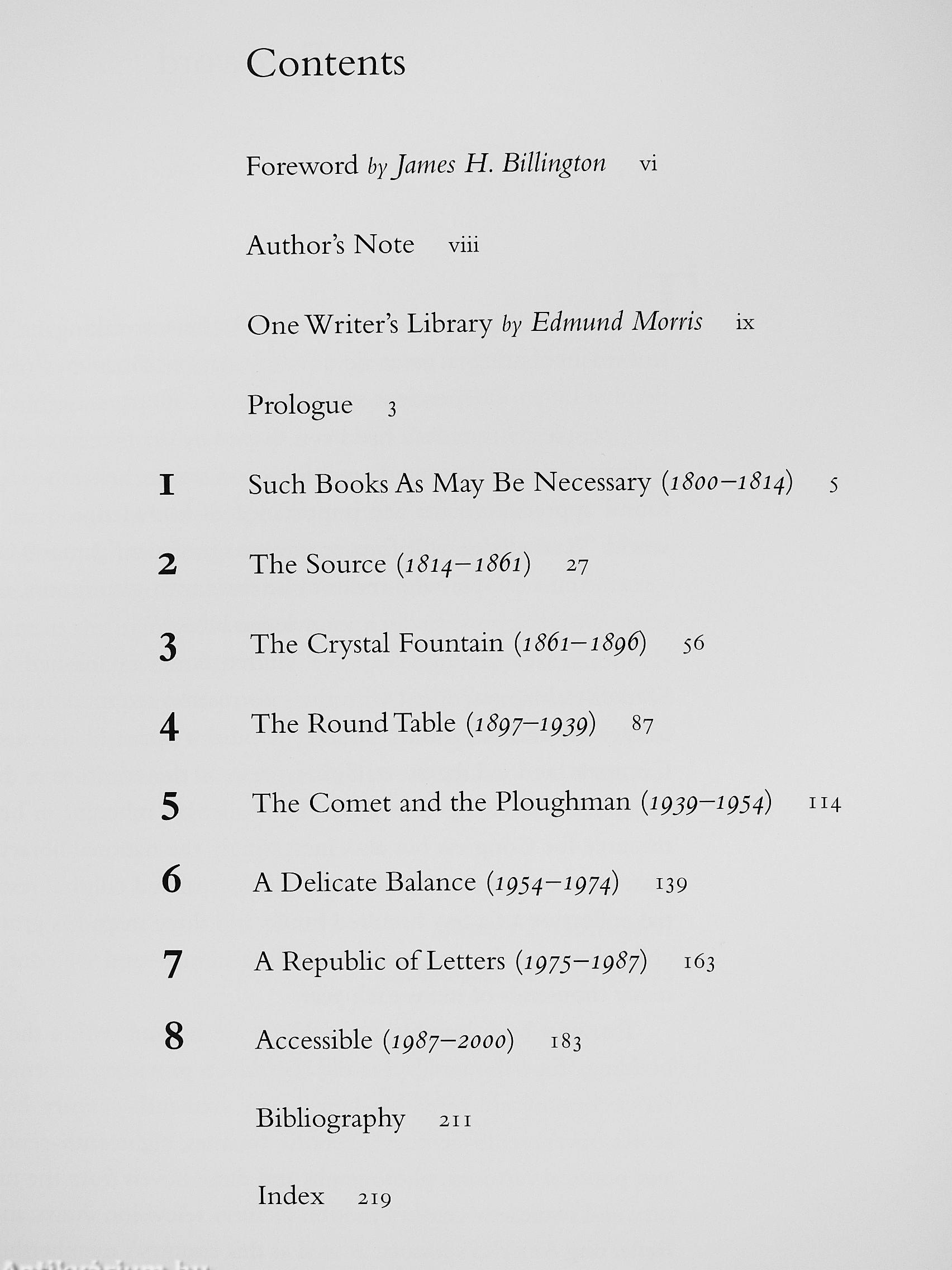
AMERICA'S LIBRARY
THE STORY OF THE LIBRARY
OF CONGRESS, 1800-2000
James Conaway Foreword by James Billington Introduction by Edmund Morris
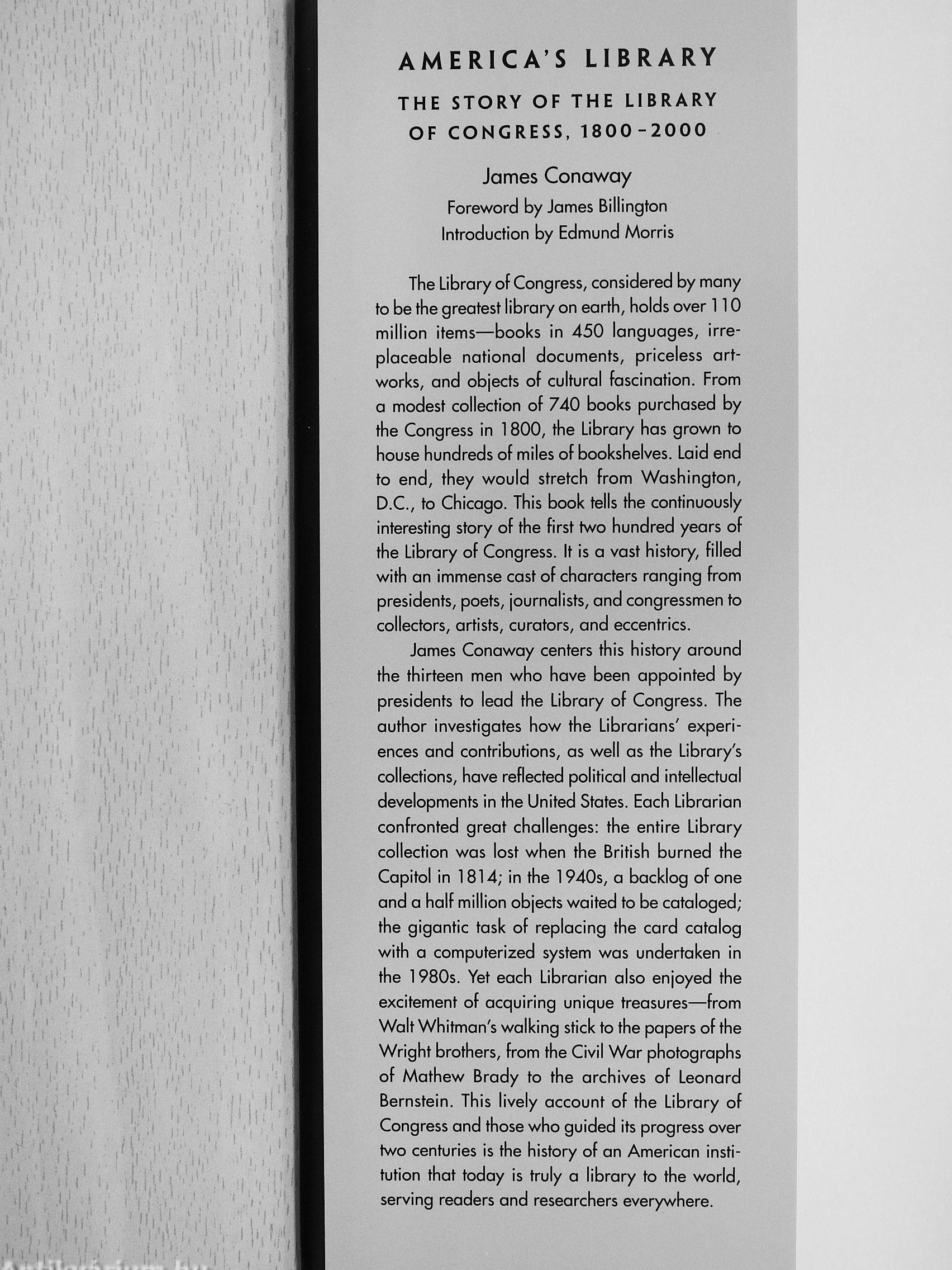
The Library of Congress, considered by many to be the greatest library on earth, holds over 110 million items—books in 450 languages, irreplaceable national documents, priceless artworks, and objects of cultural fascination. From a modest collection of 740 books purchased by the Congress in 1 800, the Library has grown to house hundreds of miles of bookshelves. Laid end to end, they would stretch from Washington, D.C., to Chicago. This book tells the continuously interesting story of the first two hundred years of the Library of Congress. It is a vast history, filled with an immense cast of characters ranging from presidents, poets, !ournalists, and congressmen to collectors, artists, curators, and eccentrics.
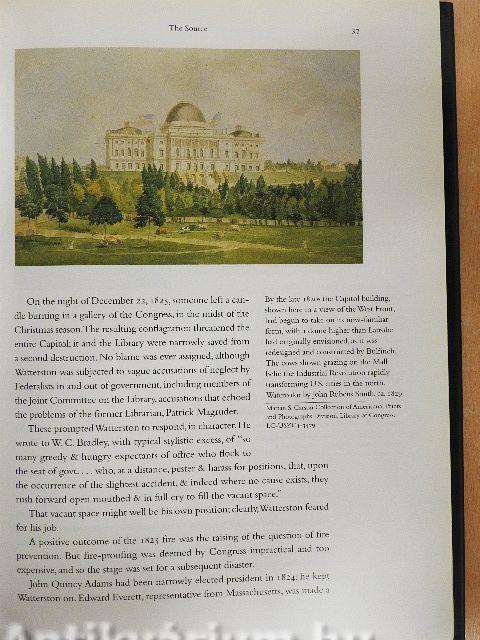
James Conaway centers this history around the thirteen men who hove been appointed by presidents to lead the Library of Congress. The author investigates how the Librarians' experiences and contributions, as well as the Library's collections, have reflected political and intellectual developments in the United States. Each Librarian confronted great challenges: the entire Library collection was lost when the British burned the Capitol in 1814; in the 1940s, a backlog of one and a half million objects waited to be cataloged; the gigantic task of replacing the card catalog with a computerized system was undertaken in the 1980s. Yet each Librarian also enjoyed the excitement of acquiring unique treasures—from Walt Whitman's walking stick to the papers of the Wright brothers, from the Civil War photographs of Mothew Brady to the archives of Leonard Bernstein. This lively account of the Library of Congress and those who guided its progress over two centuries is the history of an American institution that today is truly a library to the world, serving readers and researchers everywhere. Vissza
James Conaway
James Conaway műveinek az Antikvarium.hu-n kapható vagy előjegyezhető listáját itt tekintheti meg: James Conaway könyvek, művekMegvásárolható példányok
Állapotfotók
Szép állapotú példány.
Állapot:
Jó
8.800 ,-Ft
44
pont kapható
Kosárba
 Folytatás Microsoft-tal