
1.155.113
kiadvánnyal nyújtjuk Magyarország legnagyobb antikvár könyv-kínálatát

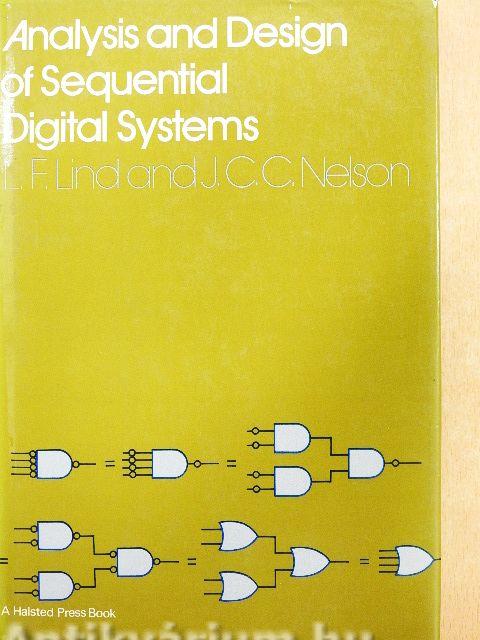
Analysis and Design of Sequential Digital Systems
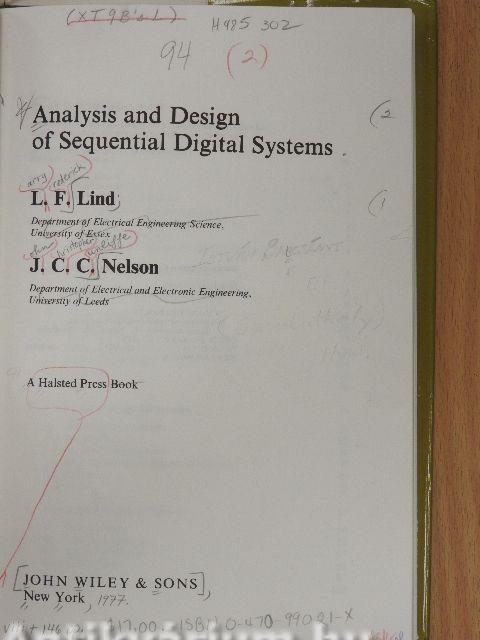
New York
| Kiadó: | John Wiley & Sons, Inc. |
|---|---|
| Kiadás helye: | New York |
| Kiadás éve: | |
| Kötés típusa: | Varrott keménykötés |
| Oldalszám: | 146 oldal |
| Sorozatcím: | |
| Kötetszám: | |
| Nyelv: | Angol |
| Méret: | 24 cm x 16 cm |
| ISBN: | 0-470-99021-X |
Értesítőt kérek a kiadóról
A beállítást mentettük,
naponta értesítjük a beérkező friss
kiadványokról
naponta értesítjük a beérkező friss
kiadványokról
A beállítást mentettük,
naponta értesítjük a beérkező friss
kiadványokról
naponta értesítjük a beérkező friss
kiadványokról
Előszó
Tovább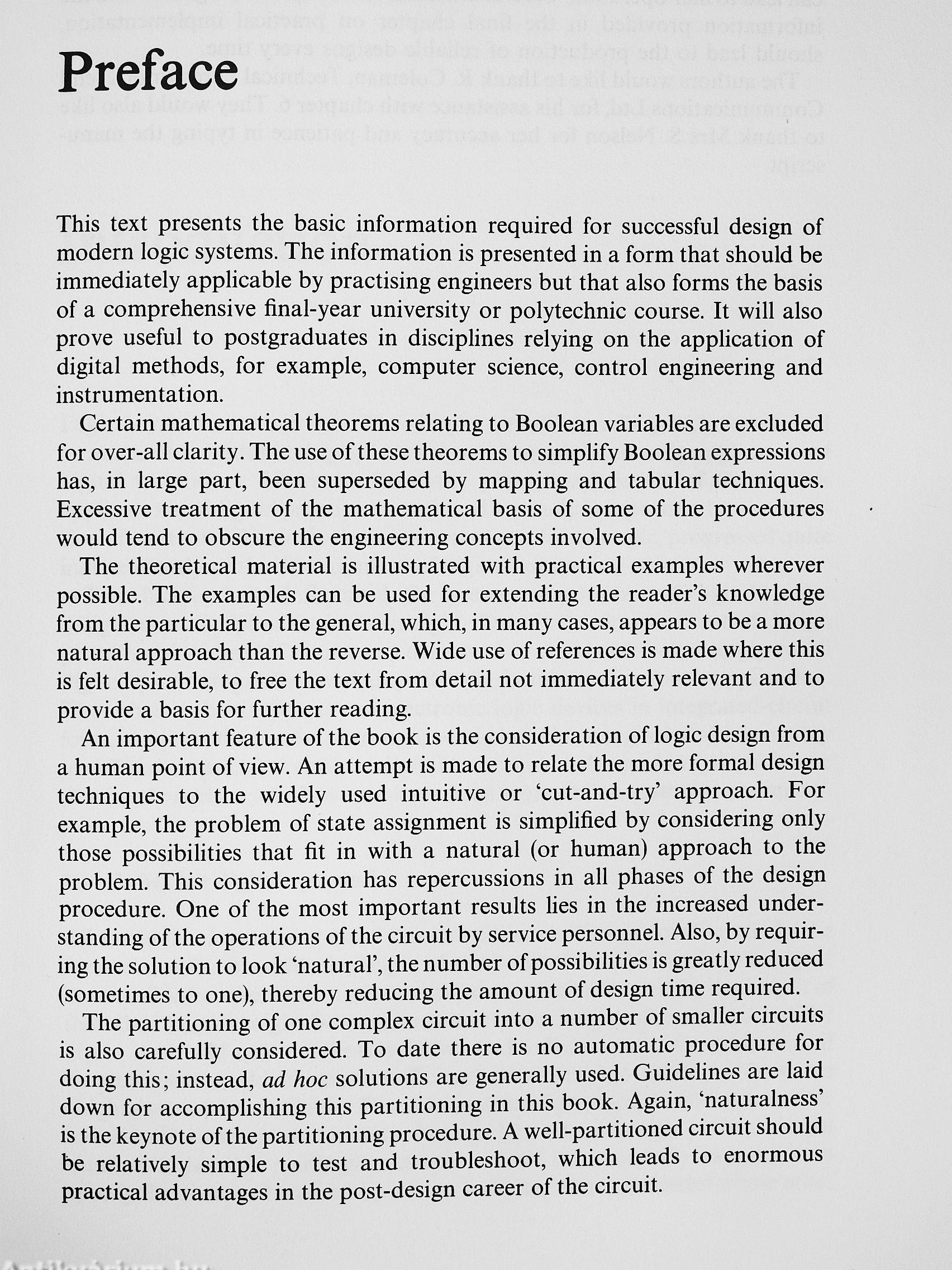
Fülszöveg
Jl
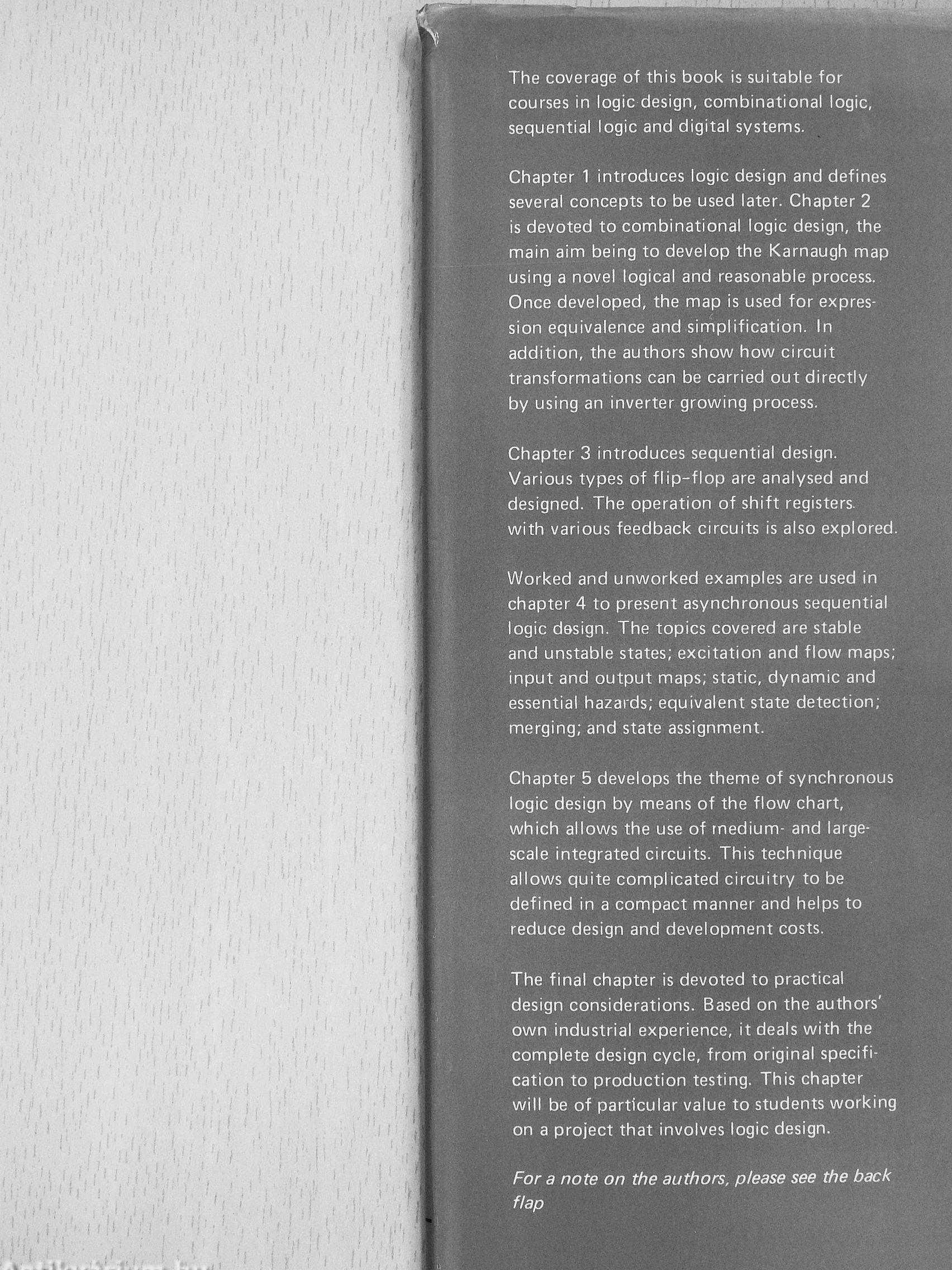
The coverage of this book is suitable for courses in logic design, combinational logic, sequential logic and digital systems.
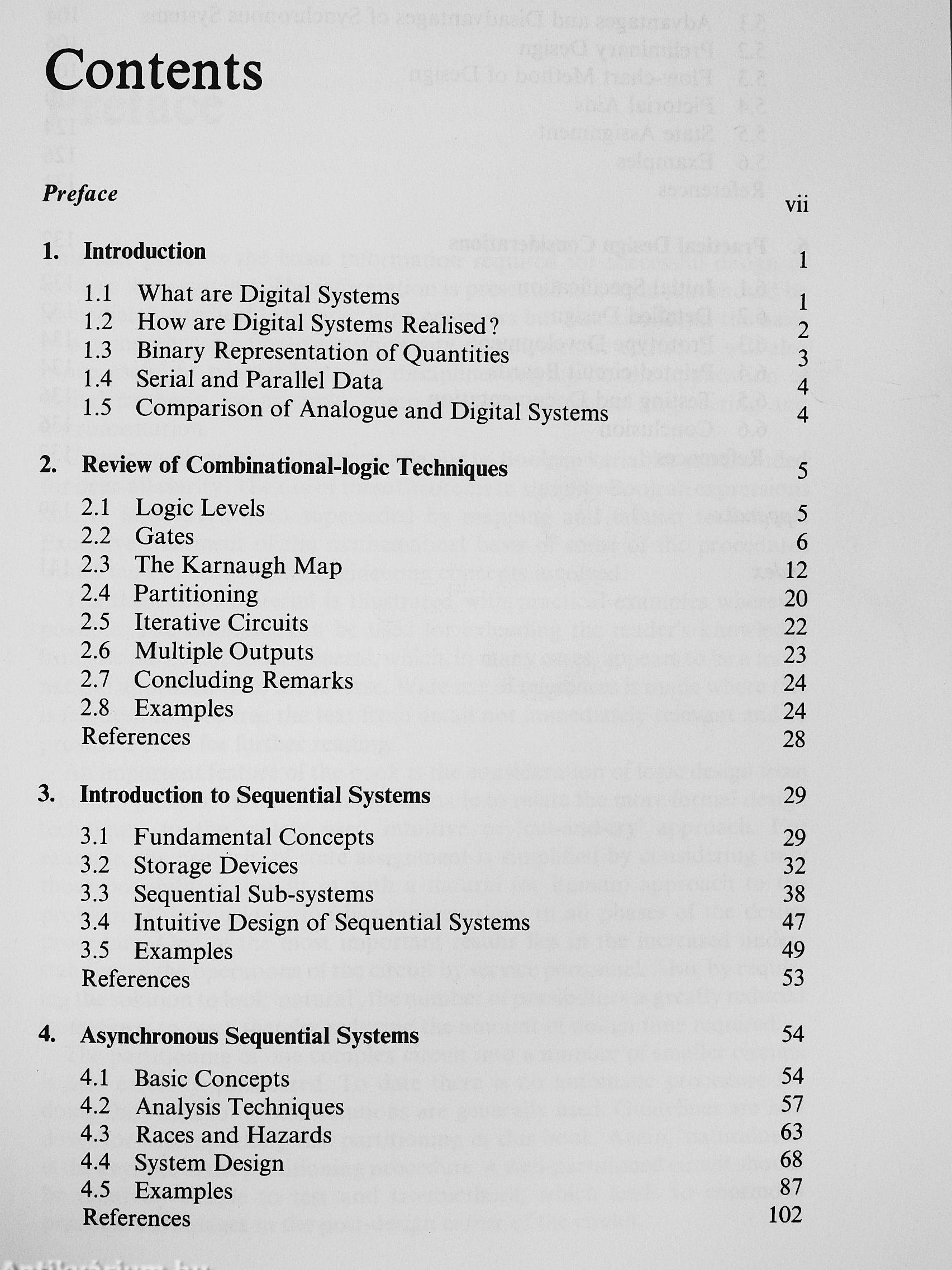
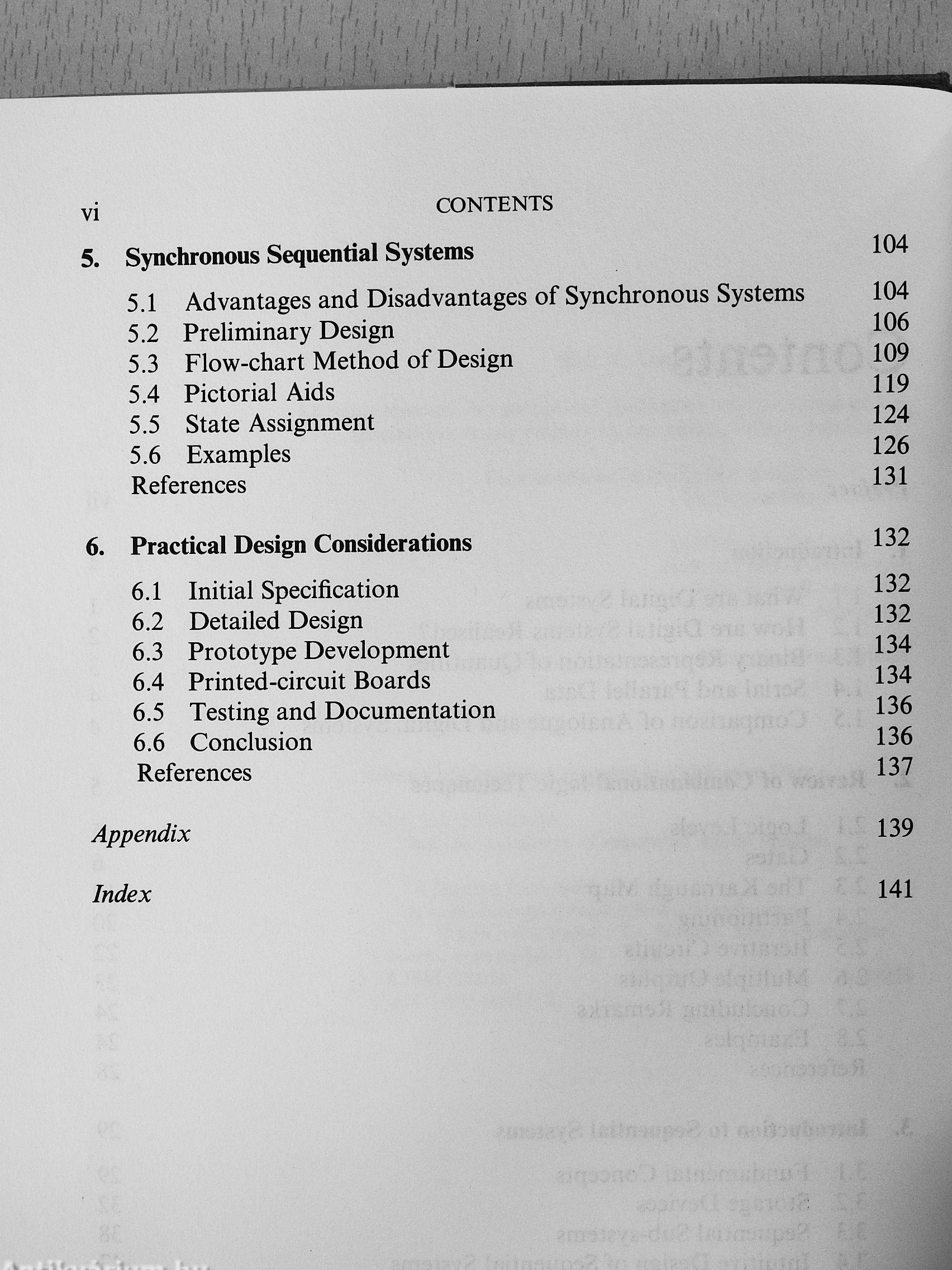
Chapter 1 introduces logic design and defines several concepts to be used later. Chapter 2 is devoted to combinational logic design, the main aim being to develop the Karnaugh map using a novel logical and reasonable process. Once developed, the map is used for expression equivalence and simplification. In addition, the authors show how circuit transformations can be carried out directly by using an inverter growing process.
Chapter 3 introduces sequential design. Various types of flip-flop are analysed and designed. The operation of shift registers, with various feedback circuits is also explored.
Worked and unworked examples are used in chapter 4 to present asynchronous sequential logic design. The topics covered are stable and unstable states; excitation and flow maps; input and output maps; static, dynamic and essential hazards; equivalent state... Tovább
Fülszöveg
Jl
The coverage of this book is suitable for courses in logic design, combinational logic, sequential logic and digital systems.
Chapter 1 introduces logic design and defines several concepts to be used later. Chapter 2 is devoted to combinational logic design, the main aim being to develop the Karnaugh map using a novel logical and reasonable process. Once developed, the map is used for expression equivalence and simplification. In addition, the authors show how circuit transformations can be carried out directly by using an inverter growing process.
Chapter 3 introduces sequential design. Various types of flip-flop are analysed and designed. The operation of shift registers, with various feedback circuits is also explored.
Worked and unworked examples are used in chapter 4 to present asynchronous sequential logic design. The topics covered are stable and unstable states; excitation and flow maps; input and output maps; static, dynamic and essential hazards; equivalent state detection; merging; and state assignment.
Chapter 5 develops the theme of synchronous logic design by means of the flow chart, which allows the use of medium- and large-scale integrated circuits. This technique allows quite complicated circuitry to be defined in a compact manner and helps to reduce design and development costs.
The final chapter is devoted to practical design considerations. Based on the authors' own industrial experience, it deals with the complete design cycle, from original specification to production testing. This chapter will be of particular value to students working on a project that involves logic design.
For a note on the authors, please see the back flap
The Authors
After taking his first and M.Sc. degrees in the United States, L. F. Lind carried out research for a Ph.D. at the University of Leeds before tai<ing up his present position of Lecturer in the Department of Electrical Engineering Science at the University of Essex. For several years he has acted as a consultant for advanced logic design for Trend Communications Ltd.
• !
I >
'i
i ,
J. C. C. Nelson worked as a missile development engineer with Ferranti before taking his Ph.D. at the University of Leeds. He is currently a Lecturer in the Department of Electrical and Electronic Engineering at the University of Leeds, and was formerly a consultant to Serck Controls Ltd and several Leeds companies.
I ¦ :" ¦
t .
i '
V,, Vissza

Témakörök
- Idegennyelv > Idegennyelvű könyvek > Angol > Műszaki
- Idegennyelv > Idegennyelvű könyvek > Angol > Egyéb
- Műszaki > Informatika > Számítógép > Felépítése
- Műszaki > Elektronika > Elektronikai rendszerek
- Műszaki > Technika > Automatizálás > Egyéb
- Műszaki > Idegennyelv > Angol
- Műszaki > Tankönyvek, jegyzetek, szöveggyűjtemények > Felsőoktatási
- Tankönyvek, jegyzetek, szöveggyűjtemények > Műszaki > Felsőoktatási > Egyéb
Megvásárolható példányok
Nincs megvásárolható példány
A könyv összes megrendelhető példánya elfogyott. Ha kívánja, előjegyezheti a könyvet, és amint a könyv egy újabb példánya elérhető lesz, értesítjük.
 Folytatás Microsoft-tal