
1.125.351
kiadvánnyal nyújtjuk Magyarország legnagyobb antikvár könyv-kínálatát

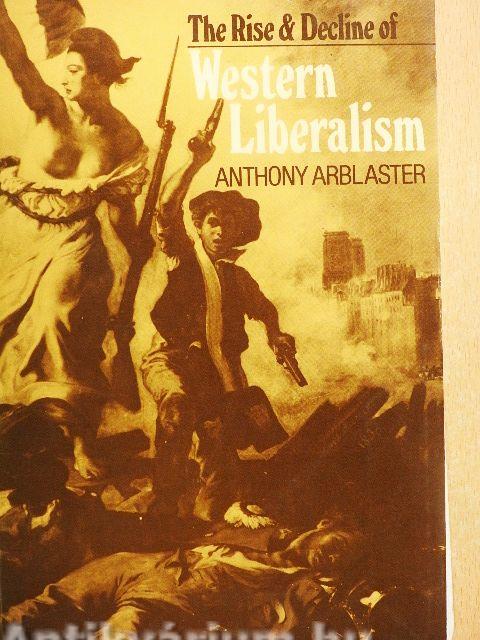
The Rise and Decline of Western Liberalism
Oxford
| Kiadó: | Basil Blackwell Publishers Ltd. |
|---|---|
| Kiadás helye: | Oxford |
| Kiadás éve: | |
| Kötés típusa: | Varrott papírkötés |
| Oldalszám: | 394 oldal |
| Sorozatcím: | |
| Kötetszám: | |
| Nyelv: | Angol |
| Méret: | 23 cm x 15 cm |
| ISBN: | 0-631-14618-0 |
Értesítőt kérek a kiadóról
A beállítást mentettük,
naponta értesítjük a beérkező friss
kiadványokról
naponta értesítjük a beérkező friss
kiadványokról
A beállítást mentettük,
naponta értesítjük a beérkező friss
kiadványokról
naponta értesítjük a beérkező friss
kiadványokról
Előszó
Tovább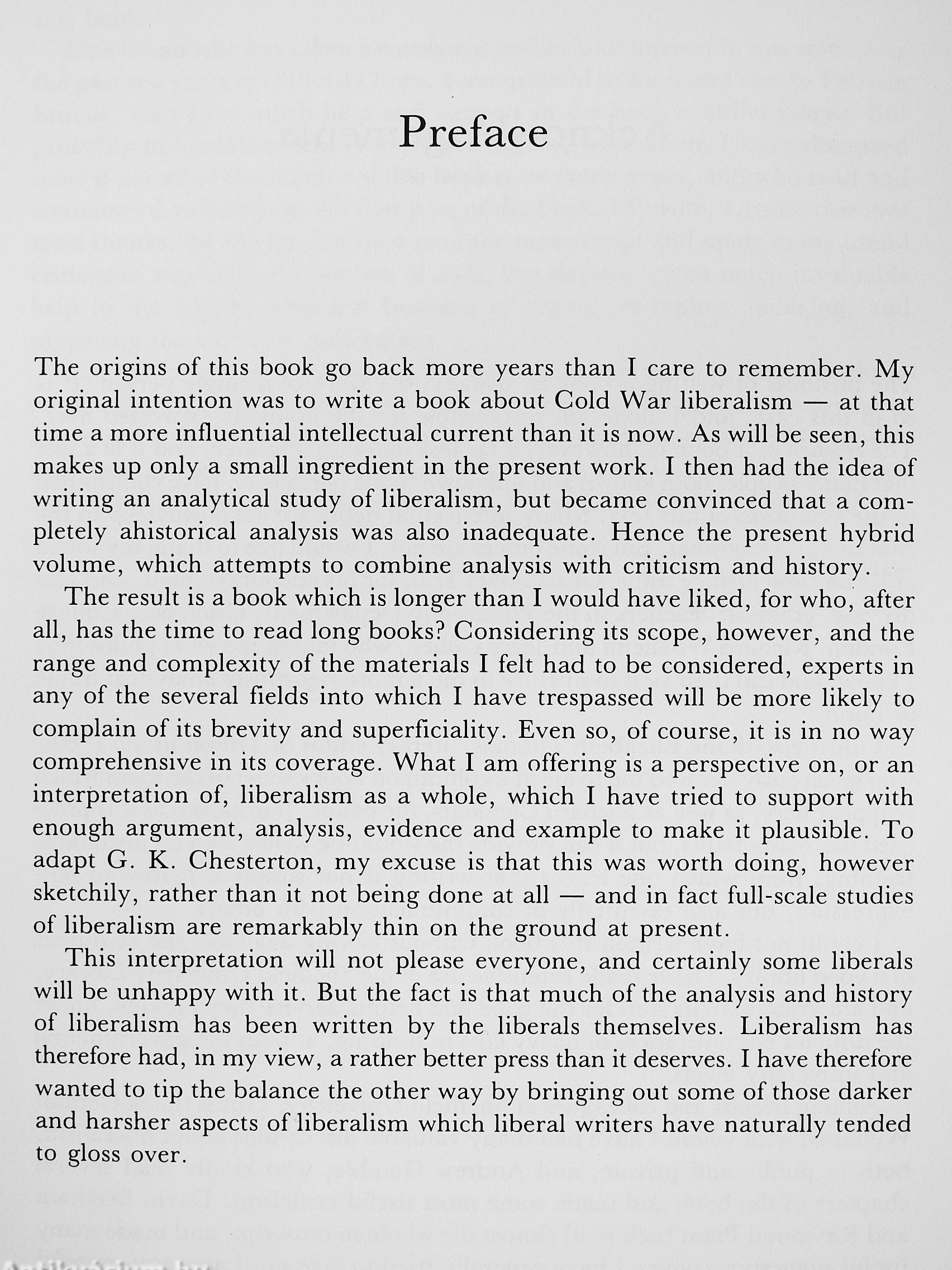
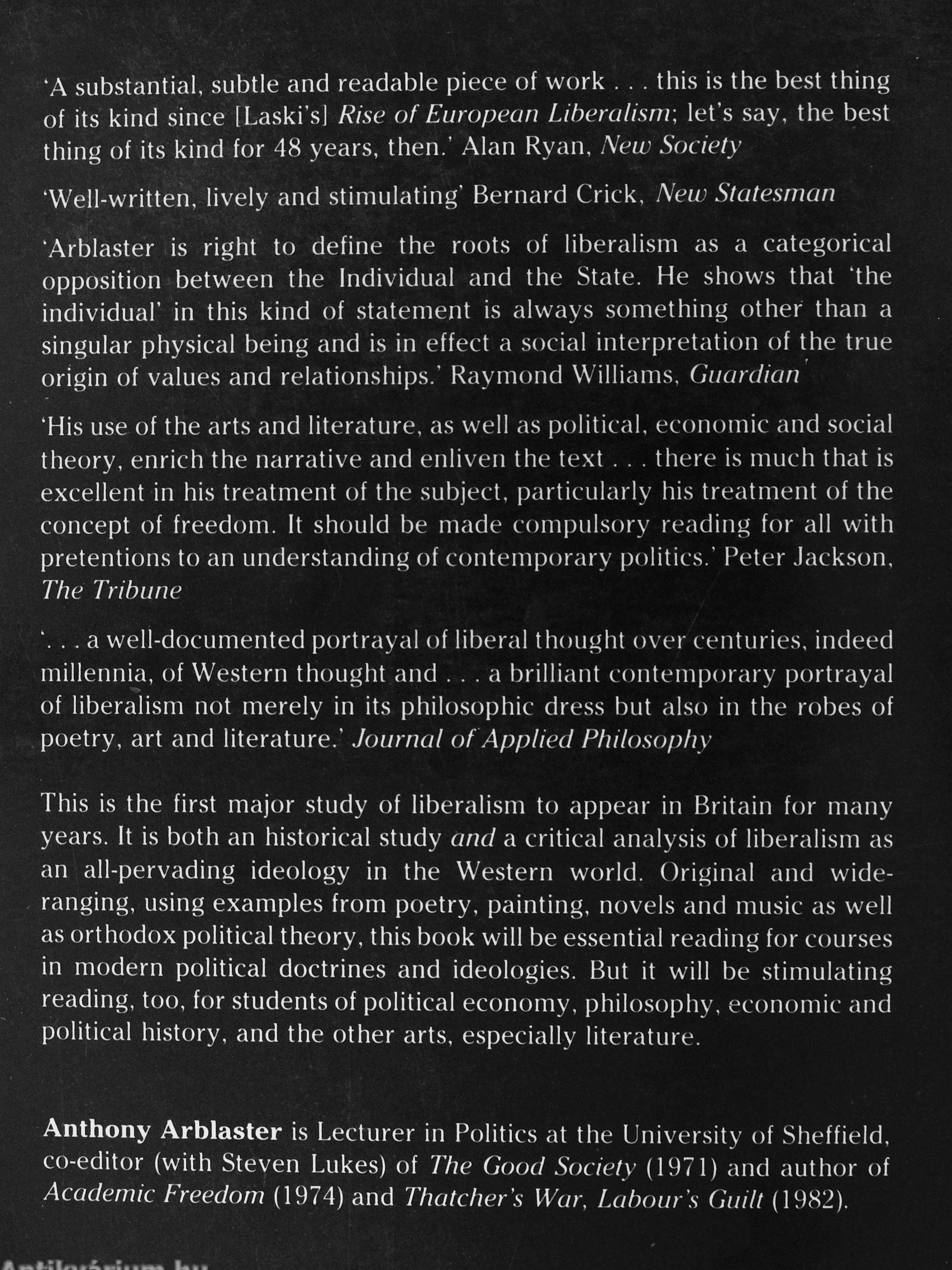
Fülszöveg
'A substantial, subtle and readable piece of work . . . this is the best thing of its kind since [Laski's] Rise of European Uherulism\ let's say, the best thing of its kind for 48 years, then.' Alan Ryan, New Society
'Well-written, lively and stimulating' Bernard Crick, New Statesman
•Arblaster is right to define the roots of liberalism as a categorical opposition between the Individual and the State. He shows that "the individual' in this kind of statement is always something other than a singular physical being and is in effect a social interpretation of the true origin of values and relationships.' Raymond Williams. Guardian
'His use of the arts and literature, as well as political, economic and social theory, enrich the narrative and enliven the text . . . there is much that is excellent in his treatment of the subject, particularly his treatment of the concept of freedom. It should be made compulsory reading for all with pretentions to an understanding of contemporary... Tovább
Fülszöveg
'A substantial, subtle and readable piece of work . . . this is the best thing of its kind since [Laski's] Rise of European Uherulism\ let's say, the best thing of its kind for 48 years, then.' Alan Ryan, New Society
'Well-written, lively and stimulating' Bernard Crick, New Statesman
•Arblaster is right to define the roots of liberalism as a categorical opposition between the Individual and the State. He shows that "the individual' in this kind of statement is always something other than a singular physical being and is in effect a social interpretation of the true origin of values and relationships.' Raymond Williams. Guardian
'His use of the arts and literature, as well as political, economic and social theory, enrich the narrative and enliven the text . . . there is much that is excellent in his treatment of the subject, particularly his treatment of the concept of freedom. It should be made compulsory reading for all with pretentions to an understanding of contemporary politics.' Peter Jackson. The Tribune
" a well-documented portrayal of liberal thought over centuries, indeed millennia, of Western thought and a brilliant contemporary portrayal of liberalism not merely in its philosophic dress but also in the robes of poetry, art and literature.' Journal of Applied Philosophy
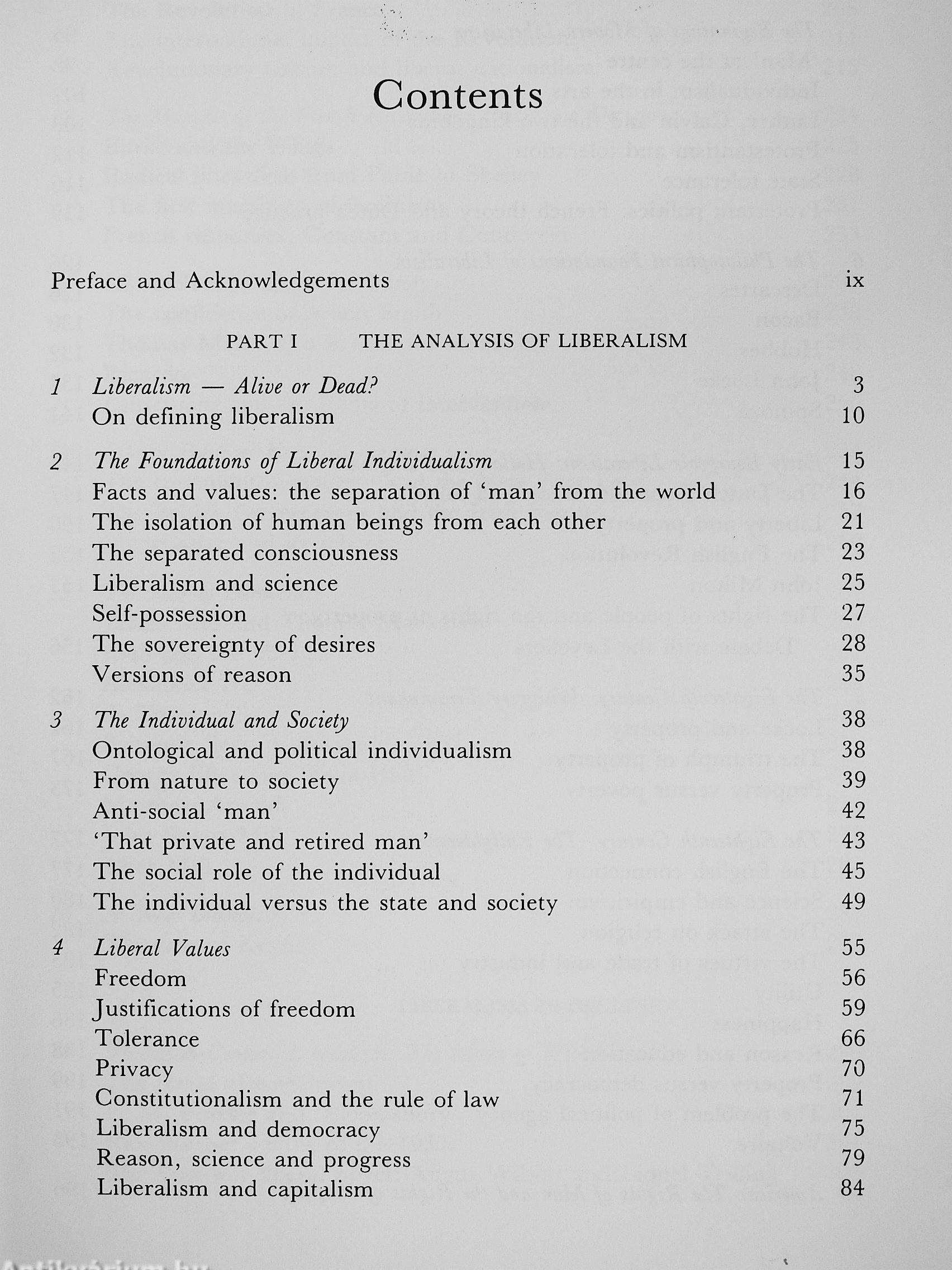
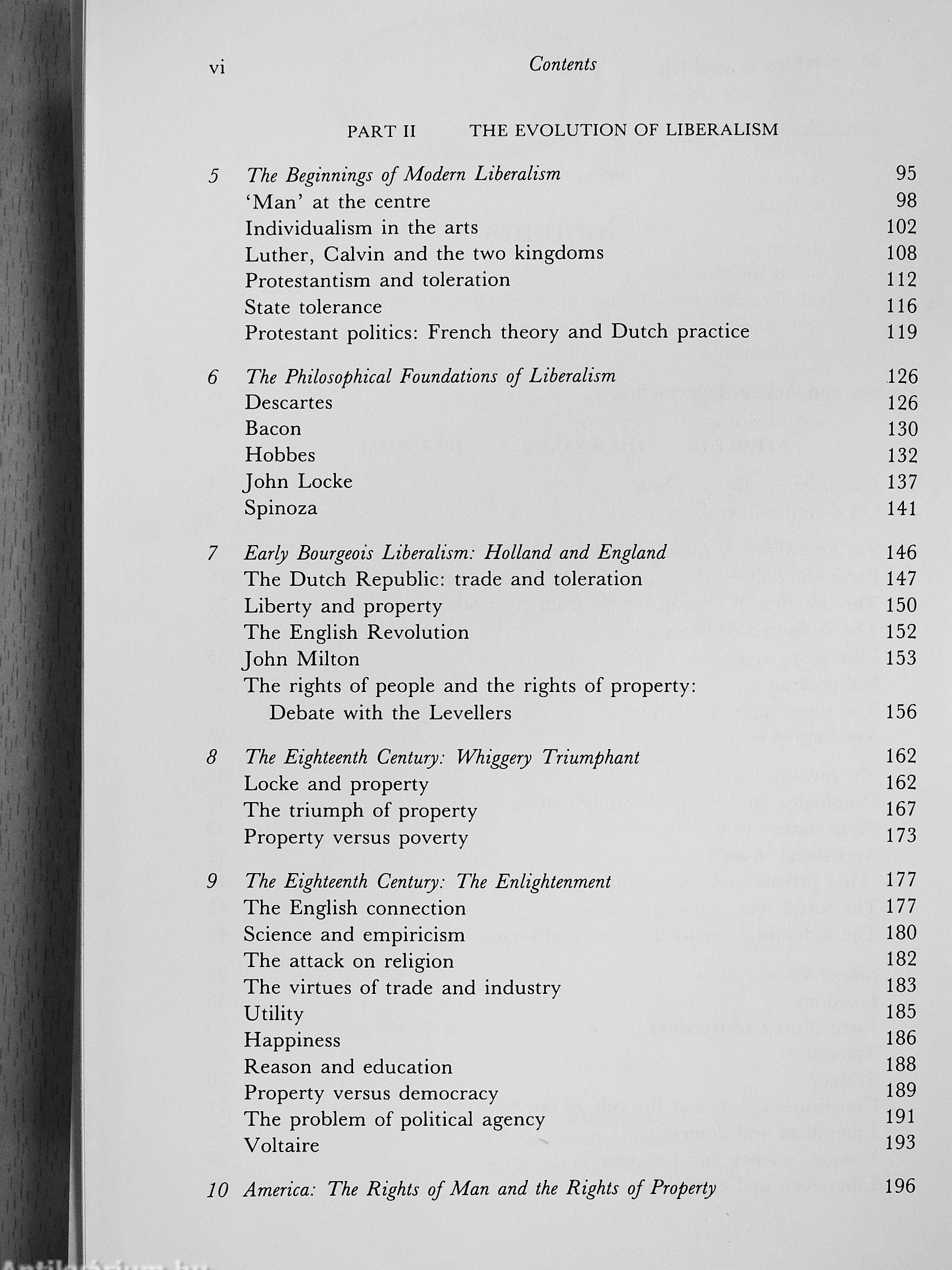
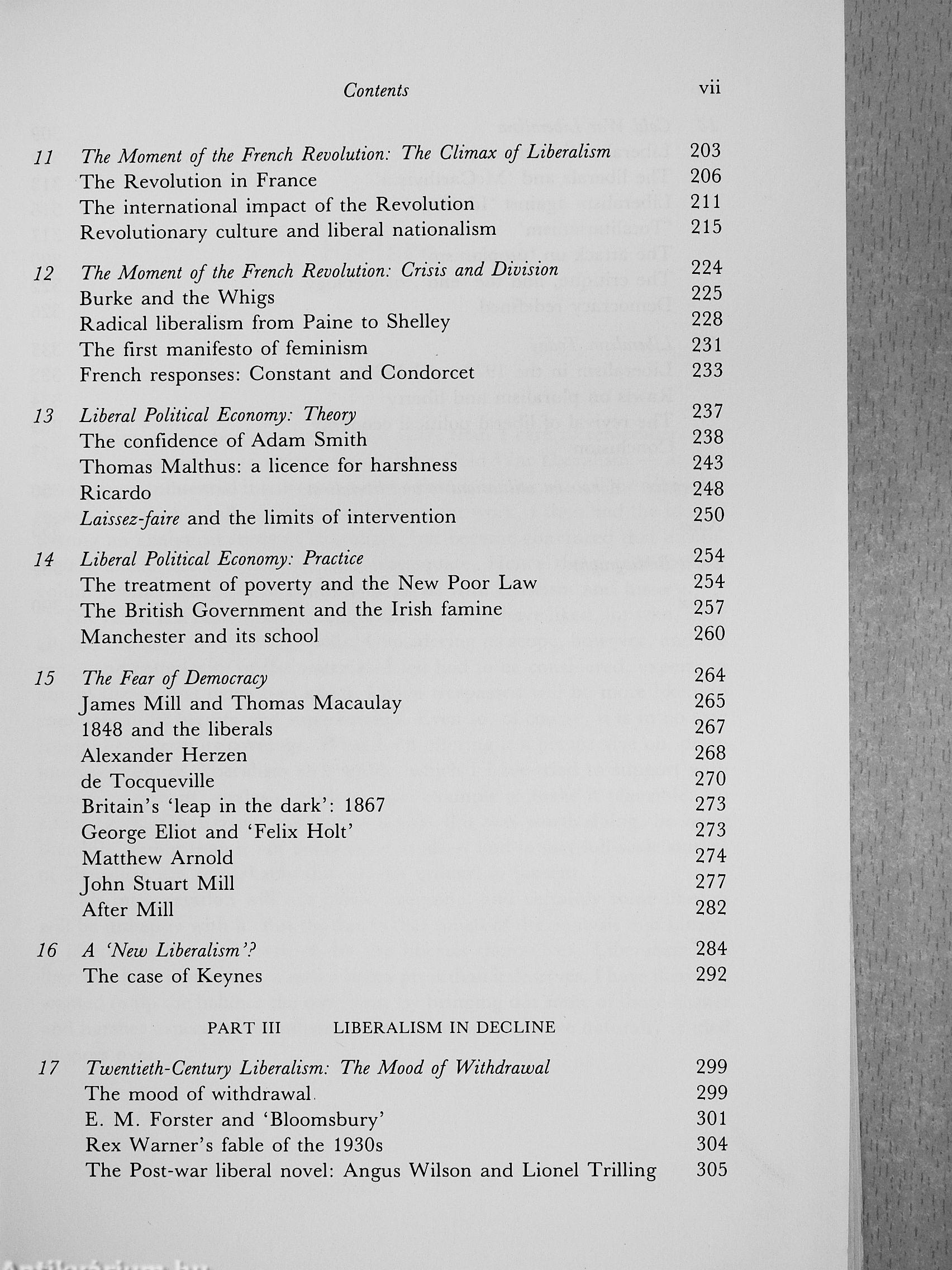
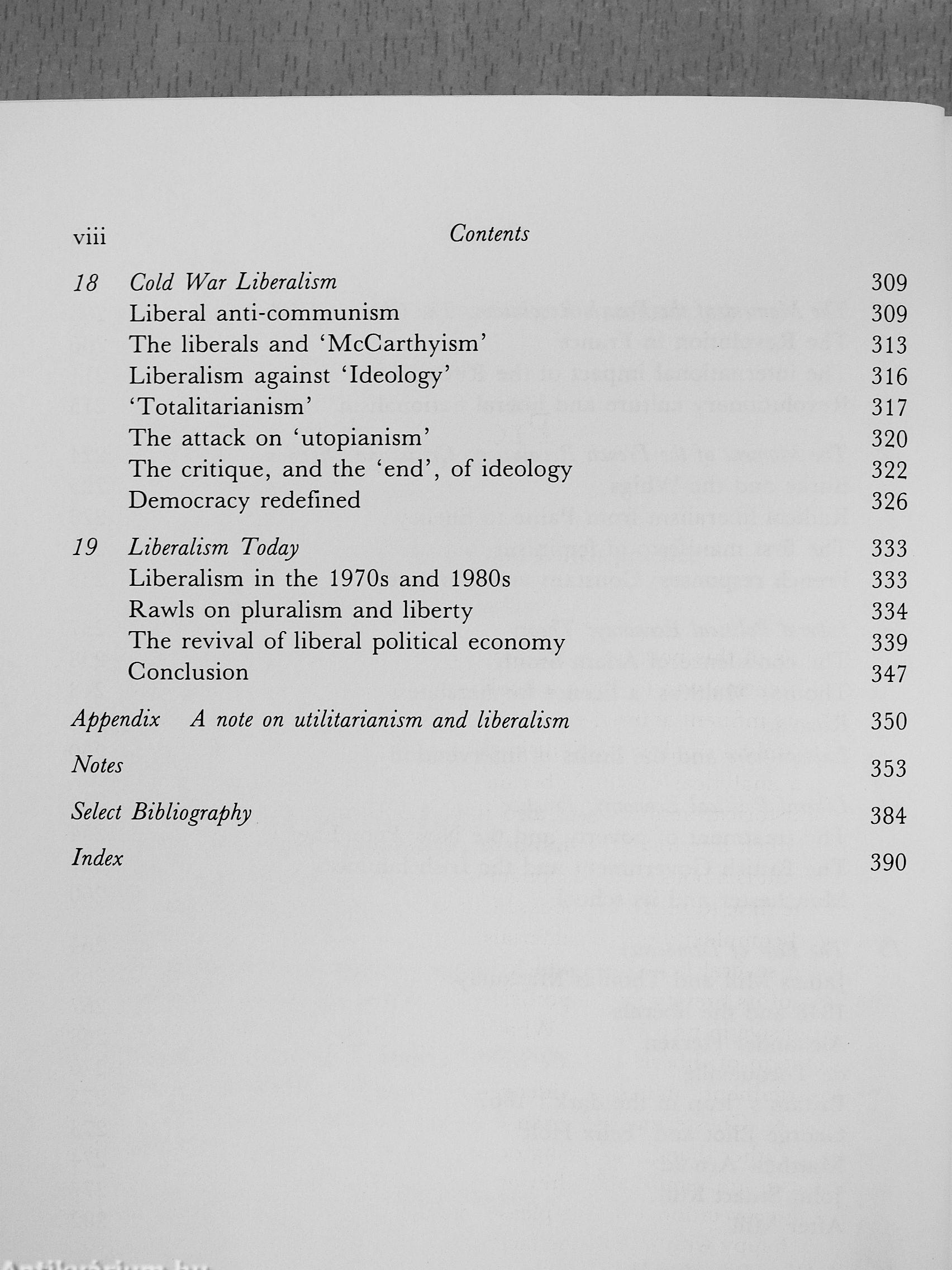
This is the first major study of liberalism to appear in Britain for many years, it is both an historical study and a critical analysis of liberali.sm as an all-pervading ideology in the Western world. Original and wide-ranging, using examples from poetry, painting, novels and music as well as orthodox political theory, this book will be essential reading for courses in modern political doctrines and ideologies. But it will be stimulating reading, too, for students of political economy, philosophy, economic and political history, and the other arts, especially literature.
Anthony Arblaster is Lecturer in Politics at the University of Sheffield, co-editor (with Steven Lukes) of The Good Society (1971) and author of Academic Freedom (1974) and Thatcher's War, Labour's G///// (1982). Vissza
Témakörök
- Idegennyelv > Idegennyelvű könyvek > Angol > Művelődéstörténet
- Idegennyelv > Idegennyelvű könyvek > Angol > Történelem > Egyéb
- Művelődéstörténet > Eszmetörténet > Történelem > Politika
- Történelem > Idegennyelvű > Angol
- Történelem > Legújabb kor > Egyéb
- Történelem > Politika > Ideológiák > Egyéb
- Történelem > Újkor > Egyéb

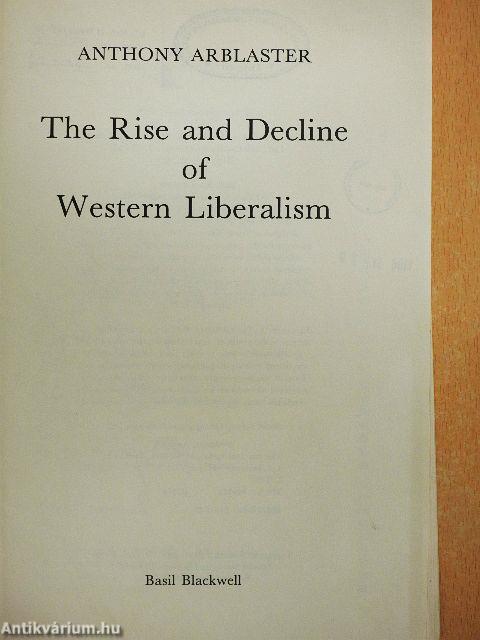
Anthony Arblaster
Anthony Arblaster műveinek az Antikvarium.hu-n kapható vagy előjegyezhető listáját itt tekintheti meg: Anthony Arblaster könyvek, művekMegvásárolható példányok
Állapotfotók
Állapot:
Jó
8.980 ,-Ft
45
pont kapható
Kosárba
 Folytatás Microsoft-tal