
1.150.582
kiadvánnyal nyújtjuk Magyarország legnagyobb antikvár könyv-kínálatát

Windows
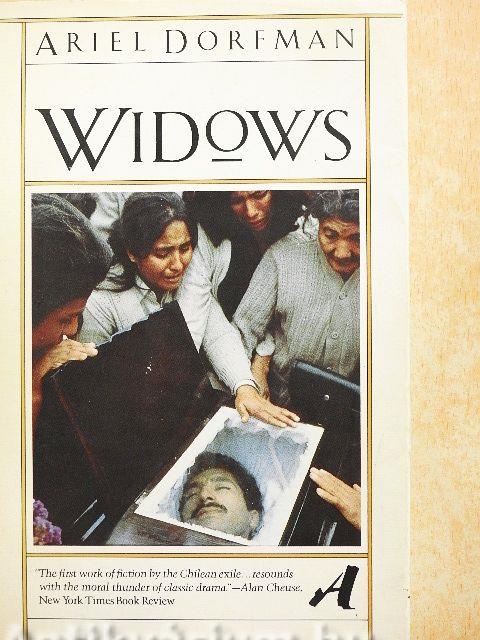
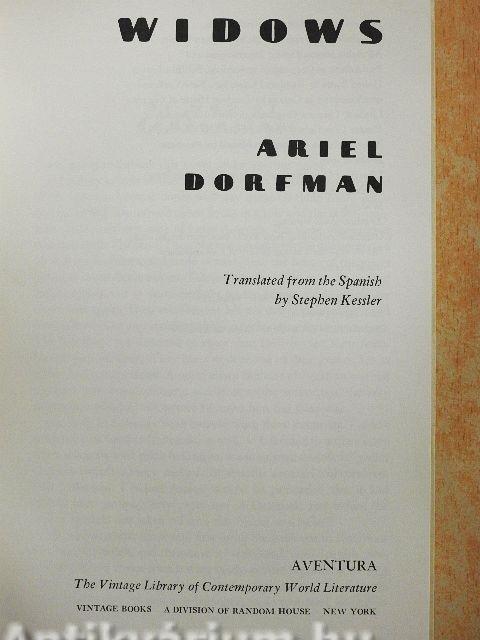
New York
| Kiadó: | Vintage Books |
|---|---|
| Kiadás helye: | New York |
| Kiadás éve: | |
| Kötés típusa: | Ragasztott papírkötés |
| Oldalszám: | 146 oldal |
| Sorozatcím: | Aventura-The Vintage Library of Contemporary World Literature |
| Kötetszám: | |
| Nyelv: | Angol |
| Méret: | 20 cm x 13 cm |
| ISBN: | 0-394-71108-4 |
Értesítőt kérek a kiadóról
Értesítőt kérek a sorozatról
A beállítást mentettük,
naponta értesítjük a beérkező friss
kiadványokról
naponta értesítjük a beérkező friss
kiadványokról
A beállítást mentettük,
naponta értesítjük a beérkező friss
kiadványokról
naponta értesítjük a beérkező friss
kiadványokról
Előszó
Tovább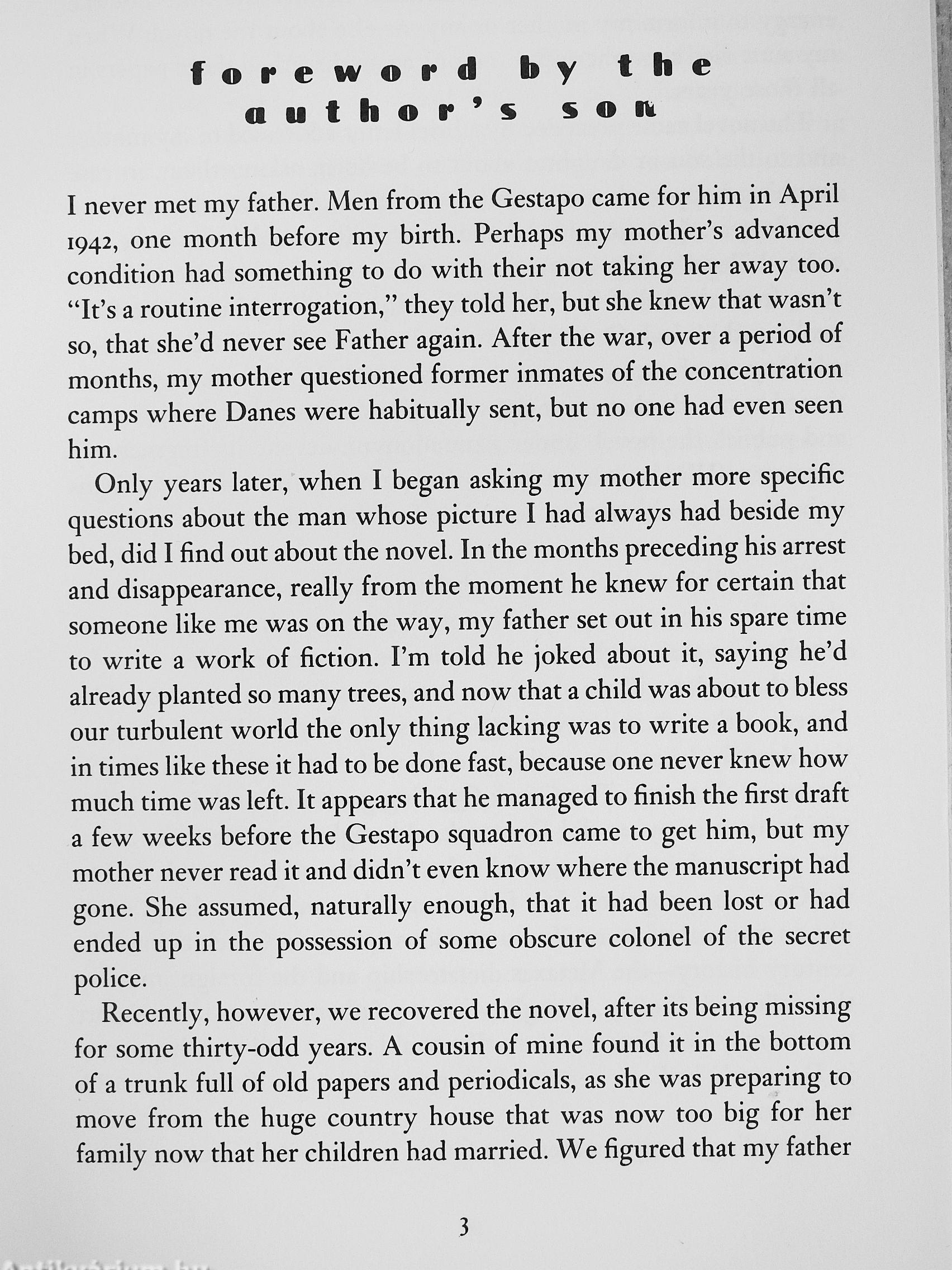
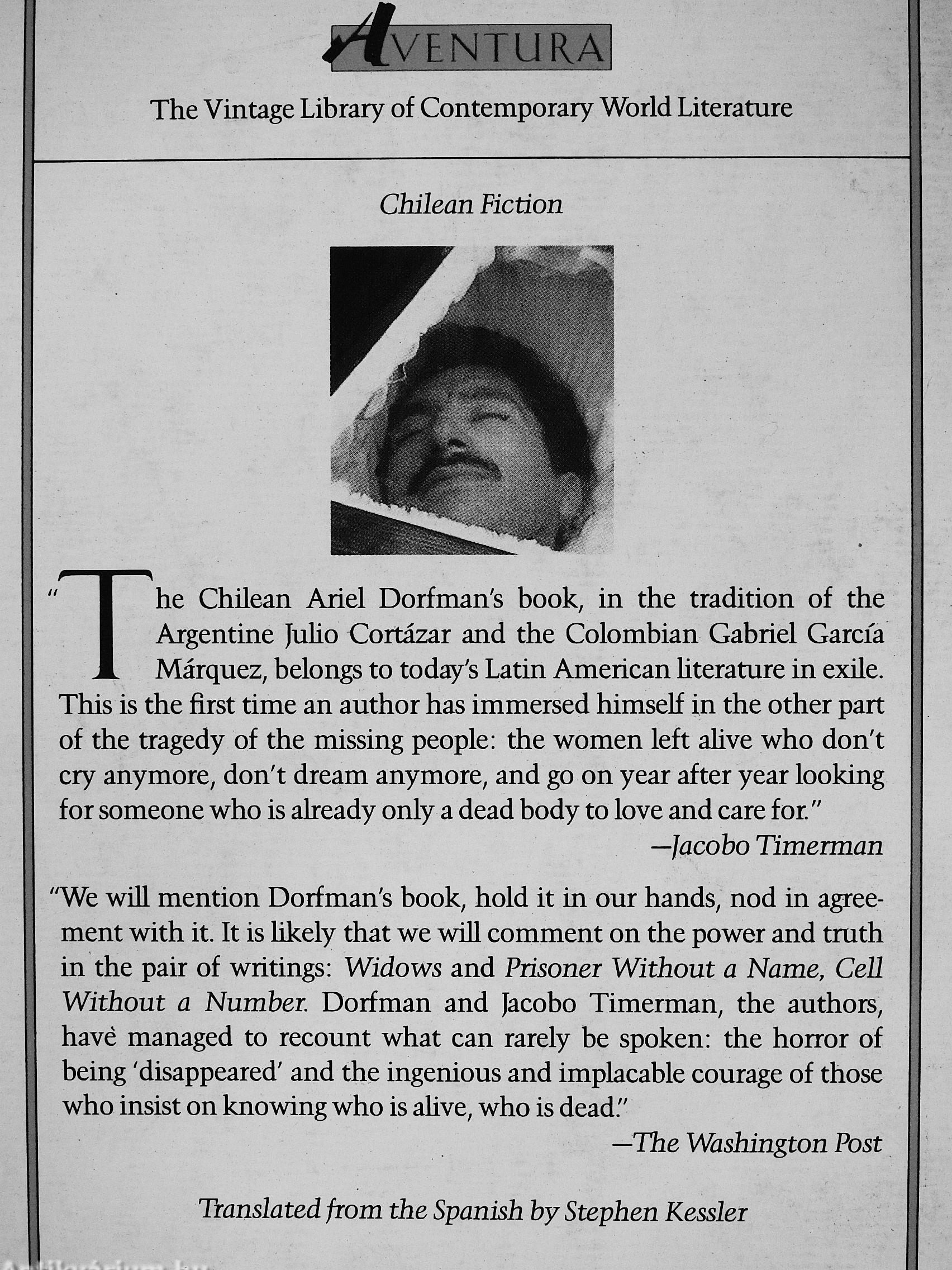
Fülszöveg
VENTURA
The Vüitage Library of Contemporary World Literature
Chilean Fiction
I
I he Chilean Ariel Dorfman's book, in the tradition of the I Argentine Julio Cortázar and the Colombian Gabriel Garcia X Márquez, belongs to today's Latin American literature in exile. This is the first time an author has immersed himself in the other part of the tragedy of the missing people: the women left alive v^ho don't cry anymore, don't dream anymore, and go on year after year looking for someone who is already only a dead body to love and care for."
—Jacobo Timerman
"We will mention Dorfman's book, hold it in our hands, nod in agreement with it. It is likely that we will comment on the power and truth in the pair of writings: Widows and Prisoner Without a Name, Cell Without a Number. Dorfman and Jacobo Timerman, the authors, havé managed to recount what can rarely he spoken: the horror of being 'disappeared' and the ingenious and implacable courage of those who insist on knowing who is... Tovább
Fülszöveg
VENTURA
The Vüitage Library of Contemporary World Literature
Chilean Fiction
I
I he Chilean Ariel Dorfman's book, in the tradition of the I Argentine Julio Cortázar and the Colombian Gabriel Garcia X Márquez, belongs to today's Latin American literature in exile. This is the first time an author has immersed himself in the other part of the tragedy of the missing people: the women left alive v^ho don't cry anymore, don't dream anymore, and go on year after year looking for someone who is already only a dead body to love and care for."
—Jacobo Timerman
"We will mention Dorfman's book, hold it in our hands, nod in agreement with it. It is likely that we will comment on the power and truth in the pair of writings: Widows and Prisoner Without a Name, Cell Without a Number. Dorfman and Jacobo Timerman, the authors, havé managed to recount what can rarely he spoken: the horror of being 'disappeared' and the ingenious and implacable courage of those who insist on knowing who is ahve, who is dead."
—The Washington Post
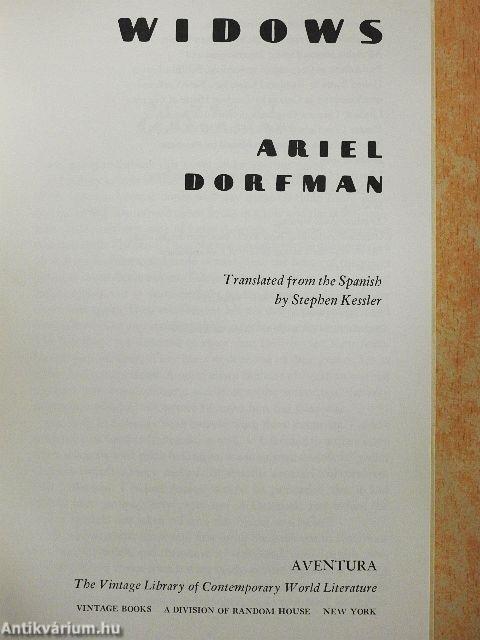
Uranslated from the Spanish by Stephen Kessler
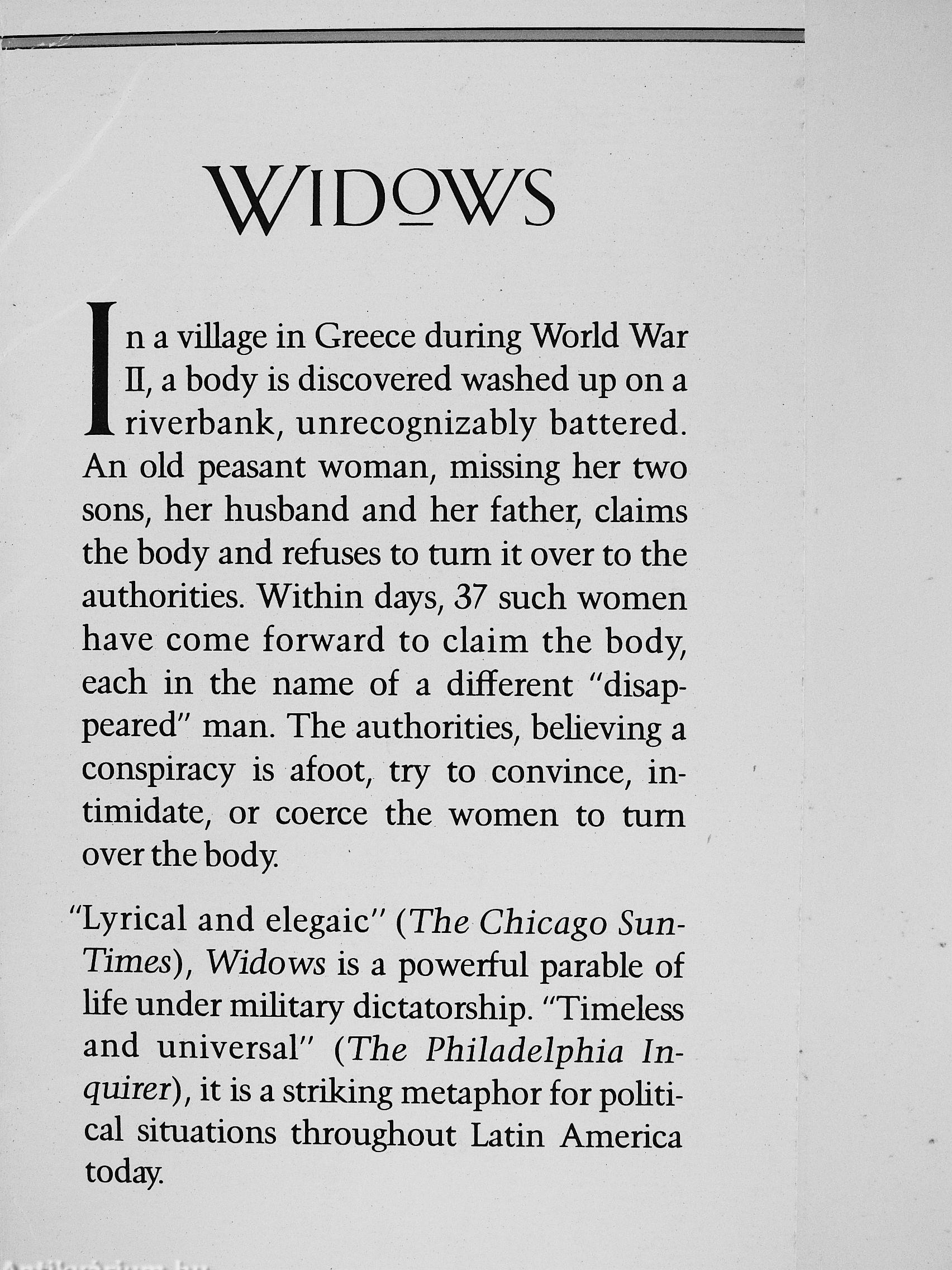
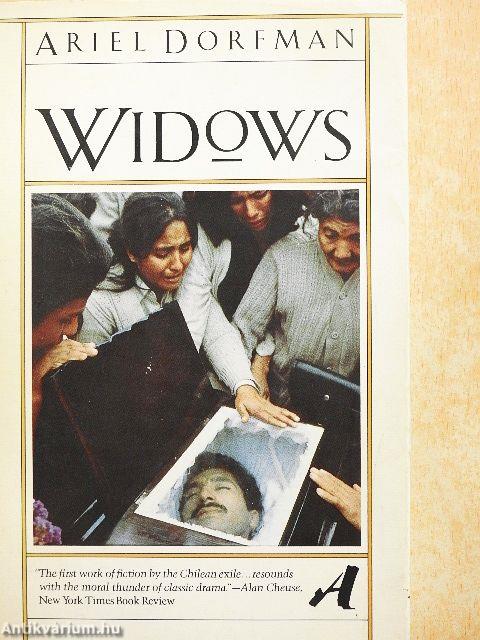
WIDOWS
In a village in Greece during World War n, a body is discovered washed up on a riverbank, unrecognizably battered. An old peasant woman, missing her two sons, her husband and her father, claims the body and refuses to turn it over to the authorities. Within days, 37 such women have come forward to claim the body, each in the name of a different "disappeared" man. The authorities, believing a conspiracy is afoot, try to convince, intimidate, or coerce the women to turn over the body.
"Lyrical and elegaic" (The Chicago Sun-Times), Widows is a powerful parable of life under military dictatorship. "Timeless and universal" (The Philadelphia Inquirer), it is a striking metaphor for political situations throughout Latin America today Vissza
Témakörök
- Idegennyelv > Idegennyelvű könyvek > Angol > Szépirodalom > Regény, novella, elbeszélés
- Szépirodalom > Regény, novella, elbeszélés > Az író származása szerint > Amerika > Chile
- Szépirodalom > Regény, novella, elbeszélés > Tartalom szerint > Családregények
- Szépirodalom > Regény, novella, elbeszélés > Tartalom szerint > Lélektani regények
- Szépirodalom > Regény, novella, elbeszélés > Tartalom szerint > Háborús történetek
Ariel Dorfman
Ariel Dorfman műveinek az Antikvarium.hu-n kapható vagy előjegyezhető listáját itt tekintheti meg: Ariel Dorfman könyvek, művekMegvásárolható példányok
Állapotfotók
Átlagos állapotú példány.
Állapot:
Jó
2.840 ,-Ft
14
pont kapható
Kosárba
 Folytatás Microsoft-tal