
1.153.464
kiadvánnyal nyújtjuk Magyarország legnagyobb antikvár könyv-kínálatát

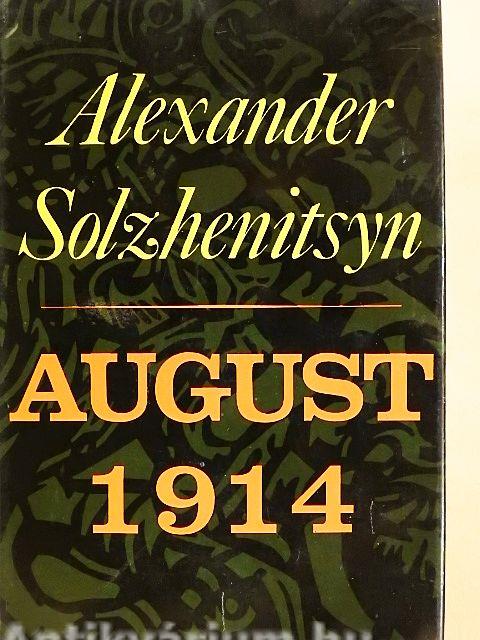
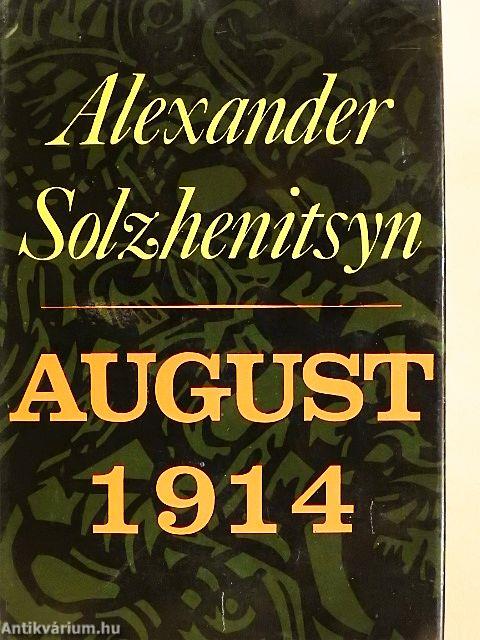
August 1914
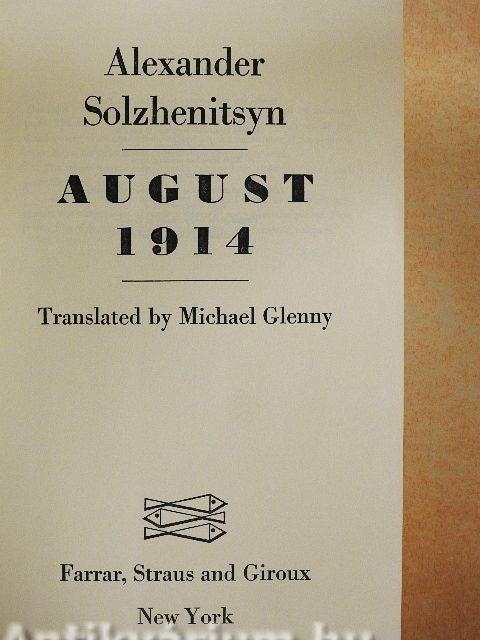
New York
| Kiadó: | Farrar, Straus and Giroux |
|---|---|
| Kiadás helye: | New York |
| Kiadás éve: | |
| Kötés típusa: | Vászon |
| Oldalszám: | 622 oldal |
| Sorozatcím: | |
| Kötetszám: | |
| Nyelv: | Angol |
| Méret: | 24 cm x 15 cm |
| ISBN: | 0-374-10684-3 |
Értesítőt kérek a kiadóról
A beállítást mentettük,
naponta értesítjük a beérkező friss
kiadványokról
naponta értesítjük a beérkező friss
kiadványokról
A beállítást mentettük,
naponta értesítjük a beérkező friss
kiadványokról
naponta értesítjük a beérkező friss
kiadványokról
Előszó
Tovább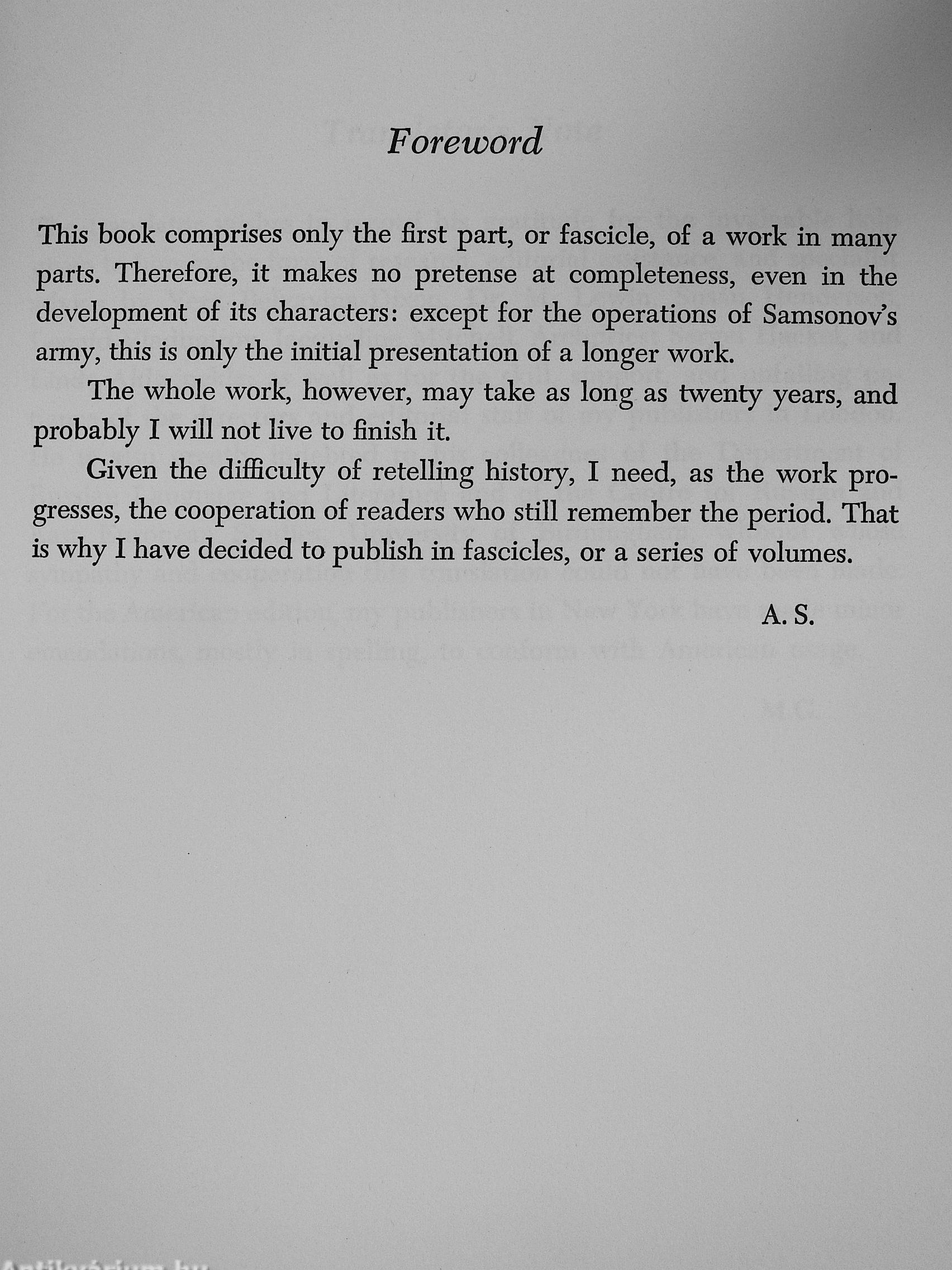
Fülszöveg
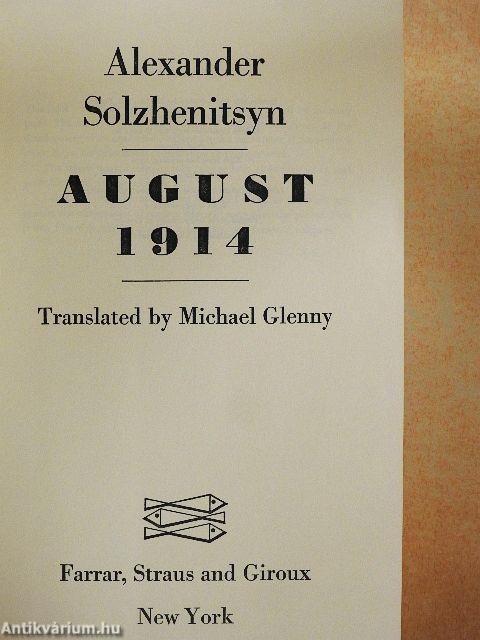
Alexander Solzhenitsyn
AUGUST 1914
Translated by Michael Glenny
"The general concept of this novel," the author has written, "came to my mind in 1936, when I was just leaving secondary school. Since then I have never parted from it, regarding it as the chief artistic design of my life." He has also said he considers the previous books he has published minor to this—"a result of the oddities of my life story . . ."
August 1914, the first part of this major work, is set at the outbreak of the First World War, and its moral concern is to establish the responsibility for Russia's defeat in the battle of Tannenberg. Limiting itself to the opening two weeks of the war, the novel describes the Russian offensive into East Prussia, which resulted in the encirclement and defeat of General Samsonov's Second Army by Hindenburg. This disaster revealed the dry rot at the core of Tsarism and hastened its downfall.
The main theme is filled out by a great cross-section of characters, both... Tovább
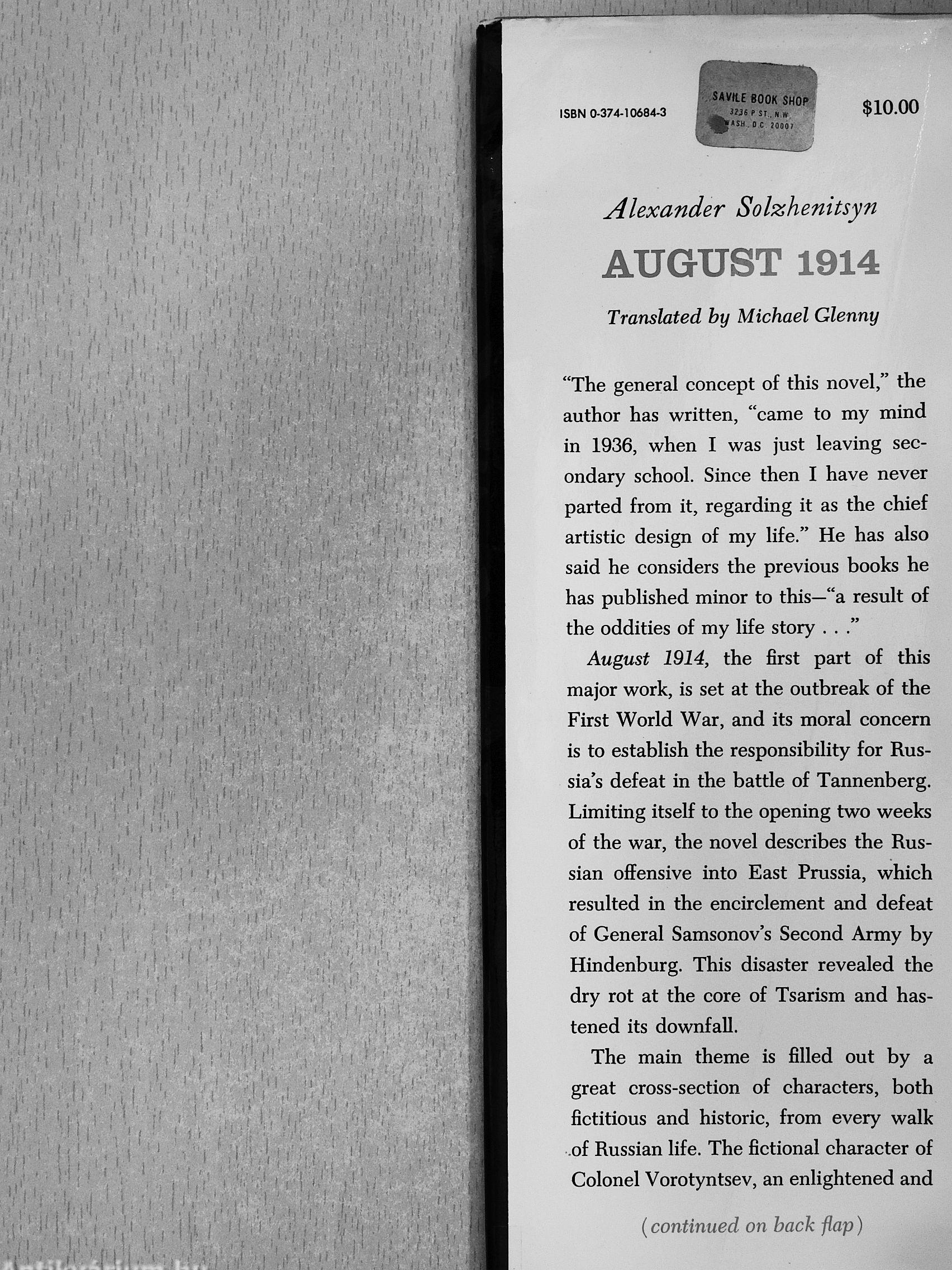
Fülszöveg
Alexander Solzhenitsyn
AUGUST 1914
Translated by Michael Glenny
"The general concept of this novel," the author has written, "came to my mind in 1936, when I was just leaving secondary school. Since then I have never parted from it, regarding it as the chief artistic design of my life." He has also said he considers the previous books he has published minor to this—"a result of the oddities of my life story . . ."
August 1914, the first part of this major work, is set at the outbreak of the First World War, and its moral concern is to establish the responsibility for Russia's defeat in the battle of Tannenberg. Limiting itself to the opening two weeks of the war, the novel describes the Russian offensive into East Prussia, which resulted in the encirclement and defeat of General Samsonov's Second Army by Hindenburg. This disaster revealed the dry rot at the core of Tsarism and hastened its downfall.
The main theme is filled out by a great cross-section of characters, both fictitious and historic, from every walk of Russian life. The fictional character of Colonel Vorotyntsev, an enlightened and
(continued on back flap)
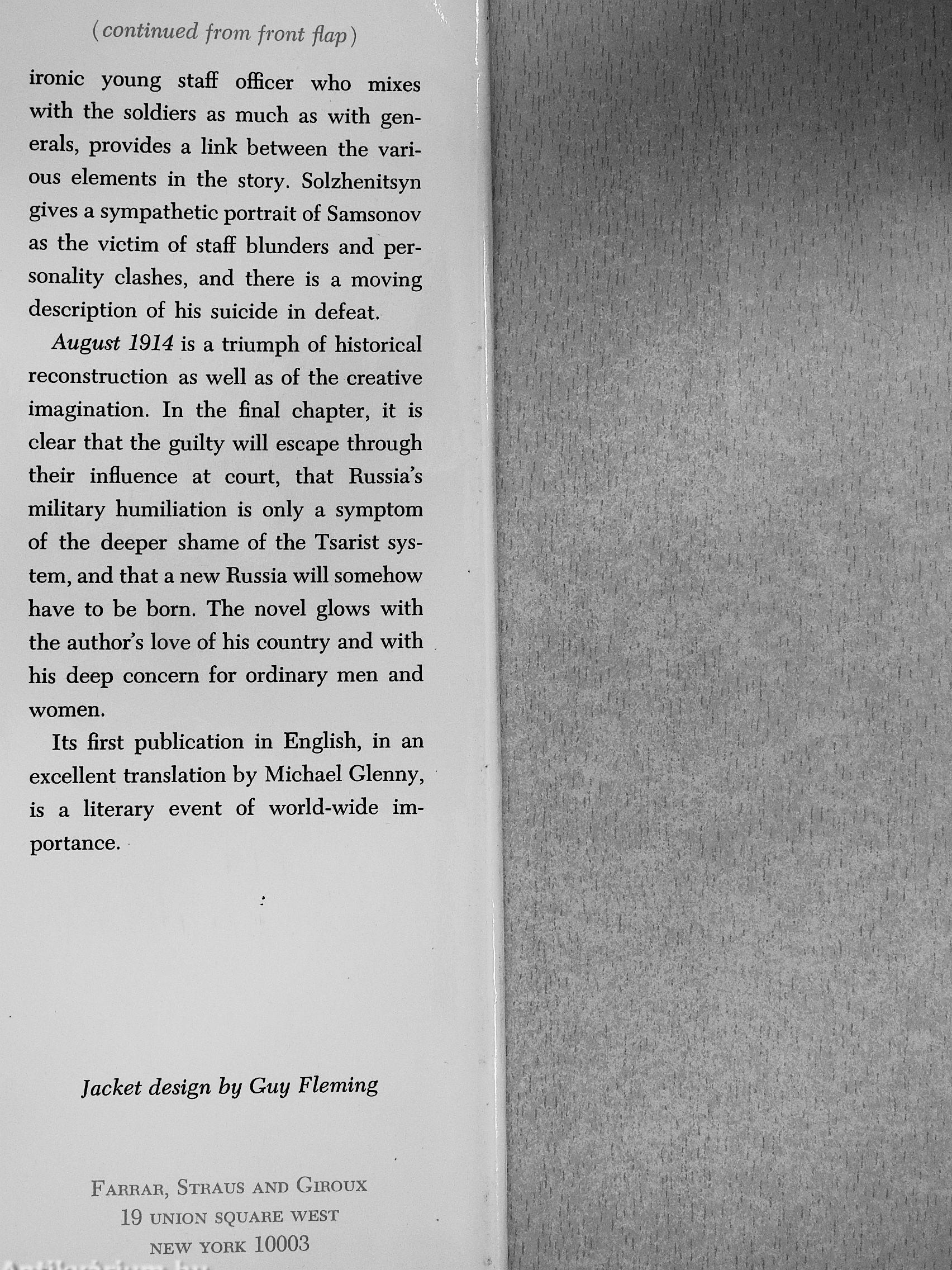
{continued from front flap)
ironic young staff officer who mixes with the soldiers as much as with generals, provides a link between the vari- ^ ous elements in the story. Solzhenitsyn gives a sympathetic portrait of Samsonov as the victim of staff blunders and personality clashes, and there is a moving description of his suicide in defeat.
August 1914 is a triumph of historical reconstruction as well as of the creative imagination. In the final chapter, it is clear that the guilty will escape through their influence at court, that Russia's military humiliation is only a symptom of the deeper shame of the Tsarist system, and that a new Russia will somehow have to be born. The novel glows with the author s love of his country and with his deep concern for ordinary men and women.
Its first publication in English, in an excellent translation by Michael Glenny, is a literary event of world-wide importance.
Jacket design by Guy Fleming
Fabrar, Straus and Giroux 19 union square west new york 10003 Vissza
Témakörök
- Idegennyelv > Idegennyelvű könyvek > Angol > Szépirodalom > Regény, novella, elbeszélés
- Szépirodalom > Regény, novella, elbeszélés > Az író származása szerint > Európa > Orosz Föderáció
- Szépirodalom > Regény, novella, elbeszélés > Tartalom szerint > Történelmi regények > Legújabb kor > I. világháború
- Szépirodalom > Regény, novella, elbeszélés > Tartalom szerint > Háborús történetek
- Szépirodalom > Regény, novella, elbeszélés > Irodalmi díjas szerzők > Nobel-díjasok
Alexander Solzhenitsyn
Alexander Solzhenitsyn műveinek az Antikvarium.hu-n kapható vagy előjegyezhető listáját itt tekintheti meg: Alexander Solzhenitsyn könyvek, művekMegvásárolható példányok
Állapotfotók




A védőborító szakadt, amatőr módon javított, megerősített.
A felső lapélek színezettek.
Állapot:
Jó
3.980 ,-Ft
20
pont kapható
Kosárba
 Folytatás Microsoft-tal