
1.160.360
kiadvánnyal nyújtjuk Magyarország legnagyobb antikvár könyv-kínálatát

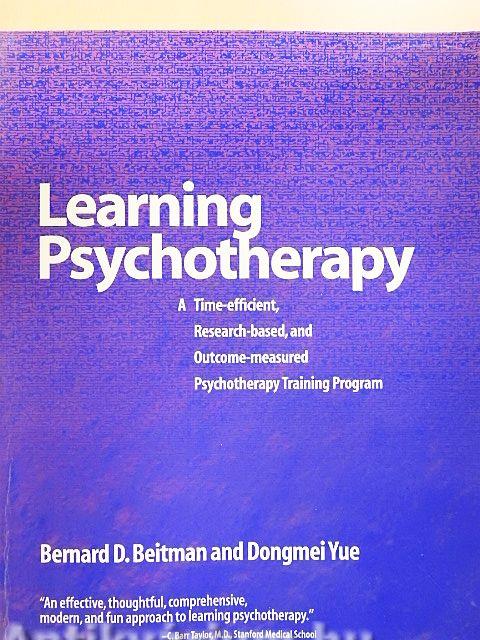
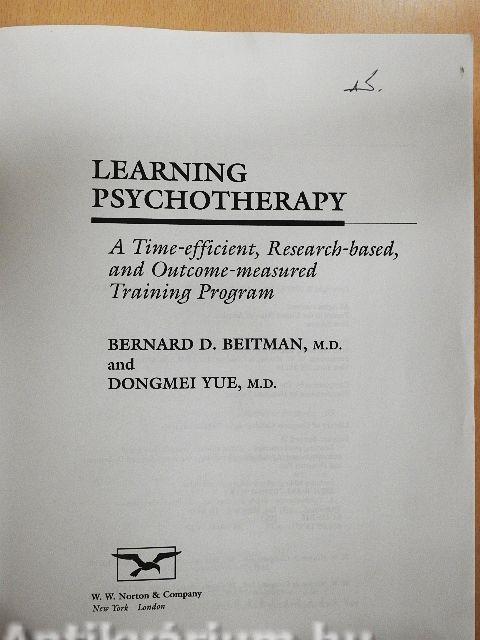
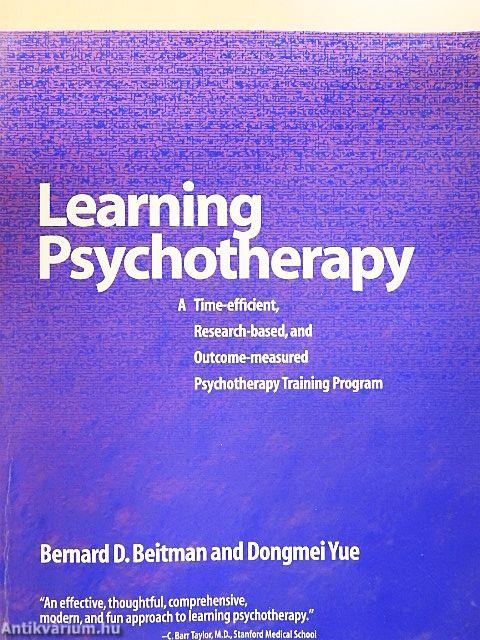
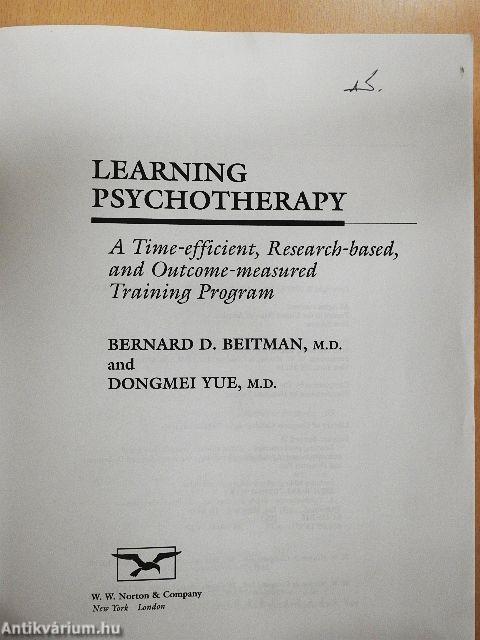
Learning Psychotherapy
A Time-efficient, Research-based, and Outcome-measured Psychotherapy Training Program
New York
| Kiadó: | W. W. Norton & Company |
|---|---|
| Kiadás helye: | New York |
| Kiadás éve: | |
| Kötés típusa: | Ragasztott papírkötés |
| Oldalszám: | 350 oldal |
| Sorozatcím: | |
| Kötetszám: | |
| Nyelv: | Angol |
| Méret: | 25 cm x 20 cm |
| ISBN: | 0-393-70296-0 |
Értesítőt kérek a kiadóról
A beállítást mentettük,
naponta értesítjük a beérkező friss
kiadványokról
naponta értesítjük a beérkező friss
kiadványokról
A beállítást mentettük,
naponta értesítjük a beérkező friss
kiadványokról
naponta értesítjük a beérkező friss
kiadványokról
Előszó
Tovább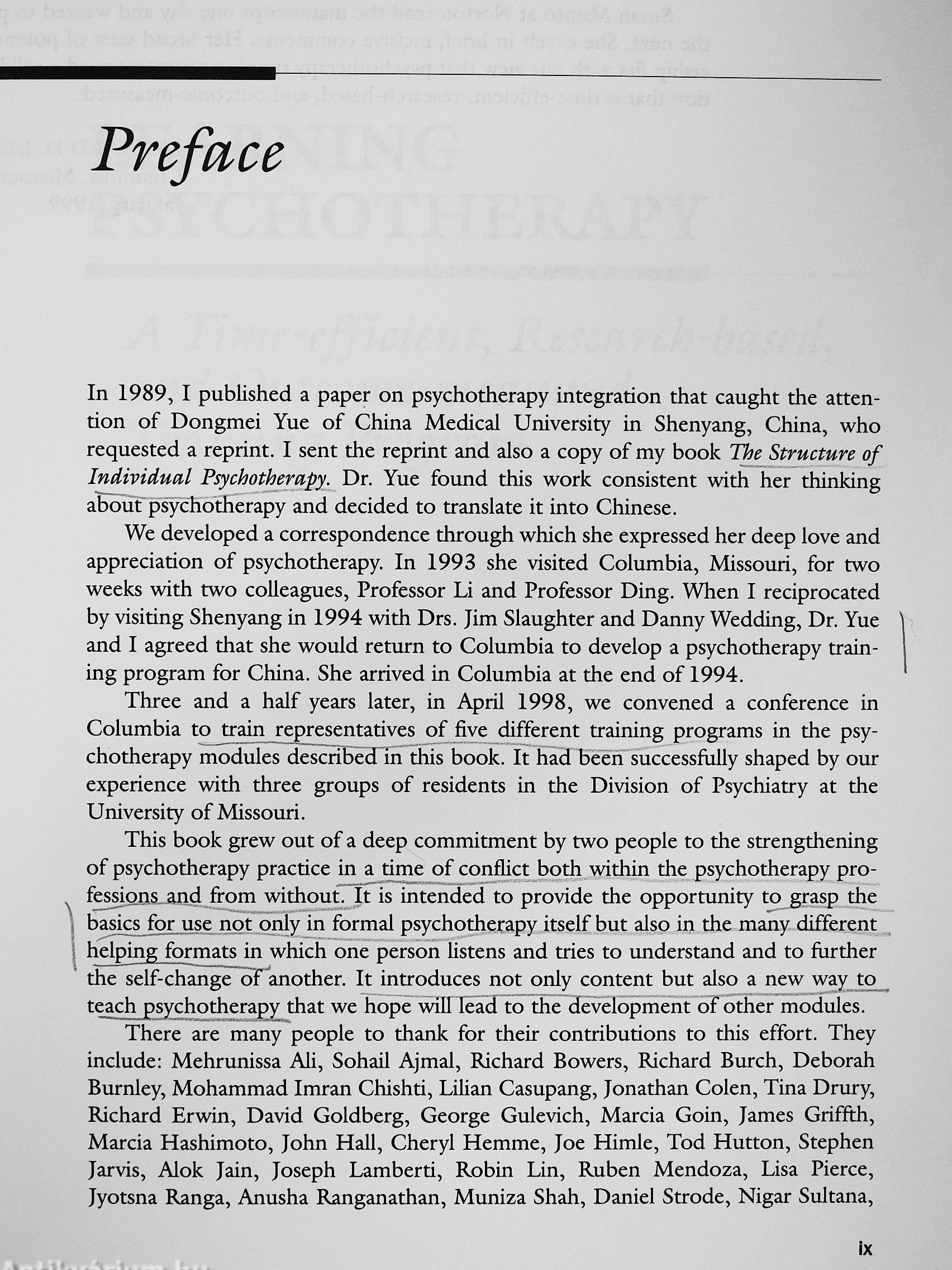
Fülszöveg
Psychotherapy is a crucial element in the nation's healthcare system; yet there is no standard introduction to its practice. Each training program finds its own, some- S times idiosyncratic, niche and is not called to the task of demonstrating effectiveness.: Those programs that offer structured training in key approaches tend not to present models that integrate the various schools. ,
This book, along With the accompanying Seminar Leader's Manual and Learning Psychotherapy Vignettes videotape, provides a much-needed foundation for training beginning psychotherapists in the crucial elements of psychotherapy. Unlike other programs, it is low on reading volume and high on homework. The homework includes rating transcripts according to standard research scales, discerning dysfunctional pat--terns from written and videotaped case vignettes, and analyzing transference and countertransference in actual sessions. ^ ^
Participants proceed through six modules: (1) verbal response... Tovább
Fülszöveg
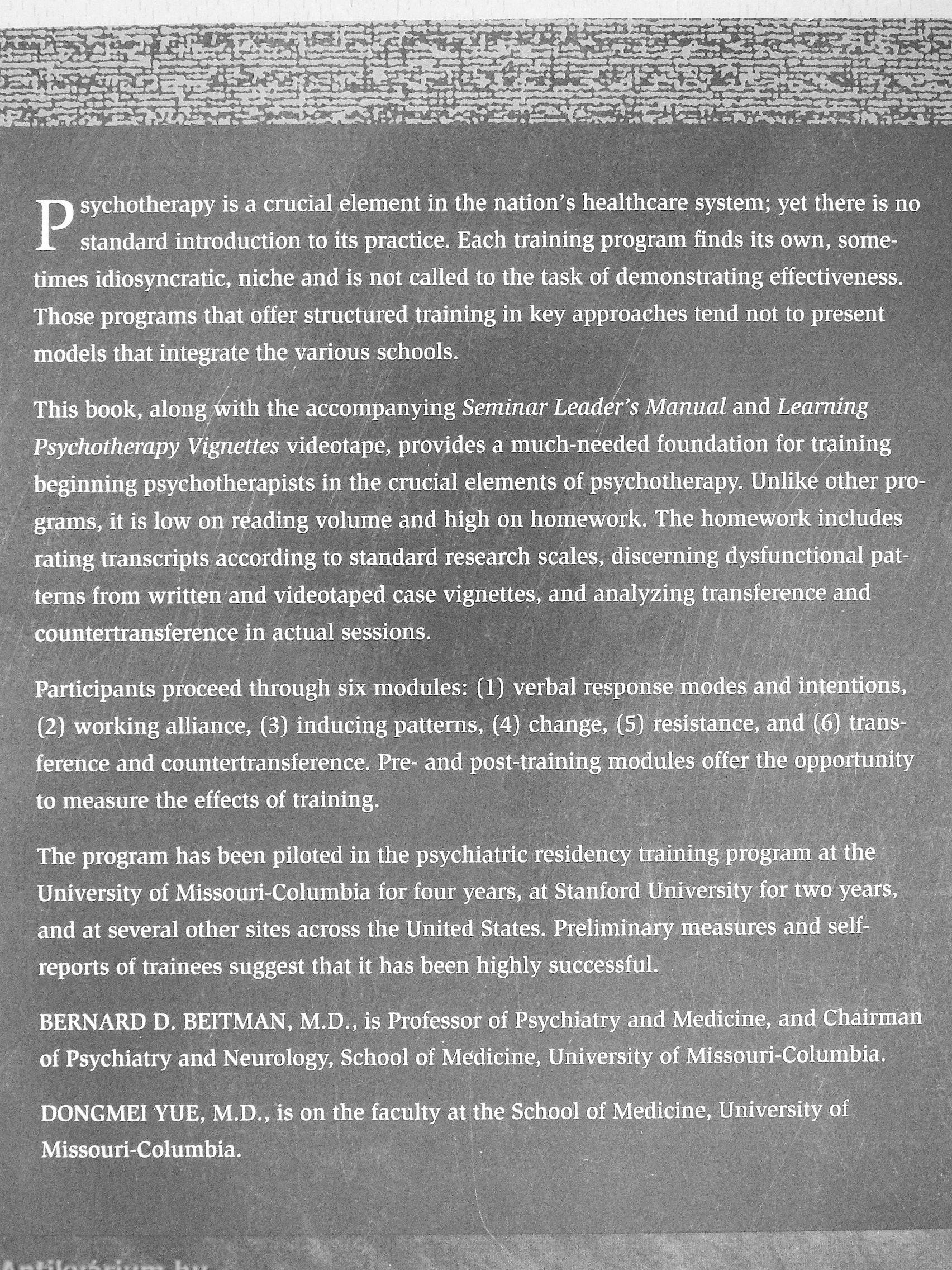
Psychotherapy is a crucial element in the nation's healthcare system; yet there is no standard introduction to its practice. Each training program finds its own, some- S times idiosyncratic, niche and is not called to the task of demonstrating effectiveness.: Those programs that offer structured training in key approaches tend not to present models that integrate the various schools. ,
This book, along With the accompanying Seminar Leader's Manual and Learning Psychotherapy Vignettes videotape, provides a much-needed foundation for training beginning psychotherapists in the crucial elements of psychotherapy. Unlike other programs, it is low on reading volume and high on homework. The homework includes rating transcripts according to standard research scales, discerning dysfunctional pat--terns from written and videotaped case vignettes, and analyzing transference and countertransference in actual sessions. ^ ^
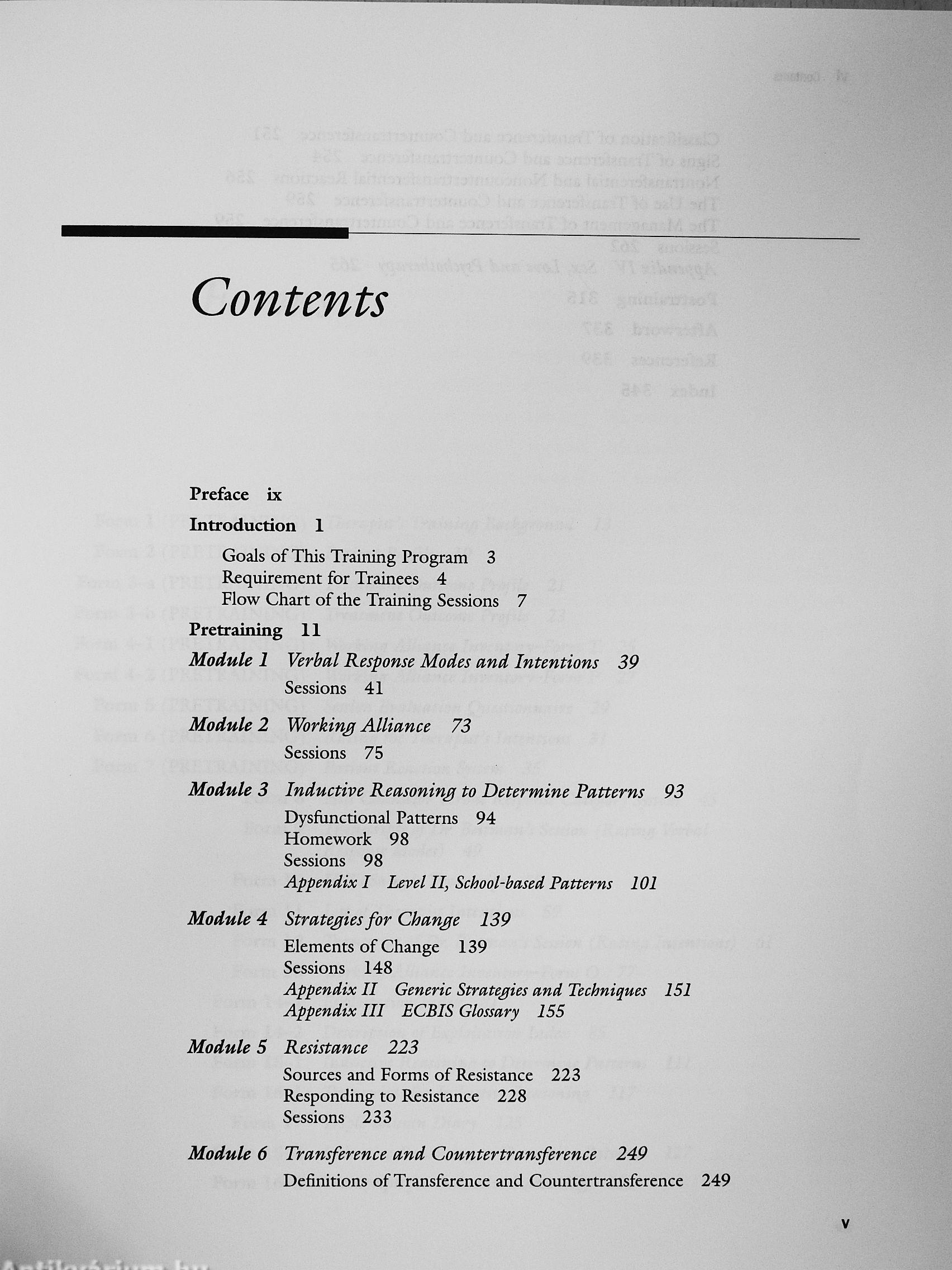
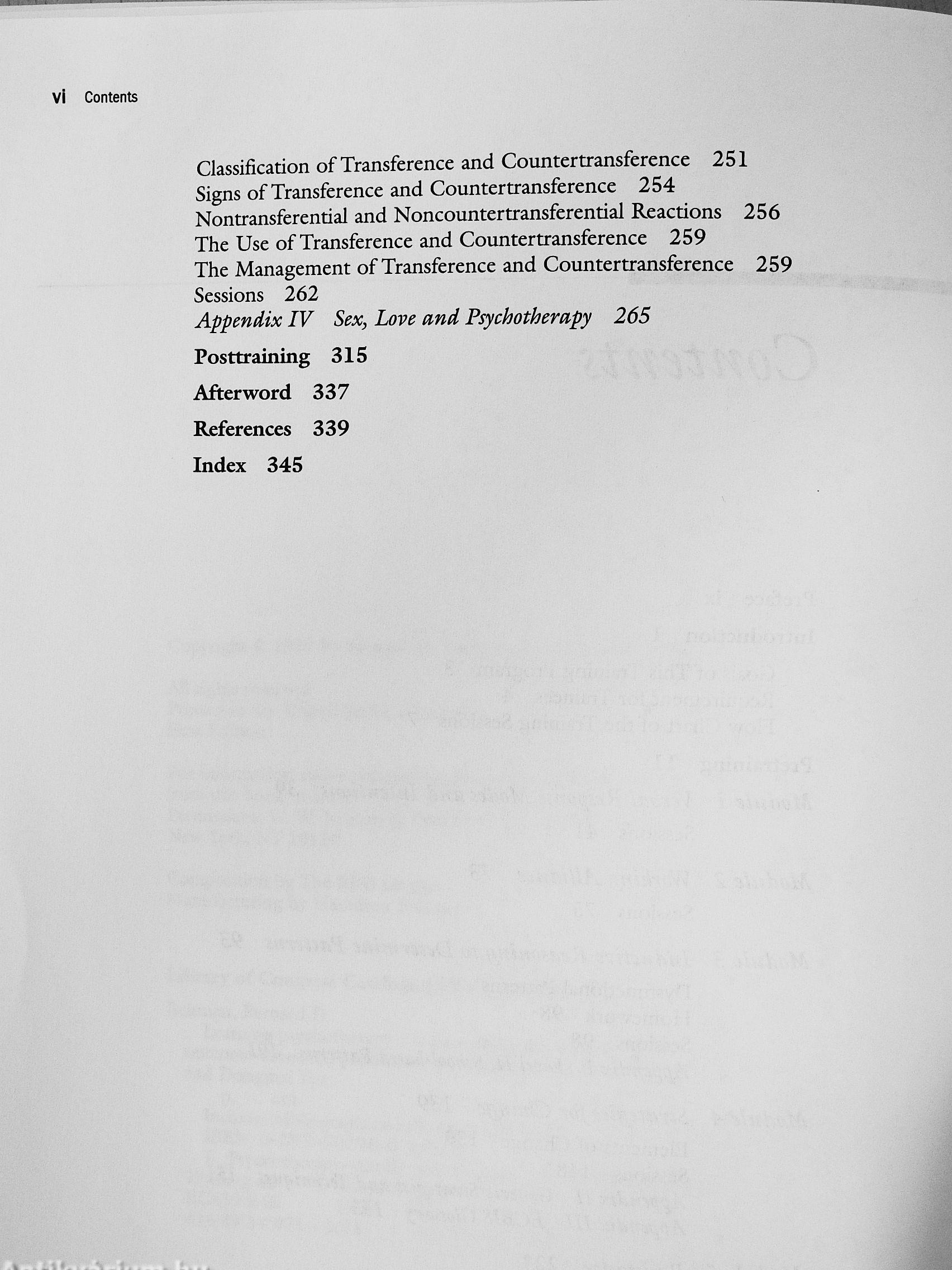
Participants proceed through six modules: (1) verbal response modes and intentions, (2) working alliance, (3) inducing patterns, (4) change, (5) resistance, and (6) transference and countertransference. Pre- and post-training modules offer the opportunity to measure the effects of training.
The program has been piloted in the psychiatric residency training program at the University of Missouri-Columbia for four years, at Stanford University for two years, and at several other sites across the United States. Preliminary measures and self-reports of trainees suggest that it has been highly successful.
BERNARD D. BEITMAN, M.D., is Professor of Psychiatry and Medicine, and Chairman of Psychiatry and Neurology, School of Medicine, University of Missouri-Columbia.
DONGMEI YUE, M.D., is on the facuhy at the School of Medicine, University of Missouri-Columbia. Vissza
Témakörök
- Idegennyelv > Idegennyelvű könyvek > Angol > Egyéb
- Pszichológia > Pszichiátria
- Pszichológia > Alkalmazott lélektan > Pszichotechnika > Egyéb
- Pszichológia > Idegennyelvű > Angol
- Pszichológia > Szociálpszichológia > Egészségpszichológia > Terápiák
- Pszichológia > Tankönyvek, jegyzetek > Egyéb
- Idegennyelv > Idegennyelvű könyvek > Angol > Pszichológia
- Tankönyvek, jegyzetek, szöveggyűjtemények > Pszichológia > Egyéb
Megvásárolható példányok
Nincs megvásárolható példány
A könyv összes megrendelhető példánya elfogyott. Ha kívánja, előjegyezheti a könyvet, és amint a könyv egy újabb példánya elérhető lesz, értesítjük.
 Folytatás Microsoft-tal