Fülszöveg
TKc Defenestration of Prague
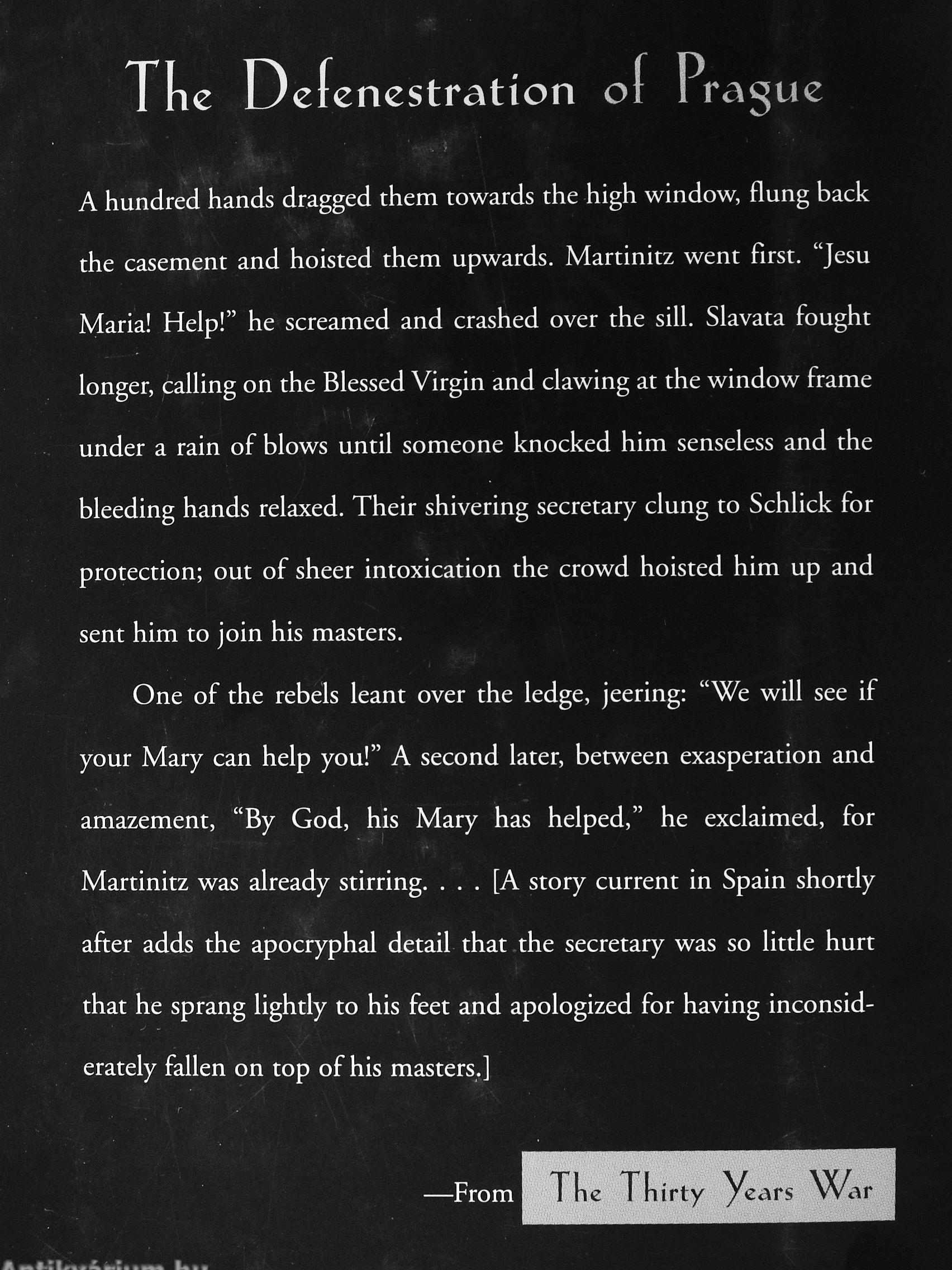
A hundred hands dragged them towards the high window, flung back the casement and hoisted them upwards. Martinitz went first. "Jesu Maria! Help!" he screamed and crashed over the sill. Slavata fought longer, calling on the Blessed Virgin and clawing at the window frame under a rain of blows until someone knocked him senseless and the bleeding hands relaxed. Their shivering secretary clung to Schlick for protection; out of sheer intoxication the crowd hoisted him up and sent him to join his masters.
One of the rebels leant over the ledge, jeering: "We will see if your Mary can help you!" A second later, between exasperation and amazement, "By God, his Mary has helped," he exclaimed, for Martinitz was already stirring. [A story current in Spain shortly after adds the apocryphal detail that the secretary was so little hurt that he sprang lightly to his feet and apologized for having inconsiderately fallen on top of his masters.]
—From
Q was written...
Tovább
Fülszöveg
TKc Defenestration of Prague
A hundred hands dragged them towards the high window, flung back the casement and hoisted them upwards. Martinitz went first. "Jesu Maria! Help!" he screamed and crashed over the sill. Slavata fought longer, calling on the Blessed Virgin and clawing at the window frame under a rain of blows until someone knocked him senseless and the bleeding hands relaxed. Their shivering secretary clung to Schlick for protection; out of sheer intoxication the crowd hoisted him up and sent him to join his masters.
One of the rebels leant over the ledge, jeering: "We will see if your Mary can help you!" A second later, between exasperation and amazement, "By God, his Mary has helped," he exclaimed, for Martinitz was already stirring. [A story current in Spain shortly after adds the apocryphal detail that the secretary was so little hurt that he sprang lightly to his feet and apologized for having inconsiderately fallen on top of his masters.]
—From
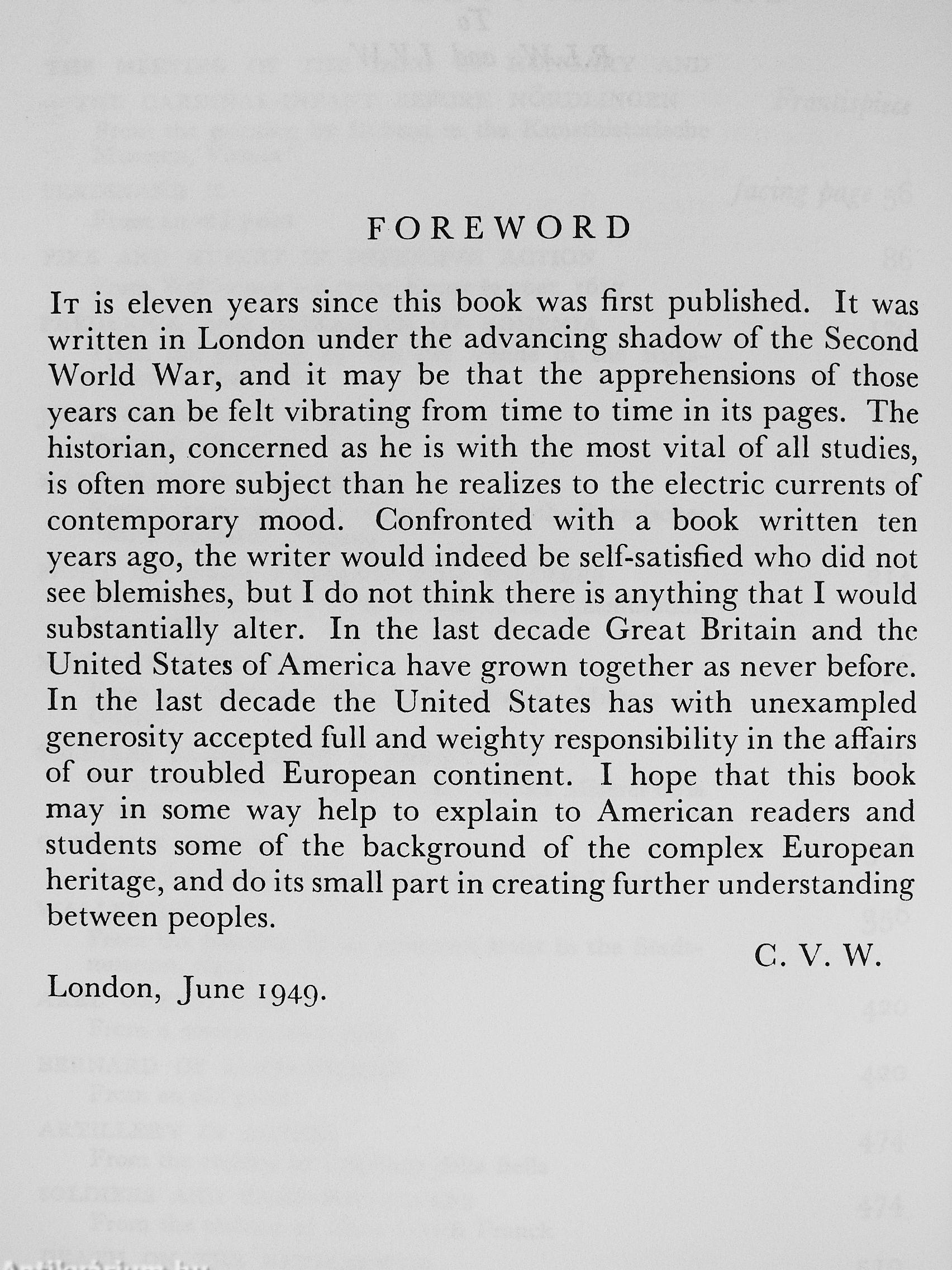
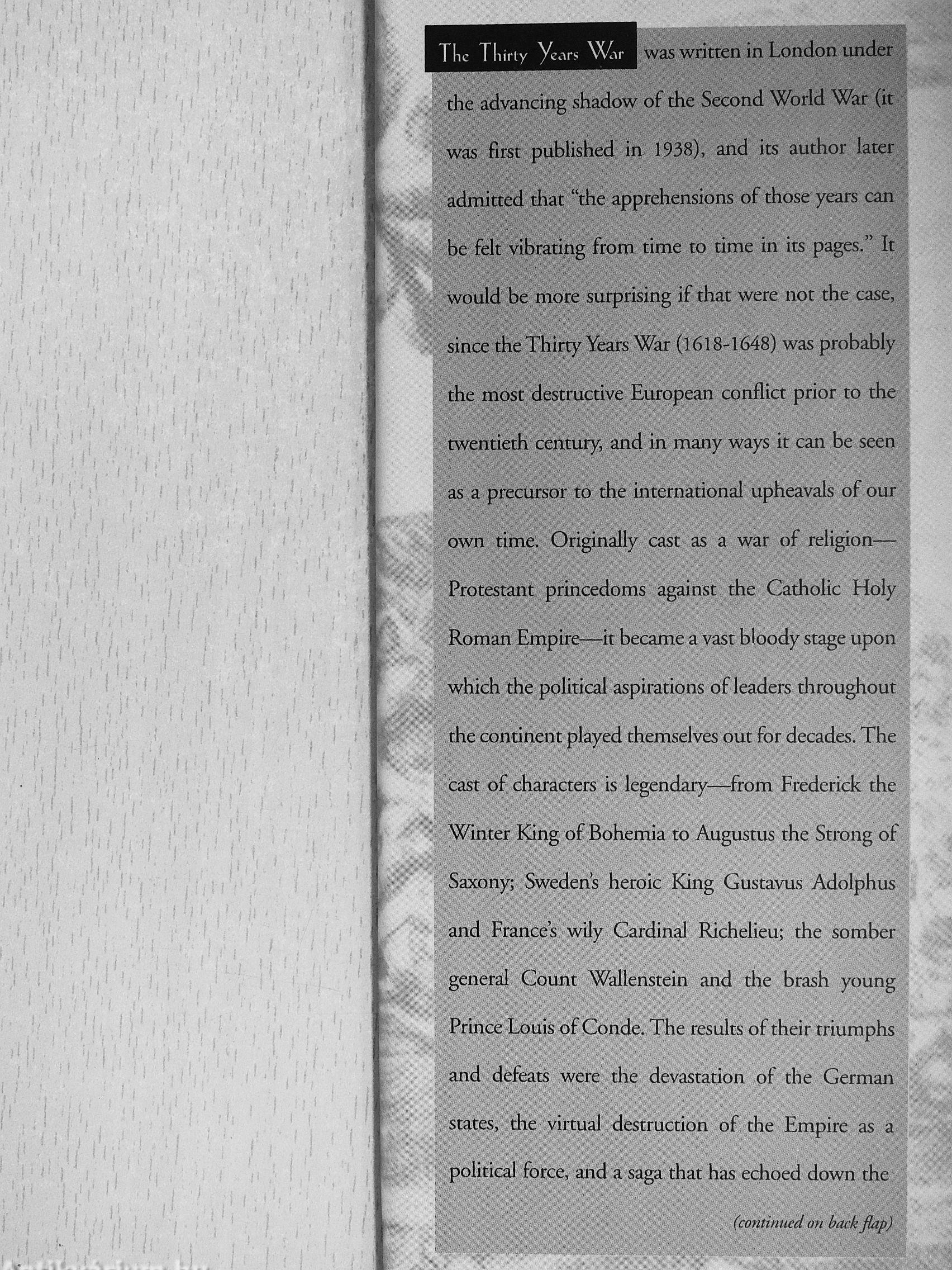
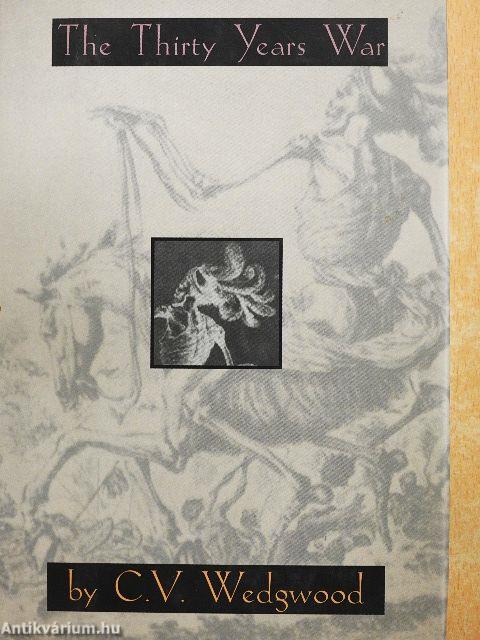
Q was written in London under the advancing shadow of die Second Worid War (it was first published in 1938), and its audior later admitted that "the apprehensions of those years can be felt vibrating from time to time in its pages." It would be more surprising if that were not the case, since theThirty Years War (1618-1648) was probably the most destructive European conflict prior to the twentieth century, and in many ways it can be seen as a precursor to the international upheavals of our own time. Originally cast as a war of religion-Protestant princedoms against the Catholic Holy Roman Empire—it became a vast bloody stage upon which the political aspirations of leaders diroughout the continent played themselves out for decades. The cast of characters is legendary—from Frederick the Winter King of Bohemia to Augustus the Strong of Saxony; Sweden's heroic King Gustavus Adolphus and Frances wily Cardinal Richelieu; the somber general Count Wallenstein and the brash young Prince Louis of Conde. The results of their triumphs and defeats were the devastarion of the German states, the virtual destruction of the Empire as a political force, and a saga that has echoed down the
(continued on back flap)
(continuedfrom front flap)
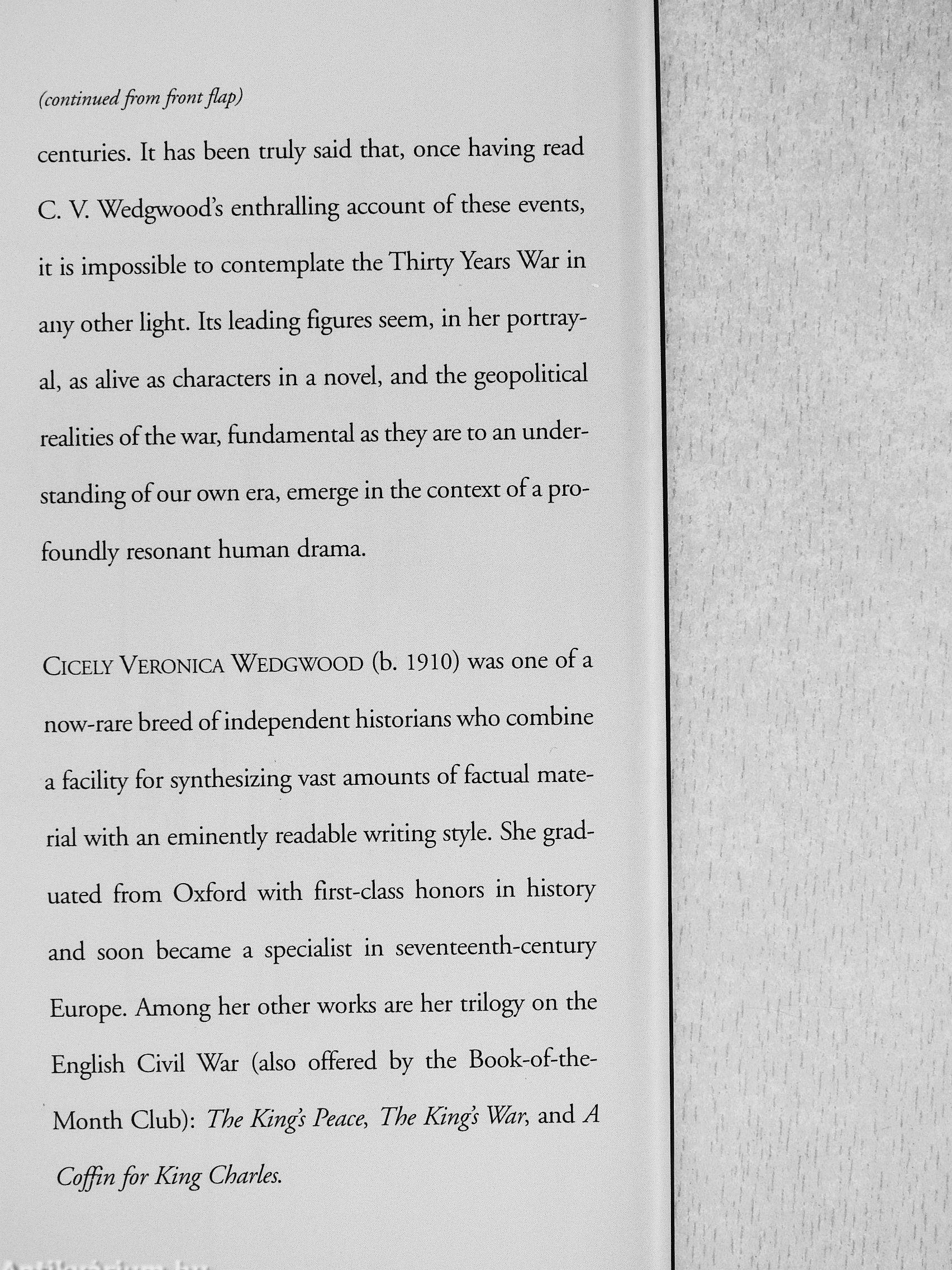
centuries. It has been truly said that, once having read C. V. "Wedgwood's enthralling account of these events, it is impossible to contemplate the Thirty Years War in any other light. Its leading figures seem, in her portrayal, as alive as characters in a novel, and the geopolitical realities of the war, fundamental as they are to an understanding of our own era, emerge in the context of a profoundly resonant human drama.
Cicely Veronica Wedgwood (b. 1910) was one of a now-rare breed of independent historians who combine a facility for synthesizing vast amounts of factual material with an eminently readable writing style. She graduated from Oxford with first-class honors in history and soon became a specialist in seventeenth-century Europe. Among her other works are her trilogy on the English Civil War (also oifered by the Book-of-the-Month Club): The King's Peace, The King's War, and A Coffin for King Charles.
Vissza 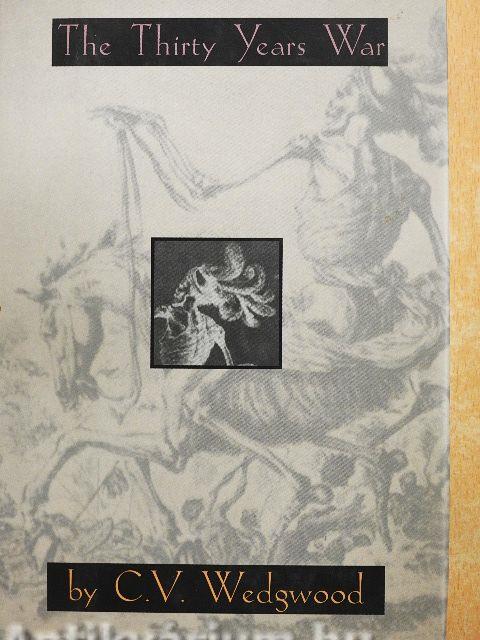


 Folytatás Microsoft-tal