
1.154.870
kiadvánnyal nyújtjuk Magyarország legnagyobb antikvár könyv-kínálatát

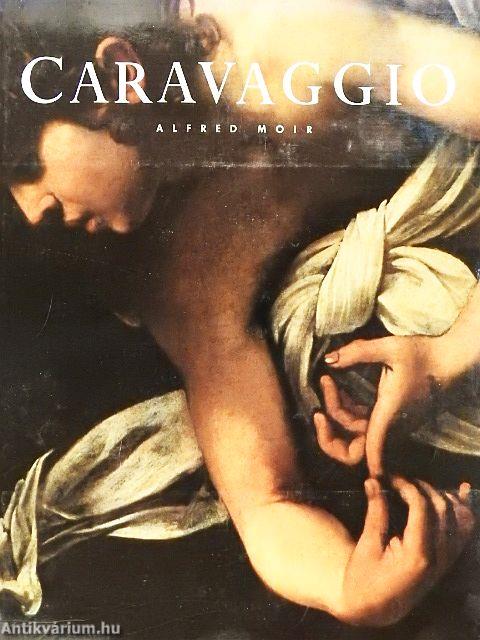
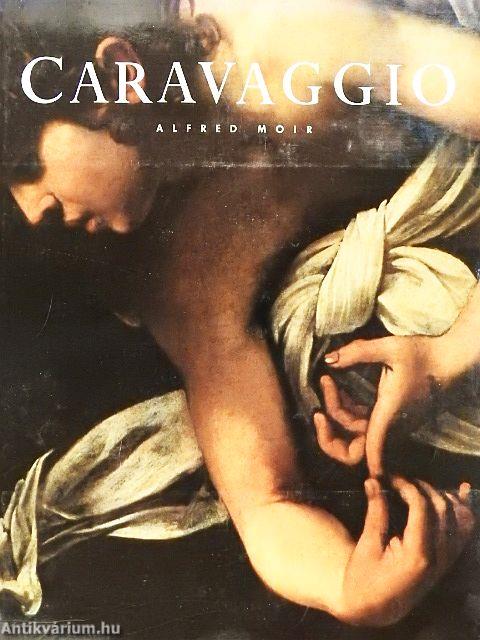
Caravaggio

London
| Kiadó: | Thames and Hudson |
|---|---|
| Kiadás helye: | London |
| Kiadás éve: | |
| Kötés típusa: | Fűzött keménykötés |
| Oldalszám: | 128 oldal |
| Sorozatcím: | |
| Kötetszám: | |
| Nyelv: | Angol |
| Méret: | 31 cm x 23 cm |
| ISBN: | 0-500-08038-0 |
| Megjegyzés: | Színes és fekete-fehér reprodukciókkal. |
Értesítőt kérek a kiadóról
A beállítást mentettük,
naponta értesítjük a beérkező friss
kiadványokról
naponta értesítjük a beérkező friss
kiadványokról
A beállítást mentettük,
naponta értesítjük a beérkező friss
kiadványokról
naponta értesítjük a beérkező friss
kiadványokról
Előszó
Tovább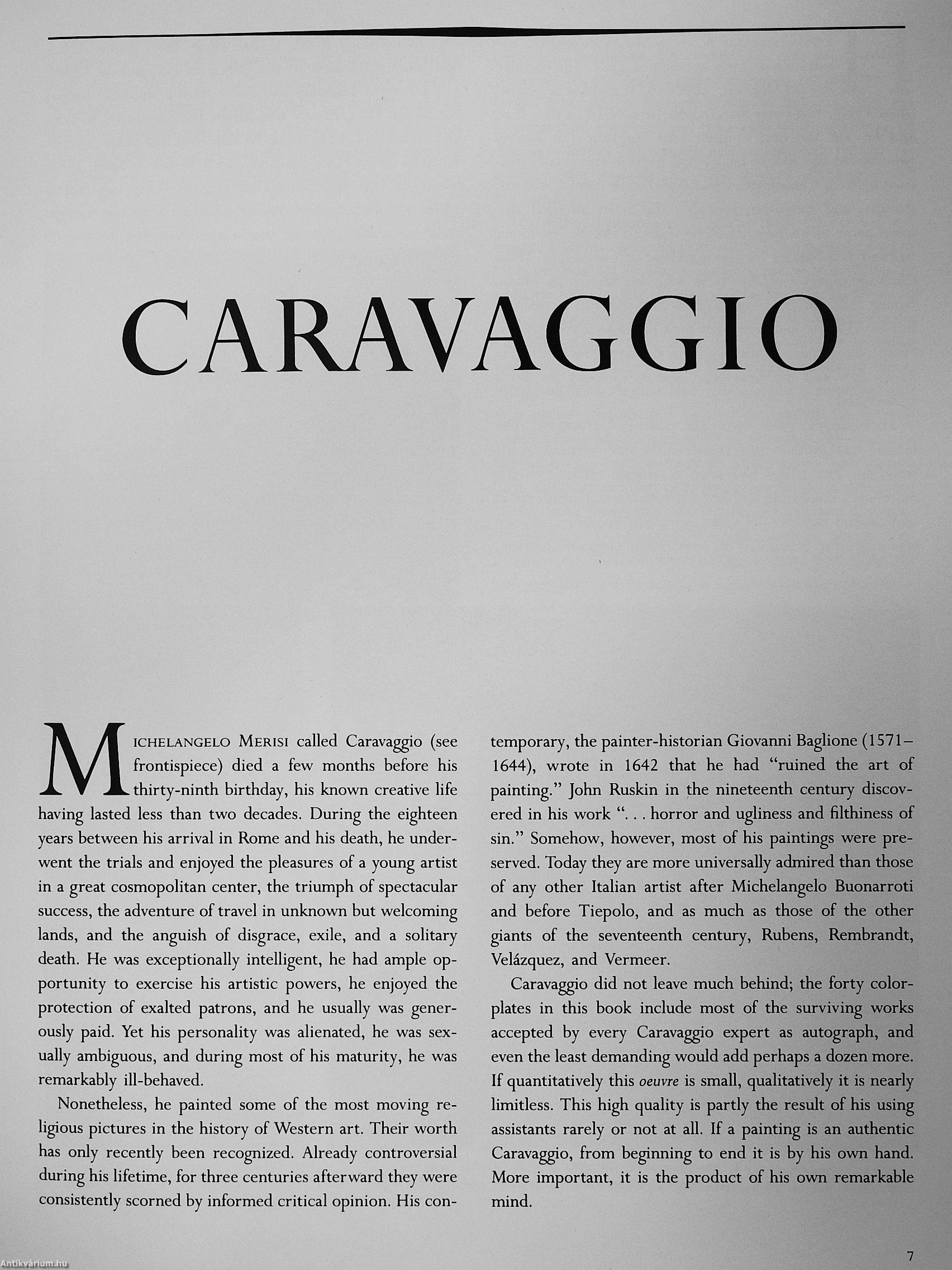
Fülszöveg
Caravaggio
Michelangelo merisi (1571 -1610) - called Caravaggio after his birthplace — was one of the greatest Italian masters of his time. During his short, turbulent career, he moved from his native town in Lombardy, to Milan, where he studied briefly, then to the lucrative, teeming city of Rome. There he found companionship among other artists and secured wealthy patrons and his first public commissions, but was forced to flee after killing a man in a trifling argument. After journeys to Naples, Malta and Sicily, Caravaggio died, following another brawl, on a trip back to Rome.
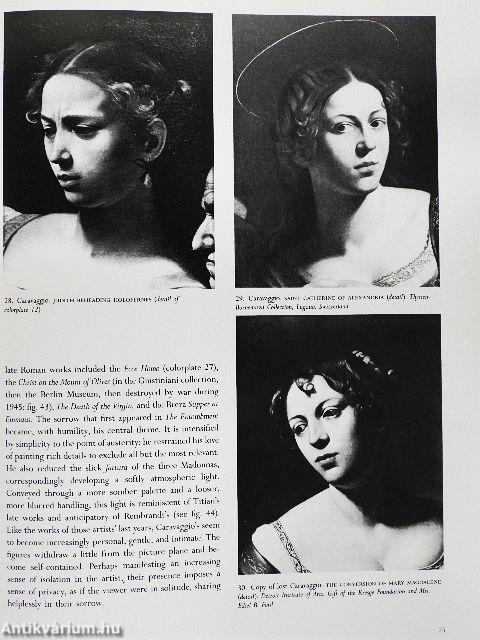
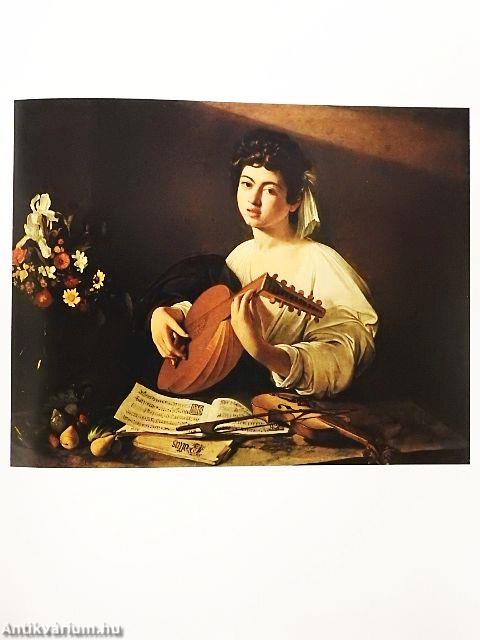
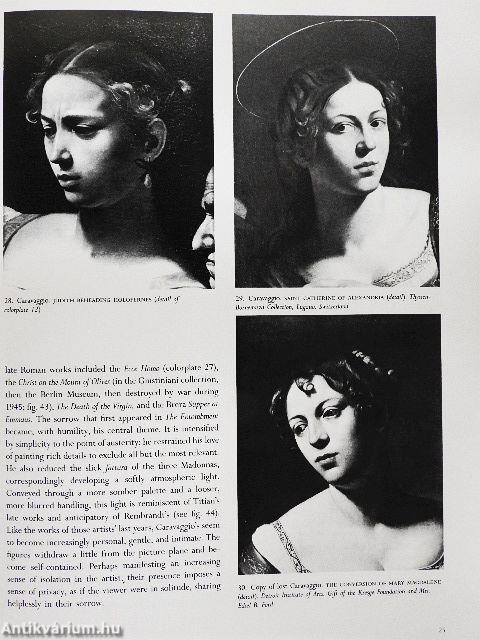
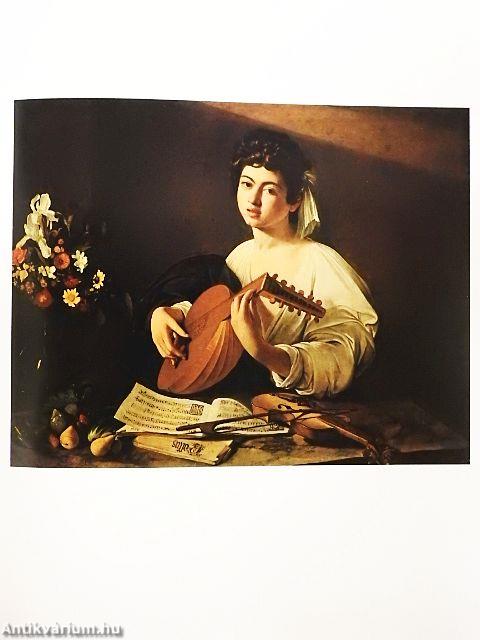
Caravaggio's paintings reflect his unconventional character: brilliant effects of light and shadow, dramatically positioned figures, erotic depictions of nude boys, beautiful madonnas, and a strong narrative sense are the hallmarks of his work. In contrast to the Mannerist style then in vogue, his religious paintings, portraits and scenes of everyday life have an unprecedented naturalism. Details of... Tovább
Fülszöveg
Caravaggio
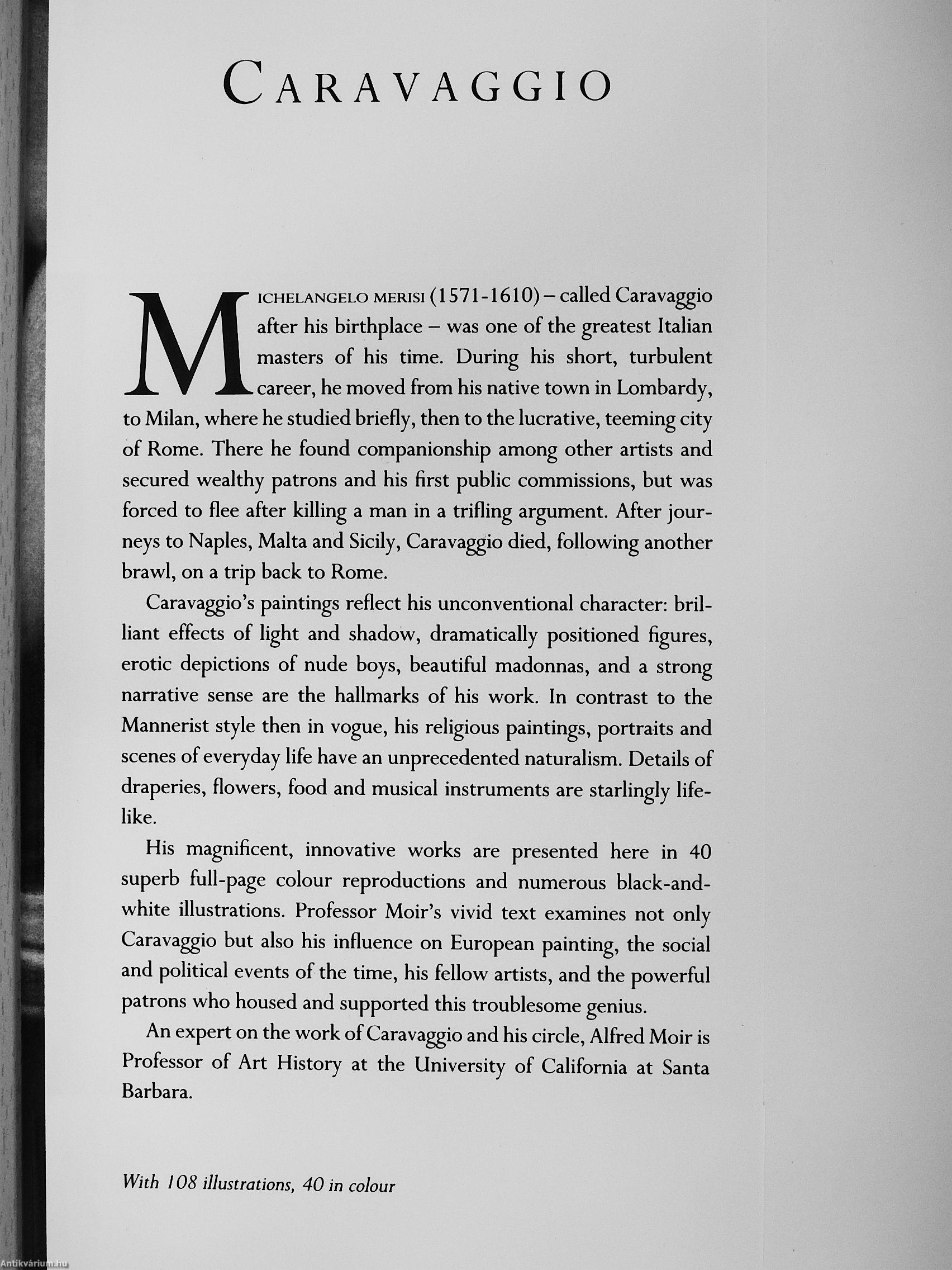
Michelangelo merisi (1571 -1610) - called Caravaggio after his birthplace — was one of the greatest Italian masters of his time. During his short, turbulent career, he moved from his native town in Lombardy, to Milan, where he studied briefly, then to the lucrative, teeming city of Rome. There he found companionship among other artists and secured wealthy patrons and his first public commissions, but was forced to flee after killing a man in a trifling argument. After journeys to Naples, Malta and Sicily, Caravaggio died, following another brawl, on a trip back to Rome.
Caravaggio's paintings reflect his unconventional character: brilliant effects of light and shadow, dramatically positioned figures, erotic depictions of nude boys, beautiful madonnas, and a strong narrative sense are the hallmarks of his work. In contrast to the Mannerist style then in vogue, his religious paintings, portraits and scenes of everyday life have an unprecedented naturalism. Details of draperies, flowers, food and musical instruments are starlingly lifelike.
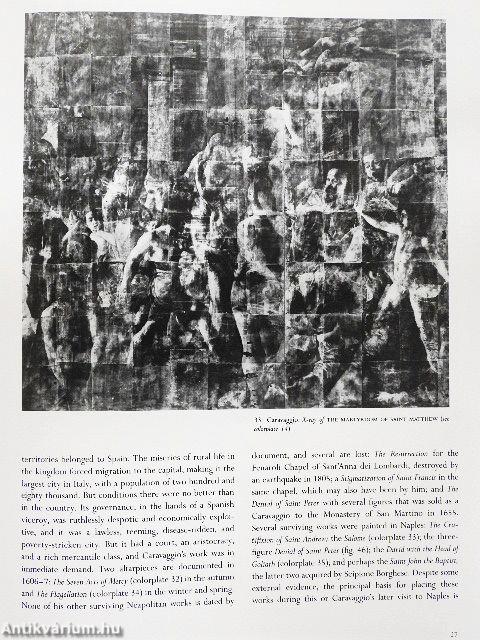
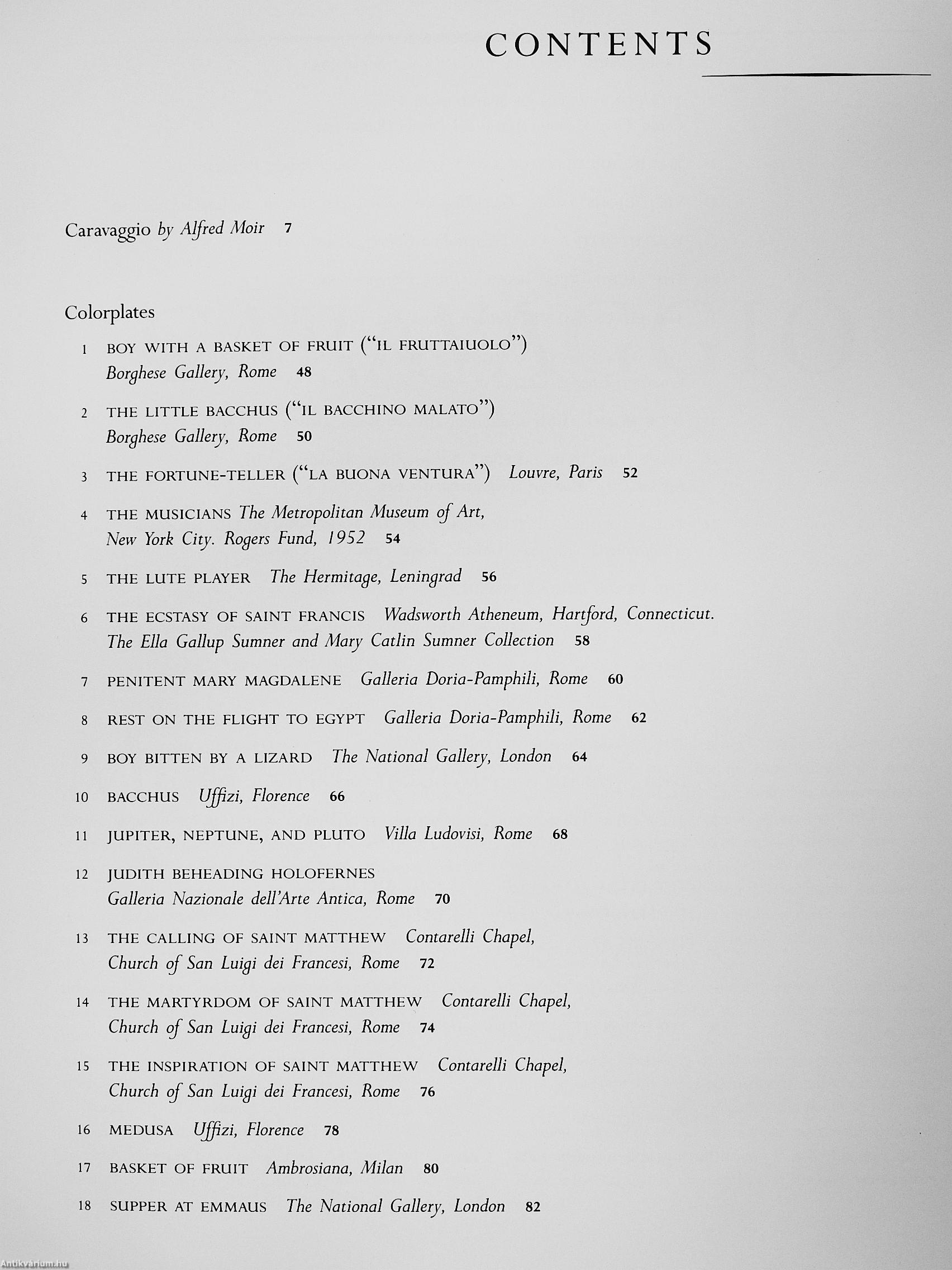
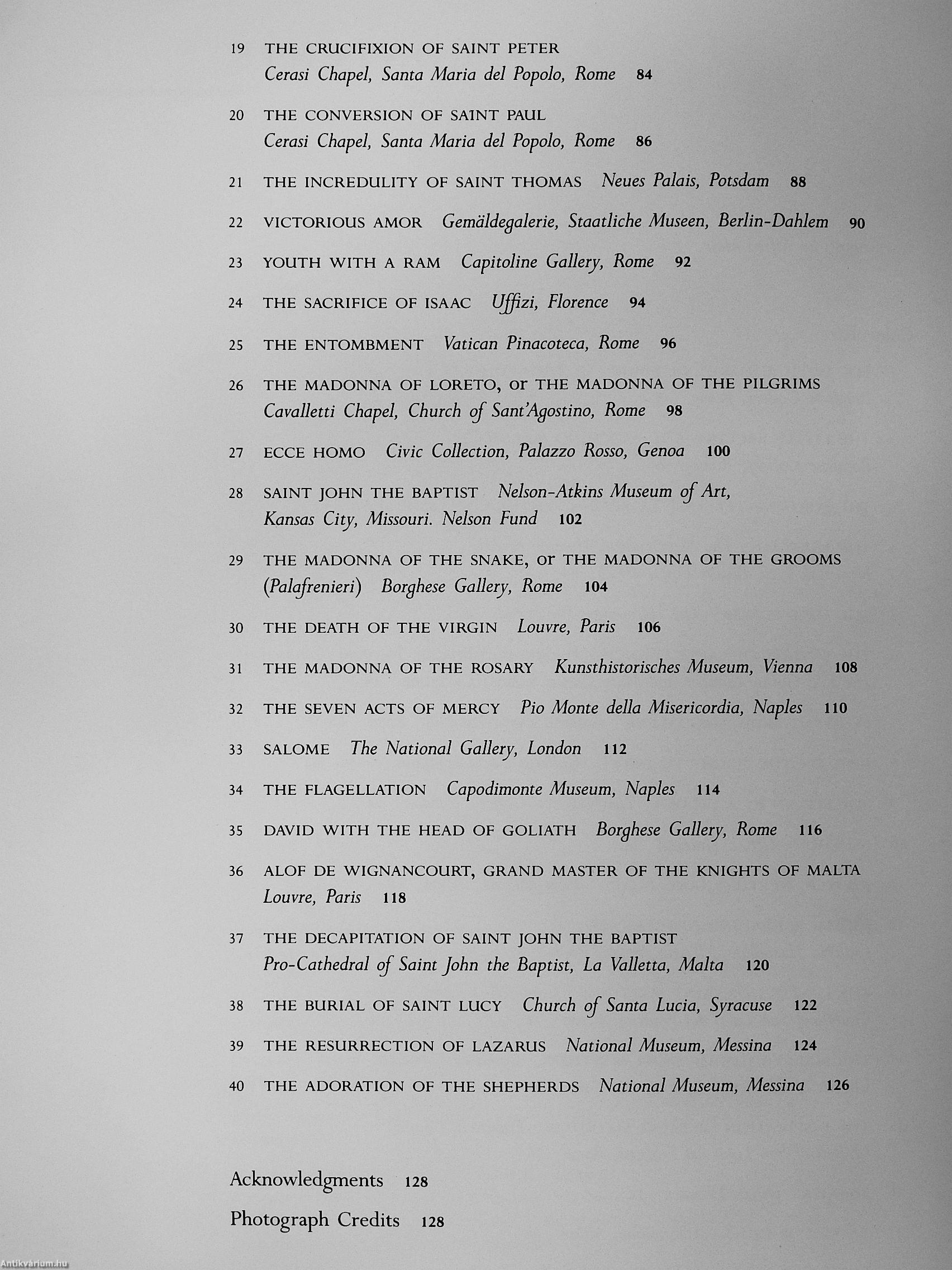
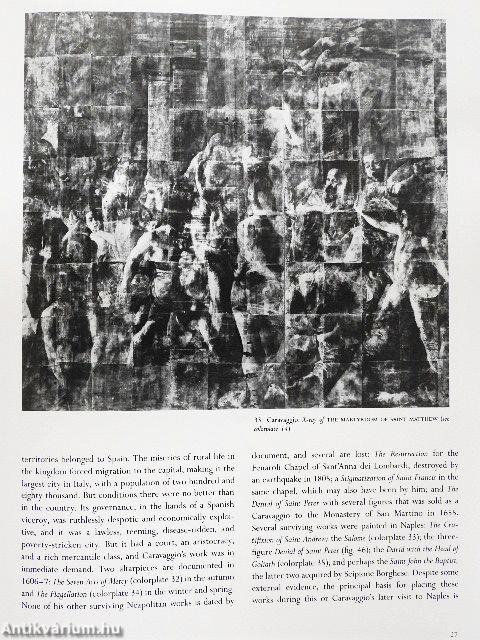
His magnificent, innovative works are presented here in 40 superb full-page colour reproductions and numerous black-and-white illustrations. Professor Moir's vivid text examines not only Caravaggio but also his influence on European painting, the social and political events of the time, his fellow artists, and the powerful patrons who housed and supported this troublesome genius.
An expert on the work of Caravaggio and his circle, Alfred Moir is Professor of Art History at the University of California at Santa Barbara.
With 108 illustrations, 40 in colour Vissza
Témakörök
- Életrajz > Művészet > Festészet, szobrászat
- Idegennyelv > Idegennyelvű könyvek > Angol > Művészetek > Festészet
- Idegennyelv > Idegennyelvű könyvek > Angol > Művészetek > Művészettörténet, általános
- Idegennyelv > Idegennyelvű könyvek > Angol > Életrajz > Művészet > Festészet, szobrászat
- Művészetek > Művészettörténet általános > Kontinensek művészete > Európa
- Művészetek > Művészettörténet általános > Idegen nyelv > Angol
- Művészetek > Művészettörténet általános > Életrajzok > Festők
- Művészetek > Festészet > Korszakok, stílusok > XV. század - Reneszánsz > Manierizmus
- Művészetek > Festészet > Életrajzok > Külföldi
- Művészetek > Festészet > Idegen nyelv > Angol
- Művészetek > Festészet > Albumok > Külföldi festők
- Művészetek > Festészet > Általános festészet > Története
Alfred Moir
Alfred Moir műveinek az Antikvarium.hu-n kapható vagy előjegyezhető listáját itt tekintheti meg: Alfred Moir könyvek, művekMegvásárolható példányok
Nincs megvásárolható példány
A könyv összes megrendelhető példánya elfogyott. Ha kívánja, előjegyezheti a könyvet, és amint a könyv egy újabb példánya elérhető lesz, értesítjük.
 Folytatás Microsoft-tal