
1.149.899
kiadvánnyal nyújtjuk Magyarország legnagyobb antikvár könyv-kínálatát

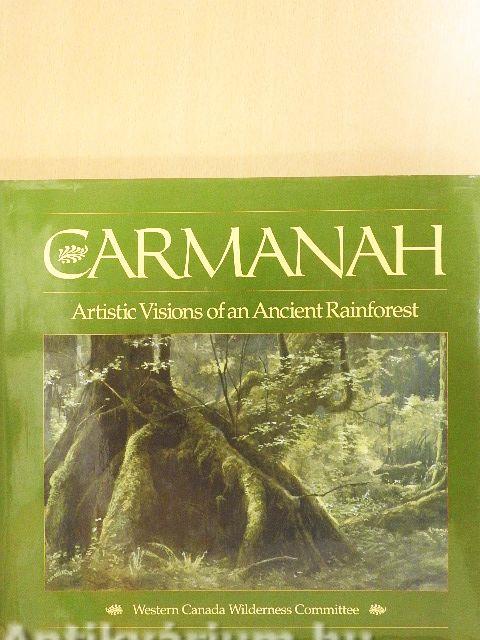
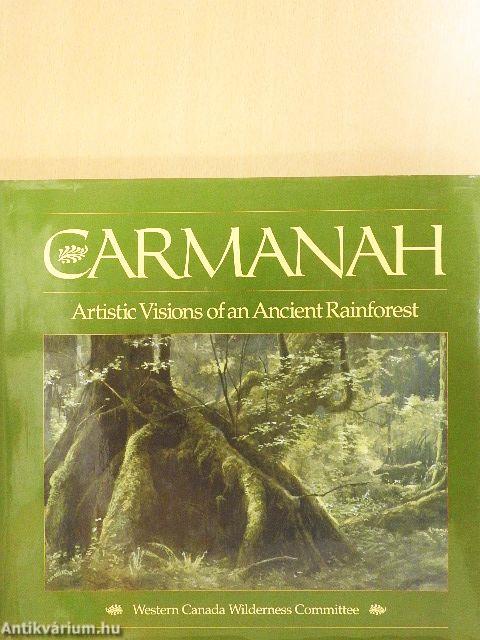
Carmanah
Artistic Visions of an Ancient Rainforest
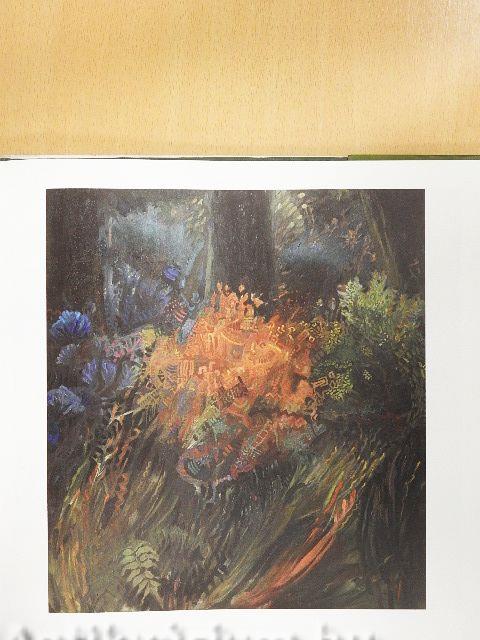
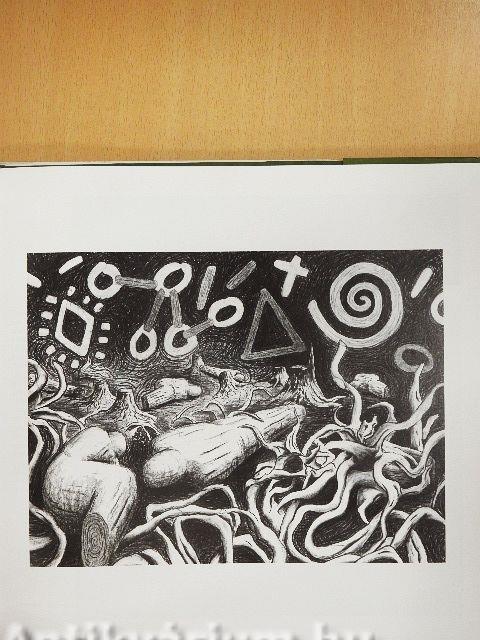
Vancouver
| Kiadó: | Western Canada Wilderness Committee |
|---|---|
| Kiadás helye: | Vancouver |
| Kiadás éve: | |
| Kötés típusa: | Fűzött keménykötés |
| Oldalszám: | 168 oldal |
| Sorozatcím: | |
| Kötetszám: | |
| Nyelv: | Angol |
| Méret: | 28 cm x 30 cm |
| ISBN: | 0-9692230-5-6 |
| Megjegyzés: | Színes és fekete-fehér illusztrációkkal, fotókkal. További kapcsolódó személyek a könyvben. |
Értesítőt kérek a kiadóról
A beállítást mentettük,
naponta értesítjük a beérkező friss
kiadványokról
naponta értesítjük a beérkező friss
kiadványokról
A beállítást mentettük,
naponta értesítjük a beérkező friss
kiadványokról
naponta értesítjük a beérkező friss
kiadványokról
Előszó
Tovább
Fülszöveg
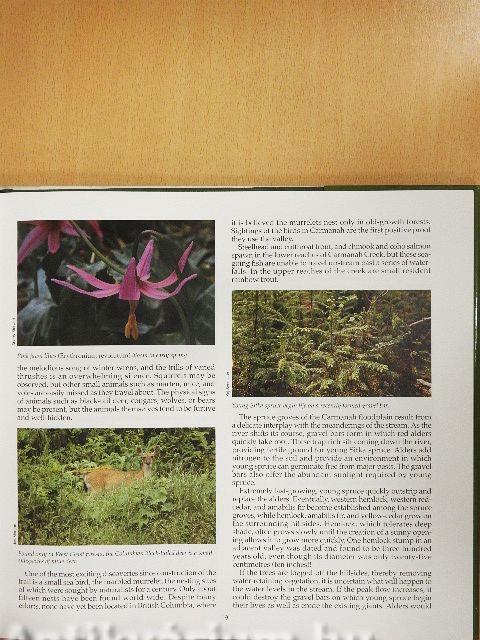
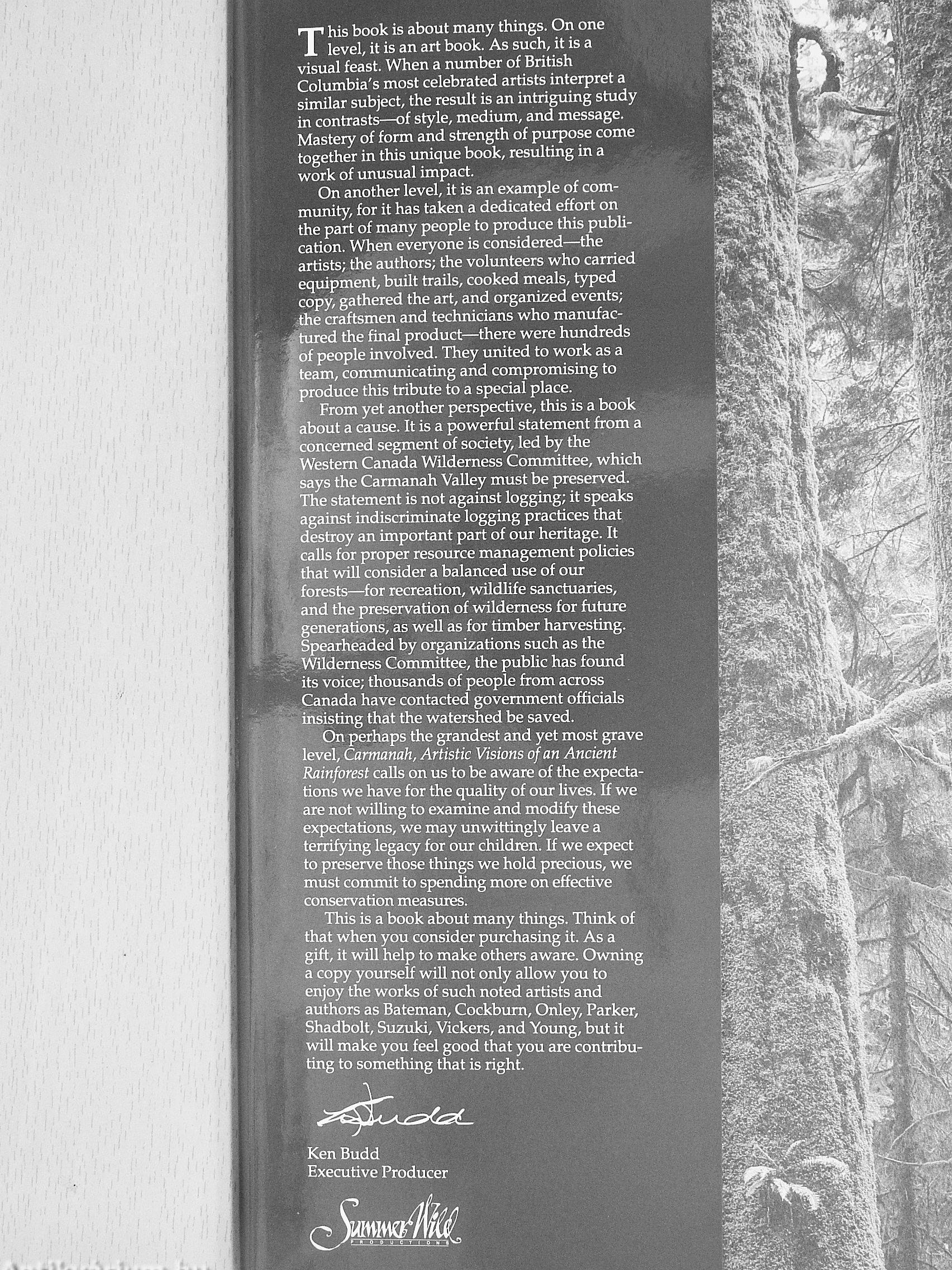
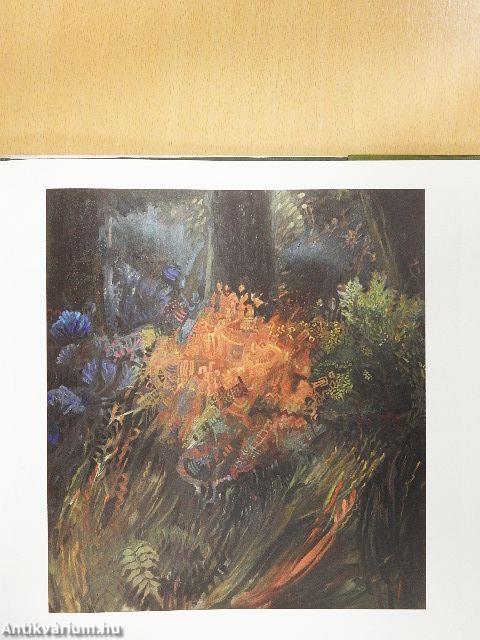
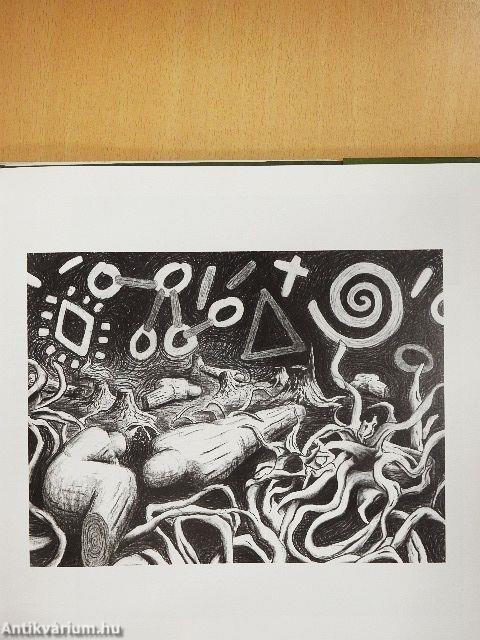
This book is about many things. On one level, it is an art book. As such, it is a visual feast. When a number of British Columbia's most celebrated artists interpret a similar subject, the result is an intriguing study in contrasts—of style, medium, and message. Mastery of form and strength of purpose come together in this unique book, resulting in a work of unusual impact.
On another level, it is an example of com-mimity, for it has taken a dedicated effort on the part of many people to produce this publication. When everyone is considered—the artists; the authors; the volimteers who carried equipment, built trails, cooked meals, typed copy, gathered the art, and orgaiuzed events; the craftsmen and technicians who manufactured the final product—there were hundreds of people involved. They united to work as a team, communicating and compromising to produce this tribute to a special place.
From yet another perspective, this is a book about a cause. It is a powerful statement from... Tovább
Fülszöveg
This book is about many things. On one level, it is an art book. As such, it is a visual feast. When a number of British Columbia's most celebrated artists interpret a similar subject, the result is an intriguing study in contrasts—of style, medium, and message. Mastery of form and strength of purpose come together in this unique book, resulting in a work of unusual impact.
On another level, it is an example of com-mimity, for it has taken a dedicated effort on the part of many people to produce this publication. When everyone is considered—the artists; the authors; the volimteers who carried equipment, built trails, cooked meals, typed copy, gathered the art, and orgaiuzed events; the craftsmen and technicians who manufactured the final product—there were hundreds of people involved. They united to work as a team, communicating and compromising to produce this tribute to a special place.
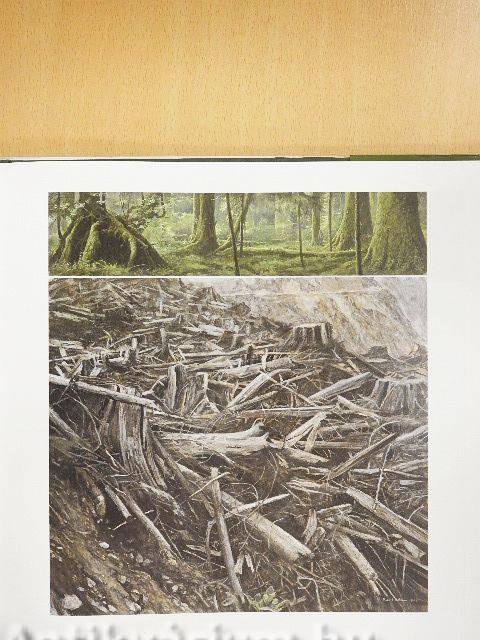
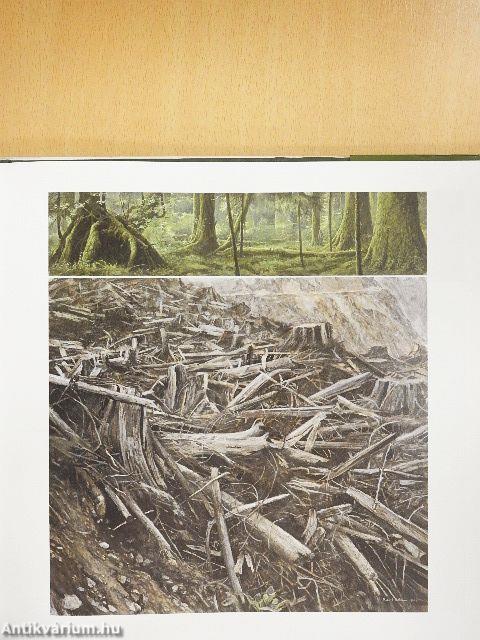
From yet another perspective, this is a book about a cause. It is a powerful statement from a concerned segment of society, led by the Western Canada Wilderness Committee, which says the Carmanah Valley must be preserved. The statement is not against logging; it speaks against indiscriminate logging practices that destroy an important part of our heritage. It calls for proper resource management policies that will consider a balanced use of our forests—^for recreation, wildlife sanctuaries, and the preservation of vrildemess for future generations, as well as for timber harvesting. Spearheaded by orgaruzations such as the Wilderness Committee, the public has found its voice; thousands of people from across Canada have contacted government officials insisting that the vvatershed be saved.
On perhaps the grandest and yet most grave level, Carmanah, Artistic Visions of an Ancient Rainforest calls on us to be aware of the expectations we have for the quality of our lives. If we are not vdlling to examine and modify these expectations, we may unwittingly leave a terrifying legacy for our children. If we expect to preserve those things we hold precious, we must commit to spending more on effective conservation measures.
This is a book about many things. Thmk of that when you consider pvuchasing it. As a gift, it will help to make others aware. Owning a copy yourself will not only allow you to enjoy the works of such noted artists and authors as Bateman, Cockbum, Orvley, Parker, Shadbolt, Suzuki, Vickers, and Young, but it ' will make you feel good that you are contributing to something that is right.
Ken Budd Executive Producer
w 11
fS
ra _____
Vissza
Témakörök
- Idegennyelv > Idegennyelvű könyvek > Angol > Művészetek > Festészet
- Idegennyelv > Idegennyelvű könyvek > Angol > Művészetek > Művészettörténet, általános
- Idegennyelv > Idegennyelvű könyvek > Angol > Természettudományok > Egyéb
- Természettudomány > Növényvilág > Természetvédelem
- Művészetek > Művészettörténet általános > Társadalom és művészet > Egyéb
- Művészetek > Művészettörténet általános > Kontinensek művészete > Amerika
- Művészetek > Művészettörténet általános > Idegen nyelv > Angol
- Művészetek > Festészet > Korszakok, stílusok > XX. század > Egyéb
- Művészetek > Festészet > Idegen nyelv > Angol
Megvásárolható példányok
Állapotfotók
Állapot:
Jó
4.980 ,-Ft
25
pont kapható
Kosárba
 Folytatás Microsoft-tal