
1.116.650
kiadvánnyal nyújtjuk Magyarország legnagyobb antikvár könyv-kínálatát

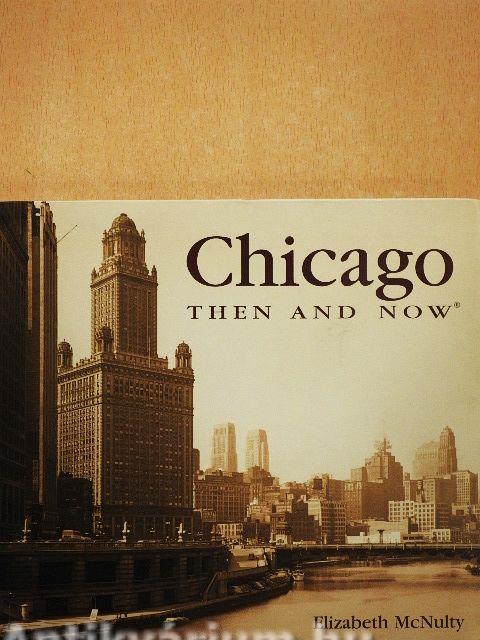
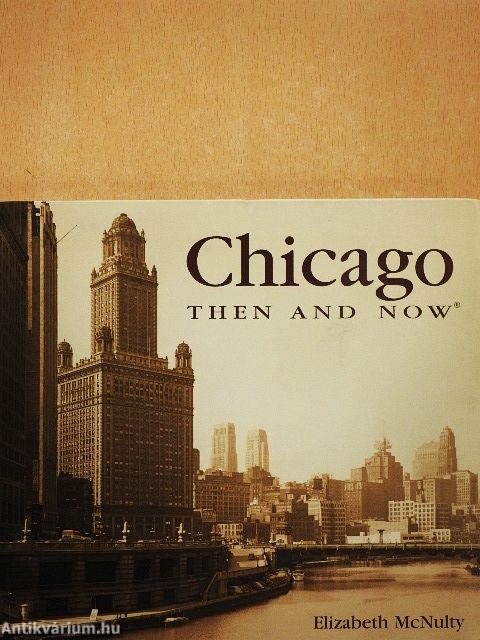
Chicago Then & Now

San Diego
| Kiadó: | Thunder Bay Press |
|---|---|
| Kiadás helye: | San Diego |
| Kiadás éve: | |
| Kötés típusa: | Varrott papírkötés |
| Oldalszám: | 144 oldal |
| Sorozatcím: | |
| Kötetszám: | |
| Nyelv: | Angol |
| Méret: | 18 cm x 20 cm |
| ISBN: | 978-1-59223-732-6 |
| Megjegyzés: | Színes és fekete-fehér fotókkal. |
Értesítőt kérek a kiadóról
A beállítást mentettük,
naponta értesítjük a beérkező friss
kiadványokról
naponta értesítjük a beérkező friss
kiadványokról
A beállítást mentettük,
naponta értesítjük a beérkező friss
kiadványokról
naponta értesítjük a beérkező friss
kiadványokról
Előszó
Tovább
Fülszöveg
1
ii I
Chicago
THEN AND NOW
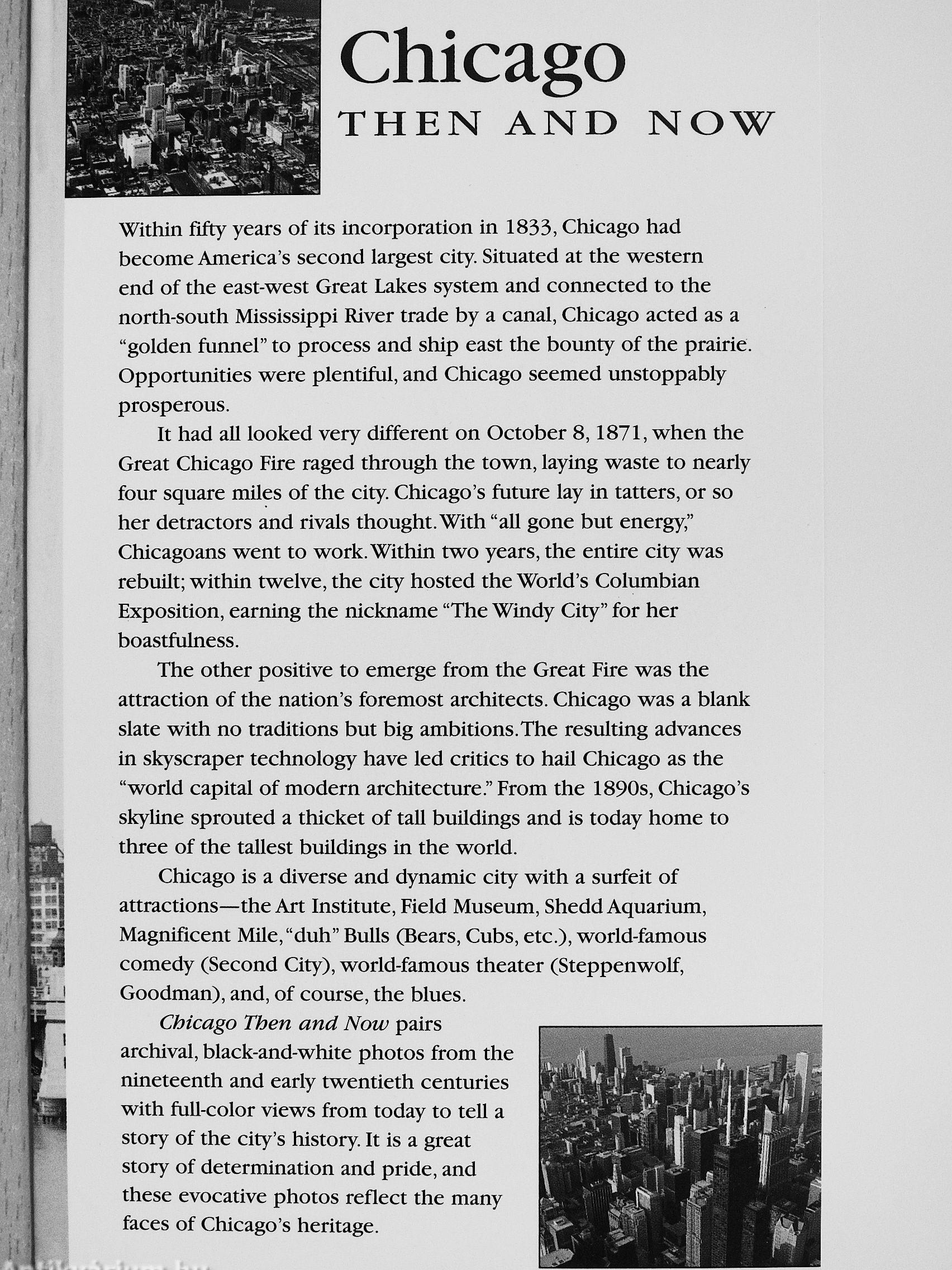
Within fifty years of its incorporation in 1833, Chicago had become America's second largest city. Situated at the western end of the east-west Great Lakes system and connected to the north-south Mississippi River trade by a canal, Chicago acted as a "golden funnel" to process and ship east the bounty of the prairie. Opportunities were plentiful, and Chicago seemed unstoppably prosperous.
It had all looked very different on October 8,1871, when the Great Chicago Fire raged through the town, laying waste to nearly four square miles of the city. Chicago's future lay in tatters, or so her detractors and rivals thought. With "all gone but energy," Chicagoans went to work. Within two years, the entire city was rebuilt; within twelve, the city hosted the World's Columbian Exposition, earning the nickname "The Windy City" for her boastfulness.
The other positive to emerge from the Great Fire was the attraction of the nation's foremost architects. Chicago... Tovább
Fülszöveg
1
ii I
Chicago
THEN AND NOW
Within fifty years of its incorporation in 1833, Chicago had become America's second largest city. Situated at the western end of the east-west Great Lakes system and connected to the north-south Mississippi River trade by a canal, Chicago acted as a "golden funnel" to process and ship east the bounty of the prairie. Opportunities were plentiful, and Chicago seemed unstoppably prosperous.
It had all looked very different on October 8,1871, when the Great Chicago Fire raged through the town, laying waste to nearly four square miles of the city. Chicago's future lay in tatters, or so her detractors and rivals thought. With "all gone but energy," Chicagoans went to work. Within two years, the entire city was rebuilt; within twelve, the city hosted the World's Columbian Exposition, earning the nickname "The Windy City" for her boastfulness.
The other positive to emerge from the Great Fire was the attraction of the nation's foremost architects. Chicago was a blank slate with no traditions but big ambitions.The resulting advances in skyscraper technology have led critics to hail Chicago as the "world capital of modern architecture." From the 1890s, Chicago's skyline sprouted a thicket of tall buildings and is today home to three of the tallest buildings in the world.
Chicago is a diverse and dynamic city with a surfeit of attractions—the Art Institute, Field Museum, Shedd Aquarium, Magnificent Mile,"duh" Bulls (Bears, Cubs, etc.), world-famous comedy (Second City), world-famous theater (Steppenwolf, Goodman), and, of course, the blues.
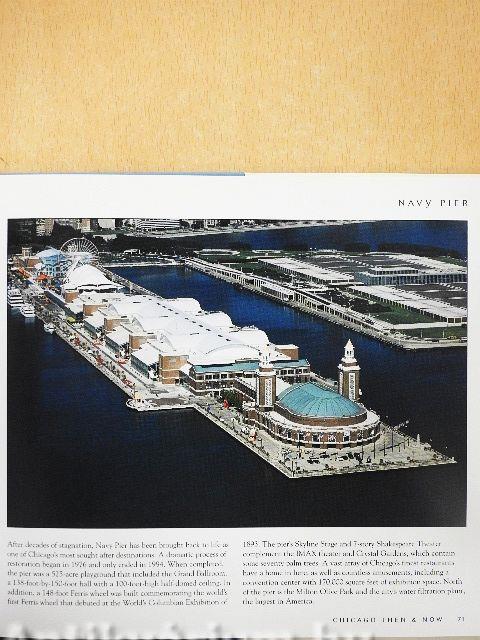
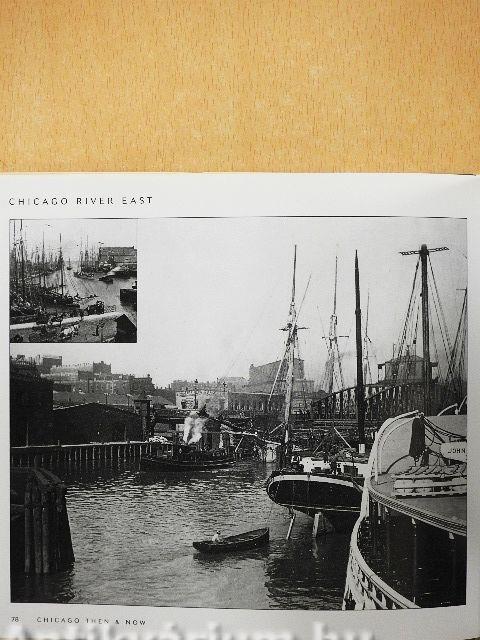
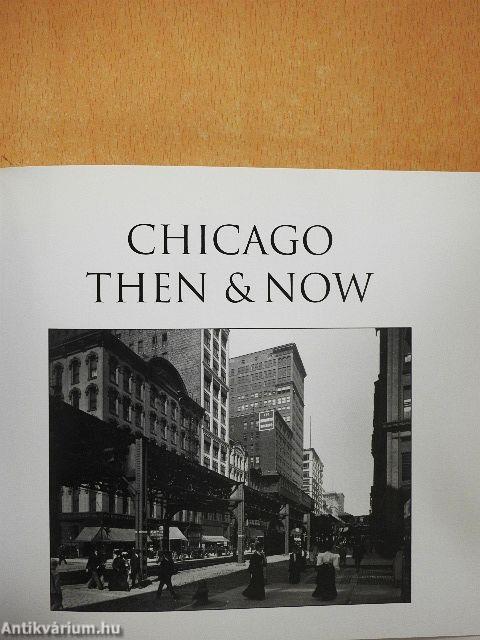
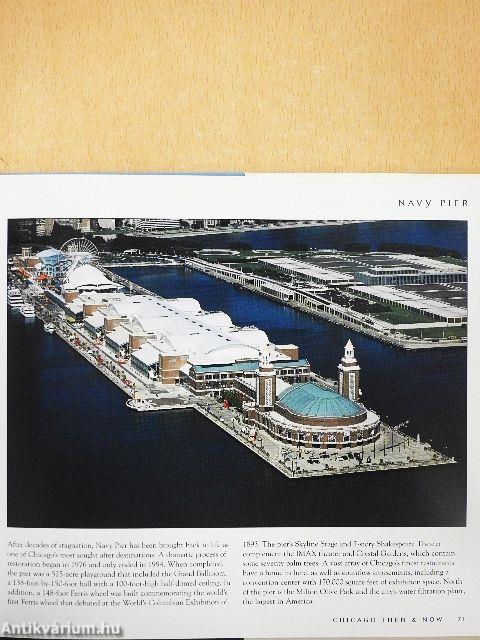
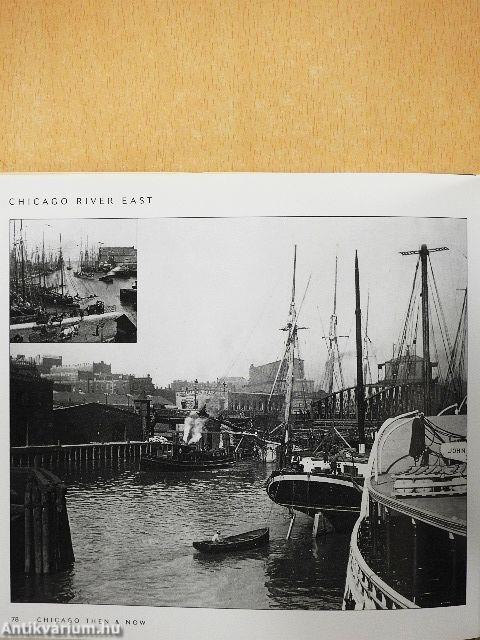
Chicago Then and Now pairs archival, black-and-white photos from the nineteenth and early twentieth centuries with full-color views from today to tell a story of the city's history. It is a great story of determination and pride, and these evocative photos reflect the many faces of Chicago's heritage. Vissza
Témakörök
- Idegennyelv > Idegennyelvű könyvek > Angol > Művészetek > Építészet
- Idegennyelv > Idegennyelvű könyvek > Angol > Művészetek > Fotóművészet
- Idegennyelv > Idegennyelvű könyvek > Angol > Helytörténet
- Helytörténet > Külföldi > Városok
- Művészetek > Építészet > Várostörténet > Külföldi
- Művészetek > Építészet > Kontinensek szerint > Amerika > Észak-Amerika
- Művészetek > Építészet > Idegen nyelv > Angol
- Művészetek > Fotóművészet > Albumok > Tematikus
- Művészetek > Fotóművészet > Idegen nyelv > Angol
- Művészetek > Fotóművészet > Témái > Városok > Külföldi
Elizabeth McNulty
Elizabeth McNulty műveinek az Antikvarium.hu-n kapható vagy előjegyezhető listáját itt tekintheti meg: Elizabeth McNulty könyvek, művekMegvásárolható példányok
Nincs megvásárolható példány
A könyv összes megrendelhető példánya elfogyott. Ha kívánja, előjegyezheti a könyvet, és amint a könyv egy újabb példánya elérhető lesz, értesítjük.
 Folytatás Microsoft-tal