
1.146.068
kiadvánnyal nyújtjuk Magyarország legnagyobb antikvár könyv-kínálatát

Christian Mythology


London
| Kiadó: | Hamlyn Publishing Group Limited |
|---|---|
| Kiadás helye: | London |
| Kiadás éve: | |
| Kötés típusa: | Varrott keménykötés |
| Oldalszám: | 144 oldal |
| Sorozatcím: | |
| Kötetszám: | |
| Nyelv: | Angol |
| Méret: | 29 cm x 21 cm |
| ISBN: | 0-600-34290-5 |
| Megjegyzés: | Fekete-fehér és színes fotókkal. |
Értesítőt kérek a kiadóról
A beállítást mentettük,
naponta értesítjük a beérkező friss
kiadványokról
naponta értesítjük a beérkező friss
kiadványokról
A beállítást mentettük,
naponta értesítjük a beérkező friss
kiadványokról
naponta értesítjük a beérkező friss
kiadványokról
Előszó
Tovább
Fülszöveg
li'íílííVí'i
mim'' '/-y
Christian Mythology
The Christian faith is based almost entirely on the life of Christ as it is portrayed in the New Testament, and many of these stories contain elements of the supernatural and the miraculous. Over the centuries a vast number of myths attached themselves to Christianity. During the Middle Ages, when the fear of hell and the belief in spirits and the supernatural were at their height, fantastic tales, about Christ and the Virgin Mary for example, were readily accepted. Some of these myths inspired great works of art.
The author, with important links as teacher and layman in the Protestant and Catholic faiths, is uniquely qualified to describe the stories about the creation, the flood and the fall of Adam and Eve, the Tower of Babel and the Cross in history and myth. He discusses the pseudo-gospels and the miracles which surround the early saints and martyrs. Legends of the Holy Grail and beliefs about the afterlife and heaven and hell... Tovább
Fülszöveg
li'íílííVí'i
mim'' '/-y
Christian Mythology
The Christian faith is based almost entirely on the life of Christ as it is portrayed in the New Testament, and many of these stories contain elements of the supernatural and the miraculous. Over the centuries a vast number of myths attached themselves to Christianity. During the Middle Ages, when the fear of hell and the belief in spirits and the supernatural were at their height, fantastic tales, about Christ and the Virgin Mary for example, were readily accepted. Some of these myths inspired great works of art.
The author, with important links as teacher and layman in the Protestant and Catholic faiths, is uniquely qualified to describe the stories about the creation, the flood and the fall of Adam and Eve, the Tower of Babel and the Cross in history and myth. He discusses the pseudo-gospels and the miracles which surround the early saints and martyrs. Legends of the Holy Grail and beliefs about the afterlife and heaven and hell are also part of the author's fascinating theme.
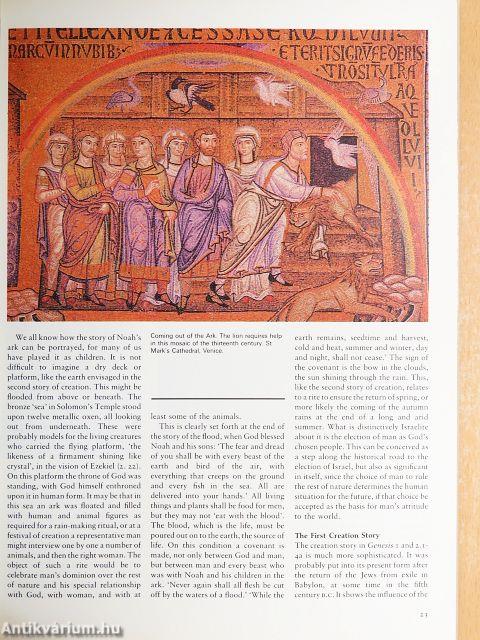
The text is beautifully illustrated with paintings, stained glass, manuscripts and sculpmre from many ages.
George Every was born at Tipton Vicarage, Ottery St. Mary, in 1909. He was educated at King's School, Worcester, the University of the South-West (now the University of Exeter), and at Kelham, an Anglican theological college, where he studied and taught from 1929 to 1973. At that time this was the mother-house of the Society of the Sacred Mission in which he was professed a lay brother in 1933. He became a regular contributor to The Criterion, The New English Weekly, The Eastern Churches Quarterly and many other publications.
In 1973 he left Kelham, the Society of the Sacred Mission, and the Church of England to become a Roman Catholic. Since then he has been helping in the Catholic seminary at Oscott and at the Byzantine study centre in Birmingham University.
George Every's numerous books, published between 1940 and 1978, have covered an unusually wide range of theological subjects, including the relationship between theology and literary criticism, church history, sacramental and liturgical theology and comparative religion. Some of these titles are: Christian Discrimination, Poetry and Personal Responsibility, The Byzantine Patriarchate, Lamb to the Slaughter, Basic Liturgy and The Mass.
In 1977 he gave lectures in Rome on Understanding Eastern Christianity, which were published. He has contributed poetry to a number of anthologies, including Seasons of the Spirit (1984).
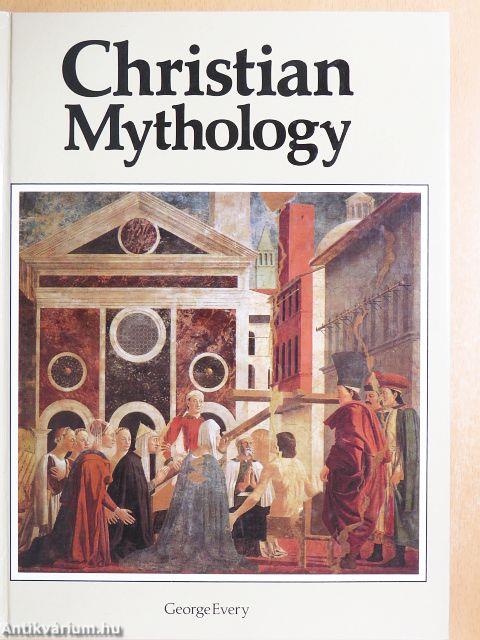
Front cover illustration: The miraculous verification of the true cross of Christ. Detail of a painting by Piero della Francesca, Church of Saint Francis, Arezzo. Photograph-Scala, Amelia.
Back cover illustration: Pentecost from a thirteenth-century French manuscript. British Library, London. Vissza


Témakörök

George Every
George Every műveinek az Antikvarium.hu-n kapható vagy előjegyezhető listáját itt tekintheti meg: George Every könyvek, művekMegvásárolható példányok
Állapotfotók
Állapot:
Jó
3.540 ,-Ft
18
pont kapható
Kosárba
 Folytatás Microsoft-tal