Fülszöveg
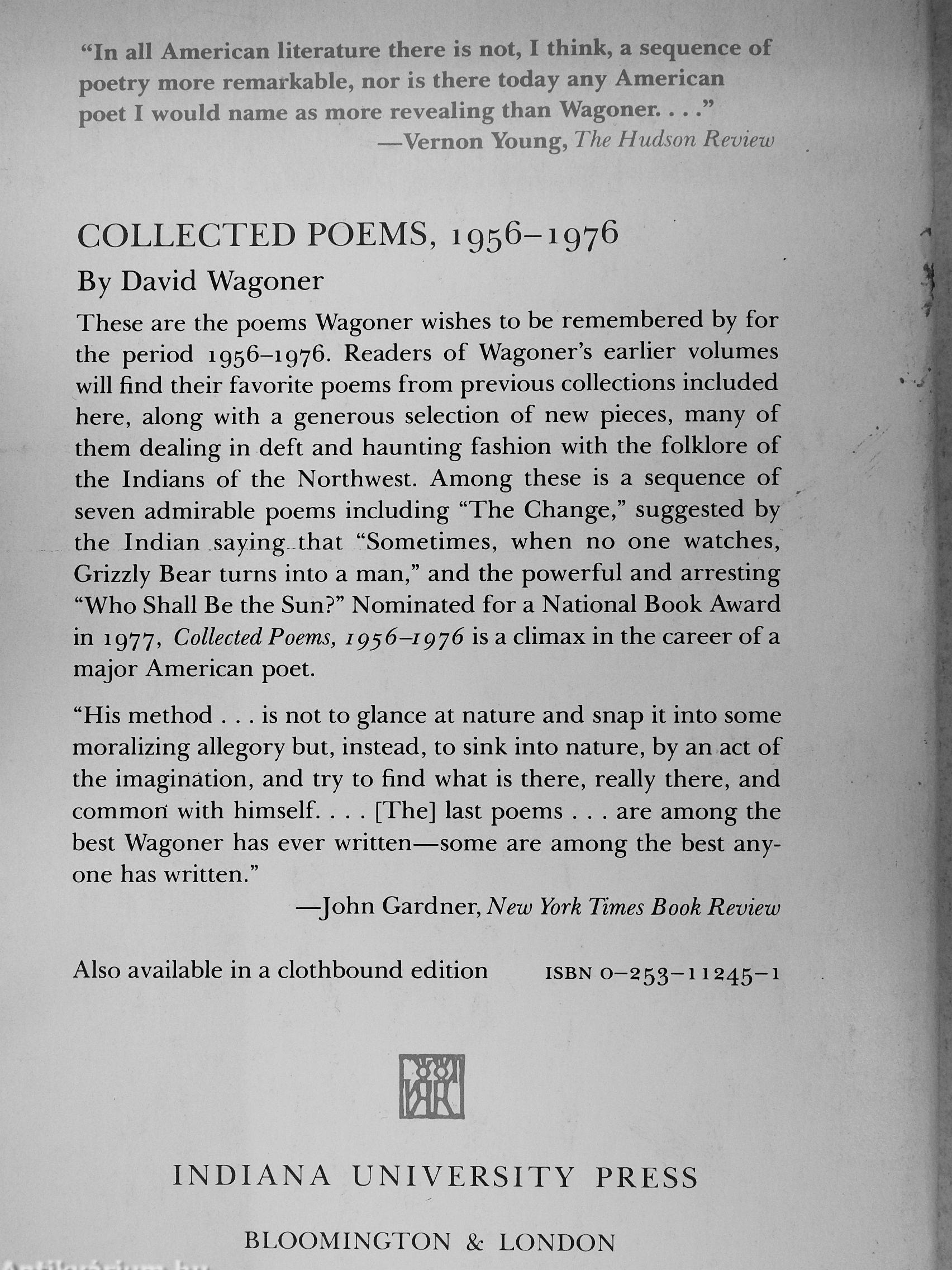
"In all American literature there is not, I think, a sequence of poetry more remarkable, nor is there today any American poet I would name as more revealing than Wagoner. . "
—Vernon Young, The Hudson Review
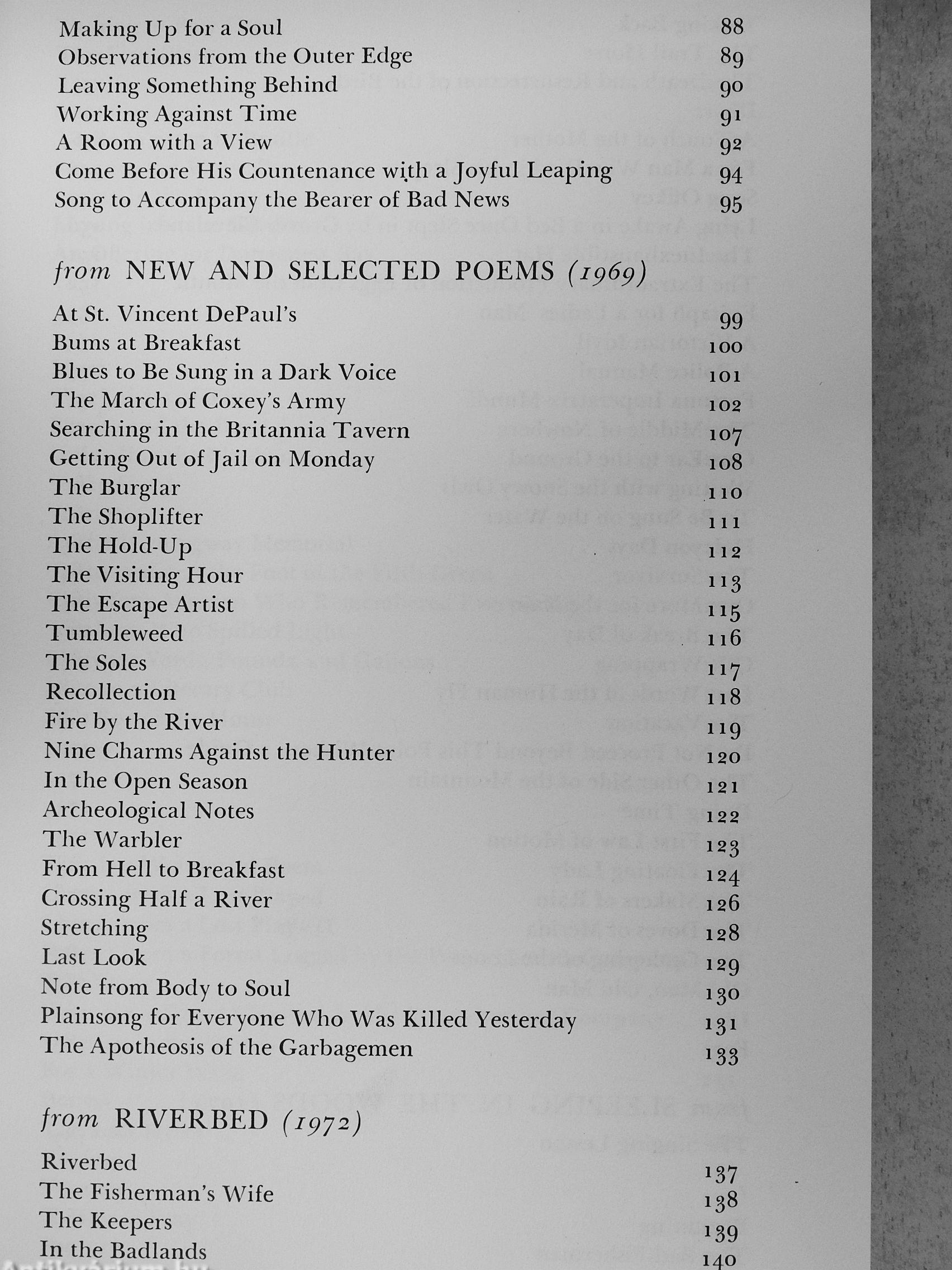
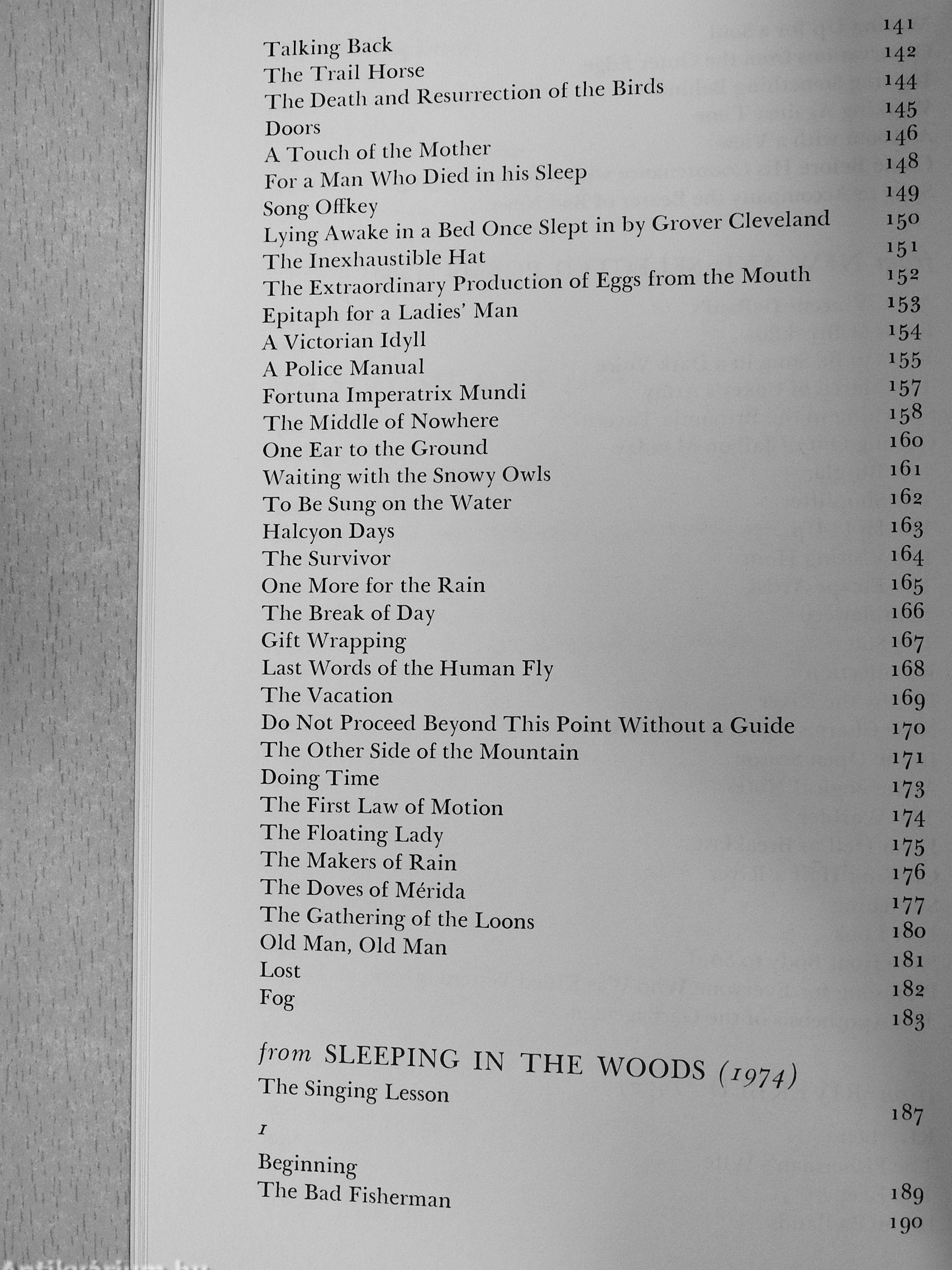
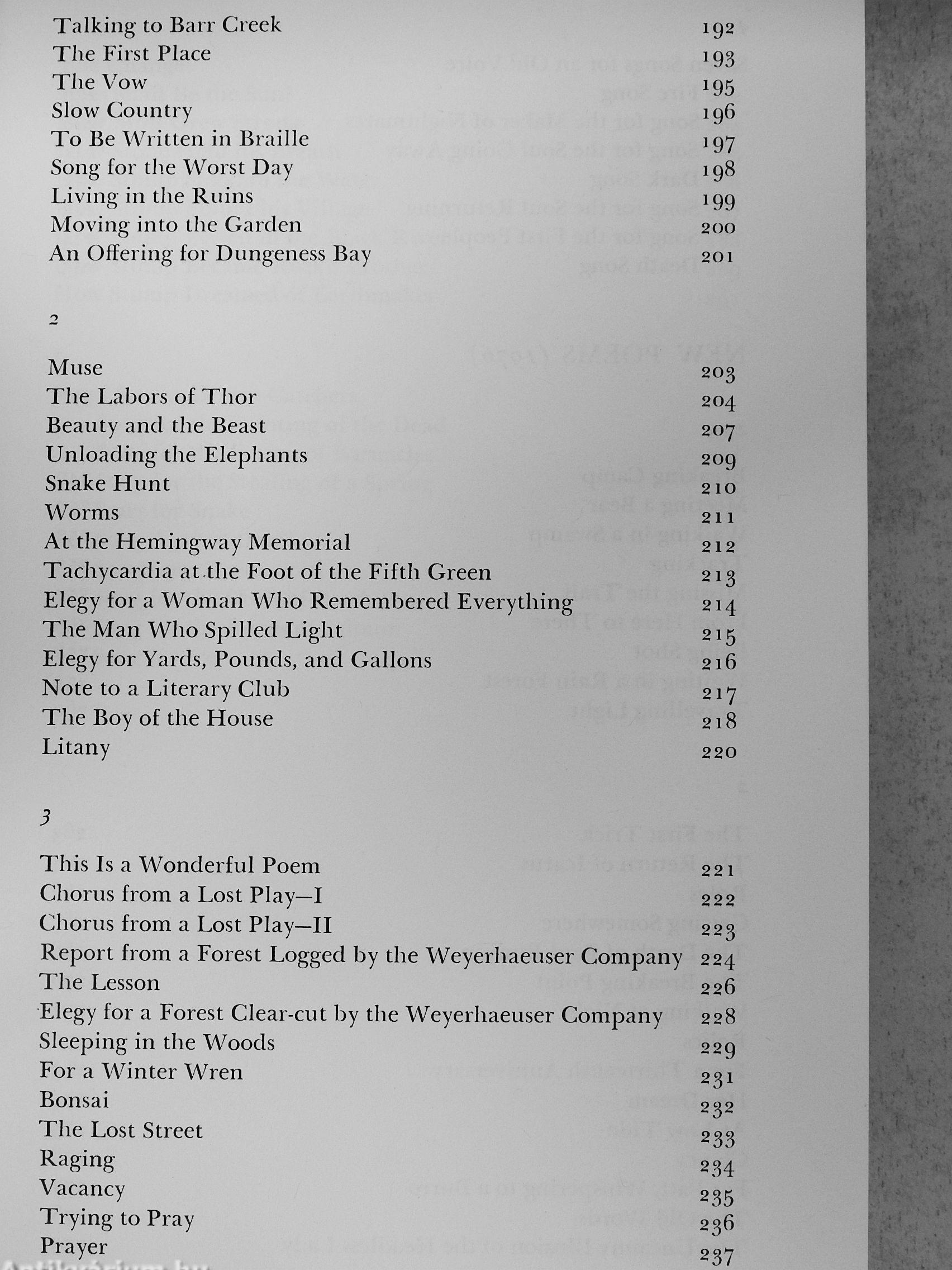
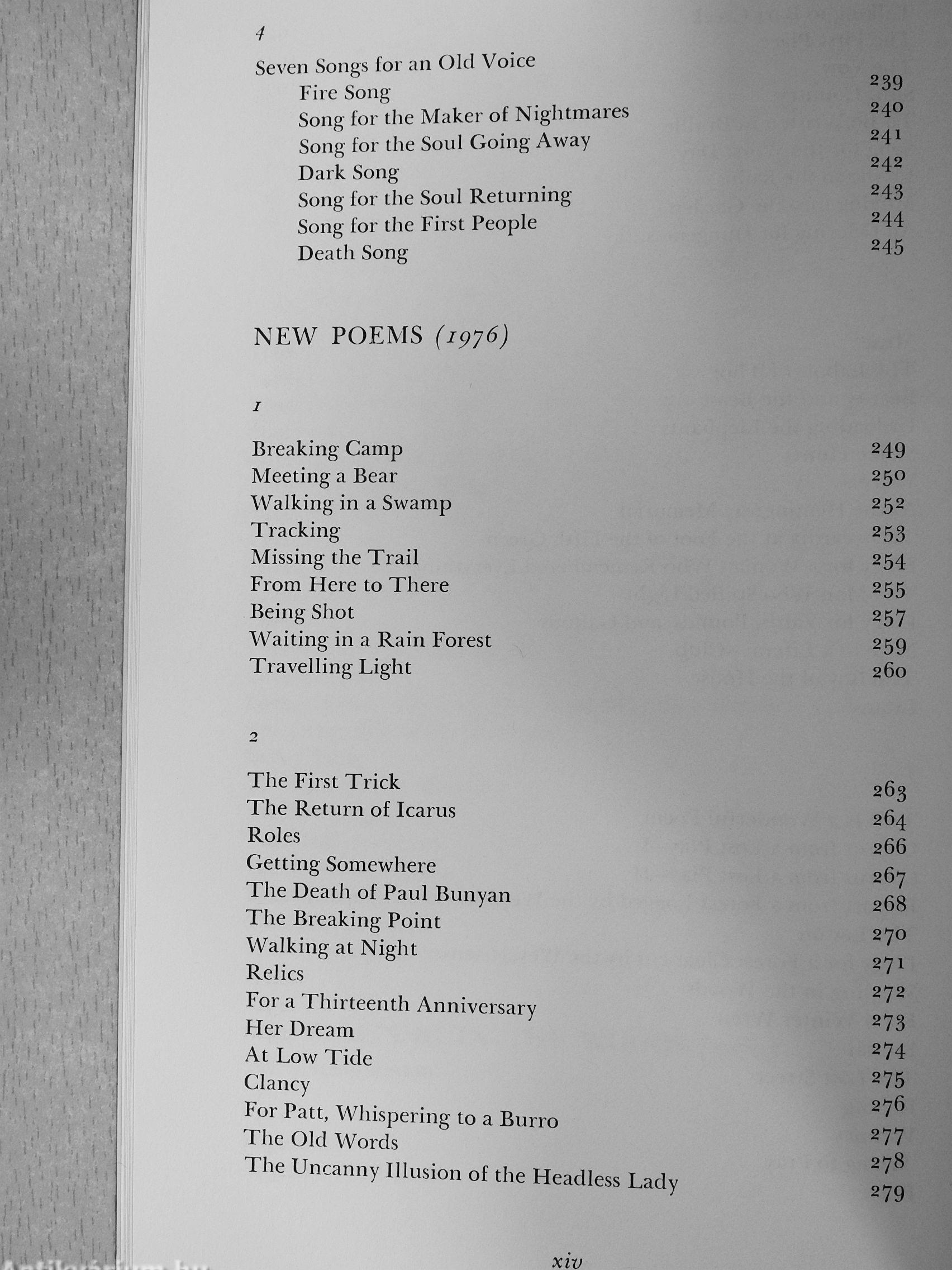
COLLECTED POEMS, 1956-1976 By David Wagoner
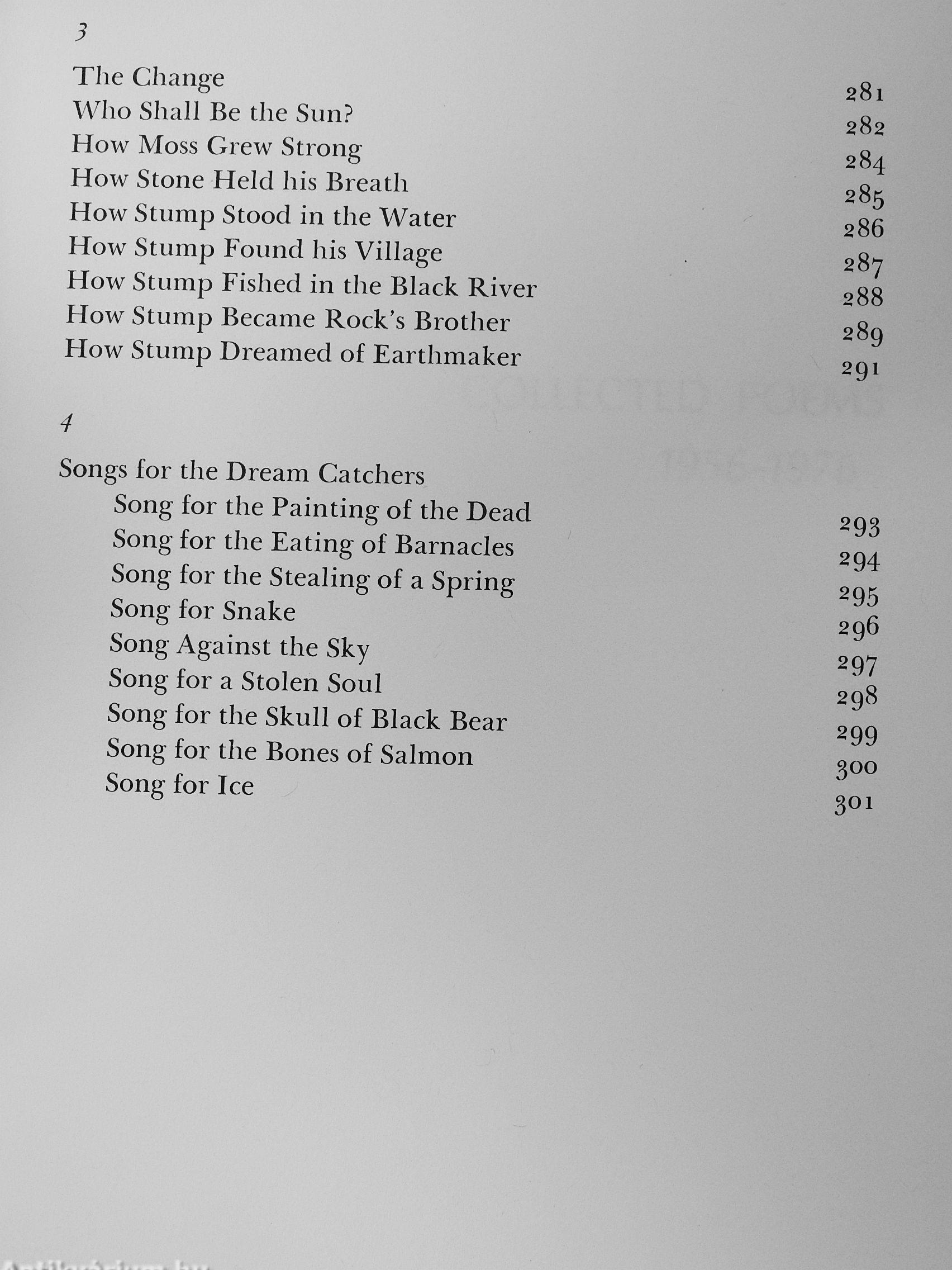
These are the poems Wagoner wishes to be remembered by for the period 1956-1976. Readers of Wagoner's earlier volumes will find their favorite poems from previous collections included here, along with a generous selection of new pieces, many of them dealing in deft and haunting fashion with the folklore of the Indians of the Northwest. Among these is a sequence of seven admirable poems including "The Change," suggested by the Indian saying that "Sometimes, when no one watches, Grizzly Bear turns into a man," and the powerful and arresting "Who Shall Be the Sun?" Nominated for a National Book Award in 1977, Collected Poems, ig^6-igj6 is a climax in the career of a major American poet.
"His method is not to glance at nature and...
Tovább
Fülszöveg
"In all American literature there is not, I think, a sequence of poetry more remarkable, nor is there today any American poet I would name as more revealing than Wagoner. . "
—Vernon Young, The Hudson Review
COLLECTED POEMS, 1956-1976 By David Wagoner
These are the poems Wagoner wishes to be remembered by for the period 1956-1976. Readers of Wagoner's earlier volumes will find their favorite poems from previous collections included here, along with a generous selection of new pieces, many of them dealing in deft and haunting fashion with the folklore of the Indians of the Northwest. Among these is a sequence of seven admirable poems including "The Change," suggested by the Indian saying that "Sometimes, when no one watches, Grizzly Bear turns into a man," and the powerful and arresting "Who Shall Be the Sun?" Nominated for a National Book Award in 1977, Collected Poems, ig^6-igj6 is a climax in the career of a major American poet.
"His method is not to glance at nature and snap it into some moralizing allegory but, instead, to sink into nature, by an act of the imagination, and try to find what is there, really there, and common with himself. . . . [The] last poems . . . are among the best Wagoner has ever written—some are among the best anyone has written."
—John Gardner, New York Times Book Review Also available in a clothbound edition isbn 0-253-11245-1
INDIANA UNIVERSITY PRESS BLOOMINGTON & LONDON
Vissza 





 Folytatás Microsoft-tal