Fülszöveg
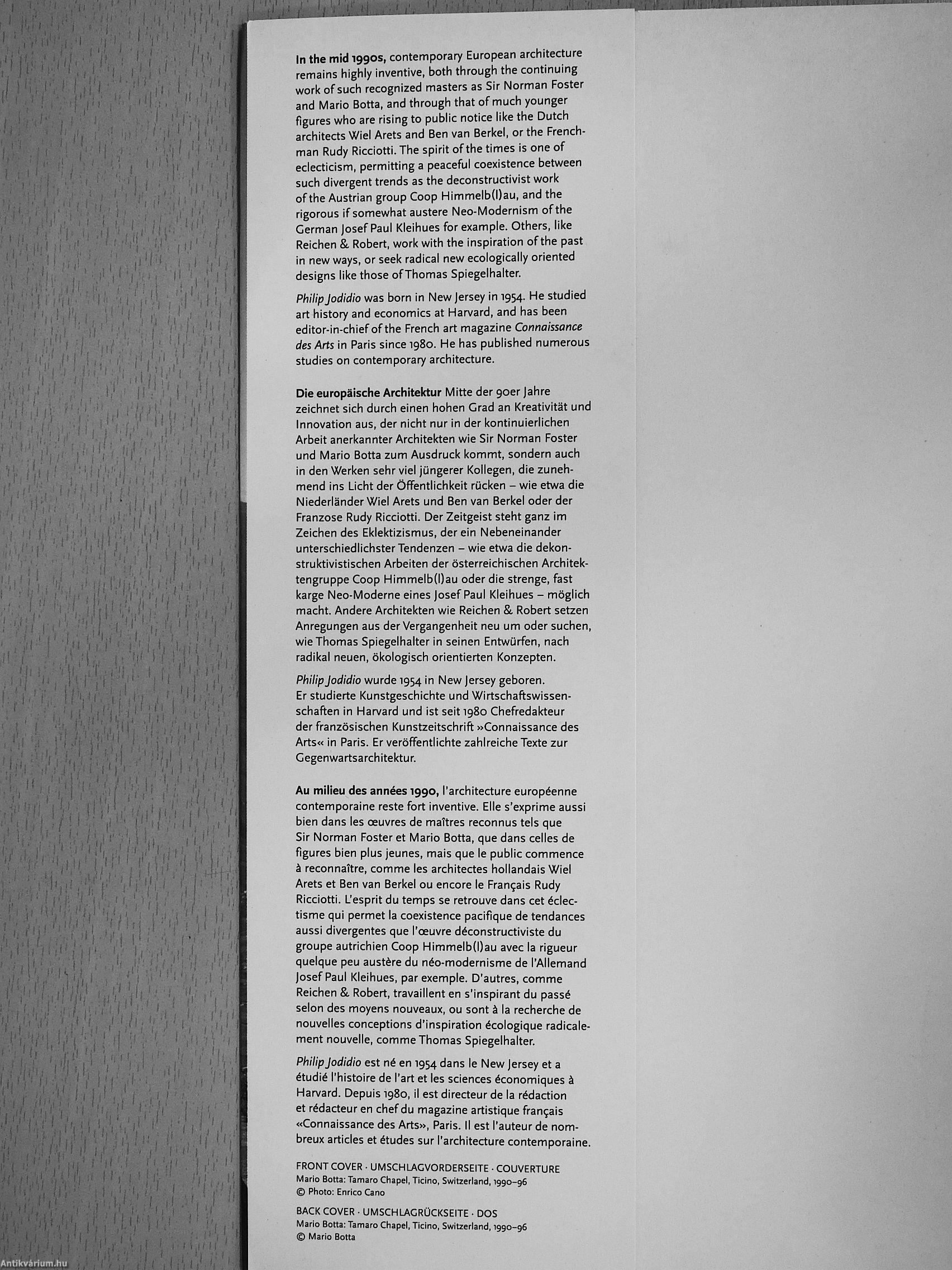
In the mid 1990s, contemporary European architecture remains highly inventive, both through the continuing i| ,. work of such recognized masters as Sir Norman Foster
' v'/:® ^^^^ younger
' * figures who are rising to public notice like the Dutch
architects Wiel Arets and Ben van Berkel, or the Frenchman Rudy Ricciotti. The spirit of the times is one of eclecticism, permitting a peaceful coexistence between such divergent trends as the deconstructivist work of the Austrian group Coop Himmelb(l)au, and the rigorous if somewhat austere Neo-Modernism of the German Josef Paul Kleihues for example. Others, like Reichen &. Robert, work with the inspiration of the past in new ways, or seek radical new ecologically oriented designs like those of Thomas Spiegelhalter. Philip Jodidio was born in New Jersey in 1954. He studied art history and economics at Harvard, and has been editor-in-chief of the French art magazine Connaissance des Arts in Paris since 1980. He has published numerous...
Tovább
Fülszöveg
In the mid 1990s, contemporary European architecture remains highly inventive, both through the continuing i| ,. work of such recognized masters as Sir Norman Foster
' v'/:® ^^^^ younger
' * figures who are rising to public notice like the Dutch
architects Wiel Arets and Ben van Berkel, or the Frenchman Rudy Ricciotti. The spirit of the times is one of eclecticism, permitting a peaceful coexistence between such divergent trends as the deconstructivist work of the Austrian group Coop Himmelb(l)au, and the rigorous if somewhat austere Neo-Modernism of the German Josef Paul Kleihues for example. Others, like Reichen &. Robert, work with the inspiration of the past in new ways, or seek radical new ecologically oriented designs like those of Thomas Spiegelhalter. Philip Jodidio was born in New Jersey in 1954. He studied art history and economics at Harvard, and has been editor-in-chief of the French art magazine Connaissance des Arts in Paris since 1980. He has published numerous studies on contempora^ architecture.
Die europäische Architektur Mitte der 90er Jahre zeichnet sich durch einen hohen Grad an Kreativität und Innovation aus, der nicht nur in der kontinuierlichen Arbeit anerkannter Architekten wie Sir Norman Foster und Mario Botta zum Ausdruck kommt, sondern auch in den Werken sehr viel jljngerer Kollegen, die zunehmend ins Licht der Öffentlichkeit rücken - wie etwa die Niederländer Wiel Arets und Ben van Berkel oder der Franzose Rudy Ricciotti. Der Zeitgeist steht ganz im Zeichen des Eklektizismus, der ein Nebeneinander unterschiedlichster Tendenzen - wie etwa die dekonstruktivistischen Arbeiten der österreichischen Architektengruppe Coop Himmelb(l)au oder die strenge, fast karge Neo-Moderne eines Josef Paul Kleihues - möglich macht. Andere Architekten wie Reichen &. Robert setzen Anregungen aus der Vergangenheit neu um oder suchen, wie Thomas Spiegelhalter in seinen Entwürfen, nach radikal neuen, ökologisch orientierten Konzepten.
Philip Jodidio wurde 1954 in New Jersey geboren. Er studierte Kunstgeschichte und Wirtschaftswissenschaften in Harvard und ist seit 1980 Chefredakteur der französischen Kunstzeitschrift »Connaissance des Arts« in Paris. Er veröffentlichte zahlreiche Texte zur Cegenwartsarchitektur.
Au milieu des années 1990, l'architecture européenne contemporaine reste fort inventive. Elle s'exprime aussi bien dans les ouvres de maîtres reconnus tels que Sir Norman Foster et Mario Botta, que dans celles de figures bien plus jeunes, mais que le public commence a reconnaître, comme les architectes hollandais Wiel Arets et Ben van Berkel ou encore le Français Rudy Ricciotti. L'esprit du temps se retrouve dans cet éclectisme qui permet la coexistence pacifique de tendances aussi divergentes que l'ouvre déconstructiviste du groupe autrichien Coop Himmelb(l)au avec la rigueur quelque peu austere du néo-modernisme de l'Allemand losef Paul Kleihues, par exemple. D'autres, comme Reichen &. Robert, travaillent en s'inspirant du passé selon des moyens nouveaux, ou sont a la recherche de nouvelles conceptions d'inspiration écologique radicalement nouvelle, comme Thomas Spiegelhalter.
Philip Jodidio est né en 1954 dans le New Jersey et a étudié l'histoire de l'art et les sciences économiques a Harvard. Depuis 1980, il est directeur de la rédaction et rédacteur en chef du magazine artistique français «Connaissance des Arts», Paris. II est l'auteur de nombreux articles et études sur l'architecture contemporaine.
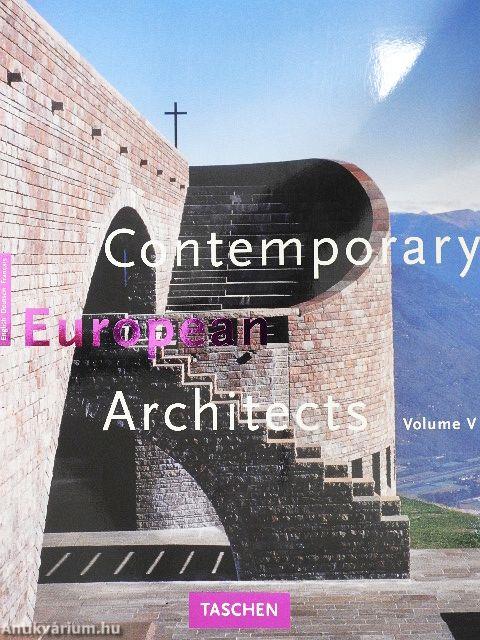
FRONT COVER • UMSCHLAGVORDERSEITE • COUVERTURE Mario Botta; Tamaro Chapel. Ticino, Switzerland, 1990-96 © Photo; Enrico Cano
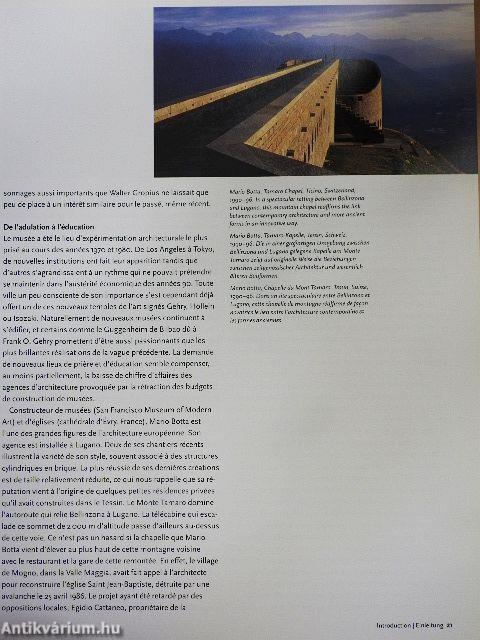
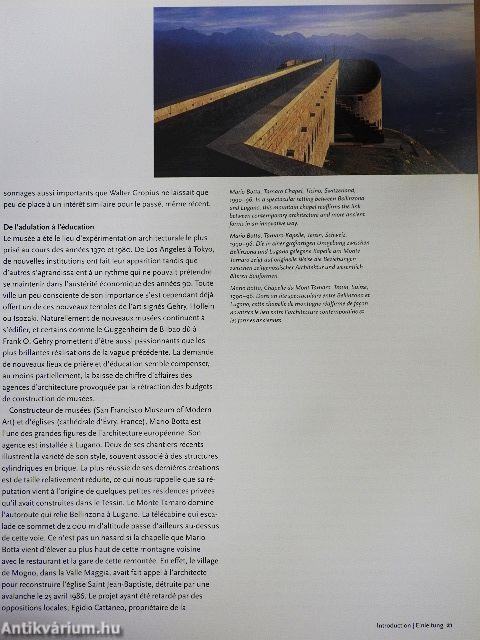
BACK COVER • UMSCHLACRÜCKSEITE • DOS Mario Botta: Tamaro Chapel. TlcIno, Switzerland, 1990-96 (g) Mario Botta
Vissza 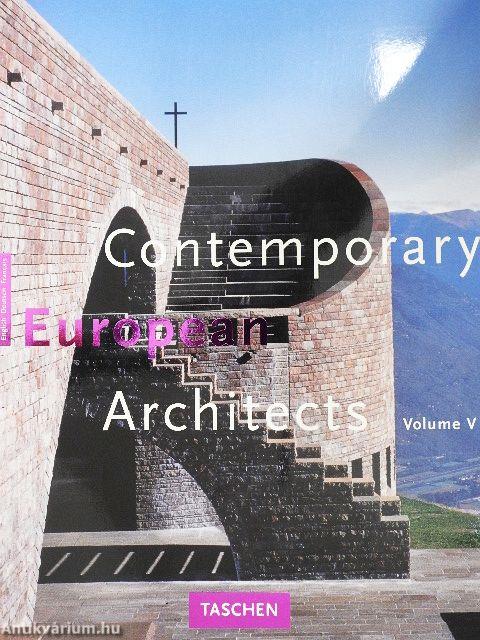



 Folytatás Microsoft-tal