Fülszöveg
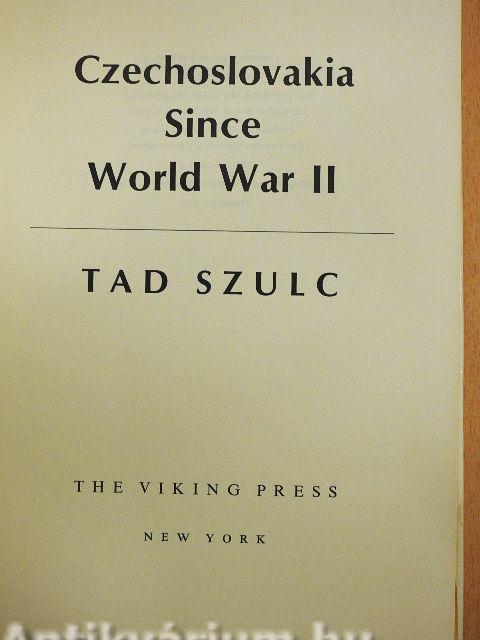
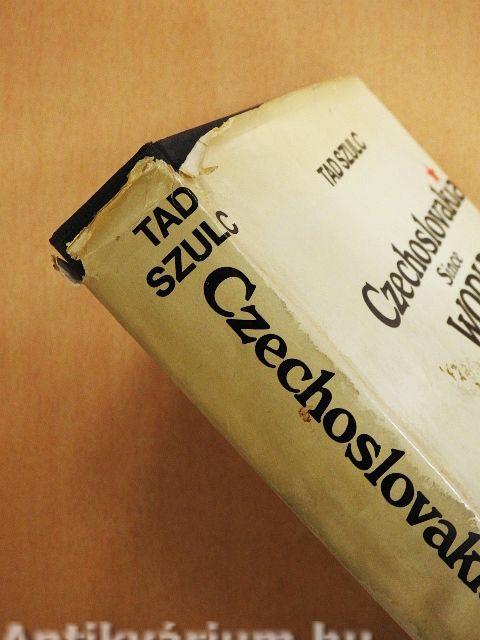
1 Since
C2cchoslovakîa^''ÎS^I3
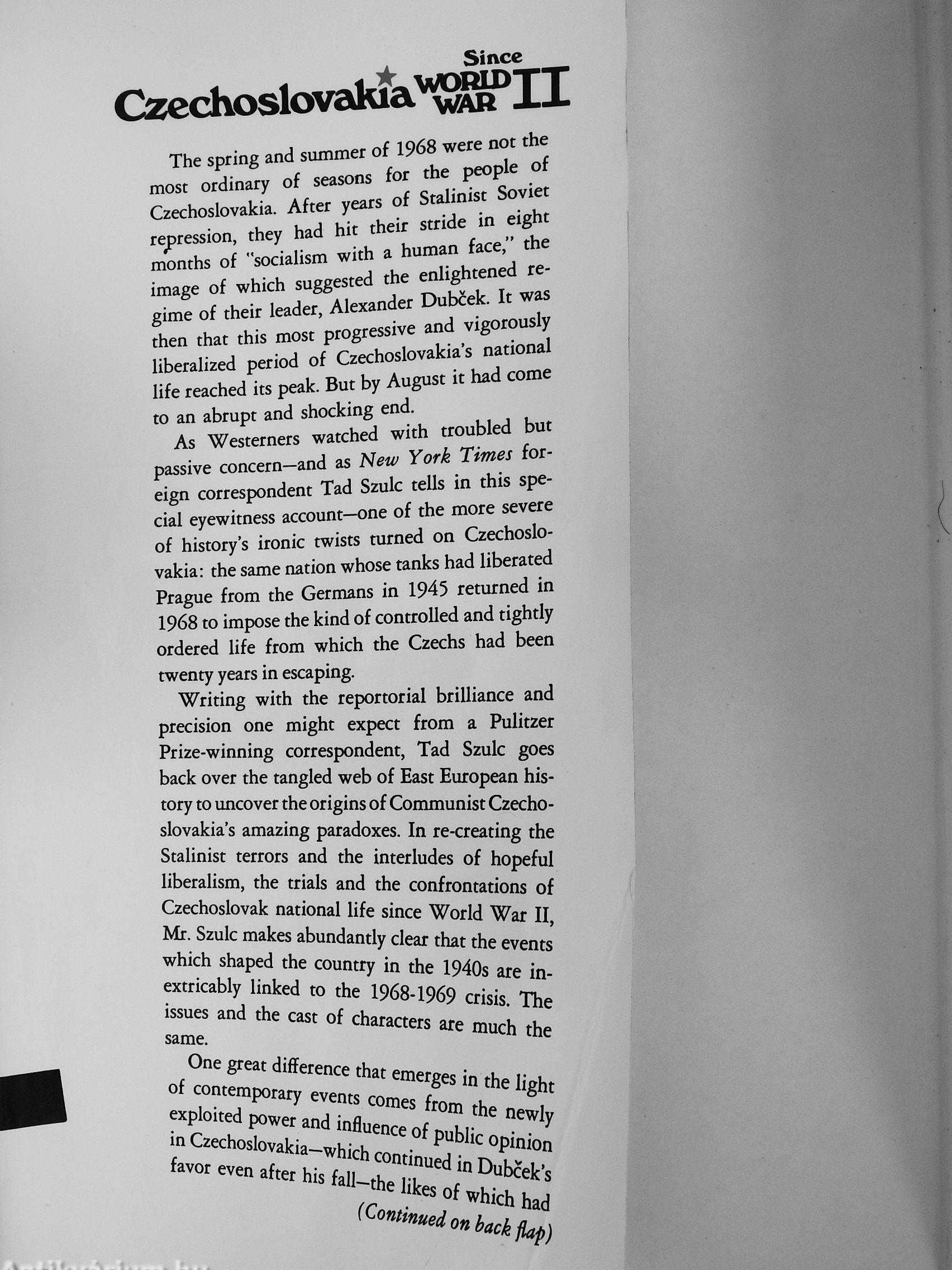
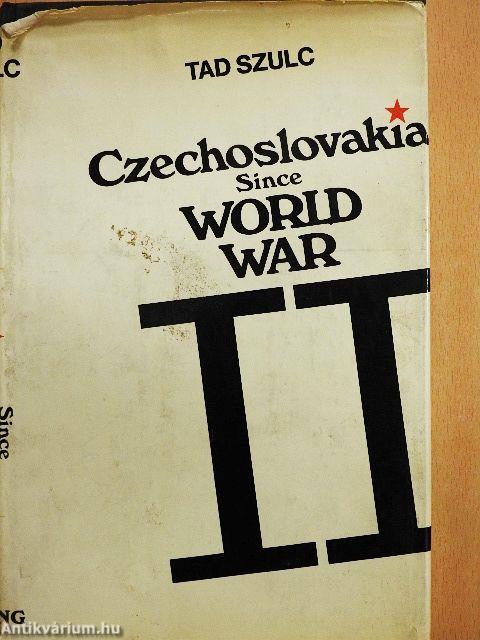
Tlie spring and summer of 1968 were not the most ordinary of seasons for the people of Czechoslovakia. After years of Stalinist Soviet regression, they had hit their stride in eight months of "socialism with a human face," the image of which suggested the enlightened regime of their leader, Alexander Dubfek. It was then that this most progressive and vigorously liberalized period of Czechoslovakia's national life reached its peak. But by August it had come to an abrupt and shocking end.
As Westerners watched with troubled but passive concern—and as New York Times foreign correspondent Tad Szulc tells in this special eyewitness account—one of the more severe of history's ironic twists turned on Czechoslovakia: the same nation whose tanks had liberated Prague from the Germans in 1945 returned in 1968 to impose the kind of controlled and tightly ordered life from which the Czechs had been twenty years in escaping.
Writing with the reportorial...
Tovább
Fülszöveg
1 Since
C2cchoslovakîa^''ÎS^I3
Tlie spring and summer of 1968 were not the most ordinary of seasons for the people of Czechoslovakia. After years of Stalinist Soviet regression, they had hit their stride in eight months of "socialism with a human face," the image of which suggested the enlightened regime of their leader, Alexander Dubfek. It was then that this most progressive and vigorously liberalized period of Czechoslovakia's national life reached its peak. But by August it had come to an abrupt and shocking end.
As Westerners watched with troubled but passive concern—and as New York Times foreign correspondent Tad Szulc tells in this special eyewitness account—one of the more severe of history's ironic twists turned on Czechoslovakia: the same nation whose tanks had liberated Prague from the Germans in 1945 returned in 1968 to impose the kind of controlled and tightly ordered life from which the Czechs had been twenty years in escaping.
Writing with the reportorial brilliance and precision one might expect from a Pulitzer Prize-winning correspondent, Tad Szulc goes back over the tangled web of East European history to uncover the origins of Communist Czechoslovakia's amazing paradoxes. In re-creating the Stalinist terrors and the interludes of hopeful liberalism, the trials and the confrontations of Czechoslovak national life since World War II, Mr. Szulc makes abundantly clear that the events which shaped the country in the 1940s are inextricably linked to the 1968-1969 crisis. The issues and the cast of characters are much the same.
One great difference that emerges in the light of contemporary events comes from the newly exploited power and influence of public opinion m Czechoslovakia-which continued in Dubcek's
favor even after his fall-theJikes of which had
((Continued on back flap)
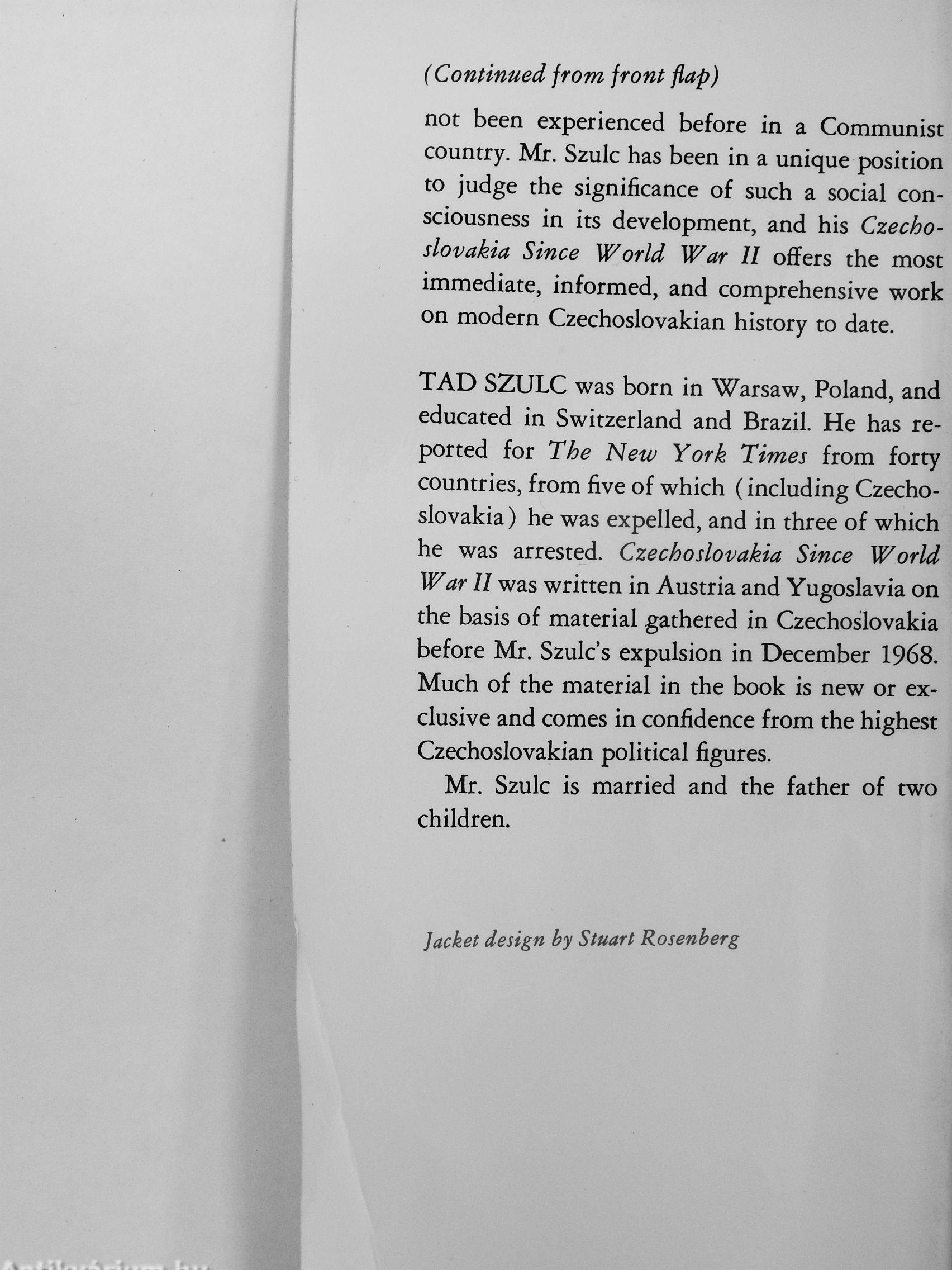
{Continued, from front flap)
not been experienced before in a Communist country. Mr. Szulc has been in a unique position to judge the significance of such a social consciousness in its development, and his Czechoslovakia Since World War II offers the most immediate, informed, and comprehensive work on modern Czechoslovakian history to date.
TAD SZULC was born in Warsaw, Poland, and educated in Switzerland and Brazil. He has reported for The New York Times from forty countries, from five of which (including Czechoslovakia ) he was expelled, and in three of which he was arrested. Czechoslovakia Since World War II was written in Austria and Yugoslavia on the basis of material gathered in Czechoslovakia before Mr. Szulc's expulsion in December 1968. Much of the material in the book is new or exclusive and comes in confidence from the highest Czechoslovakian political figures.
Mr. Szulc is married and the father of two children.
Jacket design by Stuart Rosenberg
Vissza 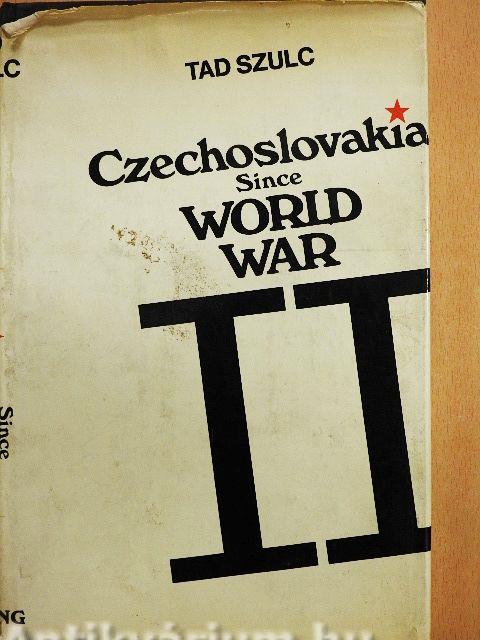



 Folytatás Microsoft-tal