Fülszöveg
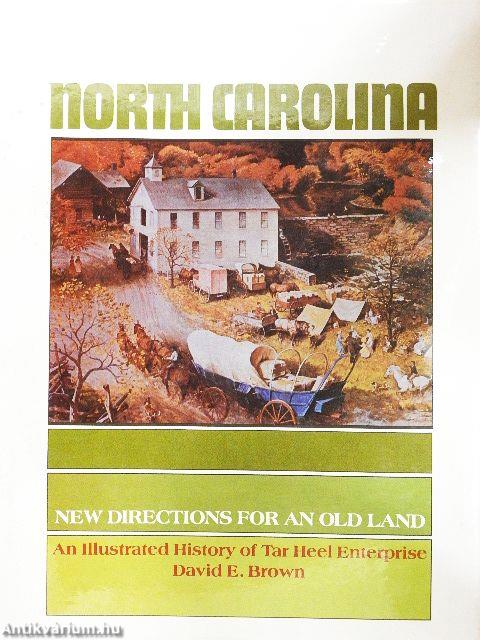
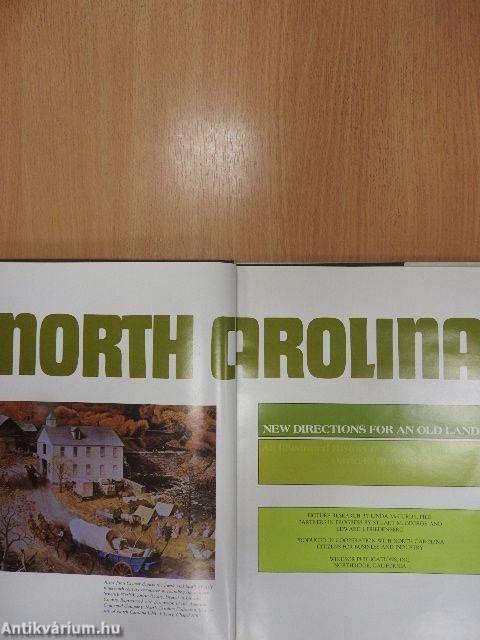
Preservation and innovation? Had Archibald D. Murphey glanced through Nonb Carolina: New Directions For An Old Land, he would have been taken aback by some of the chapter titles. State Senator Murphey sought to advance commercial activities by improving roads and waterways at the beginning of the nineteenth century. When he first preached economic development to his peers, preservation was a way of life and innovation was an inspirational word which had not yet entered into North Carolina parlance.
With first-rate skill and the pride of a native son, author David E. Brown traces an industrial history far more dramatic than most: a series of leaps and bounds into the twentieth century which diverges from the long, evolutionary paths pursued by the Mid-Atlantic and New England states.
Tar Heel enterprise originally sprung from the land. Yet, natural wealth, combined with poor transportation, bolstered individual self-sufficiency at the expense of larger economic growth....
Tovább
Fülszöveg
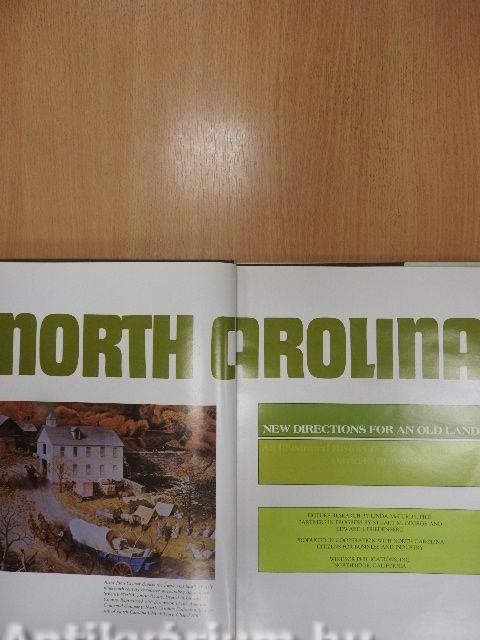
Preservation and innovation? Had Archibald D. Murphey glanced through Nonb Carolina: New Directions For An Old Land, he would have been taken aback by some of the chapter titles. State Senator Murphey sought to advance commercial activities by improving roads and waterways at the beginning of the nineteenth century. When he first preached economic development to his peers, preservation was a way of life and innovation was an inspirational word which had not yet entered into North Carolina parlance.
With first-rate skill and the pride of a native son, author David E. Brown traces an industrial history far more dramatic than most: a series of leaps and bounds into the twentieth century which diverges from the long, evolutionary paths pursued by the Mid-Atlantic and New England states.
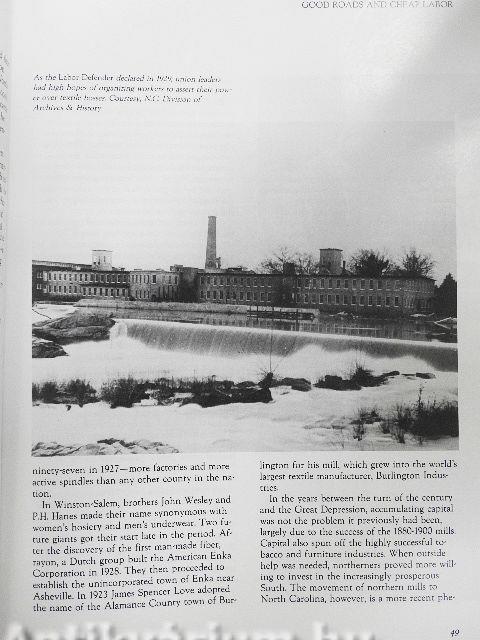
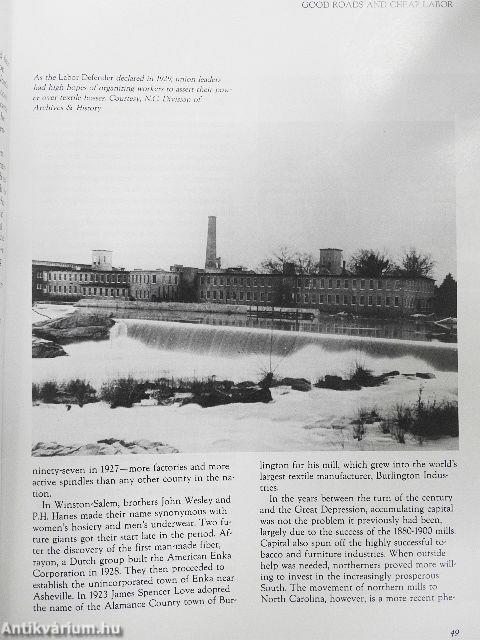
Tar Heel enterprise originally sprung from the land. Yet, natural wealth, combined with poor transportation, bolstered individual self-sufficiency at the expense of larger economic growth. Industrialization commenced only after early cotton millers saw their yarn return from the North as woven fabric—carrying a high price tag!
If North Carolina of the nineteenth century sought to emulate, North Carolina of the twentieth century sometimes dared to excel. Self-sufficiency persisted, but in a more positive way. The Research Triangle Park, for example,wisely utilized underdeveloped land, attracted future-oriented industries, and established North Carolina universities as pioneering educational institutions.
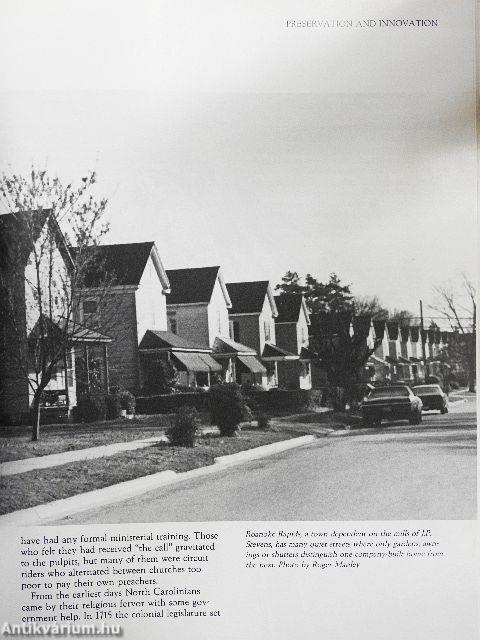
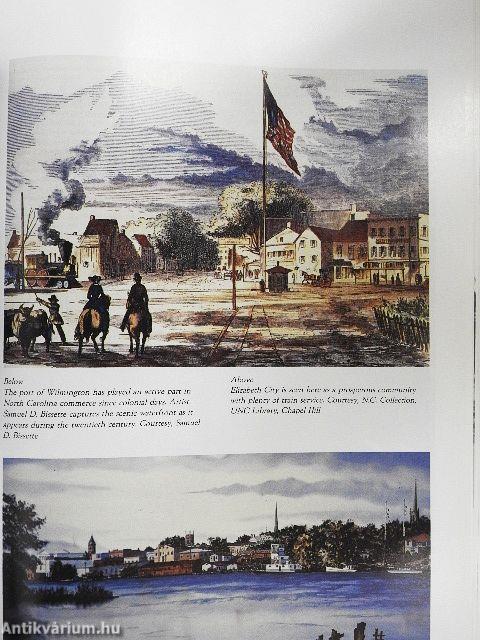
While author Brown probes innovative ideas and exceptional individuals, he never loses sight of ordinary, enterprising North Carolinians-small-scale farmers, Jugtown potters, and Harker's Island shipbuilders whose work fuses skill with subsistence. Highlighting Brown's compelling text, Linda McCurdy employs varied photographs, line drawings, memorabilia, and cartoons to evoke the most human aspects of Tar Heel industry. Finally, the "Partners in Progress" section, written by Stuart M. George and Edward J. Friedenberg, pays tribute to those business organizations which have supported this insightful book.
Vissza 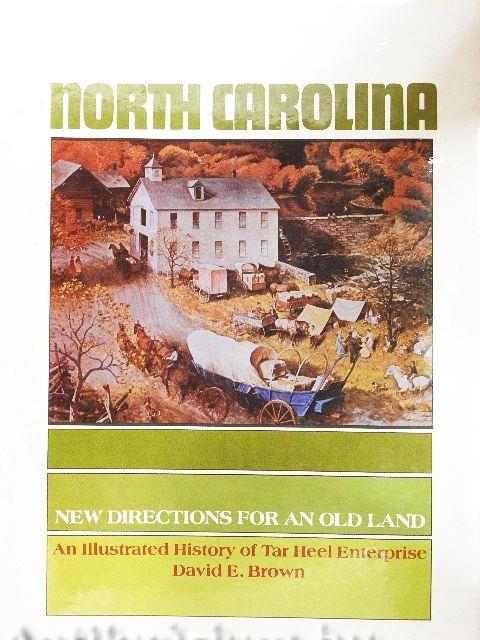




 Folytatás Microsoft-tal