
1.150.218
kiadvánnyal nyújtjuk Magyarország legnagyobb antikvár könyv-kínálatát

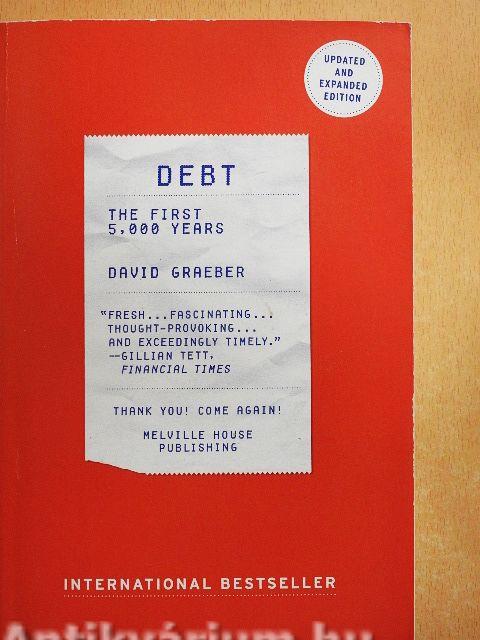
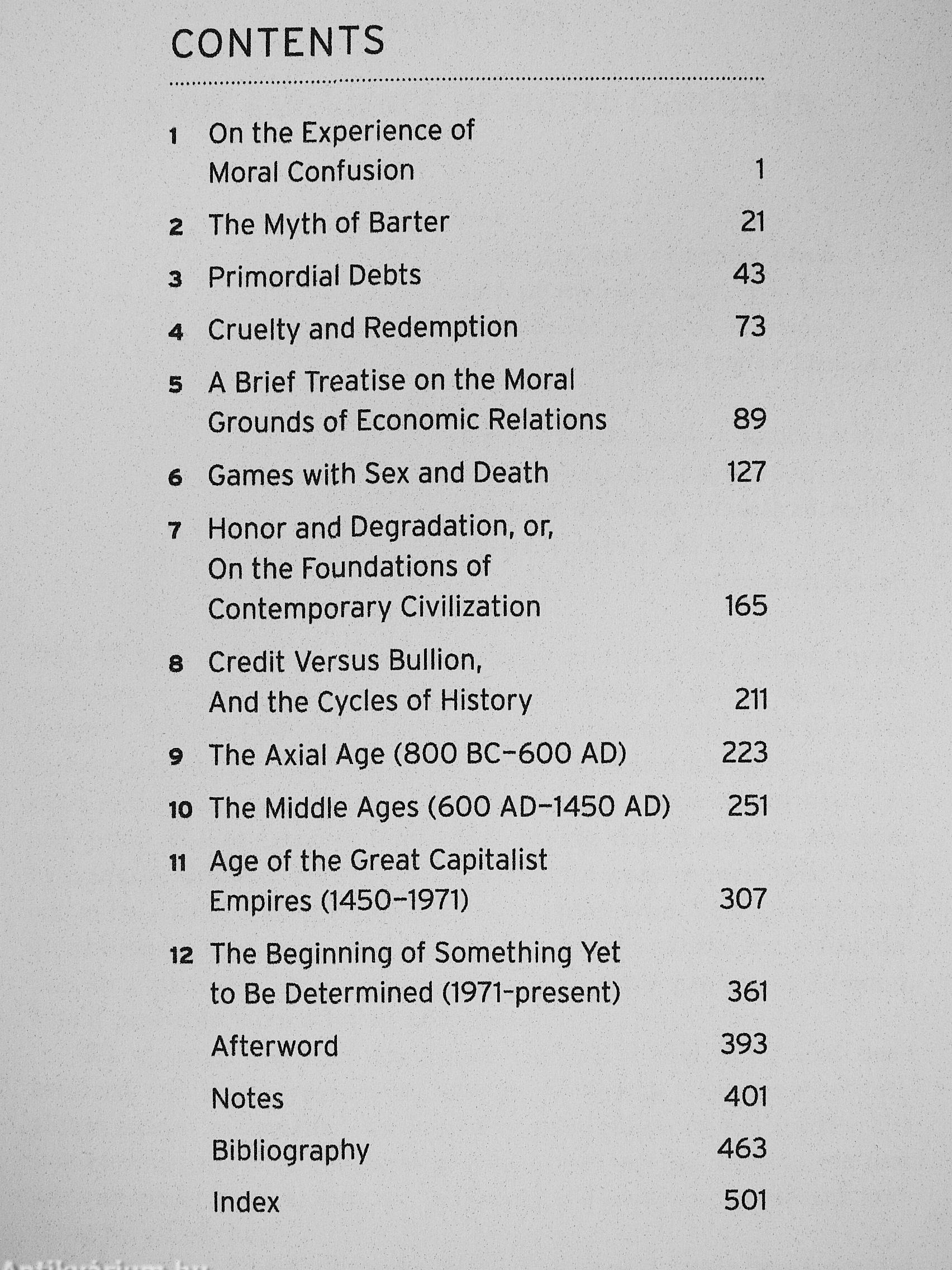
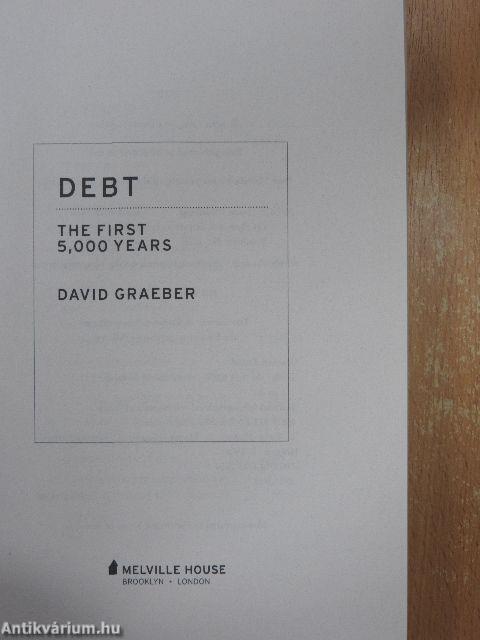
Debt
The First 5,000 Years
Brooklyn, NY-London
| Kiadó: | Melville House Publishing |
|---|---|
| Kiadás helye: | Brooklyn, NY-London |
| Kiadás éve: | |
| Kötés típusa: | Ragasztott papírkötés |
| Oldalszám: | 542 oldal |
| Sorozatcím: | |
| Kötetszám: | |
| Nyelv: | Angol |
| Méret: | 21 cm x 14 cm |
| ISBN: | 978-1-61219-419-6 |
Értesítőt kérek a kiadóról
A beállítást mentettük,
naponta értesítjük a beérkező friss
kiadványokról
naponta értesítjük a beérkező friss
kiadványokról
A beállítást mentettük,
naponta értesítjük a beérkező friss
kiadványokról
naponta értesítjük a beérkező friss
kiadványokról
Előszó
Tovább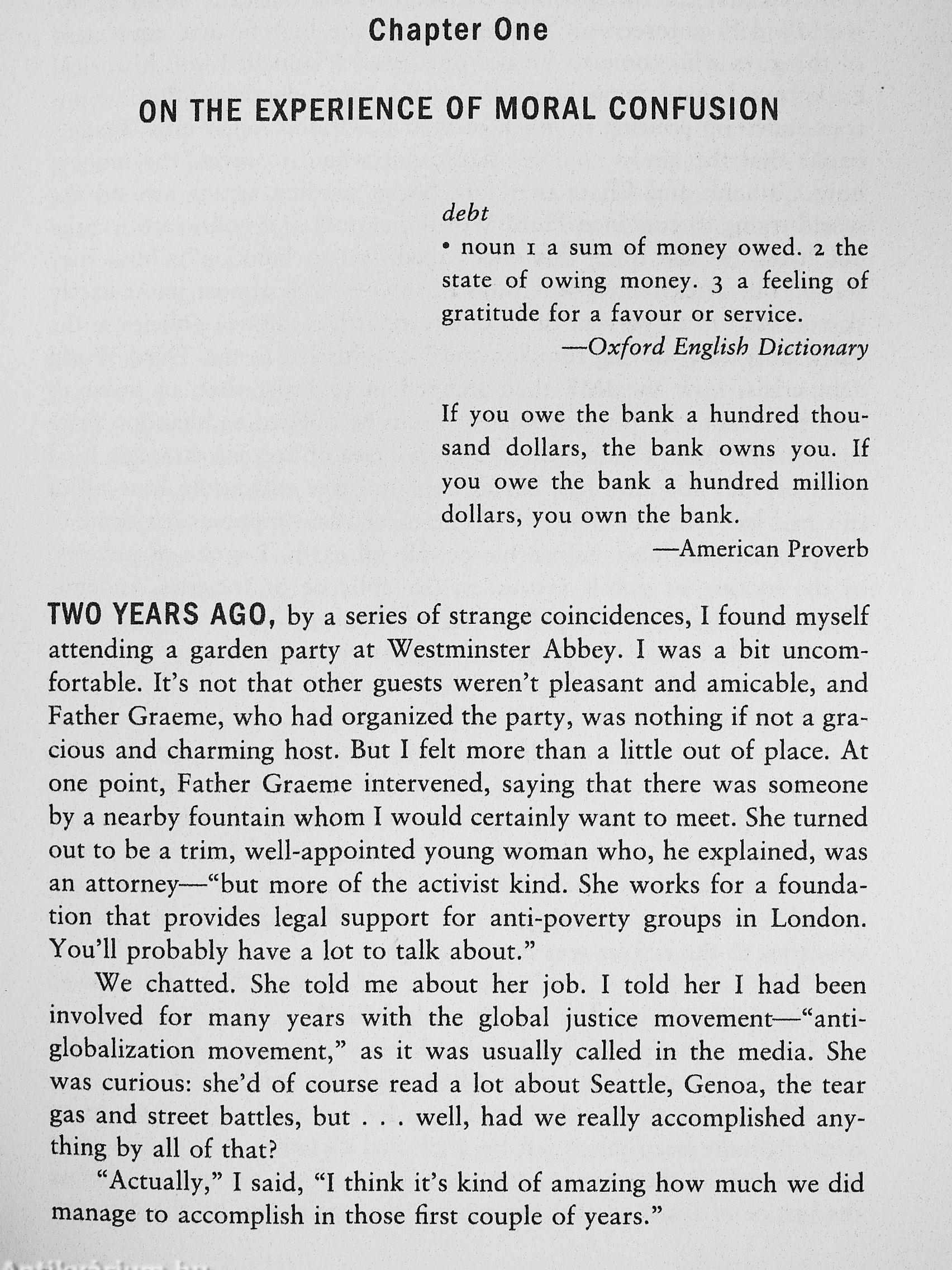
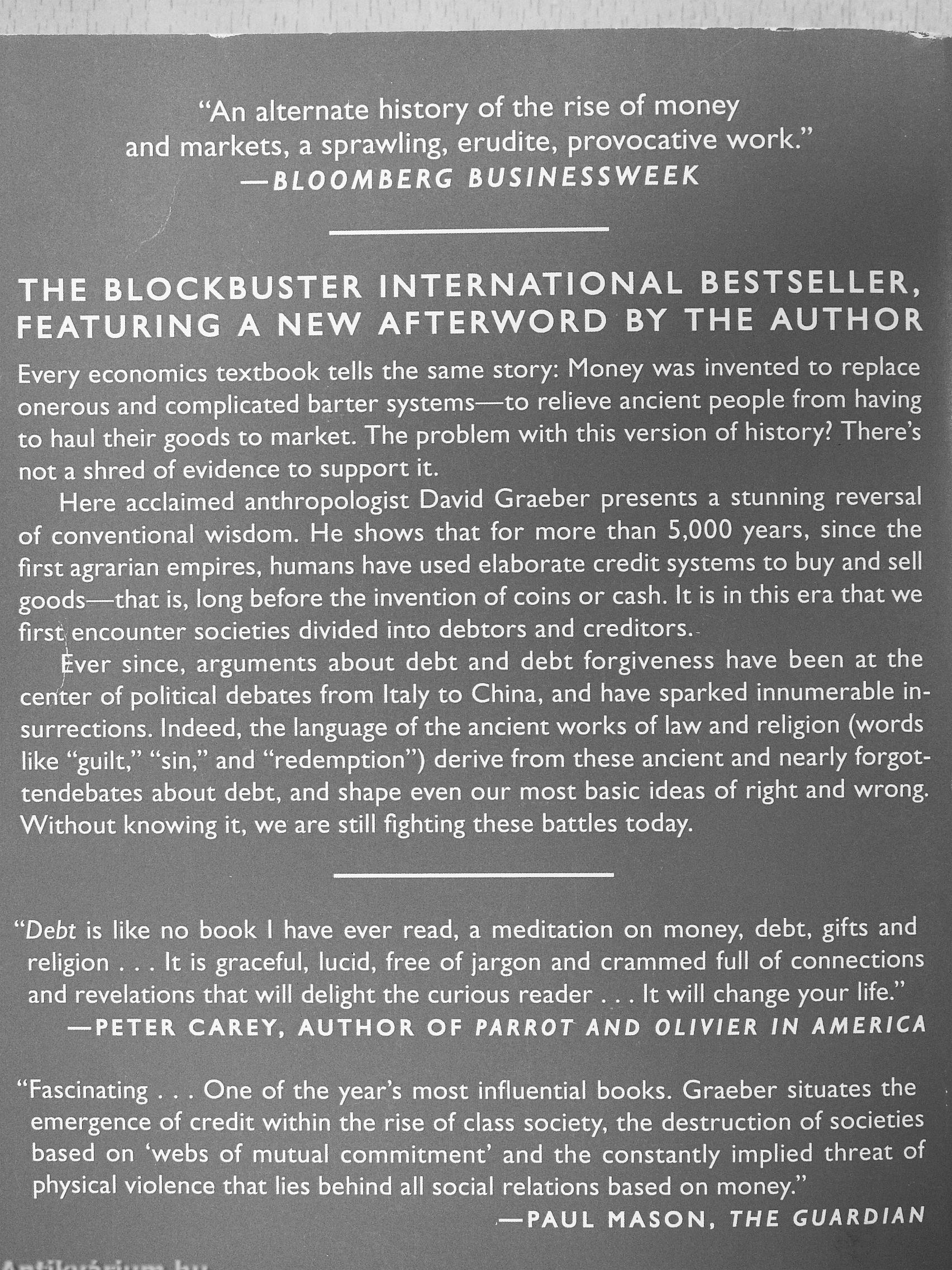
Fülszöveg
"An alternate history of the rise of money and markets, a sprawling, erudite, provocative work." — BLOOMBERG BUSINESSWEEK
THE BLOCKBUSTER INTERNATIONAL BESTSELLER, FEATURING A NEW AFTERWORD BY THE AUTHOR
Every economics textbook tells the same story: Money was invented to replace onerous and complicated barter systems—to relieve ancient people from having to haul their goods to market. The problem v/ith this version of history? There's not a shred of evidence to support it.
Here acclaimed anthropologist David Graeber presents a stunning reversal of conventional vsrisdom. He shows that for more than 5,000 years, since the first agrarian empires, humans have used elaborate credit systems to buy and sell goods—that is, long before the invention of coins or cash. It is in this era that we first encounter societies divided into debtors and creditors.
^ver since, arguments about debt and debt forgiveness have been at the cenfter of political debates from Italy to China, and have... Tovább
Fülszöveg
"An alternate history of the rise of money and markets, a sprawling, erudite, provocative work." — BLOOMBERG BUSINESSWEEK
THE BLOCKBUSTER INTERNATIONAL BESTSELLER, FEATURING A NEW AFTERWORD BY THE AUTHOR
Every economics textbook tells the same story: Money was invented to replace onerous and complicated barter systems—to relieve ancient people from having to haul their goods to market. The problem v/ith this version of history? There's not a shred of evidence to support it.
Here acclaimed anthropologist David Graeber presents a stunning reversal of conventional vsrisdom. He shows that for more than 5,000 years, since the first agrarian empires, humans have used elaborate credit systems to buy and sell goods—that is, long before the invention of coins or cash. It is in this era that we first encounter societies divided into debtors and creditors.
^ver since, arguments about debt and debt forgiveness have been at the cenfter of political debates from Italy to China, and have sparked innumerable insurrections. Indeed, the language of the ancient works of law and religion (words like "guilt," "sin," and "redemption") derive from these ancient and nearly forgot-tendebates about debt, and shape even our most basic ideas of right and wrong. Without knowing it, we are still fighting these battles today.
"Debt is like no book I have ever read, a meditation on money, debt, gifts and religion It is graceful, lucid, free of jargon and crammed full of connections and revelations that will delight the curious reader It will change your life."
— PETER CAREY. AUTHOR OF PARROT AND OLIVIER IN AMERICA
"Fascinating . . . One of the year's most influential books. Graeber situates the emergence of credit within the rise of class society, the destruction of societies based on 'webs of mutual commitment' and the constantly implied threat of physical violence that lies behind all social relations based on money."
— PAUL MASON. THE GUARDIAN Vissza
Témakörök
- Közgazdaságtan > Pénzügy > Hitel
- Közgazdaságtan > Pénzügy > Egyéb
- Közgazdaságtan > Közgazdasági elméletek > Egyéb
- Idegennyelv > Idegennyelvű könyvek > Angol > Közgazdaságtan > Pénzügy > Hitel
- Idegennyelv > Idegennyelvű könyvek > Angol > Közgazdaságtan > Közgazdasági elméletek > Egyéb
- Idegennyelv > Idegennyelvű könyvek > Angol > Közgazdaságtan > Pénzügy > Egyéb
- Idegennyelv > Idegennyelvű könyvek > Angol > Közgazdaságtan > Gazdaságtörténet
- Közgazdaságtan > Gazdaságtörténet

David Graeber
David Graeber műveinek az Antikvarium.hu-n kapható vagy előjegyezhető listáját itt tekintheti meg: David Graeber könyvek, művekMegvásárolható példányok
Nincs megvásárolható példány
A könyv összes megrendelhető példánya elfogyott. Ha kívánja, előjegyezheti a könyvet, és amint a könyv egy újabb példánya elérhető lesz, értesítjük.
 Folytatás Microsoft-tal