
1.151.794
kiadvánnyal nyújtjuk Magyarország legnagyobb antikvár könyv-kínálatát

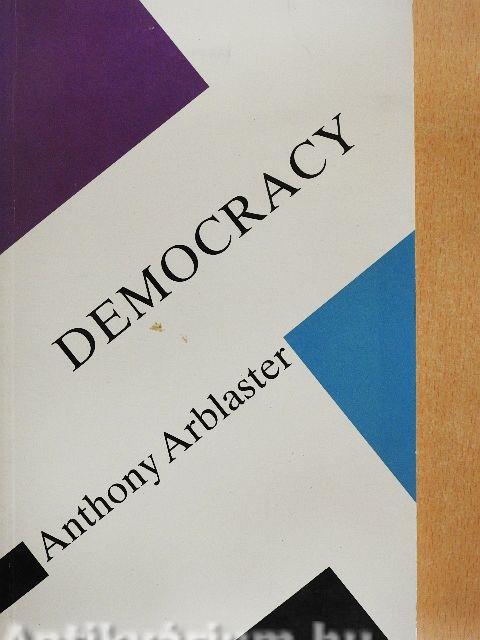
Democracy
Minneapolis
| Kiadó: | University of Minnesota Press |
|---|---|
| Kiadás helye: | Minneapolis |
| Kiadás éve: | |
| Kötés típusa: | Ragasztott papírkötés |
| Oldalszám: | 119 oldal |
| Sorozatcím: | Concepts in Social Thought |
| Kötetszám: | |
| Nyelv: | Angol |
| Méret: | 21 cm x 14 cm |
| ISBN: | 0-8166-1665-5 |
Értesítőt kérek a kiadóról
Értesítőt kérek a sorozatról
A beállítást mentettük,
naponta értesítjük a beérkező friss
kiadványokról
naponta értesítjük a beérkező friss
kiadványokról
A beállítást mentettük,
naponta értesítjük a beérkező friss
kiadványokról
naponta értesítjük a beérkező friss
kiadványokról
Előszó
Tovább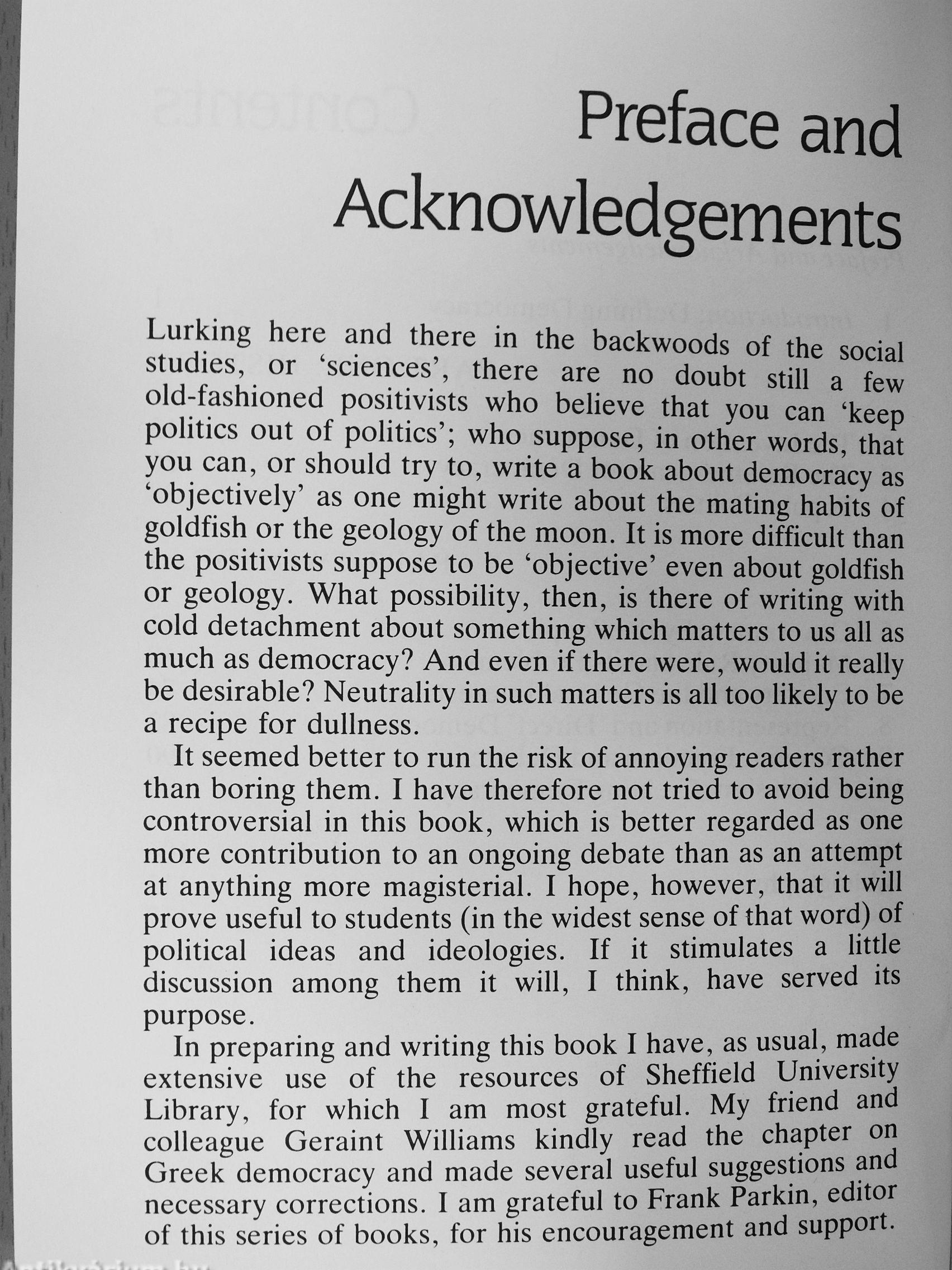
Fülszöveg
Concepts in Social Thought
Series Editor: Frank Parkin Magdalen College. Oxford
hi^n- 11V • :;
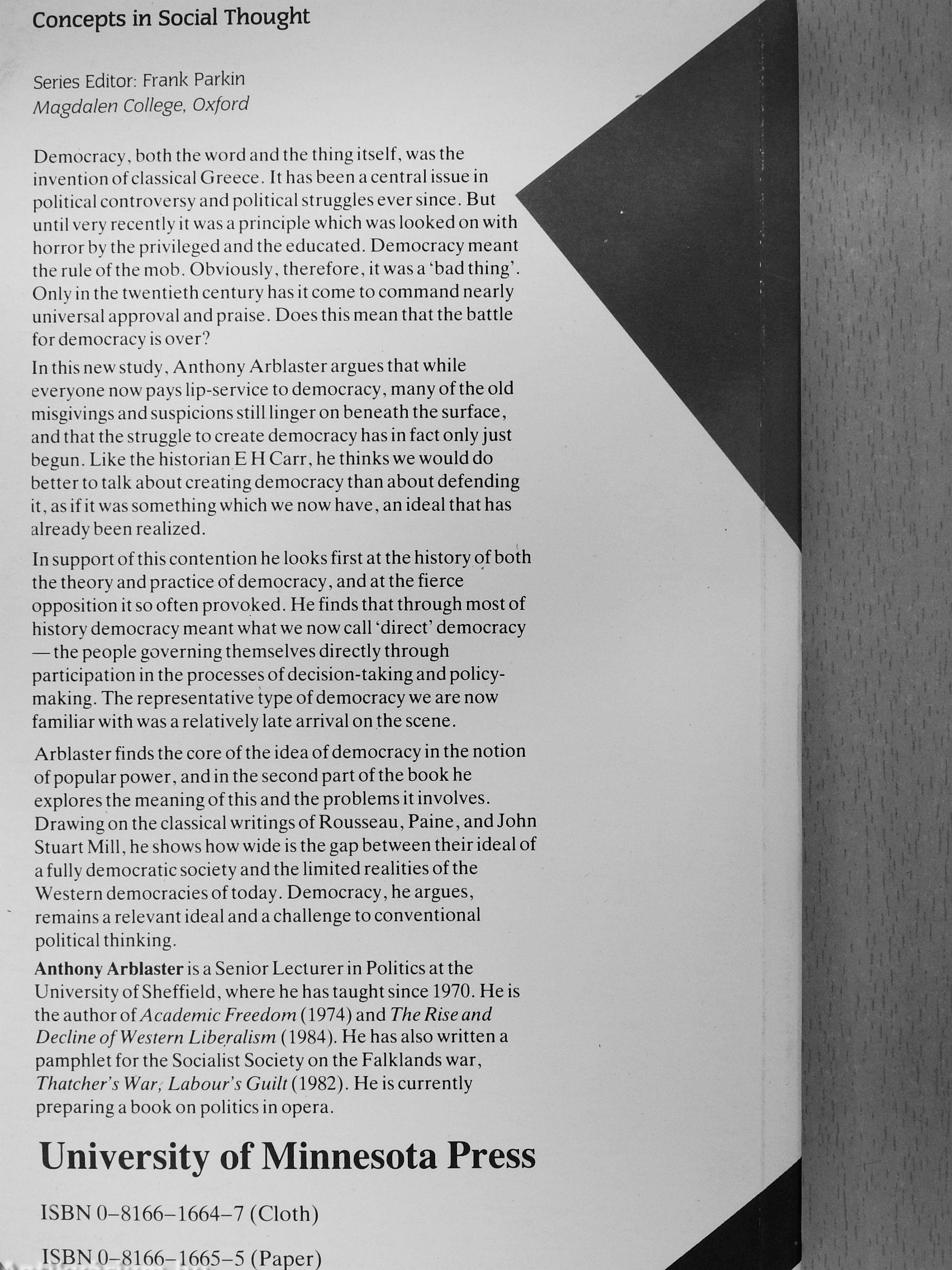
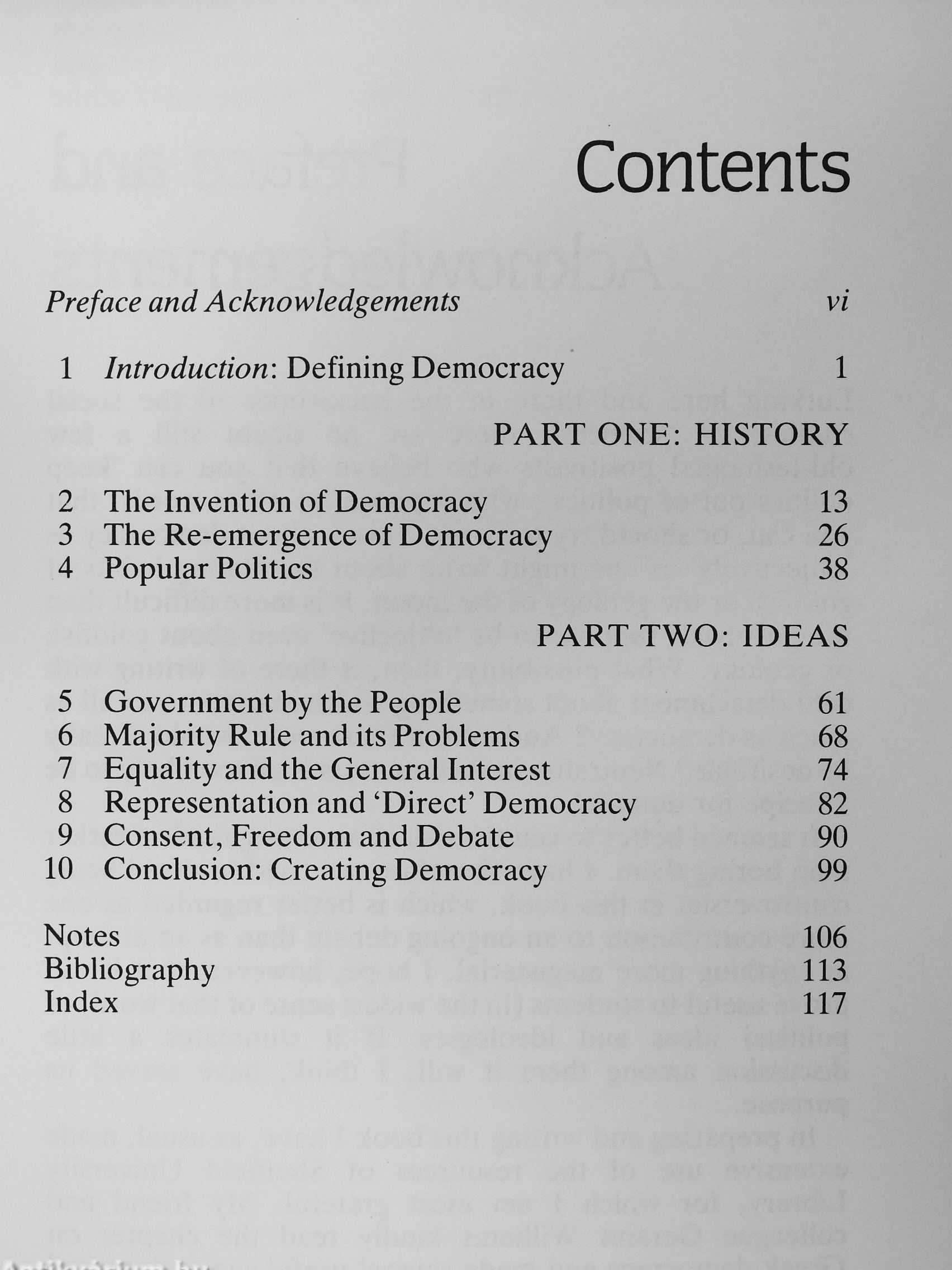
Democracy, both the word and the thing itself, was the invention of classical Greece. It has been a central issue in political controversy and pohtical struggles ever since. But until very recently it was a principle which was looked on with horror by the privileged and the educated. Democracy meant the rule of the mob. Obviously, therefore, it was a 'bad thing'. Only in the twentieth century has it come tocommand nearly universal approval and praise. Does this mean that the battle for democracy is over?
In this new study, Anthony Arblaster argues that while everyone now pays lip-service to democracy, many of the old misgivings and suspicions still linger on beneath the surface, and that the struggle to create democracy has in fact only just begun. Like the historian E H Carr, he thinks we would do better to talk about creating democracy than about defending it, as if it was... Tovább
Fülszöveg
Concepts in Social Thought
Series Editor: Frank Parkin Magdalen College. Oxford
hi^n- 11V • :;
Democracy, both the word and the thing itself, was the invention of classical Greece. It has been a central issue in political controversy and pohtical struggles ever since. But until very recently it was a principle which was looked on with horror by the privileged and the educated. Democracy meant the rule of the mob. Obviously, therefore, it was a 'bad thing'. Only in the twentieth century has it come tocommand nearly universal approval and praise. Does this mean that the battle for democracy is over?
In this new study, Anthony Arblaster argues that while everyone now pays lip-service to democracy, many of the old misgivings and suspicions still linger on beneath the surface, and that the struggle to create democracy has in fact only just begun. Like the historian E H Carr, he thinks we would do better to talk about creating democracy than about defending it, as if it was something which we now have, an ideal that has already been realized.
In support of this contention he looks first at the history of both the theory and practice of democracy. and at the fierce opposition it so often provoked. He finds that through most of history democracy meant what we now call 'direct' democracy — the people governing themselves directly through participation in the processes of decision-taking and policymaking. The representative type of democracy we are now familiar with was a relatively late arrival on the scene.
Arblaster finds the core of the idea of democracy in the notion of popular power, and in the second part of the book he explores the meaning of this and the problems it involves. Drawing on the classical writings of Rousseau, Paine, and John Stuart Mill, he shows how wide is the gap between their ideal of a fully democratic society and the limited realities of the Western democracies of today. Democracy, he argues, remains a relevant ideal and a challenge to conventional political thinking.
Anthony Arblaster is a Senior Lecturer in Politics at the University of Sheffield, where he has taught since 1970. He is the author of Academic Freedom (1974) and The Rise and Decline of Western Liberalism (1984). He has also written a pamphlet for the Socialist Society on the Falklands war, Thatcher's War, Labour's Guilt (19S2). He is currently preparing a book on politics in opera.
University of Minnesota Press
ISBN 0-8166-1664-7 (Cloth) ISBN 0-8166-1665-5 (Paper)
i
i' i
I'^m Vissza
Témakörök
- Történelem > Társadalomelmélet
- Szociológia > Politikai szociológia
- Idegennyelv > Idegennyelvű könyvek > Angol > Művelődéstörténet
- Idegennyelv > Idegennyelvű könyvek > Angol > Szociológia > Politikai szociológia
- Idegennyelv > Idegennyelvű könyvek > Angol > Történelem > Egyéb
- Művelődéstörténet > Eszmetörténet > Történelem > Politika
- Filozófia > Témaköre szerint > Szakfilozófiák
- Idegennyelv > Idegennyelvű könyvek > Angol > Filozófia > Témaköre szerint > Szakfilozófiák
- Történelem > Idegennyelvű > Angol
- Filozófia > Témaköre szerint > Társadalomfilozófia > Egyéb
- Idegennyelv > Idegennyelvű könyvek > Angol > Filozófia > Témaköre szerint > Társadalomfilozófia > Egyéb
- Történelem > Politika > Politikai rendszerek
- Történelem > Politika > Politológia
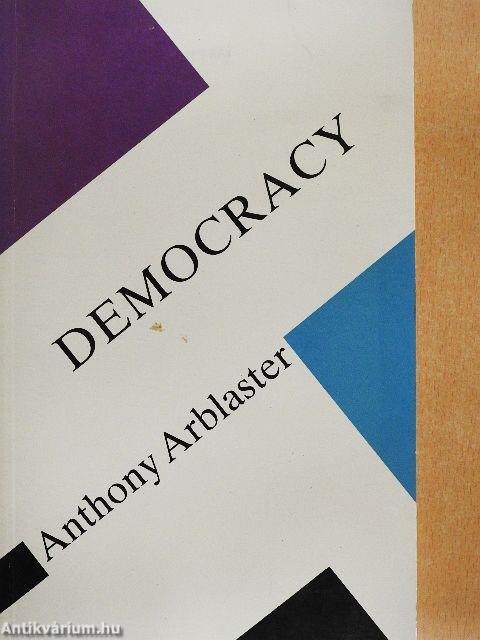
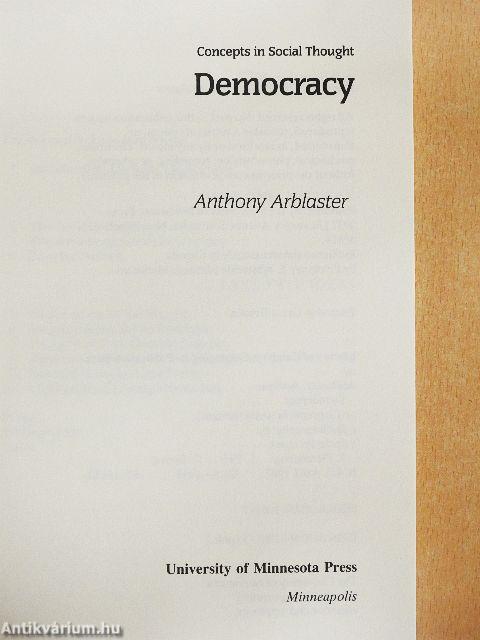
Anthony Arblaster
Anthony Arblaster műveinek az Antikvarium.hu-n kapható vagy előjegyezhető listáját itt tekintheti meg: Anthony Arblaster könyvek, művekMegvásárolható példányok
Nincs megvásárolható példány
A könyv összes megrendelhető példánya elfogyott. Ha kívánja, előjegyezheti a könyvet, és amint a könyv egy újabb példánya elérhető lesz, értesítjük.
 Folytatás Microsoft-tal