
1.146.132
kiadvánnyal nyújtjuk Magyarország legnagyobb antikvár könyv-kínálatát

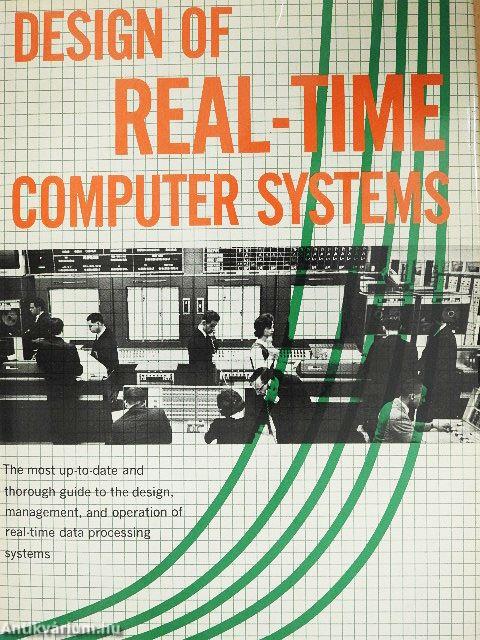
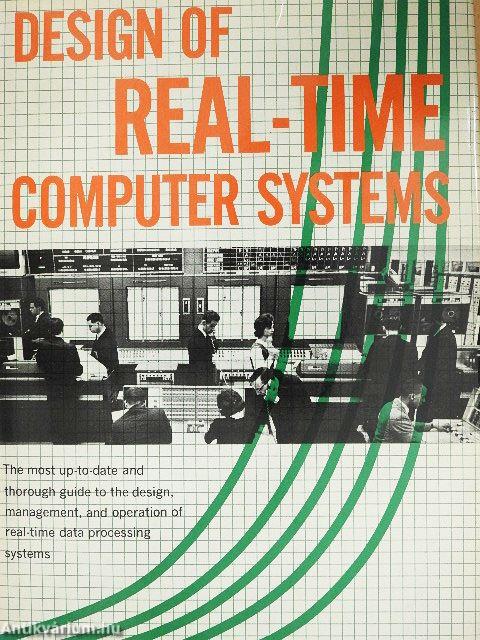
Design of Real-Time Computer Systems
The Most Up-To-Date and Thorough Guide to the Design, Management, and Operation of Real-Time Data Processing Systems
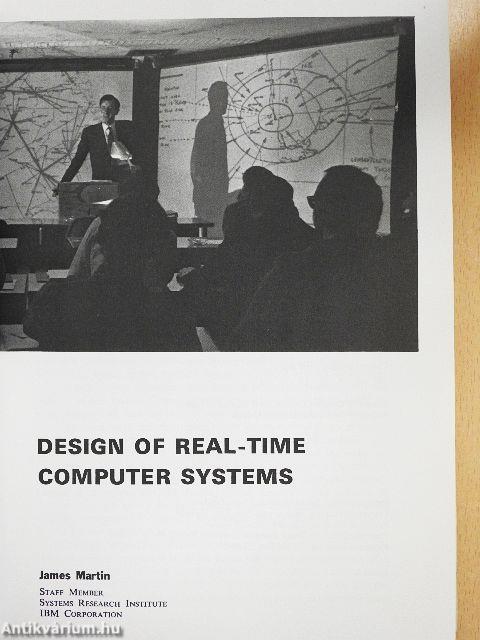
Englewood Cliffs
| Kiadó: | Prentice-Hall, Inc. |
|---|---|
| Kiadás helye: | Englewood Cliffs |
| Kiadás éve: | |
| Kötés típusa: | Fűzött keménykötés |
| Oldalszám: | 629 oldal |
| Sorozatcím: | |
| Kötetszám: | |
| Nyelv: | Angol |
| Méret: | 23 cm x 16 cm |
| ISBN: | |
| Megjegyzés: | Fekete-fehér fotókkal. |
Értesítőt kérek a kiadóról
A beállítást mentettük,
naponta értesítjük a beérkező friss
kiadványokról
naponta értesítjük a beérkező friss
kiadványokról
A beállítást mentettük,
naponta értesítjük a beérkező friss
kiadványokról
naponta értesítjük a beérkező friss
kiadványokról
Fülszöveg
DESIGN OF REAL-TIME
COMPUTER SYSTEMS by James Martin
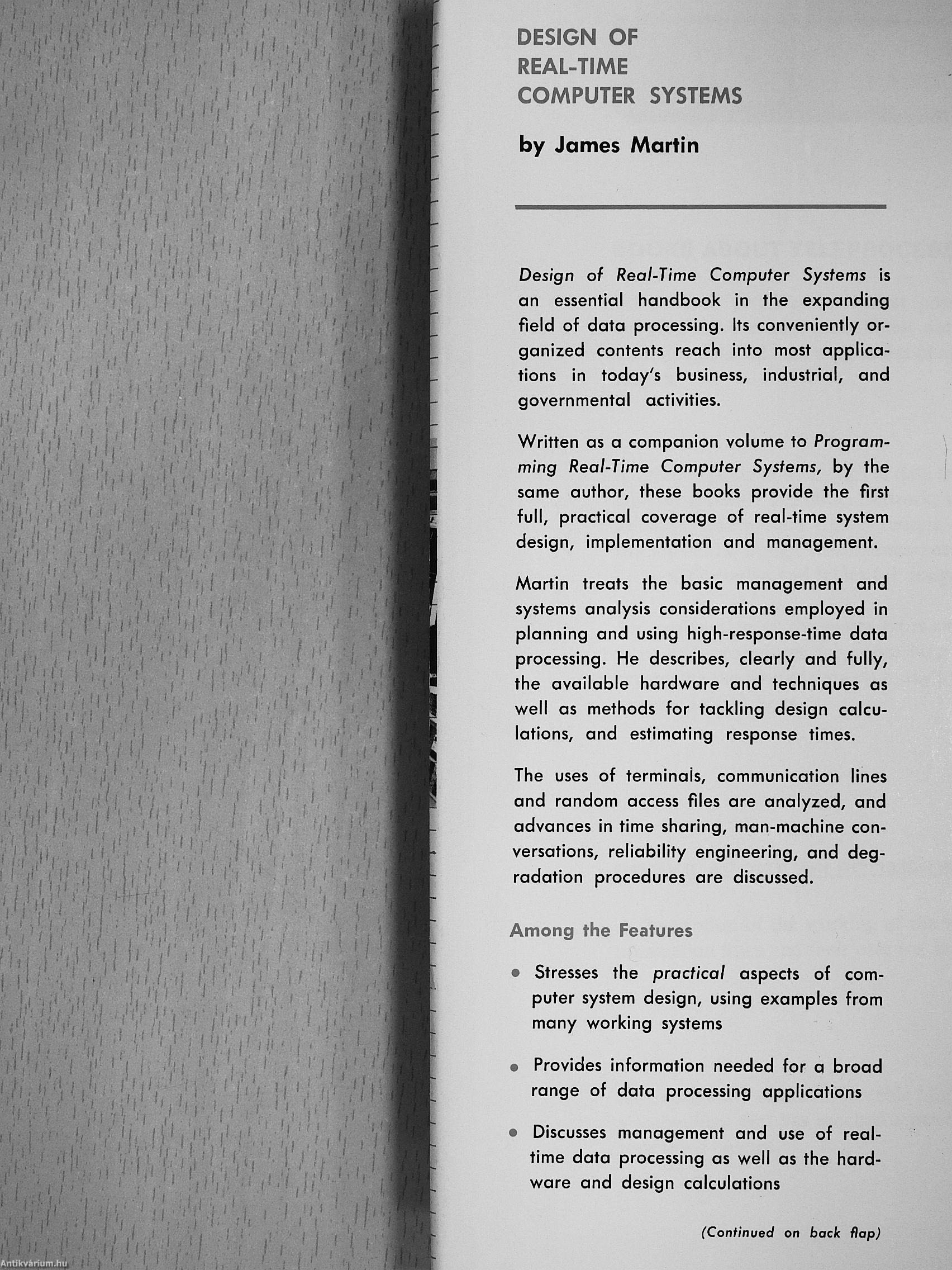
Design of Real-Time Computer Systems is an essential handbook in the expanding field of data processing. Its conveniently organized contents reach into most applications in today's business, industrial, and governmental activities.
Written as a companion volume to Programming Real-Time Computer Systems, by the same author, these books provide the first full, practical coverage of real-time system design, implementation and management.
Martin treats the basic management and systems analysis considerations employed in planning and using high-response-time data processing. He describes, clearly and fully, the available hardware and techniques as well as methods for tackling design calculations, and estimating response times.
The uses of terminals, communication lines and random access files are analyzed, and advances in time sharing, man-machine conversations, reliability engineering, and degradation procedures are discussed.... Tovább
Fülszöveg
DESIGN OF REAL-TIME
COMPUTER SYSTEMS by James Martin
Design of Real-Time Computer Systems is an essential handbook in the expanding field of data processing. Its conveniently organized contents reach into most applications in today's business, industrial, and governmental activities.
Written as a companion volume to Programming Real-Time Computer Systems, by the same author, these books provide the first full, practical coverage of real-time system design, implementation and management.
Martin treats the basic management and systems analysis considerations employed in planning and using high-response-time data processing. He describes, clearly and fully, the available hardware and techniques as well as methods for tackling design calculations, and estimating response times.
The uses of terminals, communication lines and random access files are analyzed, and advances in time sharing, man-machine conversations, reliability engineering, and degradation procedures are discussed.
Among the Features
• Stresses the practical aspects of computer system design, using examples from many working systems
• Provides information needed for a broad range of data processing applications
• Discusses management and use of realtime data processing as well as the hardware and design calculations
(Continued on back flap}
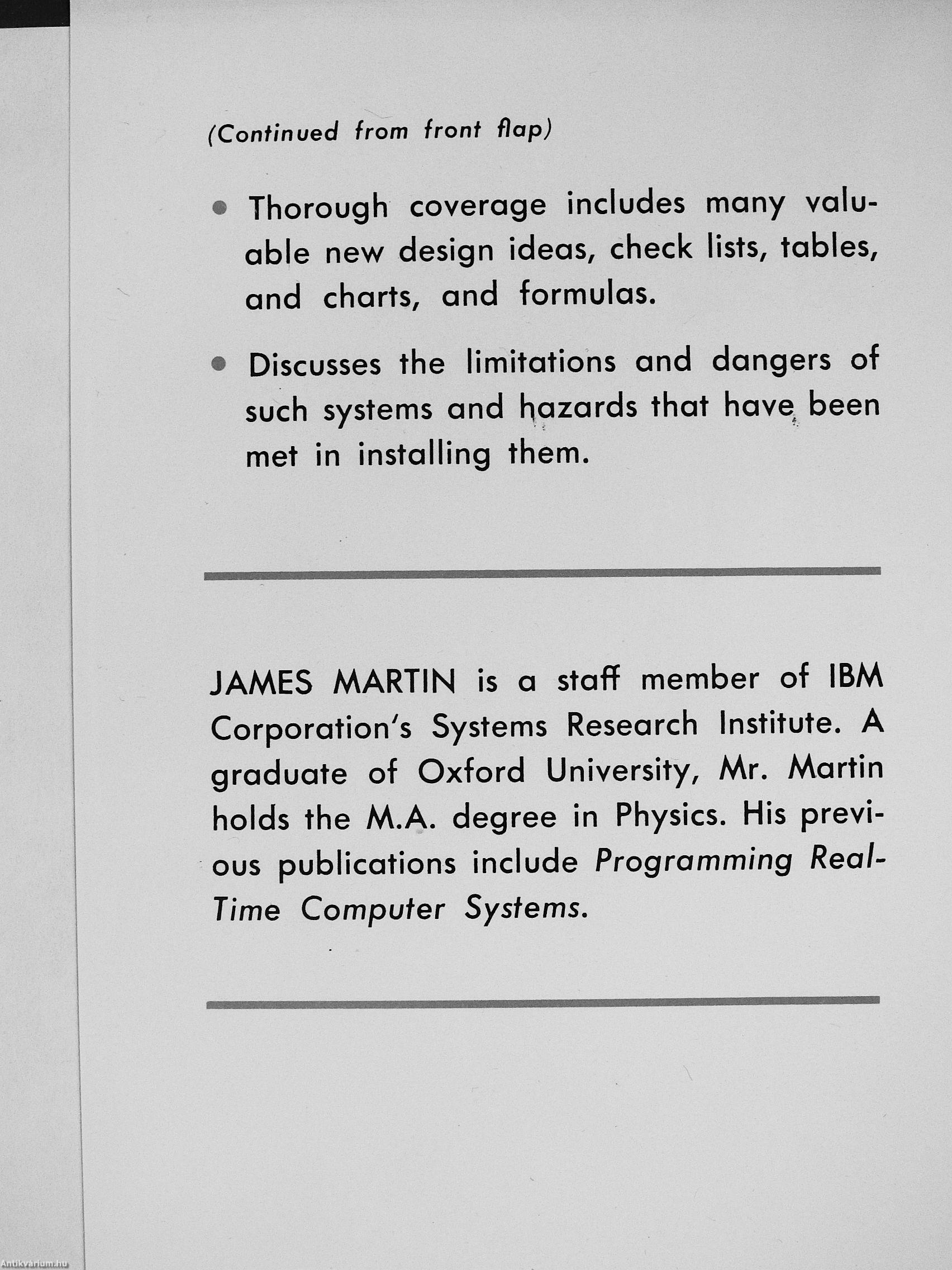
(Continued from front flap)
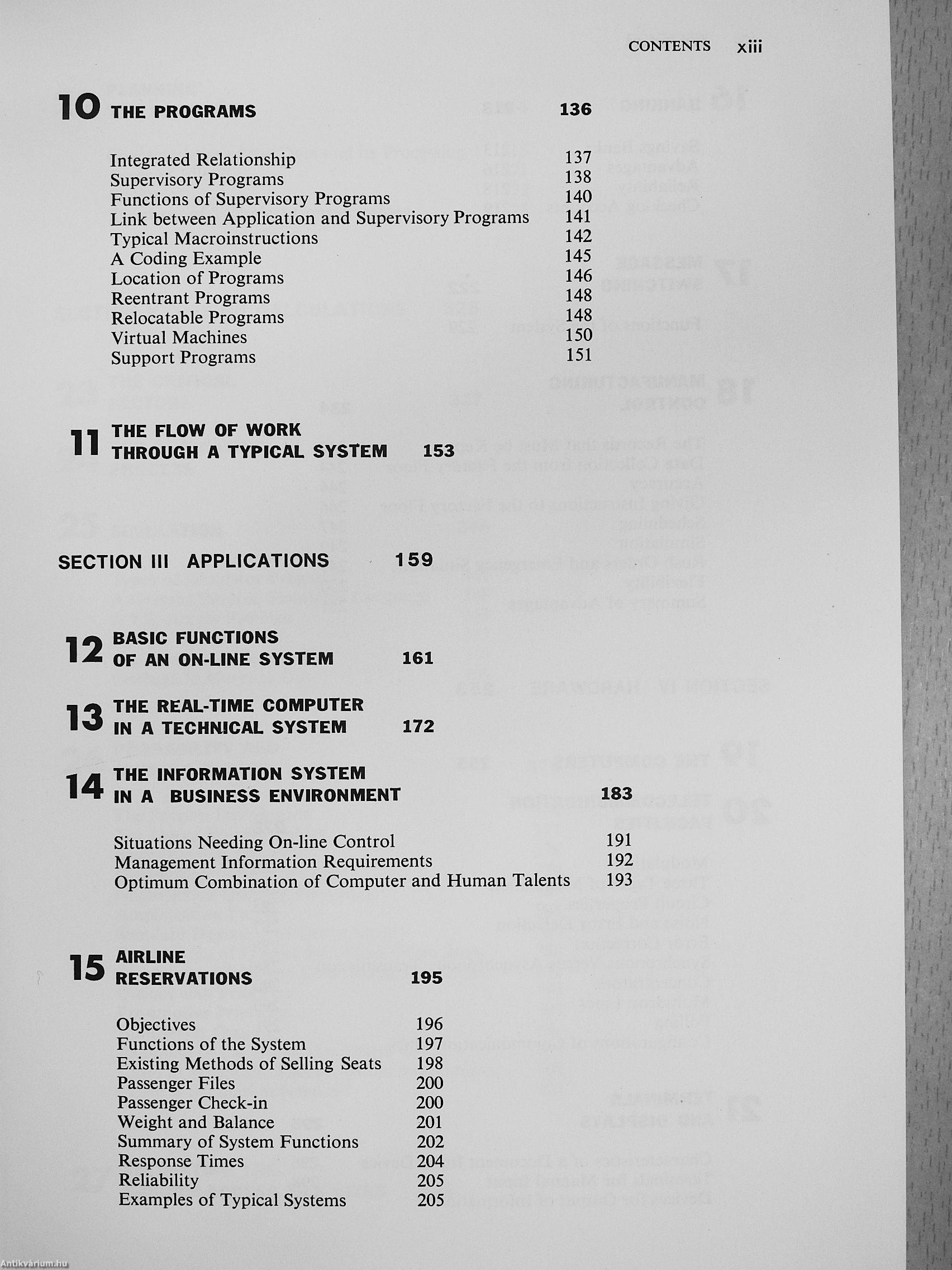
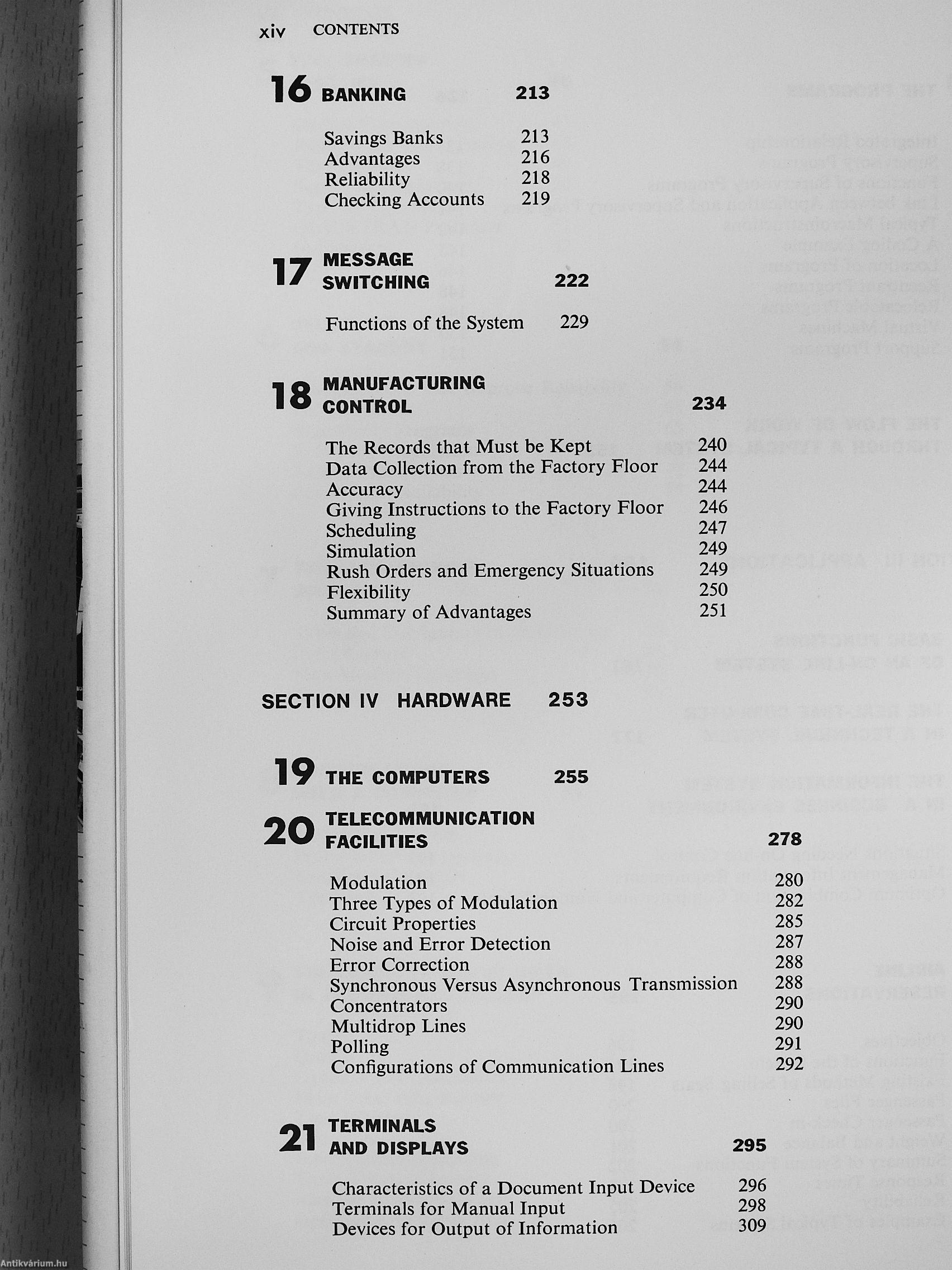
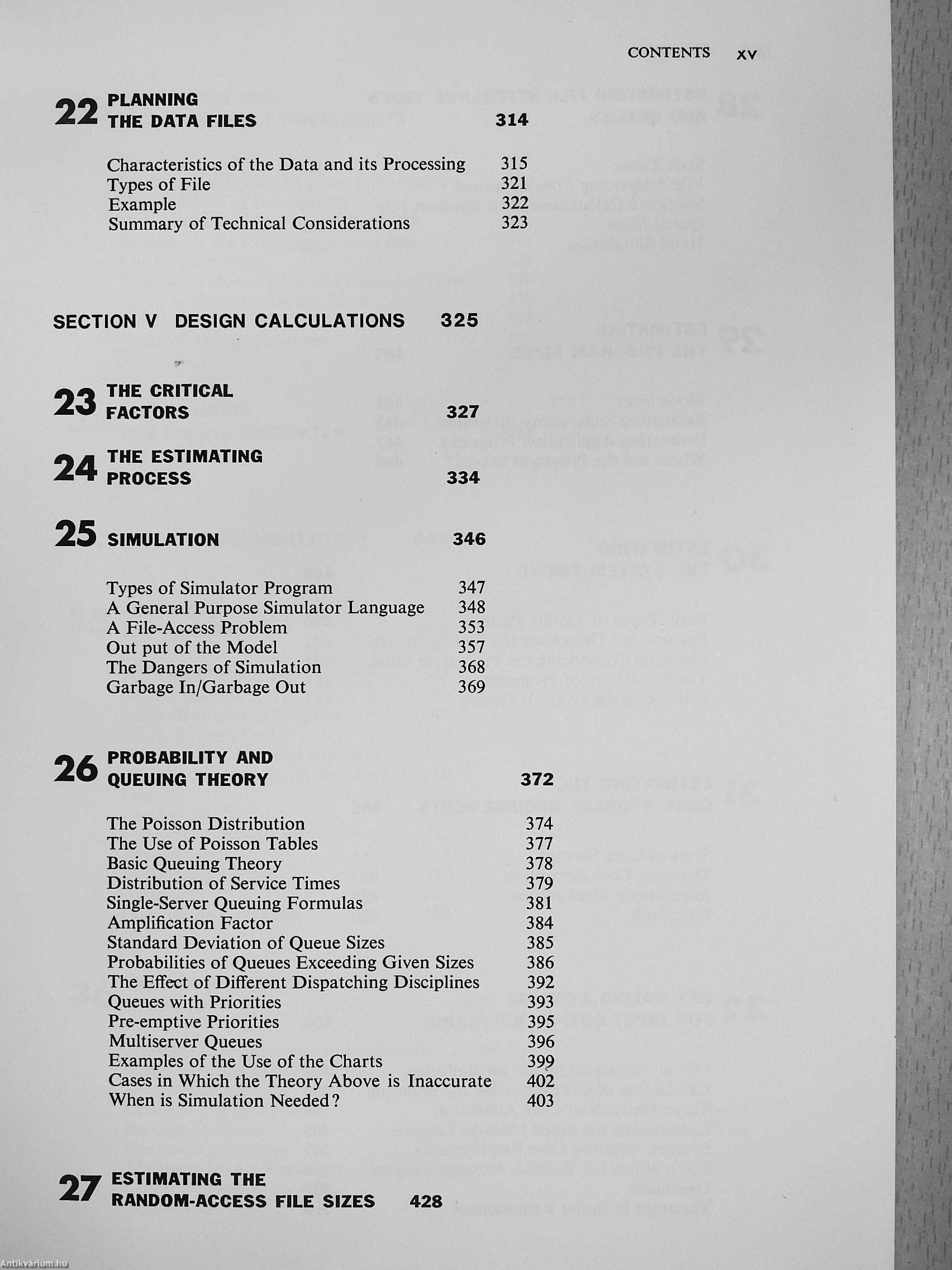
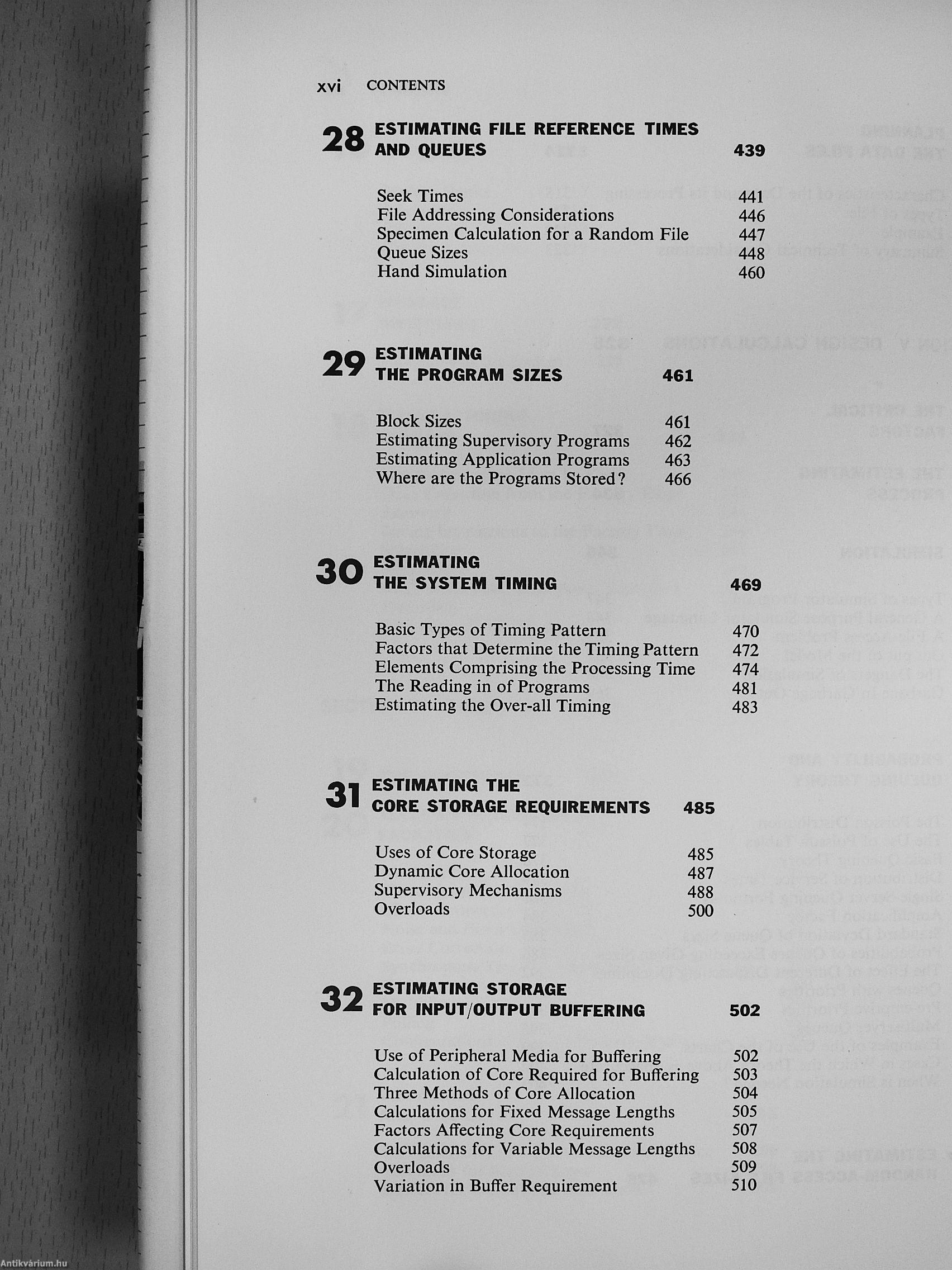
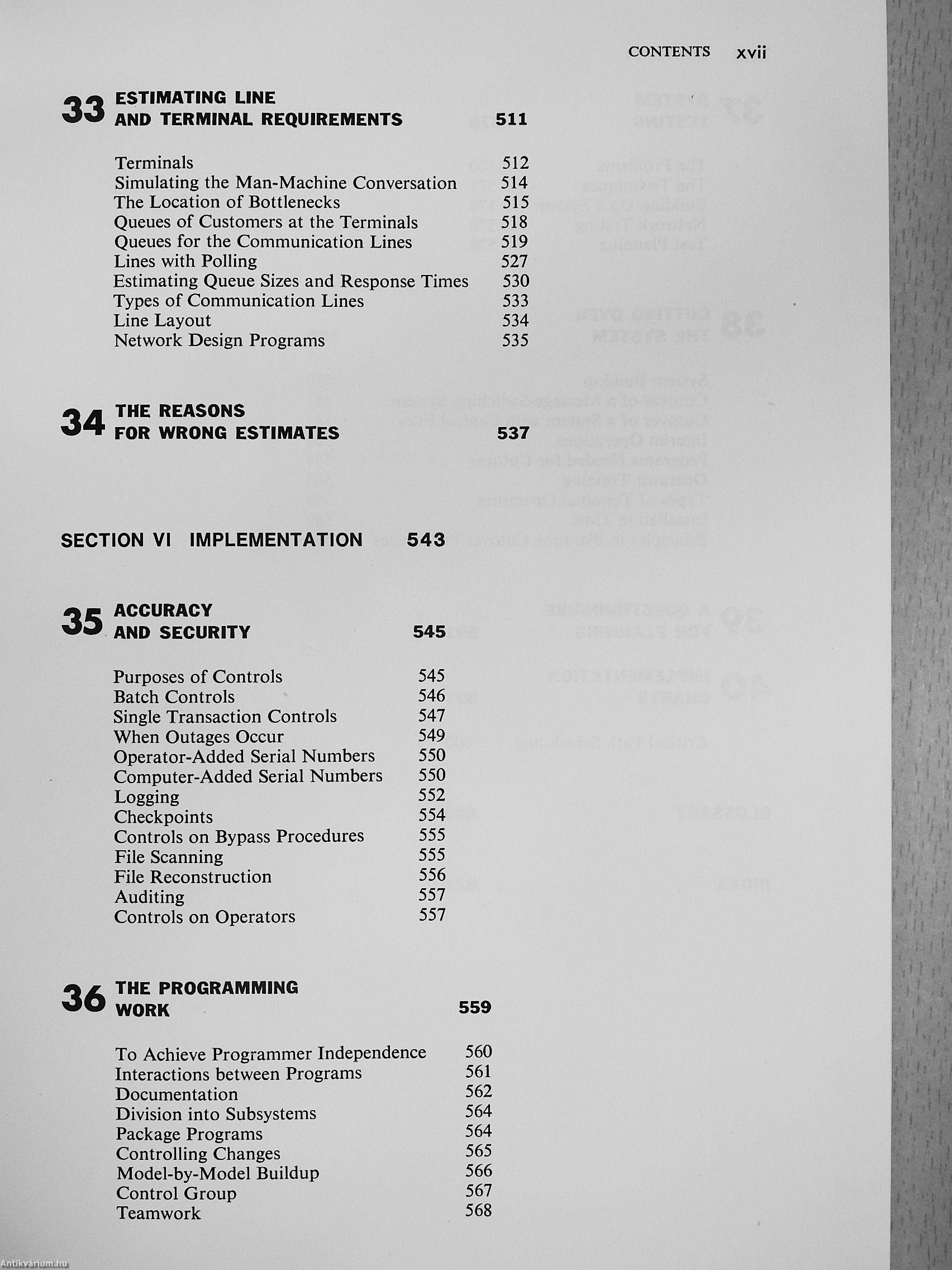
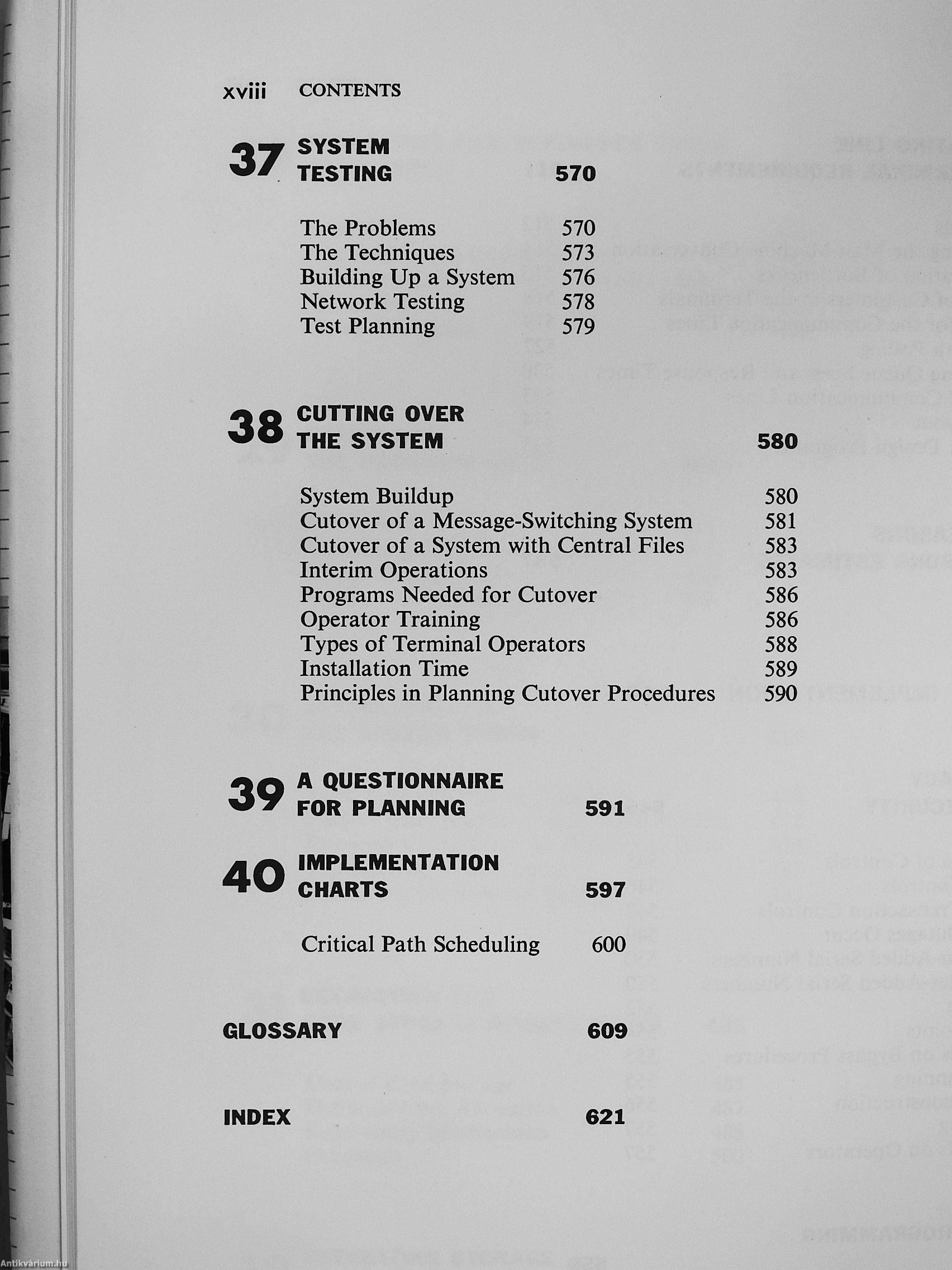
• Thorough coverage includes many valuable new design ideas, check lists, tables, and charts, and formulas.
• Discusses the limitations and dangers of such systems and hazards that have been met in installing them.
JAMES MARTIN is a staff member of IBM Corporation's Systems Research Institute. A graduate of Oxford University, Mr. Martin holds the M.A. degree in Physics. His previous publications include Programming Real-Time Computer Systems.
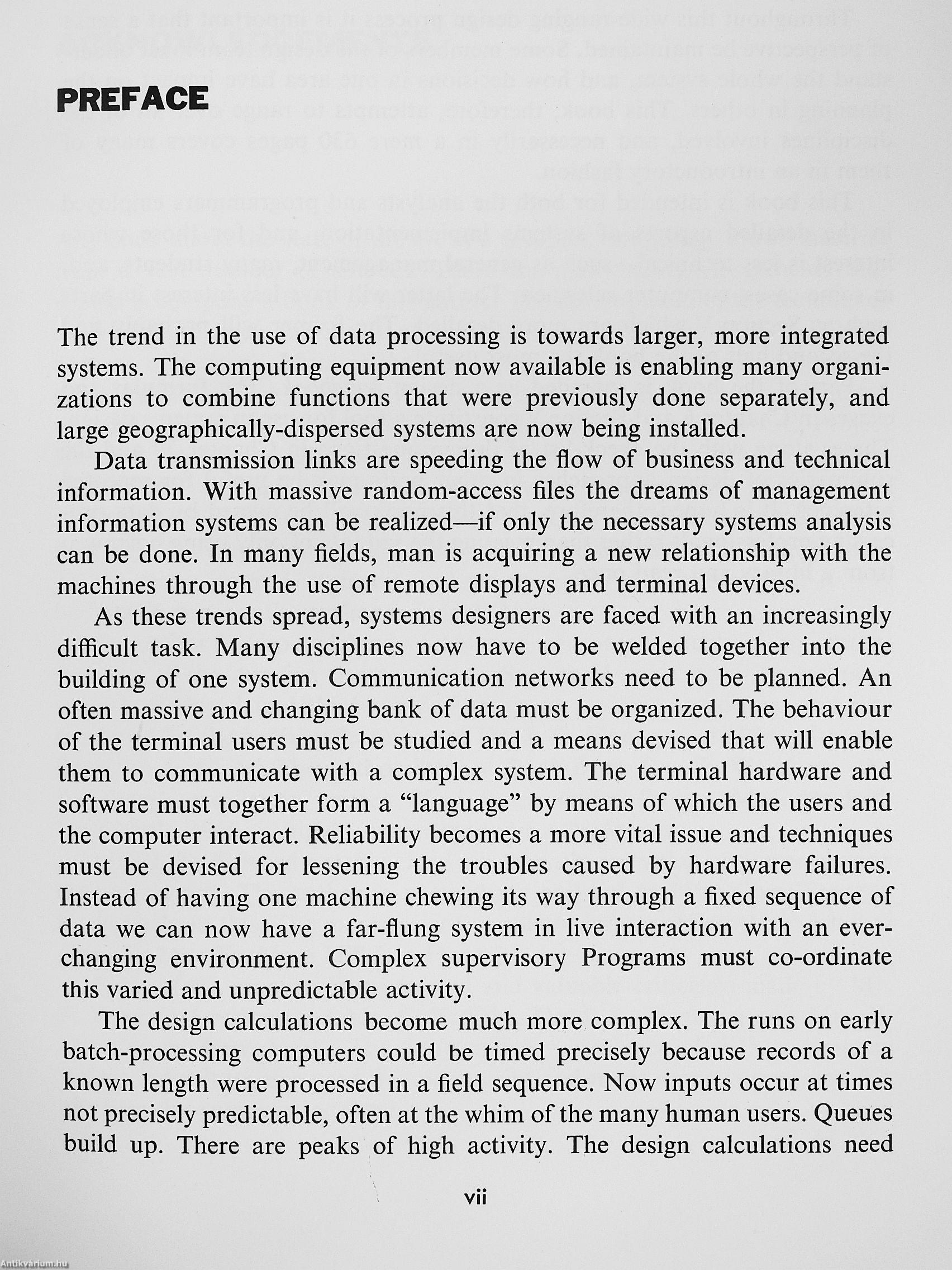
PREFACE
The trend in the use of data processing is towards larger, more integrated systems. The computing equipment now available is enabling many organizations to combine functions that were previously done separately, and large geographically-dispersed systems are now being installed.
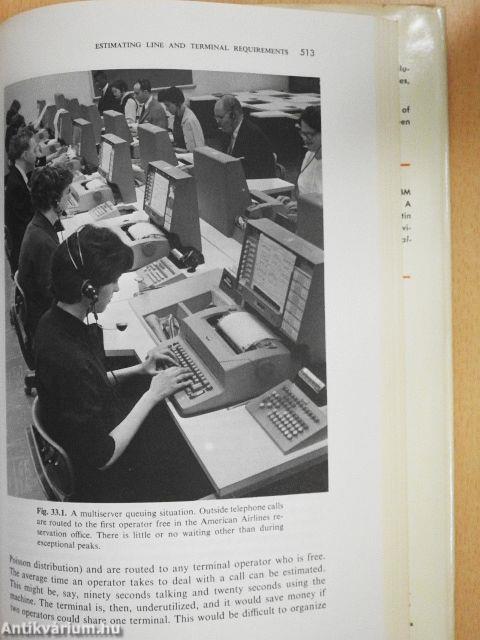
Data transmission links are speeding the flow of business and technical information. With massive random-access files the dreams of management information systems can be realized—if only the necessary systems analysis can be done. In many fields, man is acquiring a new relationship with the machines through the use of remote displays and terminal devices.
As these trends spread, systems designers are faced with an increasingly difficult task. Many disciplines now have to be welded together into the building of one system. Communication networks need to be planned. An often massive and changing bank of data must be organized. The behaviour of the terminal users must be studied and a means devised that will enable them to communicate with a complex system. The terminal hardware and software must together form a "language" by means of which the users and the computer interact. Reliability becomes a more vital issue and techniques must be devised for lessening the troubles caused by hardware failures. Instead of having one machine chewing its way through a fixed sequence of data we can now have a far-flung system in live interaction with an ever-changing envirormient. Complex supervisory Programs must co-ordinate this varied and unpredictable activity.
The design calculations become much more complex. The runs on early batch-processing computers could be timed precisely because records of a known length were processed in a field sequence. Now inputs occur at times not precisely predictable, often at the whim of the many human users. Queues build up. There are peaks of high activity. The design calculations need
VII Vissza
Témakörök
James Martin
James Martin műveinek az Antikvarium.hu-n kapható vagy előjegyezhető listáját itt tekintheti meg: James Martin könyvek, művekMegvásárolható példányok
Állapotfotók
Állapot:
Jó
15.000 ,-Ft
75
pont kapható
Kosárba
 Folytatás Microsoft-tal