
1.120.405
kiadvánnyal nyújtjuk Magyarország legnagyobb antikvár könyv-kínálatát

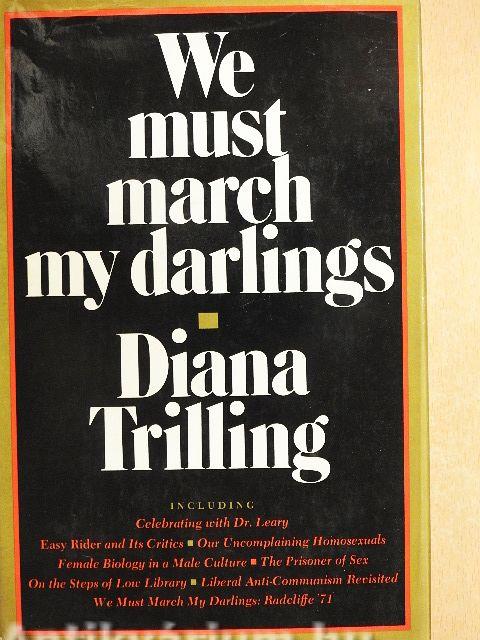
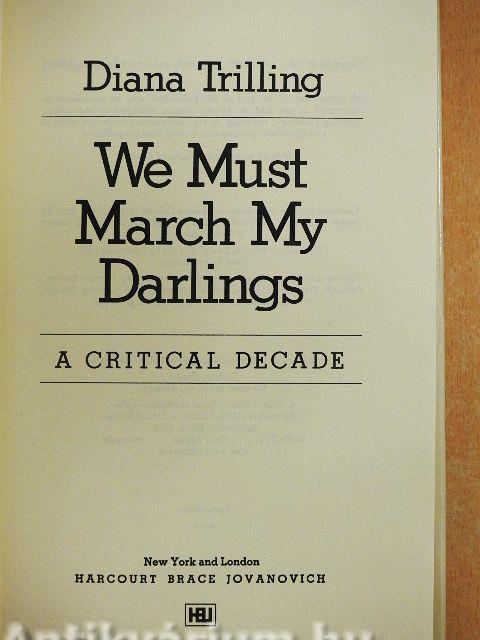
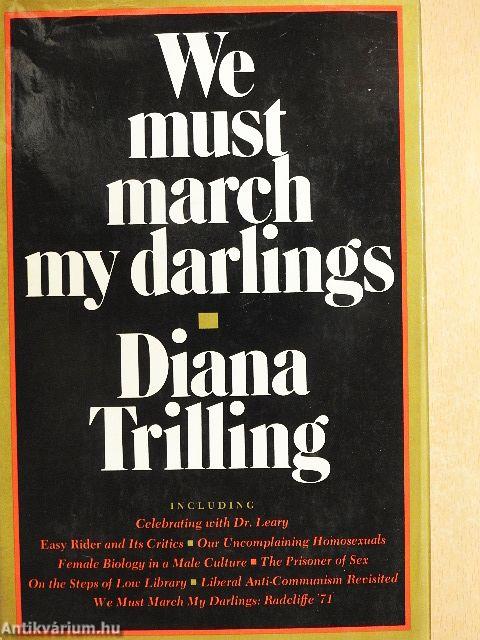
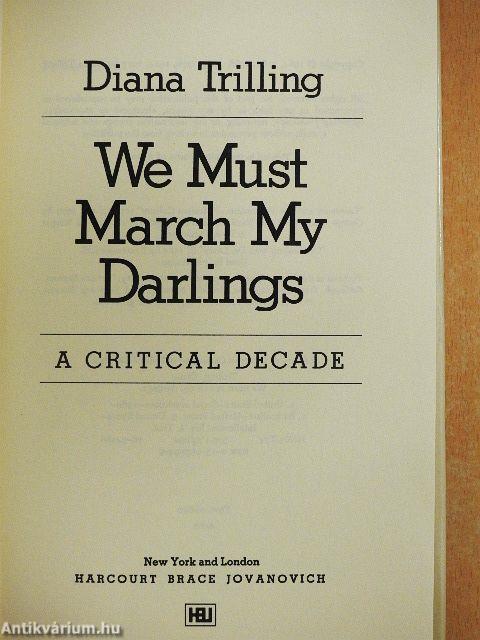
We Must March My Darlings
A Critical Decade
New York-London
| Kiadó: | Harcourt Brace Jovanovich |
|---|---|
| Kiadás helye: | New York-London |
| Kiadás éve: | |
| Kötés típusa: | Vászon |
| Oldalszám: | 315 oldal |
| Sorozatcím: | |
| Kötetszám: | |
| Nyelv: | Angol |
| Méret: | 22 cm x 14 cm |
| ISBN: | 0-15-195599-9 |
Értesítőt kérek a kiadóról
A beállítást mentettük,
naponta értesítjük a beérkező friss
kiadványokról
naponta értesítjük a beérkező friss
kiadványokról
A beállítást mentettük,
naponta értesítjük a beérkező friss
kiadványokról
naponta értesítjük a beérkező friss
kiadványokról
Előszó
Tovább
Fülszöveg
We must march my darlings
Diana Trilling
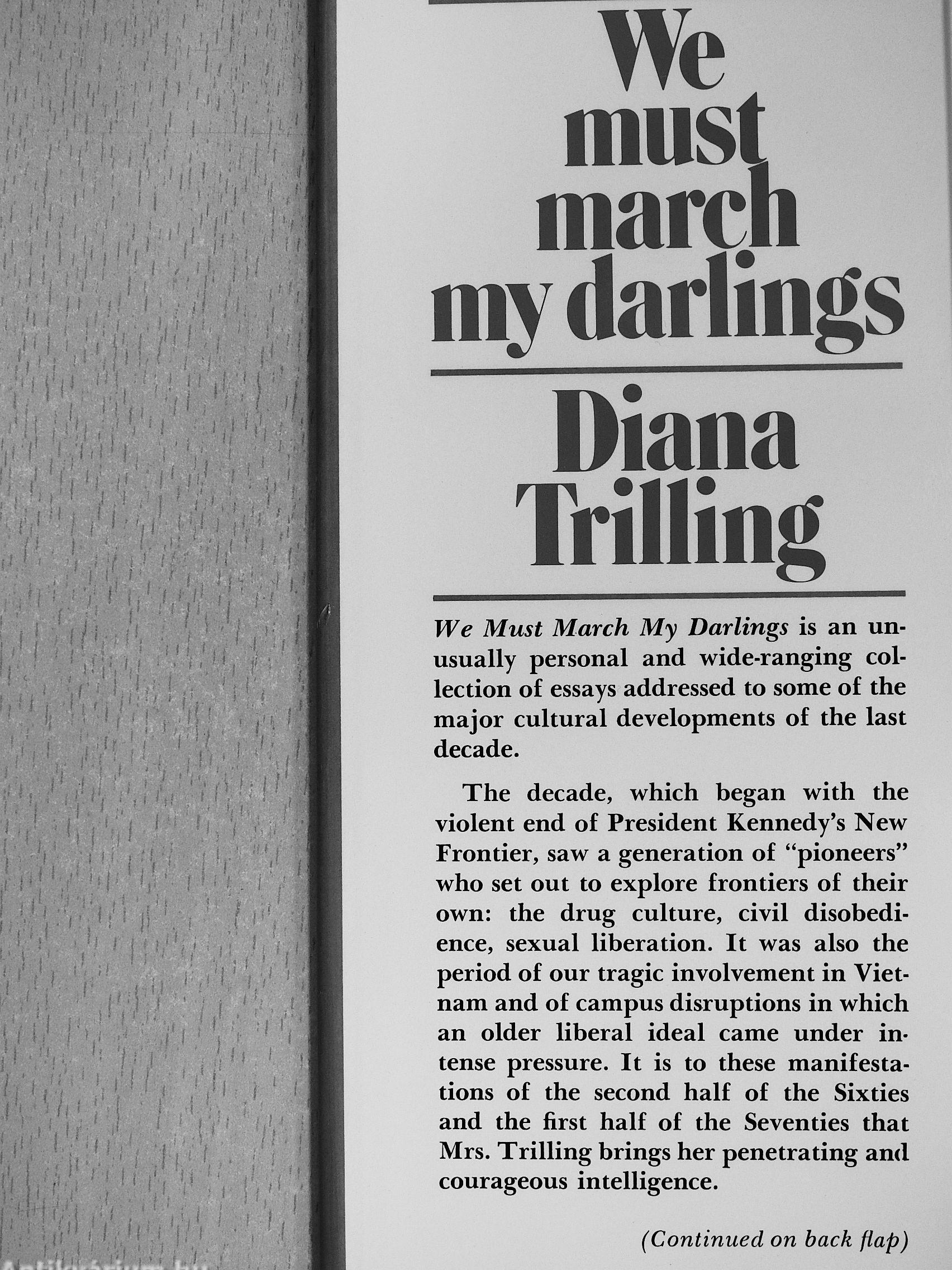
We Must March My Darlings is an unusually personal and wide-ranging collection of essays addressed to some of the major cultural developments of the last decade.
The decade, which began with the violent end of President Kennedy's New Frontier, saw a generation of "pioneers" who set out to explore frontiers of their own: the drug culture, civil disobedience, sexual liberation. It was also the period of our tragic involvement in Vietnam and of campus disruptions in which an older liberal ideal came under intense pressure. It is to these manifestations of the second half of the Sixties and the first half of the Seventies that Mrs. Trilling brings her penetrating and courageous intelligence.
(Continued on back flap)
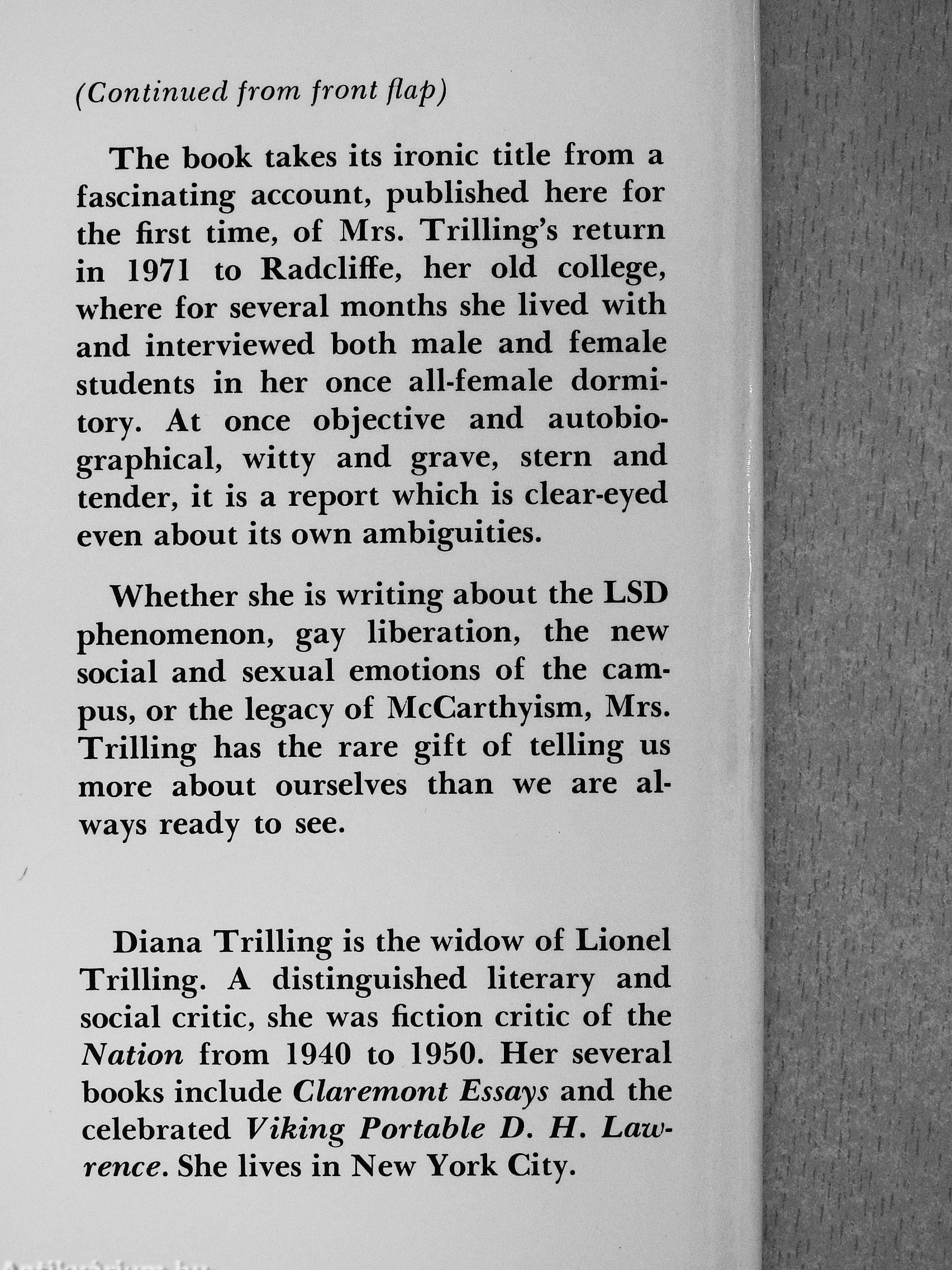
(Continued from front flap)
The book takes its ironic title from a fascinating account, published here for the first time, of Mrs. Trilling's return in 1971 to Radcliffe, her old college, where for several months she lived... Tovább
Fülszöveg
We must march my darlings
Diana Trilling
We Must March My Darlings is an unusually personal and wide-ranging collection of essays addressed to some of the major cultural developments of the last decade.
The decade, which began with the violent end of President Kennedy's New Frontier, saw a generation of "pioneers" who set out to explore frontiers of their own: the drug culture, civil disobedience, sexual liberation. It was also the period of our tragic involvement in Vietnam and of campus disruptions in which an older liberal ideal came under intense pressure. It is to these manifestations of the second half of the Sixties and the first half of the Seventies that Mrs. Trilling brings her penetrating and courageous intelligence.
(Continued on back flap)
(Continued from front flap)
The book takes its ironic title from a fascinating account, published here for the first time, of Mrs. Trilling's return in 1971 to Radcliffe, her old college, where for several months she lived with and interviewed both male and female students in her once all-female dormitory. At once objective and autobiographical, witty and grave, stern and tender, it is a report which is clear-eyed even about its own ambiguities.
Whether she is writing about the LSD phenomenon, gay liberation, the new social and sexual emotions of the campus, or the legacy of McCarthyism, Mrs. Trilling has the rare gift of telling us more about ourselves than we are always ready to see.
Diana Trilling is the widow of Lionel Trilling. A distinguished literary and social critic, she was fiction critic of the Nation from 1940 to 1950. Her several books include Claremont Essays and the celebrated Viking Portable D. H. Lawrence. She lives in New York City.
. h
' v;/
t
• ' . 1 . 1, t-
^ ;:
i f ,; .
Ij 1. '
! I
sp,., I ! . :
Bw . M i ' « 1
«iiiH Vissza
Témakörök
- Történelem > Társadalomelmélet
- Idegennyelv > Idegennyelvű könyvek > Angol > Művelődéstörténet
- Idegennyelv > Idegennyelvű könyvek > Angol > Történelem > USA története
- Művelődéstörténet > Kultúra > Története
- Művelődéstörténet > Átfogó művek, tanulmányok
- Történelem > Idegennyelvű > Angol
- Történelem > Politika > Belpolitika > Egyéb
- Történelem > Kontinensek szerint > Amerika, amerikai országok története > Észak-Amerika
- Történelem > Legújabb kor > A hidegháború kora (1946-1991)
- Történelem > Tanulmányok
Diana Trilling
Diana Trilling műveinek az Antikvarium.hu-n kapható vagy előjegyezhető listáját itt tekintheti meg: Diana Trilling könyvek, művekMegvásárolható példányok
Nincs megvásárolható példány
A könyv összes megrendelhető példánya elfogyott. Ha kívánja, előjegyezheti a könyvet, és amint a könyv egy újabb példánya elérhető lesz, értesítjük.
 Folytatás Microsoft-tal