
1.150.760
kiadvánnyal nyújtjuk Magyarország legnagyobb antikvár könyv-kínálatát

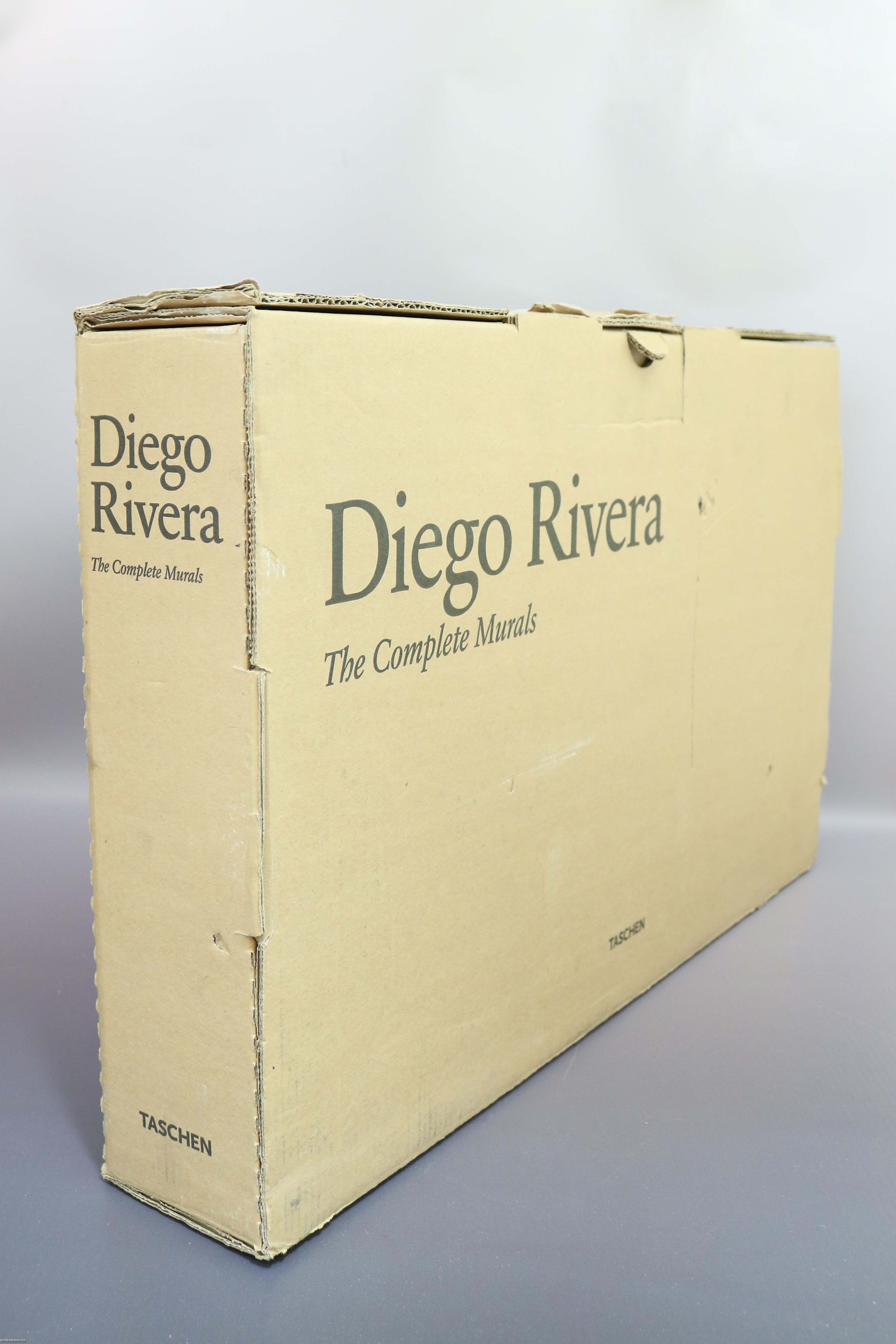
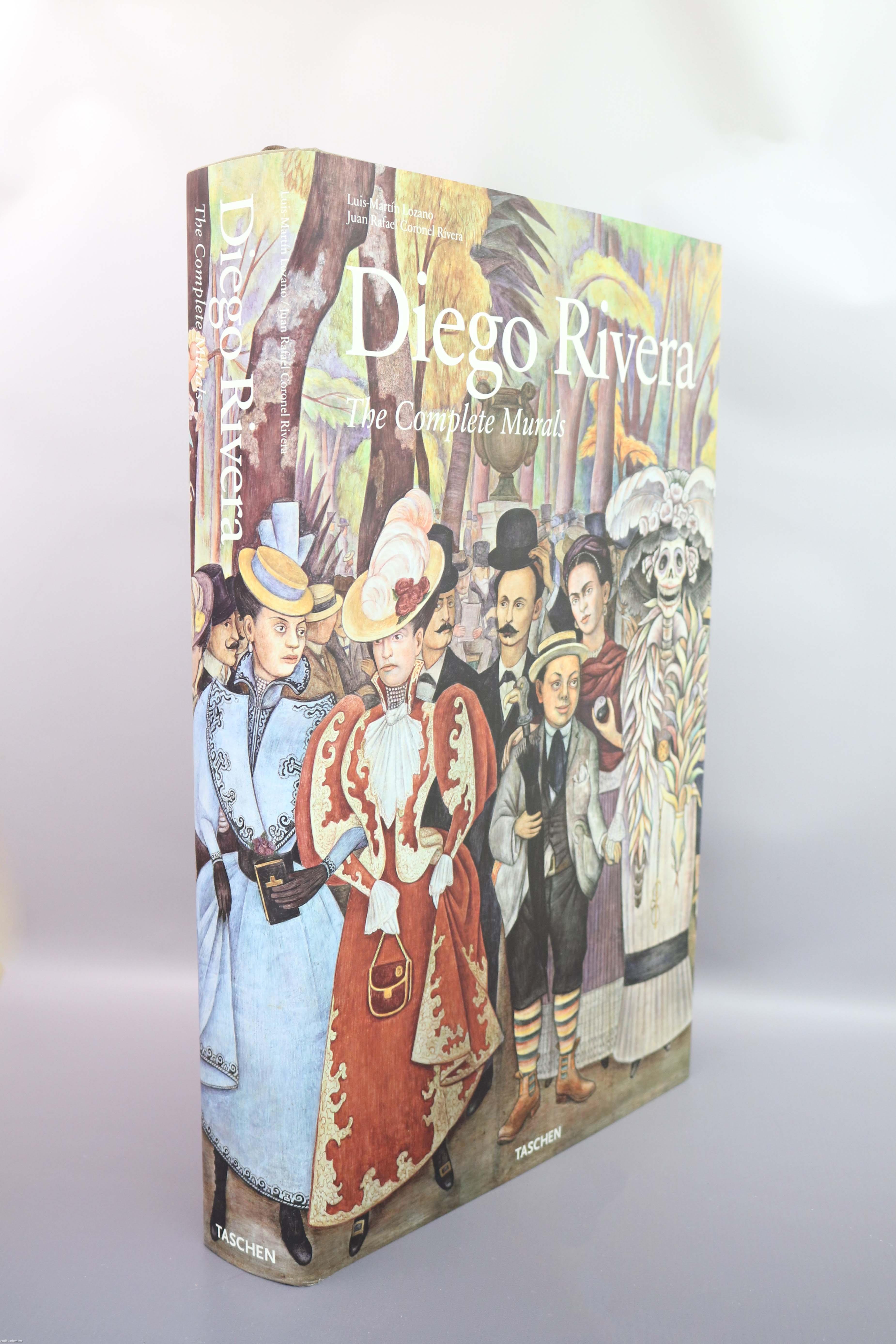
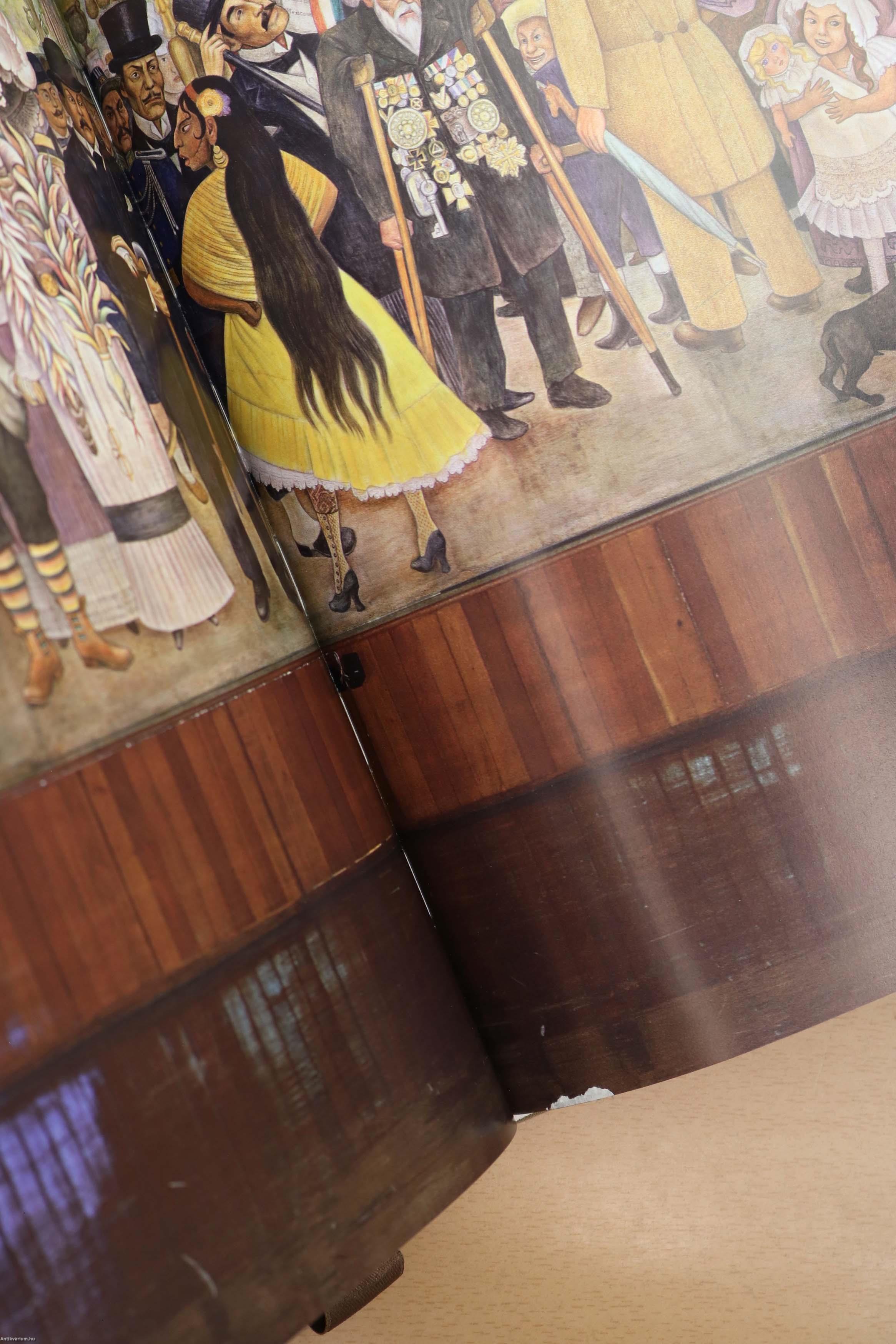
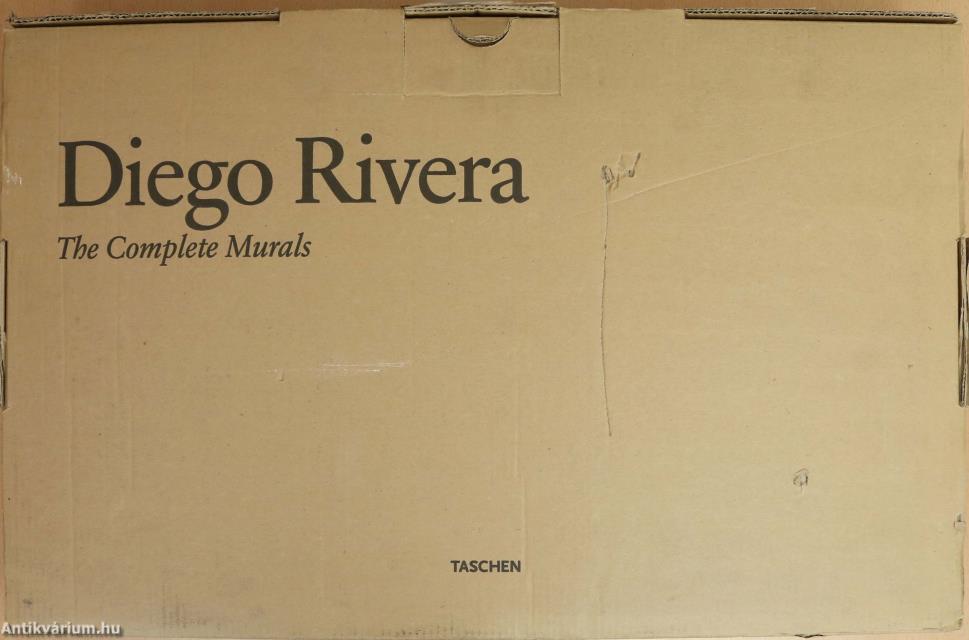
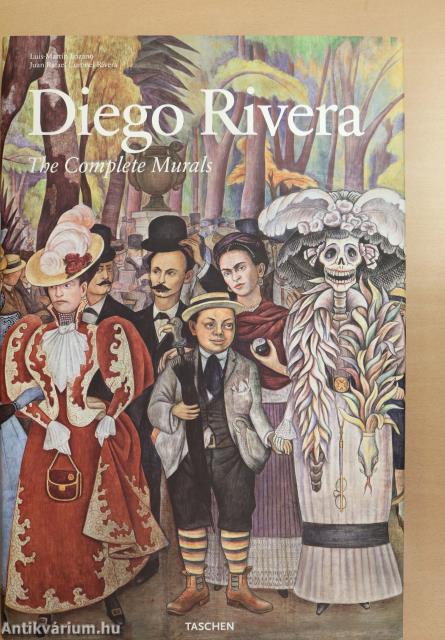
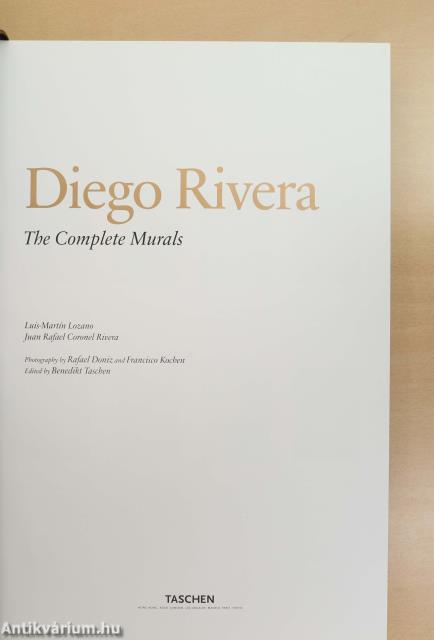
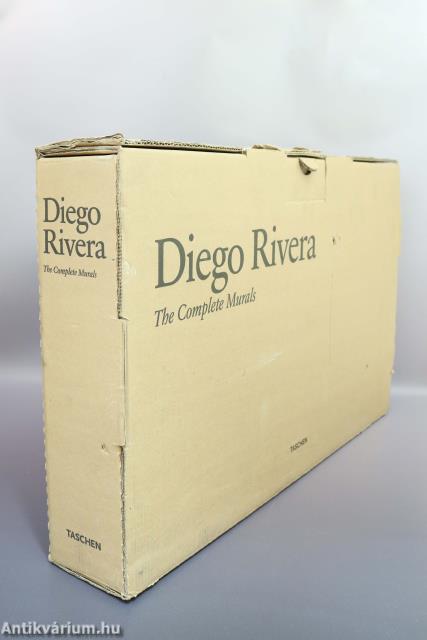
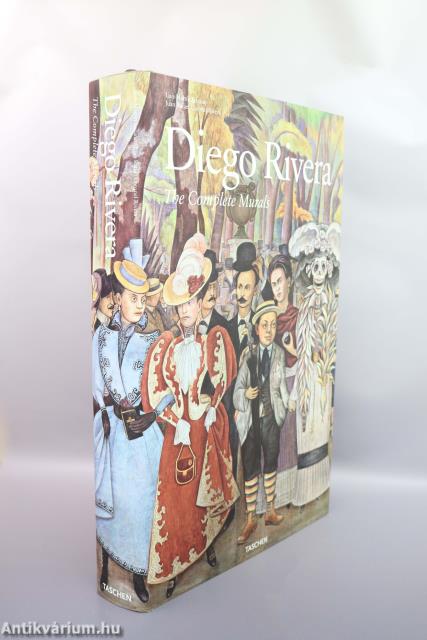
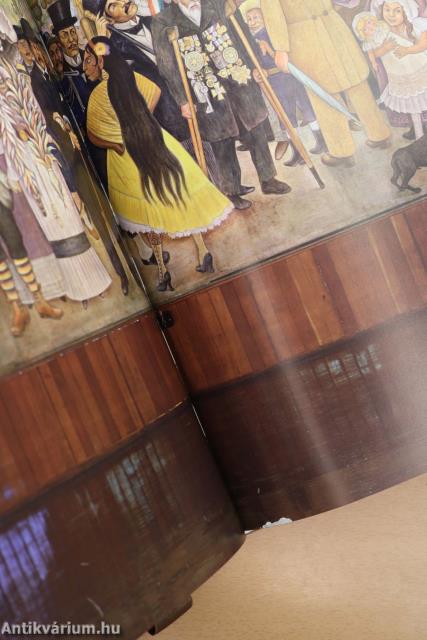
Diego Rivera (védődobozos példány)
The Complete Murals
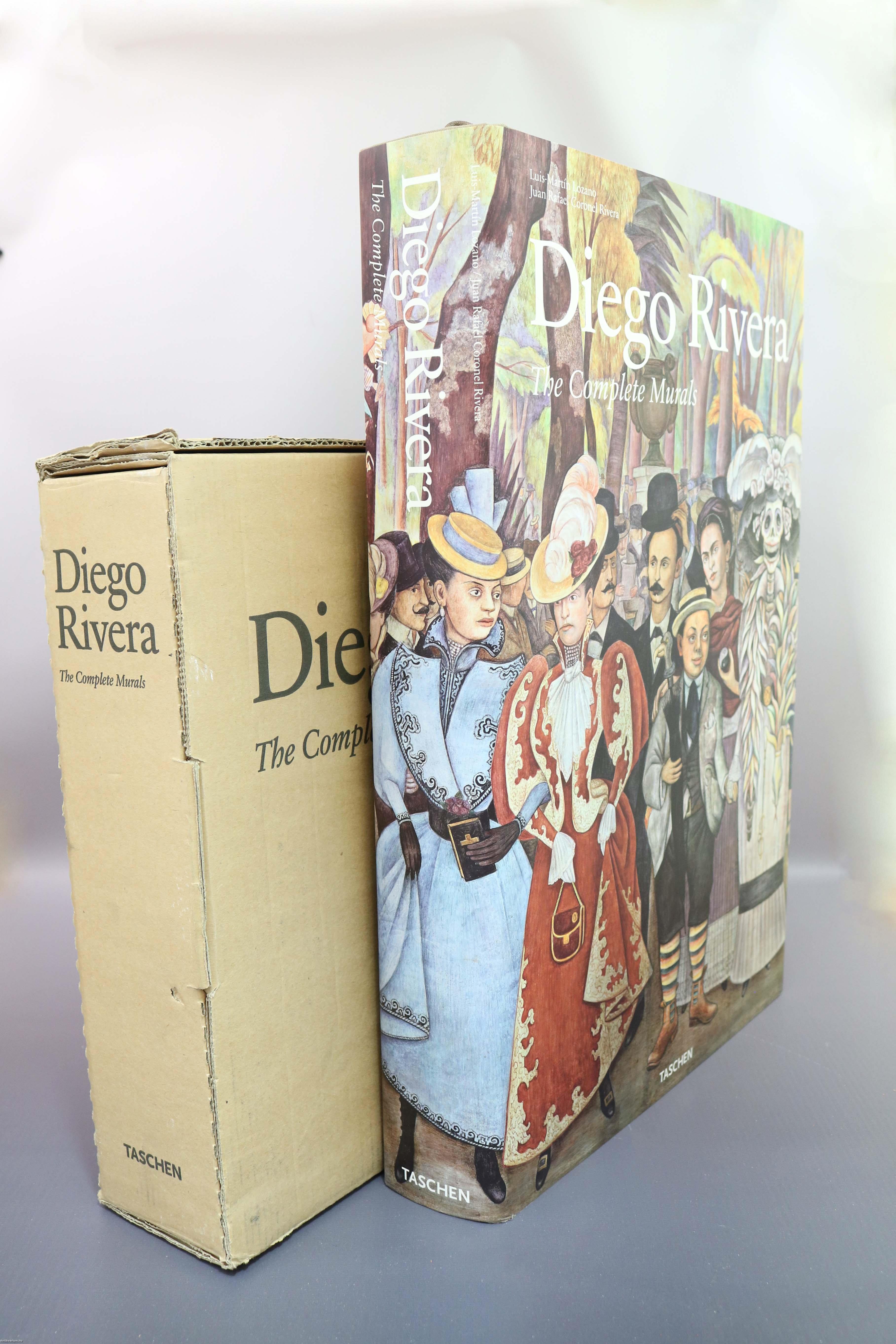

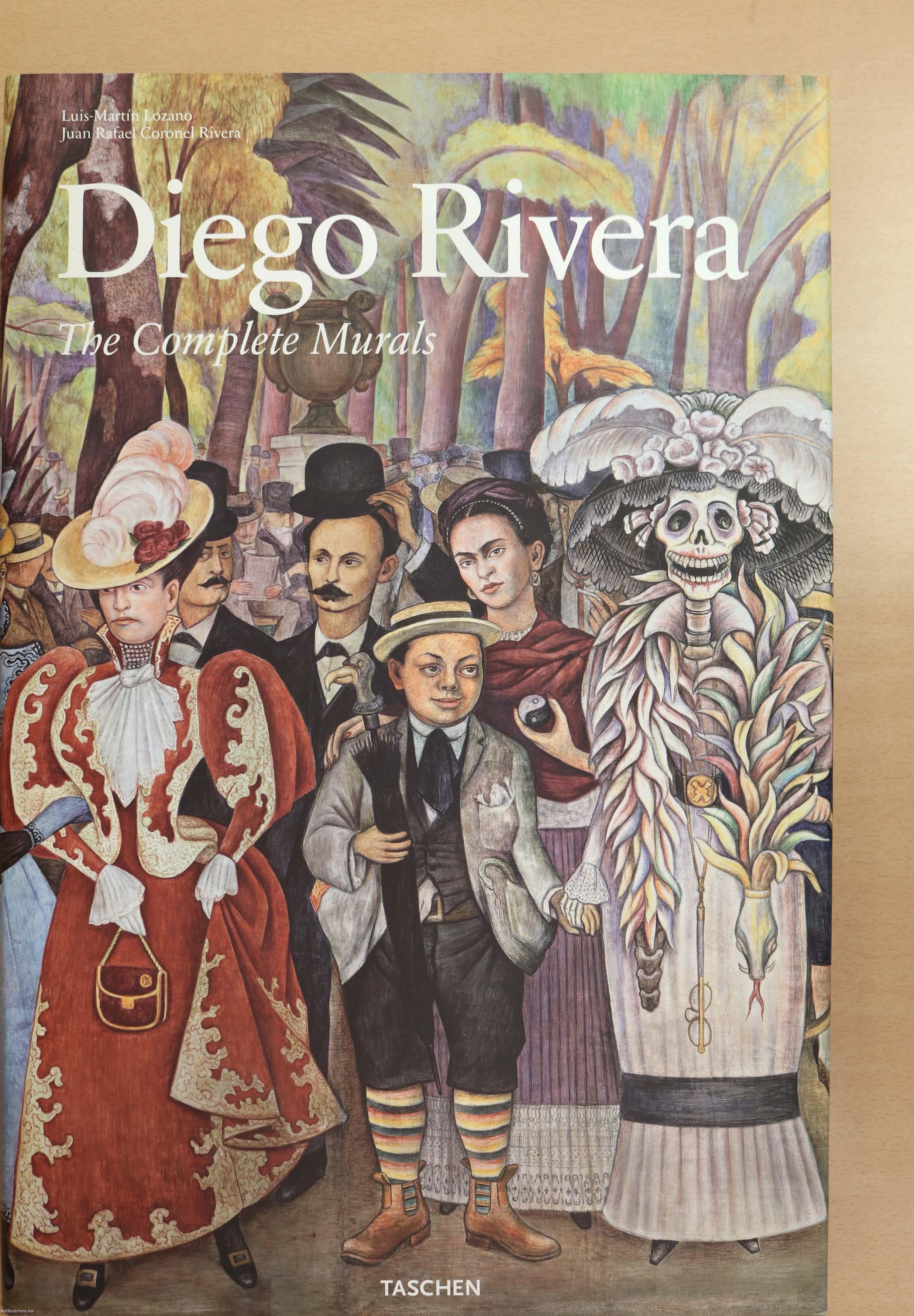

Köln
| Kiadó: | Taschen GmbH |
|---|---|
| Kiadás helye: | Köln |
| Kiadás éve: | |
| Kötés típusa: | Vászon |
| Oldalszám: | 672 oldal |
| Sorozatcím: | |
| Kötetszám: | |
| Nyelv: | Angol |
| Méret: | 45 cm x 30 cm |
| ISBN: | 978-3-8228-4943-9 |
| Megjegyzés: | Színes, fekete-fehér illusztrációkkal és kihajtható oldalakkal. |
Értesítőt kérek a kiadóról
A beállítást mentettük,
naponta értesítjük a beérkező friss
kiadványokról
naponta értesítjük a beérkező friss
kiadványokról
A beállítást mentettük,
naponta értesítjük a beérkező friss
kiadványokról
naponta értesítjük a beérkező friss
kiadványokról
Előszó
Tovább
Fülszöveg
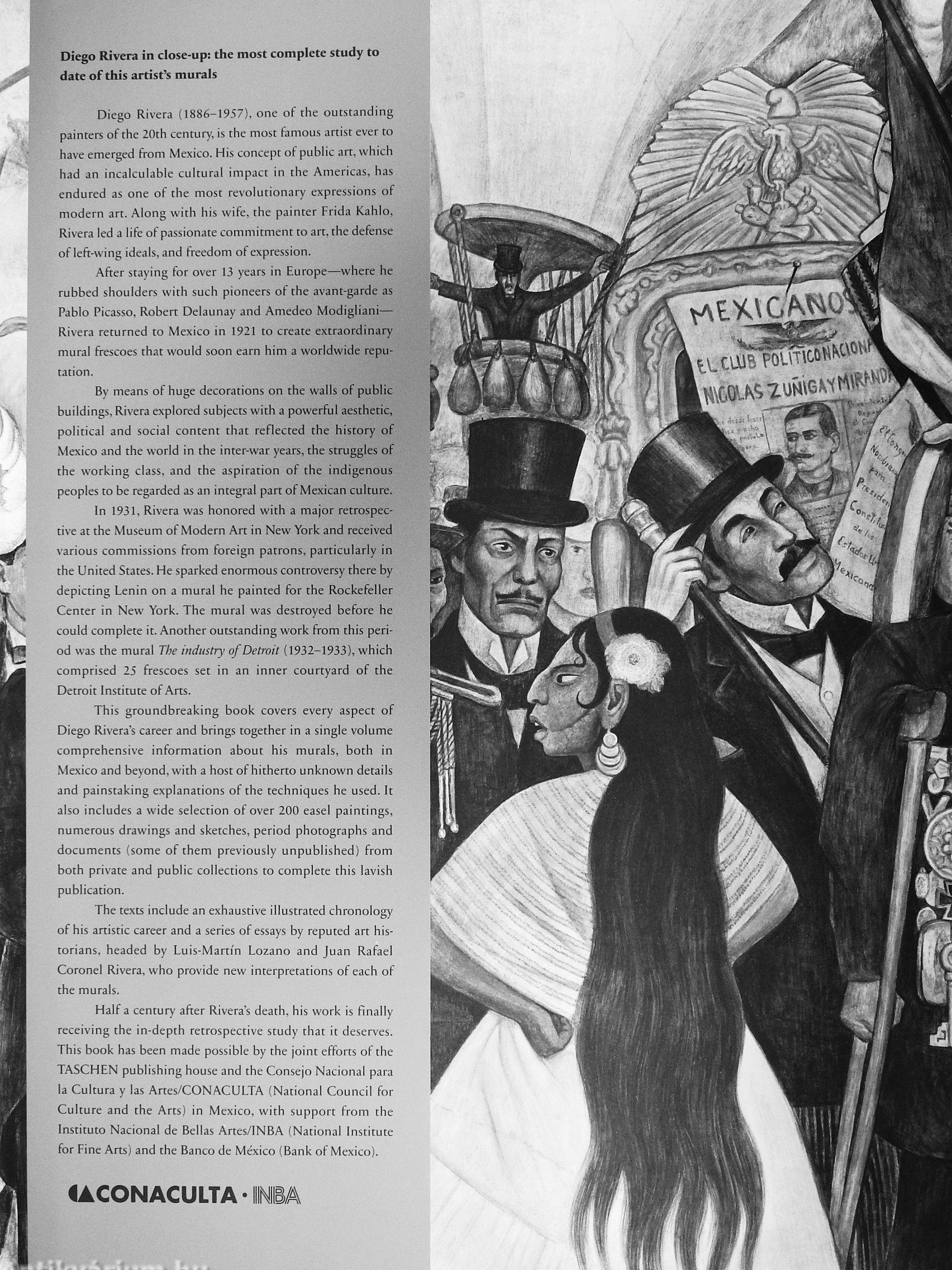
Diego Rivera in close-up: the most complete study to date of this artistes murals
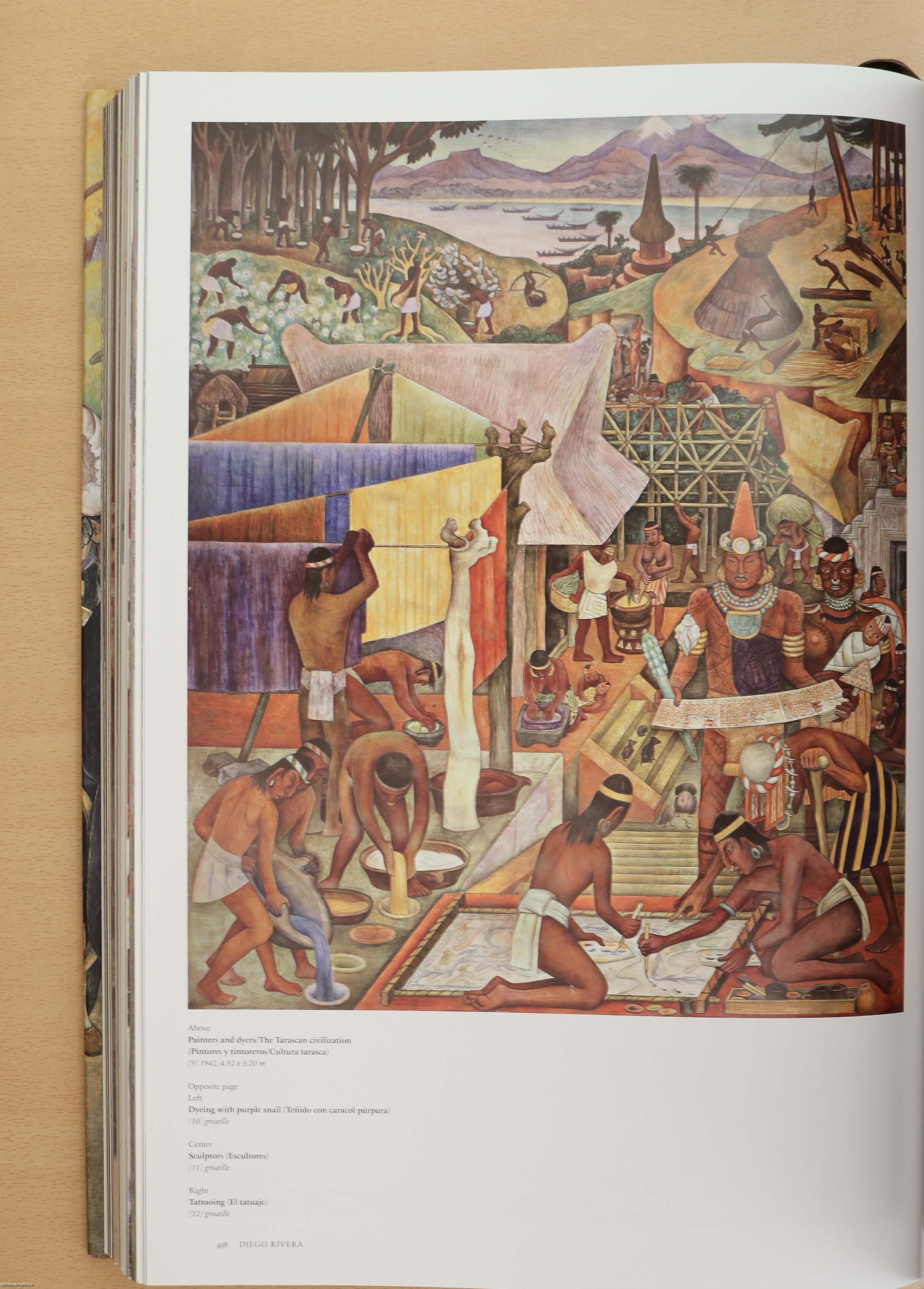
Diego Rivera (1886-1957), one of the outstanding painters of the 20th century, is the most famous artist ever to have emerged from Mexico. His concept of pubHc art, which had an incalculable cultural impact in the Americas, has endured as one of the most revolutionary expressions of modern art. Along with his wife, the painter Frida Kahio, Rivera led a life of passionate commitment to art, the defense of left-wing ideals, and freedom of expression.
After staying for over 13 years in Europe—where he rubbed shoulders with such pioneers of the avant-garde as Pablo Picasso, Robert Delaunay and Amedeo Modigliani— Rivera returned to Mexico in 1921 to create extraordinary mural frescoes that would soon earn him a worldwide reputation.
By means of huge decorations on the walls of public buildings, Rivera explored subjects with a powerful aesthetic, political and social content that reflected the history... Tovább
Fülszöveg
Diego Rivera in close-up: the most complete study to date of this artistes murals
Diego Rivera (1886-1957), one of the outstanding painters of the 20th century, is the most famous artist ever to have emerged from Mexico. His concept of pubHc art, which had an incalculable cultural impact in the Americas, has endured as one of the most revolutionary expressions of modern art. Along with his wife, the painter Frida Kahio, Rivera led a life of passionate commitment to art, the defense of left-wing ideals, and freedom of expression.
After staying for over 13 years in Europe—where he rubbed shoulders with such pioneers of the avant-garde as Pablo Picasso, Robert Delaunay and Amedeo Modigliani— Rivera returned to Mexico in 1921 to create extraordinary mural frescoes that would soon earn him a worldwide reputation.
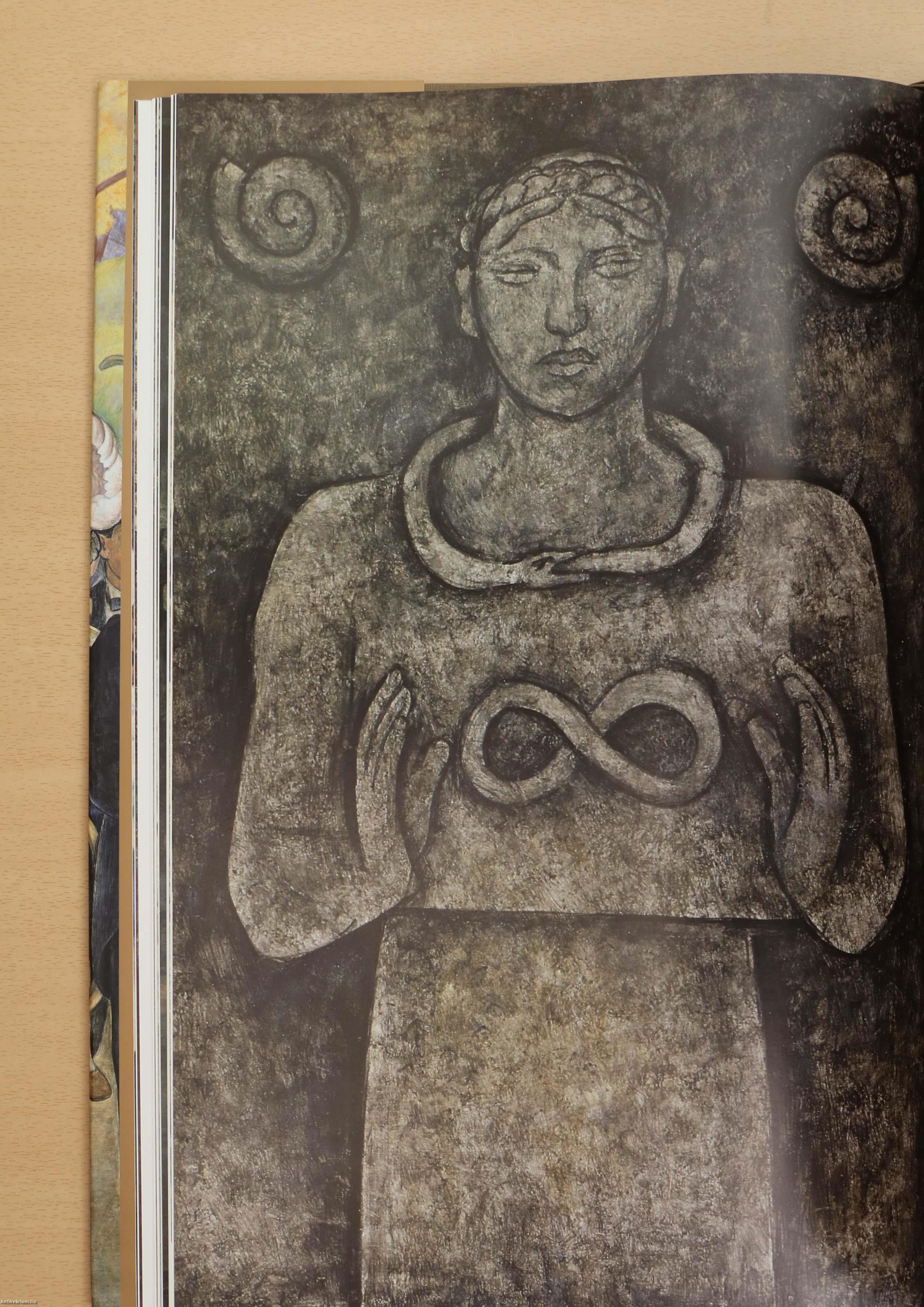
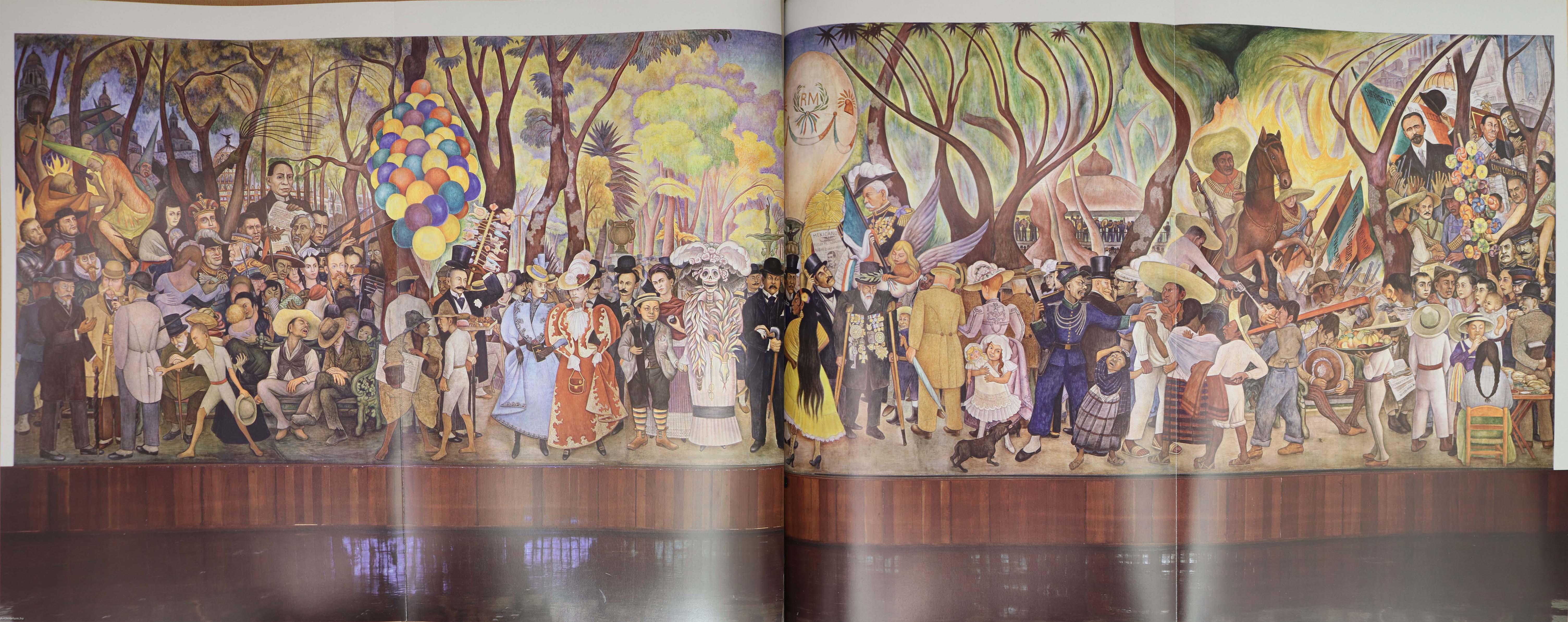
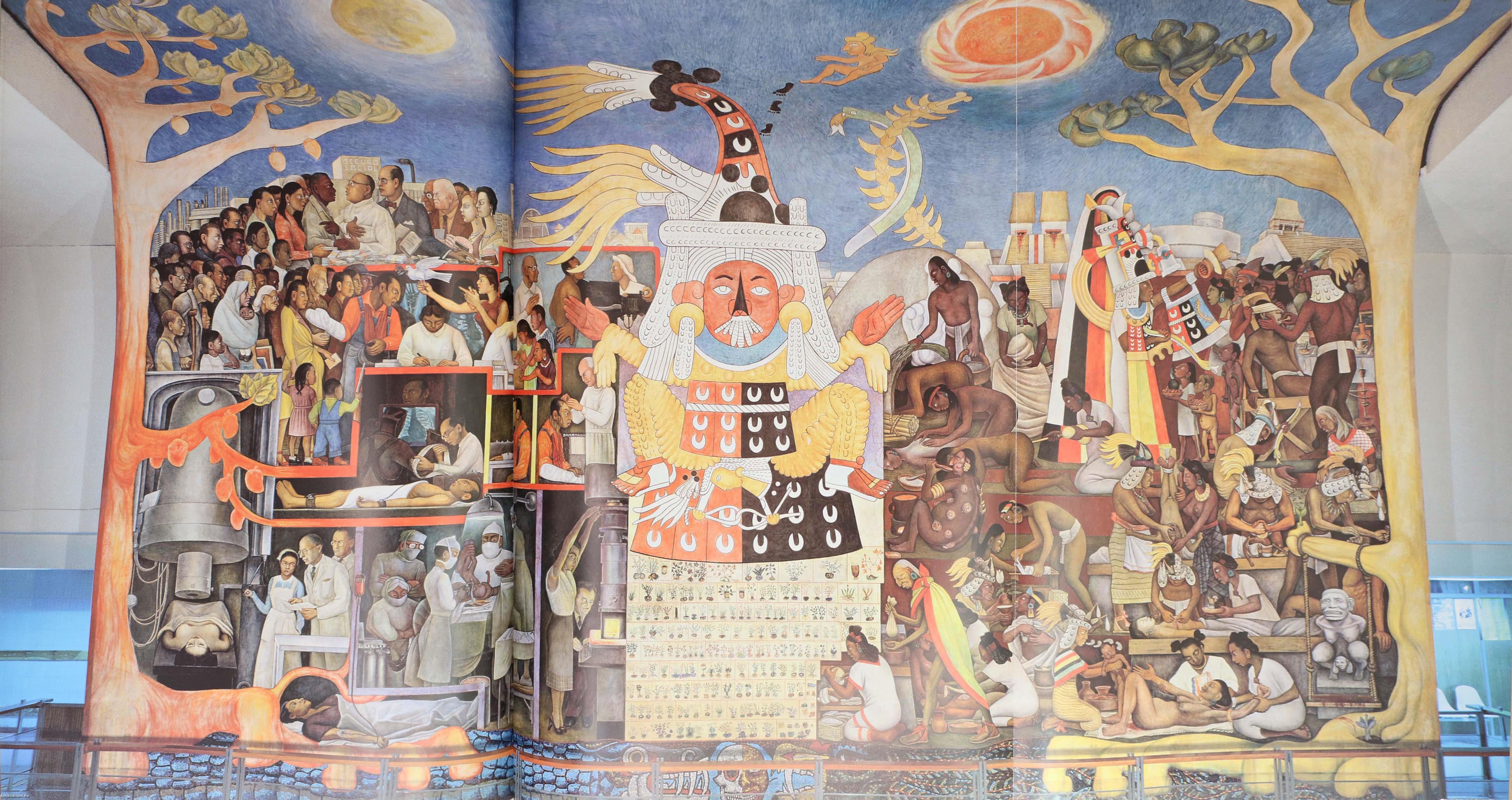
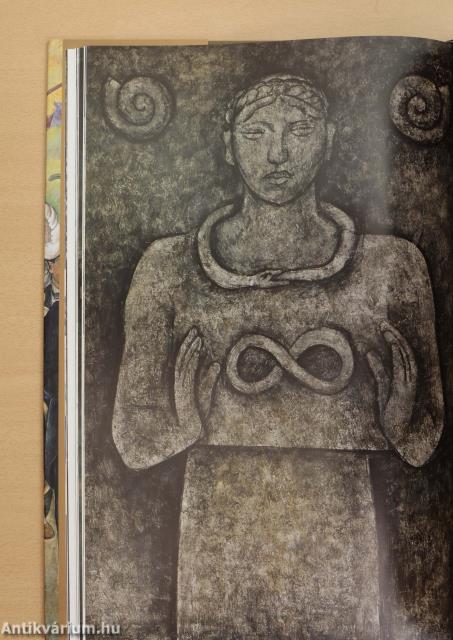
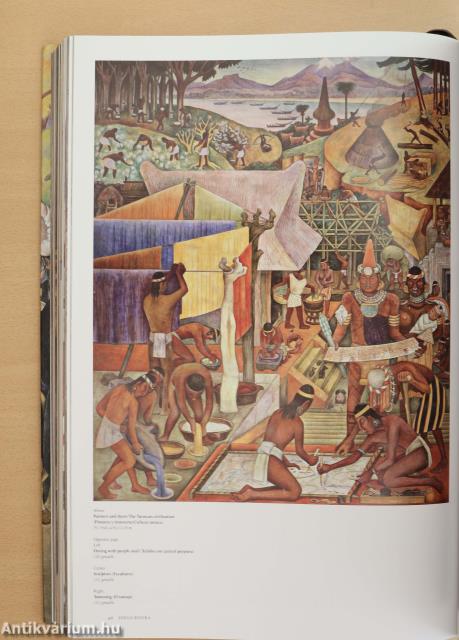
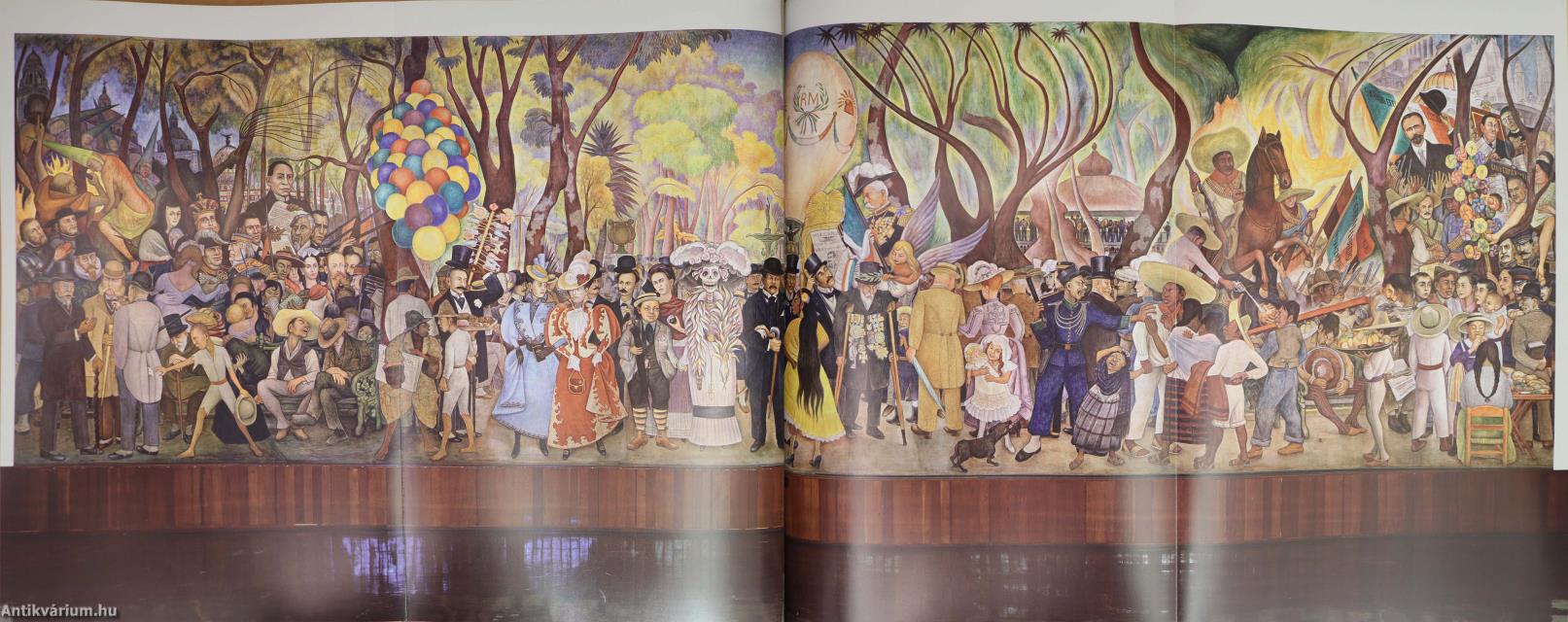
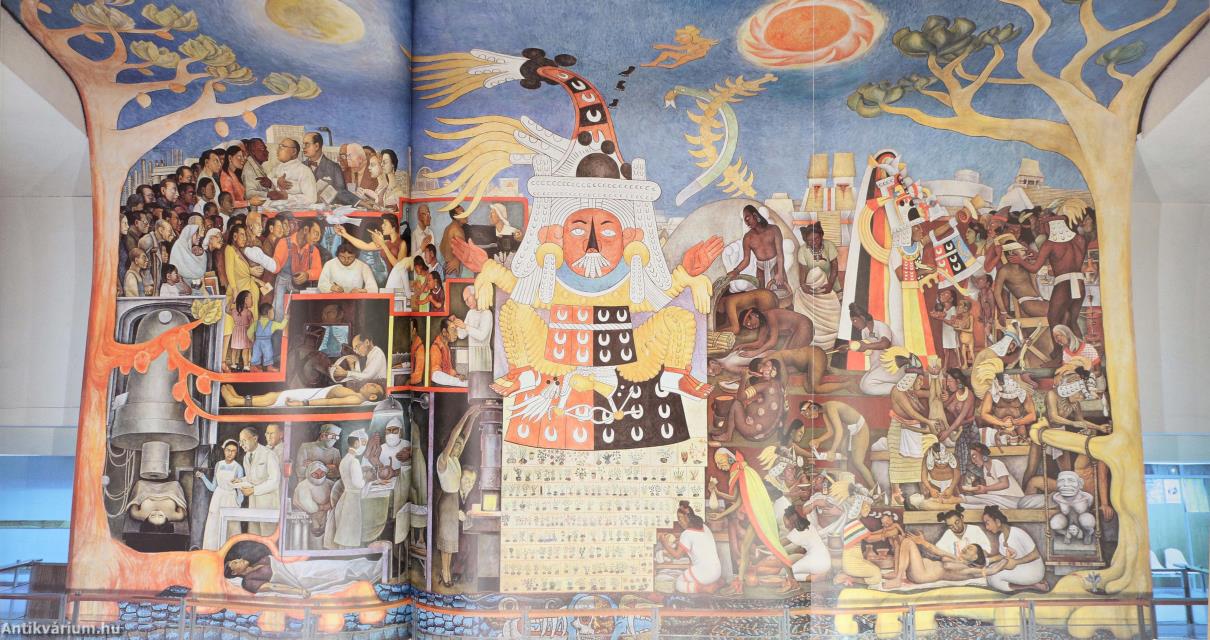
By means of huge decorations on the walls of public buildings, Rivera explored subjects with a powerful aesthetic, political and social content that reflected the history of Mexico and the world in the inter-war years, the struggles of the working class, and the aspiration of the indigenous peoples to be regarded as an integral part of Mexican culture.
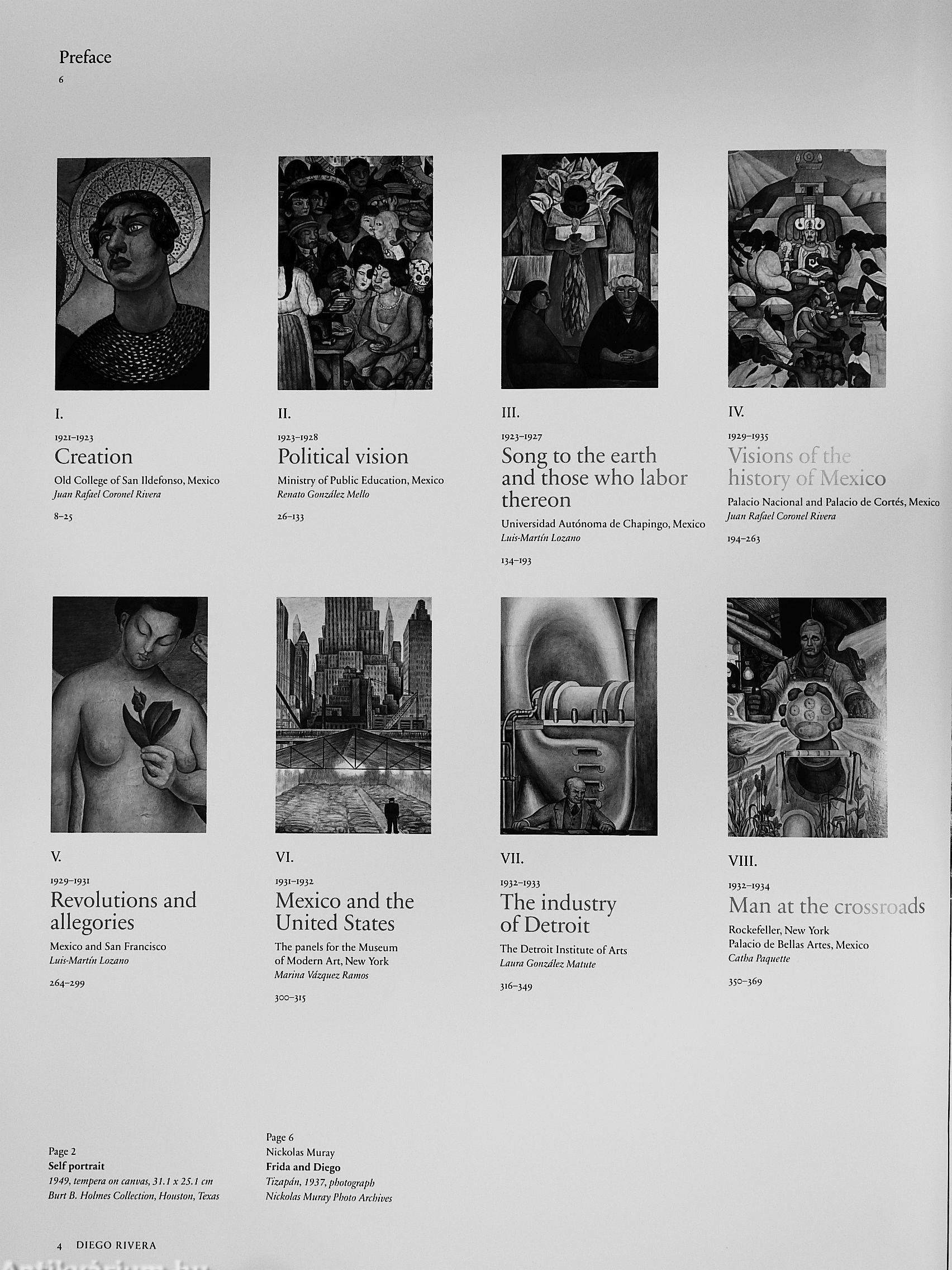
In 1931, Rivera was honored with a major retrospective at the Museum of Modern Art in New York and received various commissions from foreign patrons, particularly in the United States. He sparked enormous controversy there by depicting Lenin on a mural he painted for the Rockefeller Center in New York. The mural was destroyed before he could complete it. Another outstanding work from this period was the mural The industry of Detroit (1932-1933), which comprised 25 frescoes set in an inner courtyard of the Detroit institute of Ans.
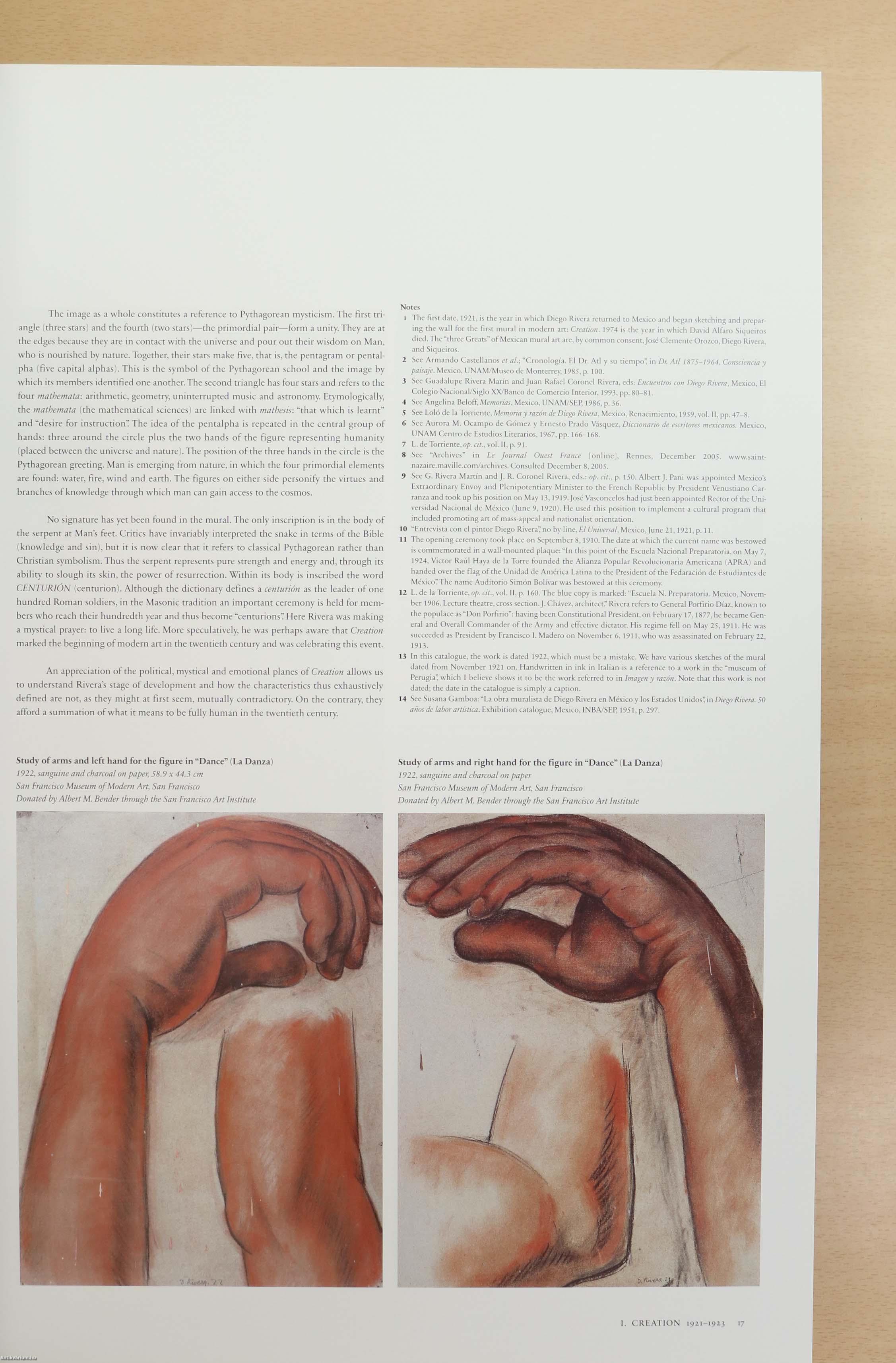
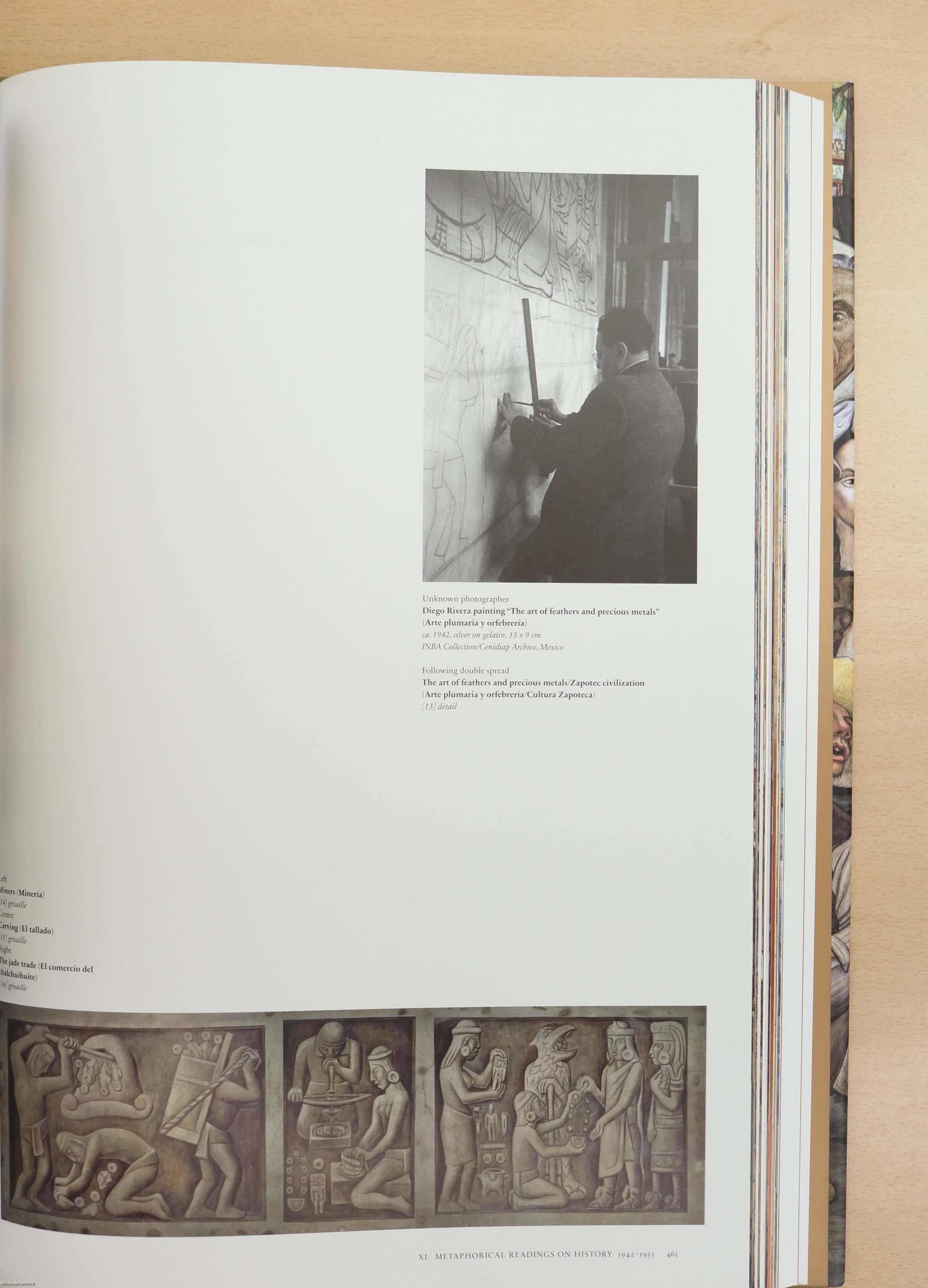
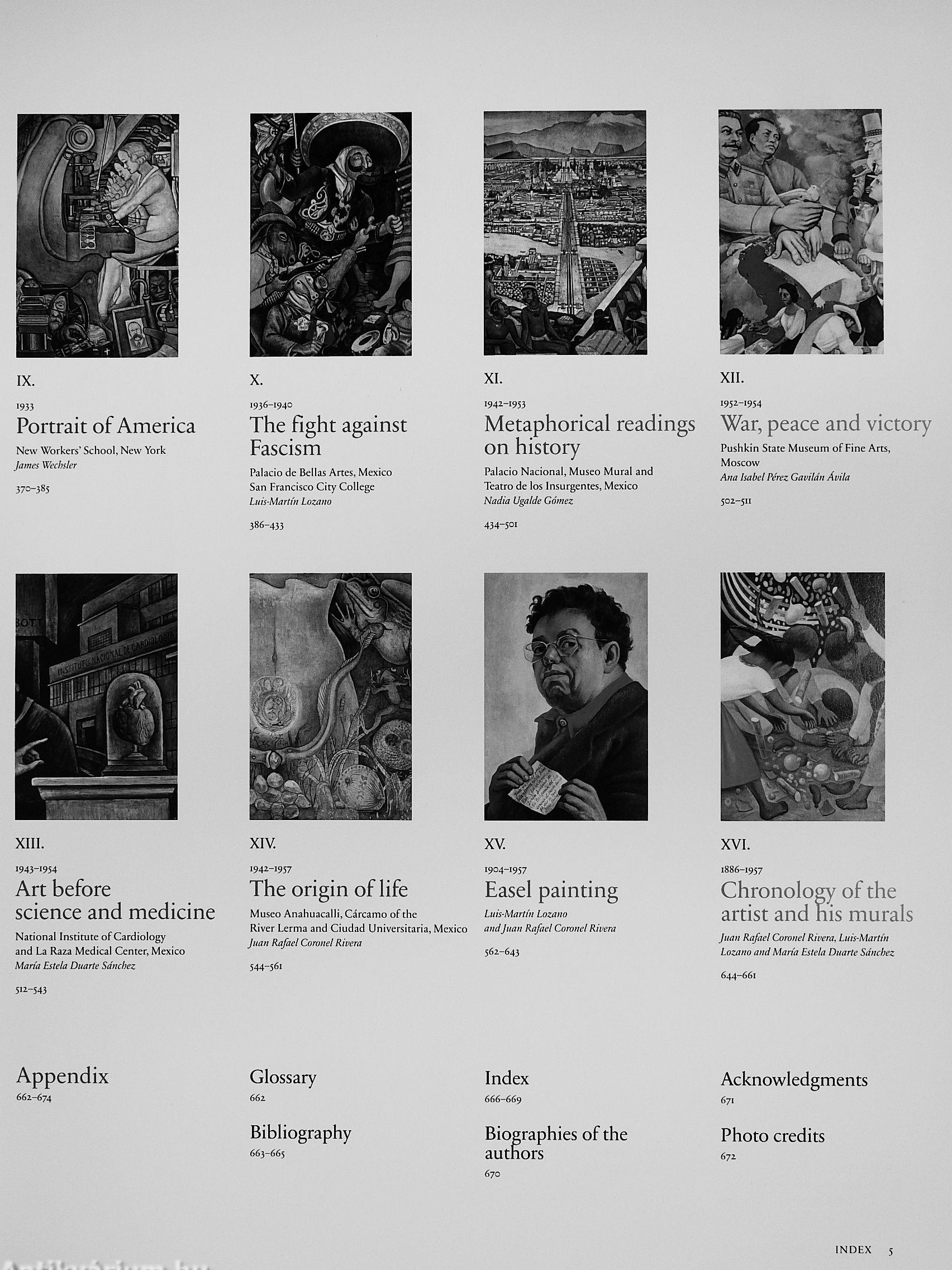
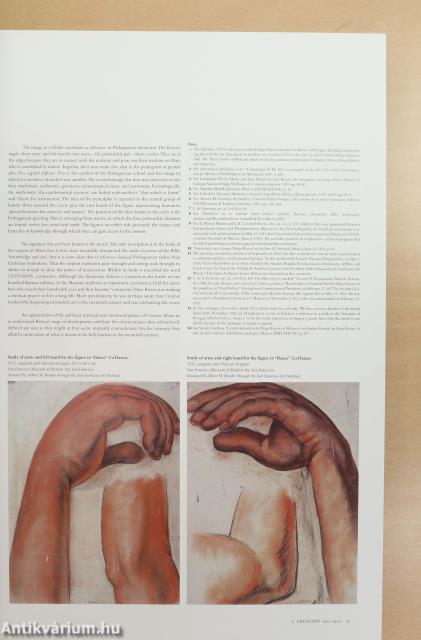
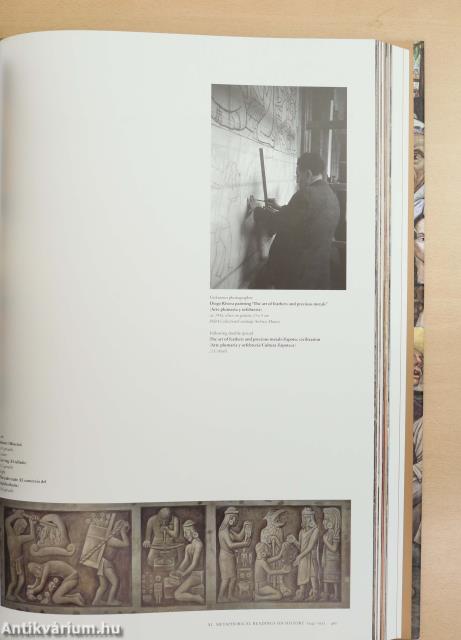
This groundbreaking book covers every aspect of Diego Rivera's career and brings together in a single volume comprehensive information about his murals, both in Mexico and beyond, with a host of hitherto unknown details and painstaking explanations of the techniques he used. It also includes a wide selection of over 200 ease! paintings, numerous drawings and sketches, period photographs and documents (some of them previously unpublished) from both private and public collections to complete this lavish publication.
The texts include an exhaustive illustrated chronology of his artistic career and a series of essays by reputed art historians, headed by Luis-Martin Lozano and Juan Rafael Coronel Rivera, who provide new interpretations of each of the murals.
Haifa century after Rivera's death, his work is finally receiving the in-depth retrospective study that it deserves. This book has been made possible by the joint efforts of the TASCHEN publishing house and the Consejo Nacional para la Cultura y las Artes/CONACULTA (National Council for Culture and the Arts) in Mexico, with support from the Instituto Nacional de Bellas Artes/INBA (National Institute for Fine Arts) and the Banco de Mexico {Bank of Mexico).
i!
X
UCONACULTA Vissza


Megvásárolható példányok
Nincs megvásárolható példány
A könyv összes megrendelhető példánya elfogyott. Ha kívánja, előjegyezheti a könyvet, és amint a könyv egy újabb példánya elérhető lesz, értesítjük.
 Folytatás Microsoft-tal