Fülszöveg
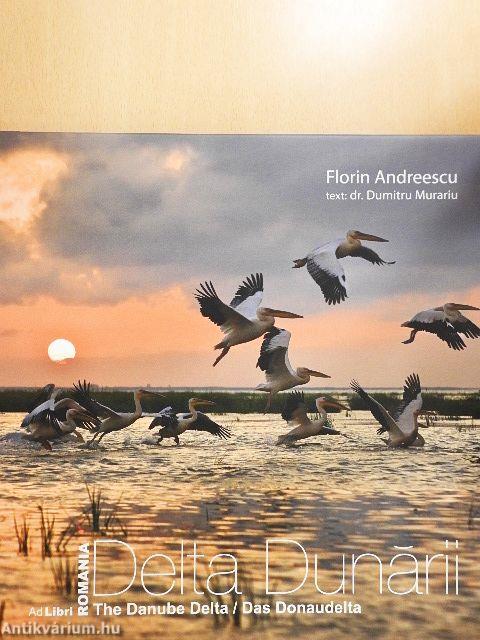
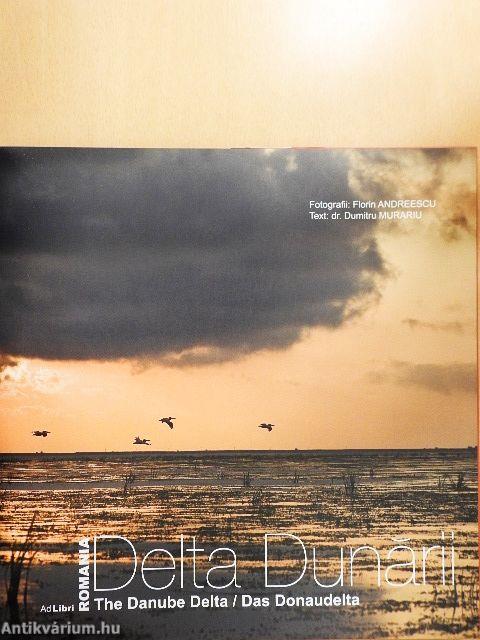
Care este importanta Deltei Dunarii? Avand o suprafatá de 6.000 km^, Delta Dunáril se situeazá, in ceea ce privaste marimea, pe locul 22 ín lume 5i pe locul 3 in Europa. Define cea nnai intinsá zona de stufárijuri compacte de pe planeta. Potrivit Convenjiei Ramsar, este Zona umedá de importanta internaíionalá. Este, de asemenea, singura delta din lume declaratá Tn intregime Rezerva^ie a Biosferei. Datoritá numeroaselor sale ecosisteme, se remarca printr-o complexa biodiversitate ji un geno-fond de o inestimabilá valoare, fapt pentru care a fost ínscrisá pe Lista Patrimoniului Mondial Natural UNESCO.
What IS the importance of the Danube Delta? With a surface area of 6000 square kilometres, the Delta is the twenty-second largest in the world, and the third largest in Europe. It is home to the largest area of compact reed beds in the world. According to the Ramsar Treaty, it is the world's most important wetland. It is the only delta in the world that has been declared a Biosphere...
Tovább
Fülszöveg
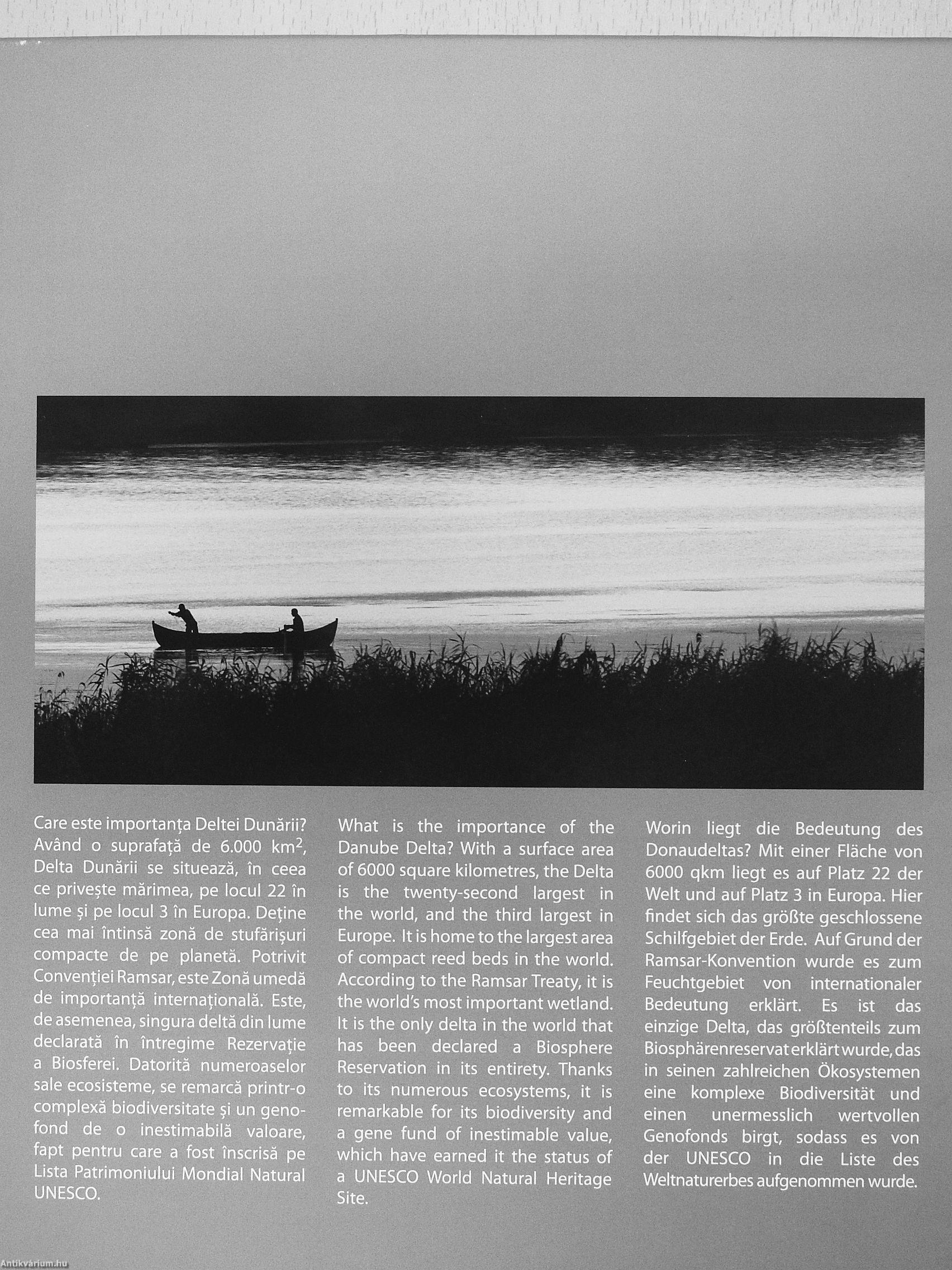
Care este importanta Deltei Dunarii? Avand o suprafatá de 6.000 km^, Delta Dunáril se situeazá, in ceea ce privaste marimea, pe locul 22 ín lume 5i pe locul 3 in Europa. Define cea nnai intinsá zona de stufárijuri compacte de pe planeta. Potrivit Convenjiei Ramsar, este Zona umedá de importanta internaíionalá. Este, de asemenea, singura delta din lume declaratá Tn intregime Rezerva^ie a Biosferei. Datoritá numeroaselor sale ecosisteme, se remarca printr-o complexa biodiversitate ji un geno-fond de o inestimabilá valoare, fapt pentru care a fost ínscrisá pe Lista Patrimoniului Mondial Natural UNESCO.
What IS the importance of the Danube Delta? With a surface area of 6000 square kilometres, the Delta is the twenty-second largest in the world, and the third largest in Europe. It is home to the largest area of compact reed beds in the world. According to the Ramsar Treaty, it is the world's most important wetland. It is the only delta in the world that has been declared a Biosphere Reservation in its entirety. Thanks to its numerous ecosystems, it is remarkable for its biodiversity and a gene fund of inestimable value, which have earned it the status of a UNESCO World Natural Heritage Site.
Worin hegt die Bedeutung des Donaudeltas? Mit einer Fläche von 6000 qkm liegt es auf Platz 22 der Welt und auf Platz 3 in Europa. Hier findet sich das größte geschlossene Schilfgebiet der Erde. Auf Grund der Ramsar-Konvention wurde es zum Feuchtgebiet von internationaler Bedeutung erklärt. Es ist das einzige Delta, das größtenteils zum Biosphärenreservaterklärt wurde,das in seinen zahlreichen Ökosystemen eine komplexe Biodiversität und einen unermesslich wertvollen Genofonds birgt, sodass es von der UNESCO in die Liste des Weltnaturerbes aufgenommen wurde.
Dr. Dumitru Murariu
Dr. Dumitru Murariu este specialist în zoologie, la Muzeul National de Istorie Naturalâ„Grigore Antipa" din Bucuresti. Este autorui a peste 180 articole si lucrâri çtiintifice - toate tipârite. Printre lucrârile pe care le-a scris, singur sau în colaborare, se numârâ trei volume despre mamiferele terestre si arboricole din lume, 4 fascicule referitoare la mamiferele din Románia çi mai multe brosuri. A fost coordonatorui national la Atlasul mamiferelor din Europa (Editura T&AD Peyser/Natural History - Academic Press, London, 1999). A organizat si condus doua expeditii stiintifice în zonele ecuatoriale din Indonézia si Brazilia, lar în 2006 si 2007 a participât la doua expeditii în Africa de Nord.
Dr. Dumitru Murariu is an expert in zoology at the Grigore Antipa National Museum of Natural History in Bucharest. He istheauthorof over 180 published scientific papers and works. His joint and individual published works include three volumes on the world's terrestrial and arboreal mammals, four fascicles on the mammals of Romania, and numerous brochures. He was the Romanian national co-ordinator for the European Atlas of Mammals (T&AD Poyser/Natural History - Academic Press, London, 1999). He has organised and led two scientific expeditions to the equatorial regions of Indonesia and Brazil. In 2005 and 2007, he took part in two expeditions to North Africa.
Dr. Dumitru Murariu ist Fachmann der Zoologie am Naturhistorischen Museum „Grigore Antipa" In Bukarest. Er ist der Verfasser von über 180 wissenschaftlichen Artikeln und Fachbüchern. Von den Werken, die seinen Namen als Autor oder als Mitarbeiter tragen, sind hervorzuheben: drei Bände über die Land- und Baumsäugetiere der Welt, 4 Schriften über Rumäniens Säugetiere und mehrere Broschüren. Er war der nationale Koordinator für den Atlas der Säugetiere Europas (T&AD Poyser/ Natural History - Academic Press, London, 1999), er hat zwei Forschungsexpeditionen in die Äquatorialzone Indonesiens und Brasiliens organisiert und geleitet, 2006 und 2007 nahm er an zwei Expeditionen in Nordafrika teil.
Vissza 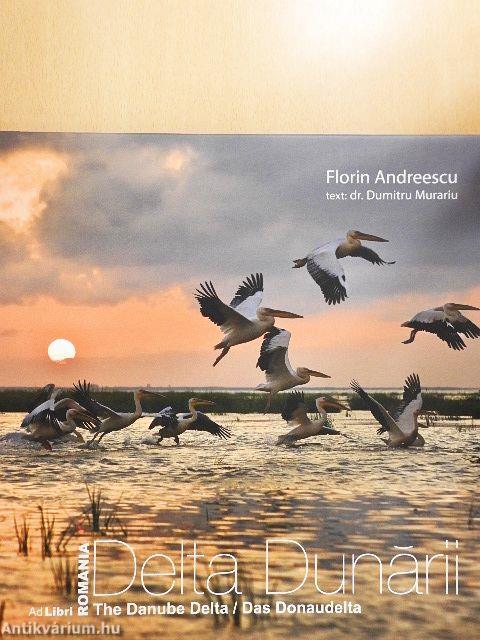



 Folytatás Microsoft-tal