1.119.378

kiadvánnyal nyújtjuk Magyarország legnagyobb antikvár könyv-kínálatát

A kosaram
0
MÉG
5000 Ft
a(z) 5000Ft-os
szállítási
értékhatárig
Ginop popup ablak bezárása

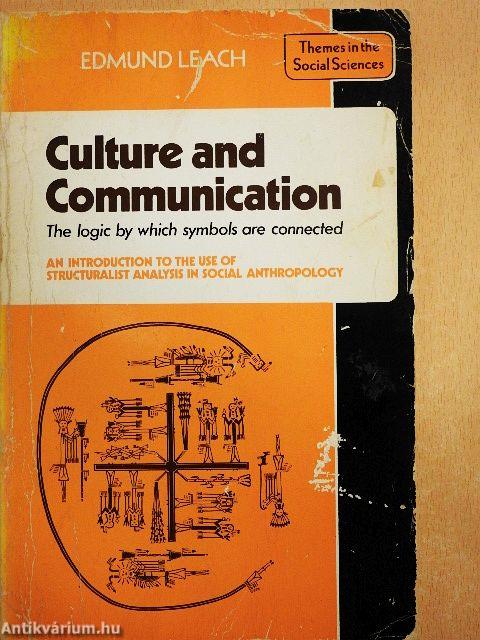
Culture & communication

The logic by which symbols are connected/An introduction to the use of structuralist analysis in social anthropology

Szerző
Szerkesztő
Cambridge
Kiadó: Cambridge University Press
Kiadás helye: Cambridge
Kiadás éve:
Kötés típusa: Ragasztott papírkötés
Oldalszám: 105 oldal
Sorozatcím: Themes in the Social Sciences
Kötetszám:
Nyelv: Angol  
Méret: 23 cm x 15 cm
ISBN:
Értesítőt kérek a kiadóról
Értesítőt kérek a sorozatról

A beállítást mentettük,
naponta értesítjük a beérkező friss
kiadványokról
A beállítást mentettük,
naponta értesítjük a beérkező friss
kiadványokról

Előszó

Tovább

Előszó


Vissza

Fülszöveg


Themes in the Social Sciences
Edited by Jack Goody and Geojfrey Hawthorn
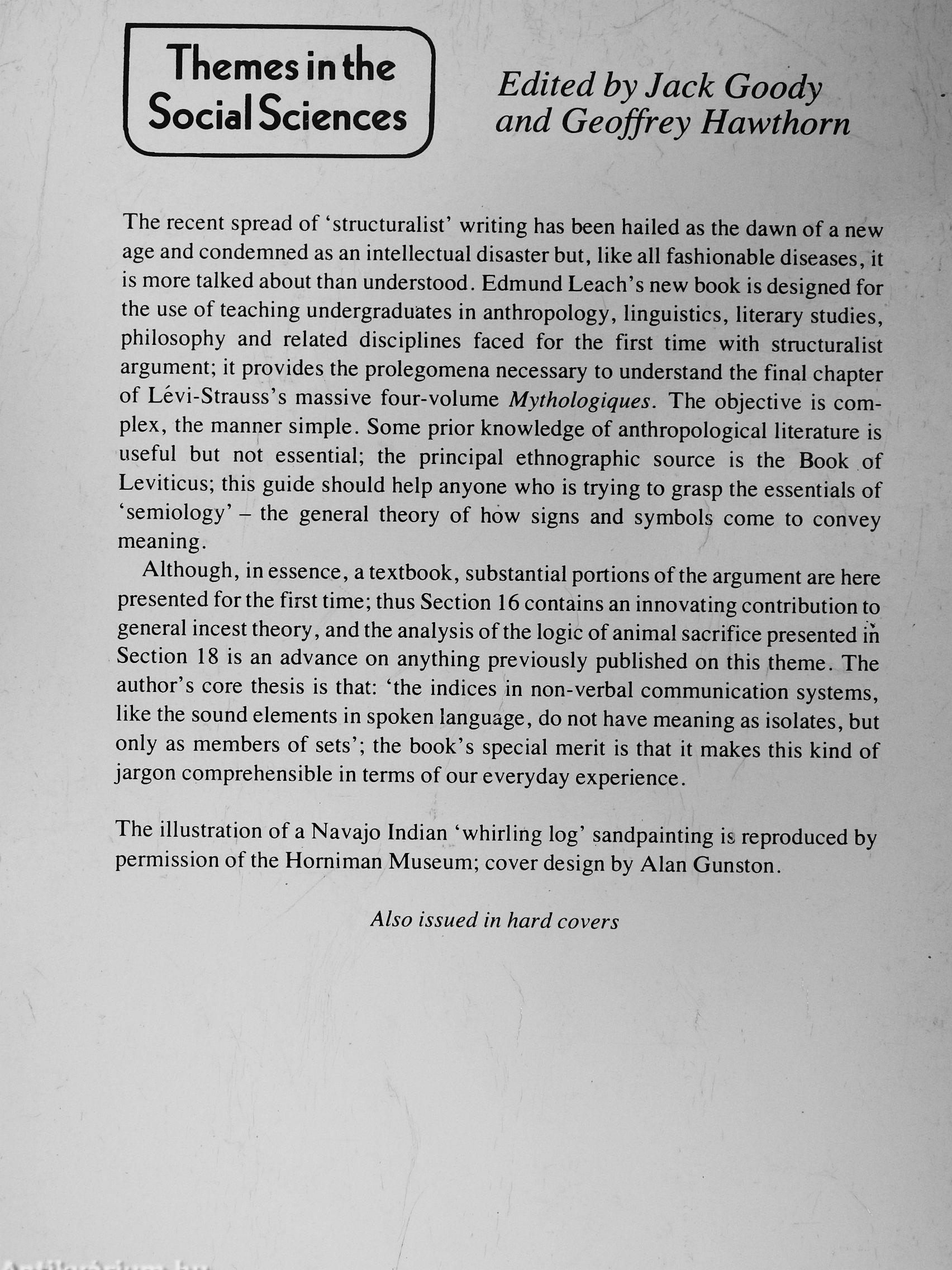
The recent spread of 'structuralist' writing has been hailed as the dawn of a new age and condemned as an intellectual disaster but, like all fashionable diseases, it is more talked about than understood. Edmund Leach's new book is designed for the use of teaching undergraduates in anthropology, linguistics, literary studies, philosophy and related disciplines faced for the first time with structuralist argument; it provides the prolegomena necessary to understand the final chapter of Lévi-Strauss's massive four-volume Mythologiques. The objective is complex, the manner simple. Some prior knowledge of anthropological literature is useful but not essential; the principal ethnographic source is the Book of Leviticus; this guide should help anyone who is trying to grasp the essentials of 'semiology' - the general theory of how signs and symbols come to convey meaning.
Although, in essence, a textbook,... Tovább

Fülszöveg


Themes in the Social Sciences
Edited by Jack Goody and Geojfrey Hawthorn
The recent spread of 'structuralist' writing has been hailed as the dawn of a new age and condemned as an intellectual disaster but, like all fashionable diseases, it is more talked about than understood. Edmund Leach's new book is designed for the use of teaching undergraduates in anthropology, linguistics, literary studies, philosophy and related disciplines faced for the first time with structuralist argument; it provides the prolegomena necessary to understand the final chapter of Lévi-Strauss's massive four-volume Mythologiques. The objective is complex, the manner simple. Some prior knowledge of anthropological literature is useful but not essential; the principal ethnographic source is the Book of Leviticus; this guide should help anyone who is trying to grasp the essentials of 'semiology' - the general theory of how signs and symbols come to convey meaning.
Although, in essence, a textbook, substantial portions of the argument are here presented for the first time; thus Section 16 contains an innovating contribution to general incest theory, and the analysis of the logic of animal sacrifice presented in Section 18 is an advance on anything previously published on this theme. The author's core thesis is that: 'the indices in non-verbal communication systems, like the sound elements in spoken language, do not have meaning as isolates, but only as members of sets'; the book's special merit is that it makes this kind of jargon comprehensible in terms of our everyday experience.
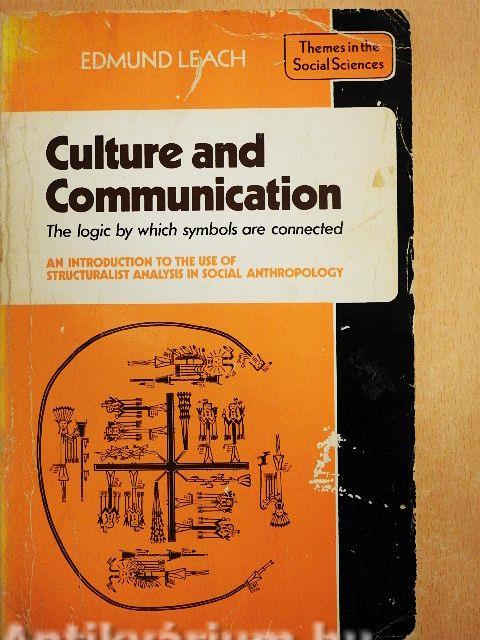
The illustration of a Navajo Indian 'whirling log' sandpainting is reproduced by permission of the Horniman Museum; cover design by Alan Gunston.
Also issued in hard covers Vissza

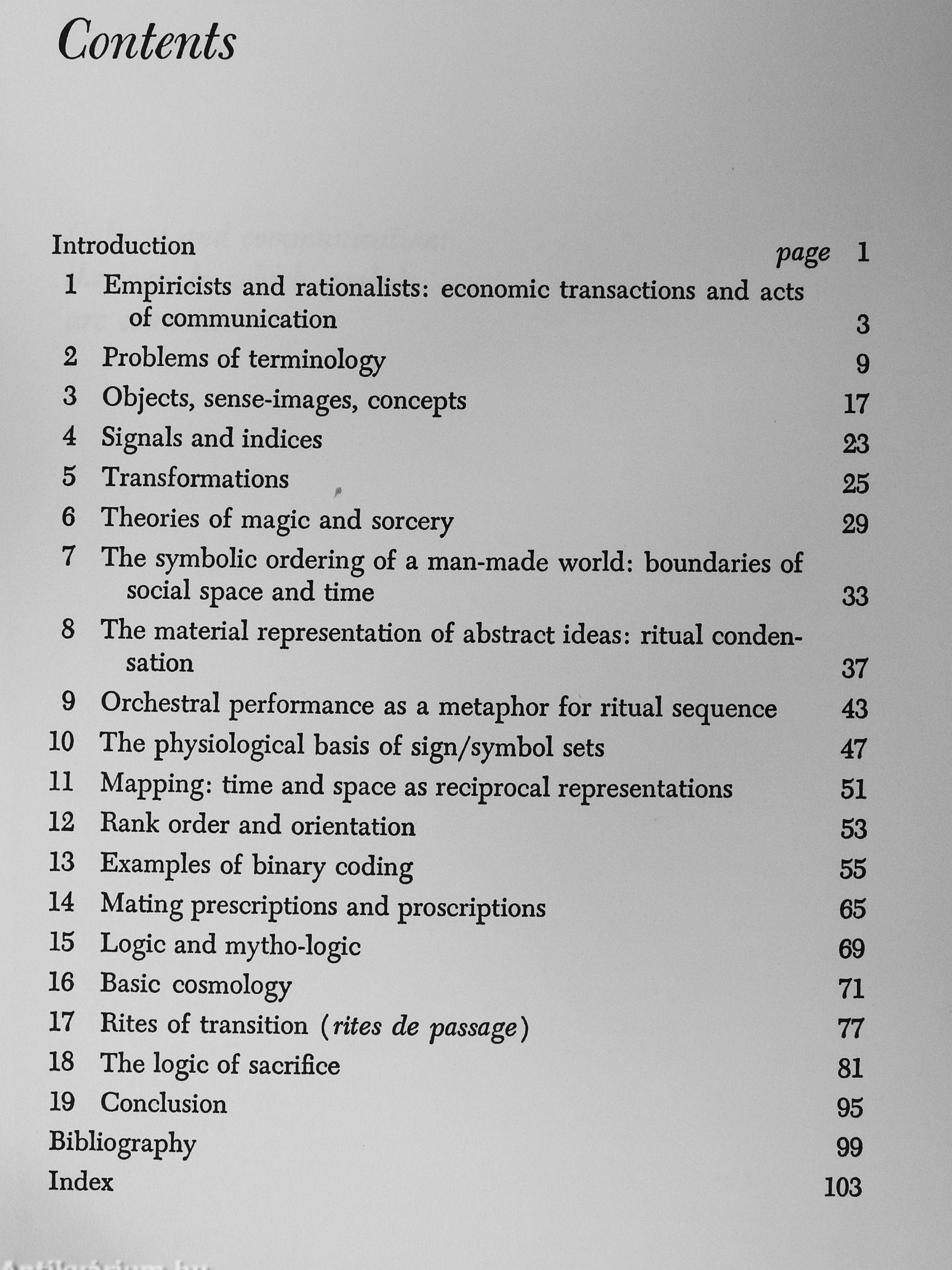
Tartalom


Vissza

Edmund Leach

Edmund Leach műveinek az Antikvarium.hu-n kapható vagy előjegyezhető listáját itt tekintheti meg: Edmund Leach könyvek, művek
Megvásárolható példányok
Állapotfotók
Culture & communication Culture & communication Culture & communication Culture & communication Culture & communication

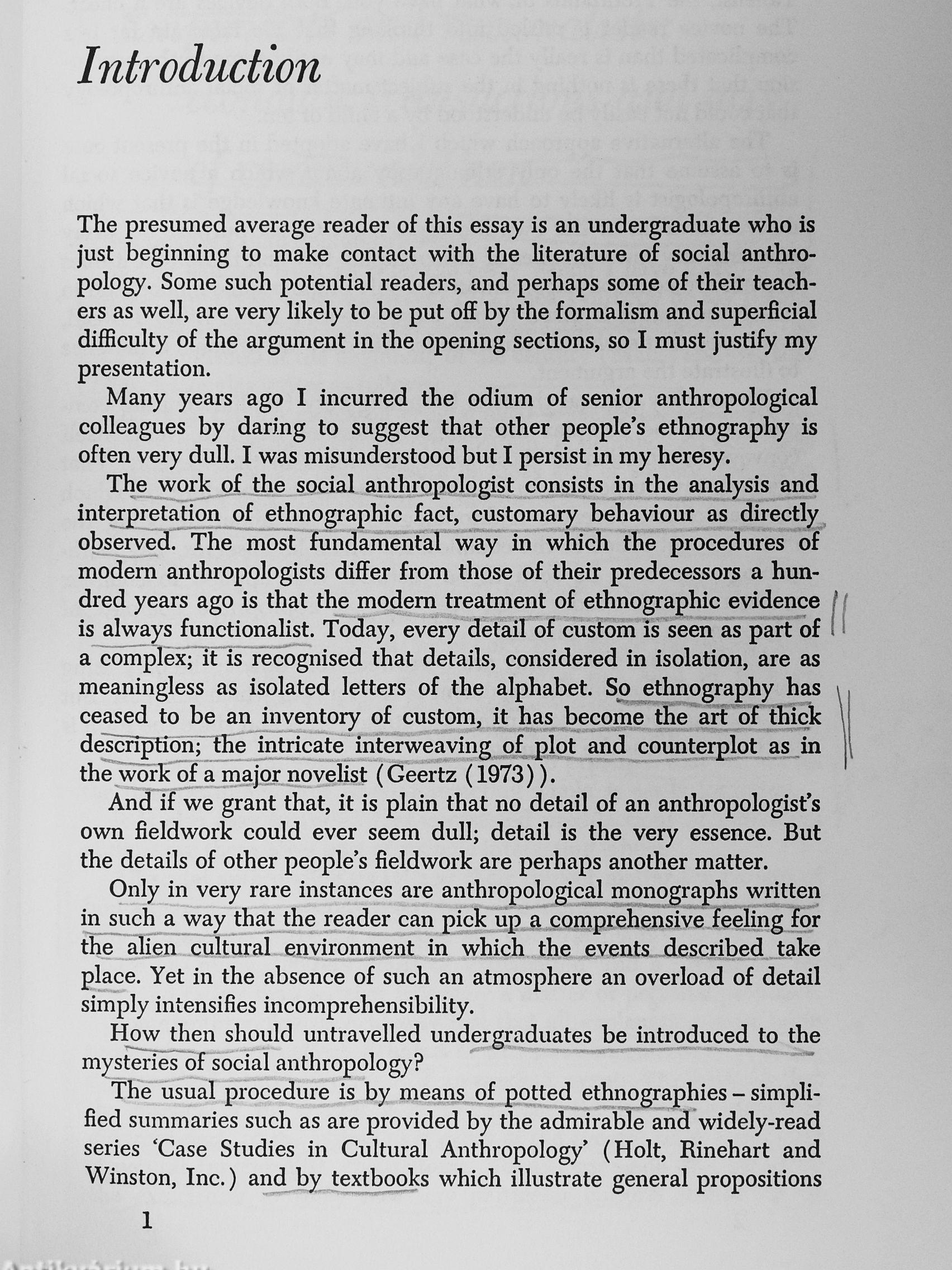
A borító töredezett, foltos, elszíneződött. A lapélek foltosak. Néhány lapon jelölések, aláhúzások láthatók.


Állapot:
3.980 ,-Ft
20 pont kapható
Kosárba