
1.160.330
kiadvánnyal nyújtjuk Magyarország legnagyobb antikvár könyv-kínálatát

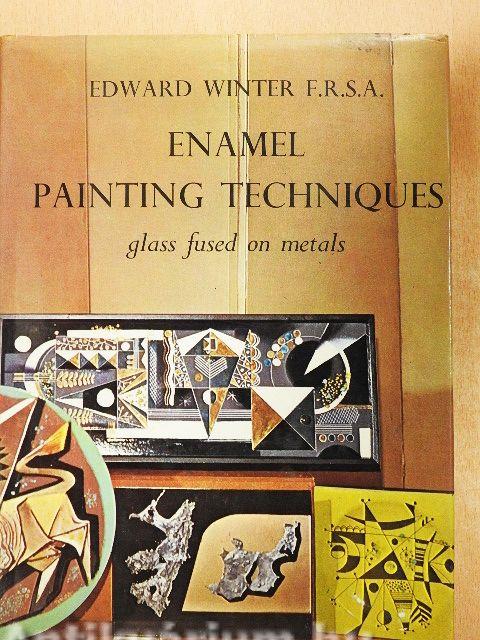
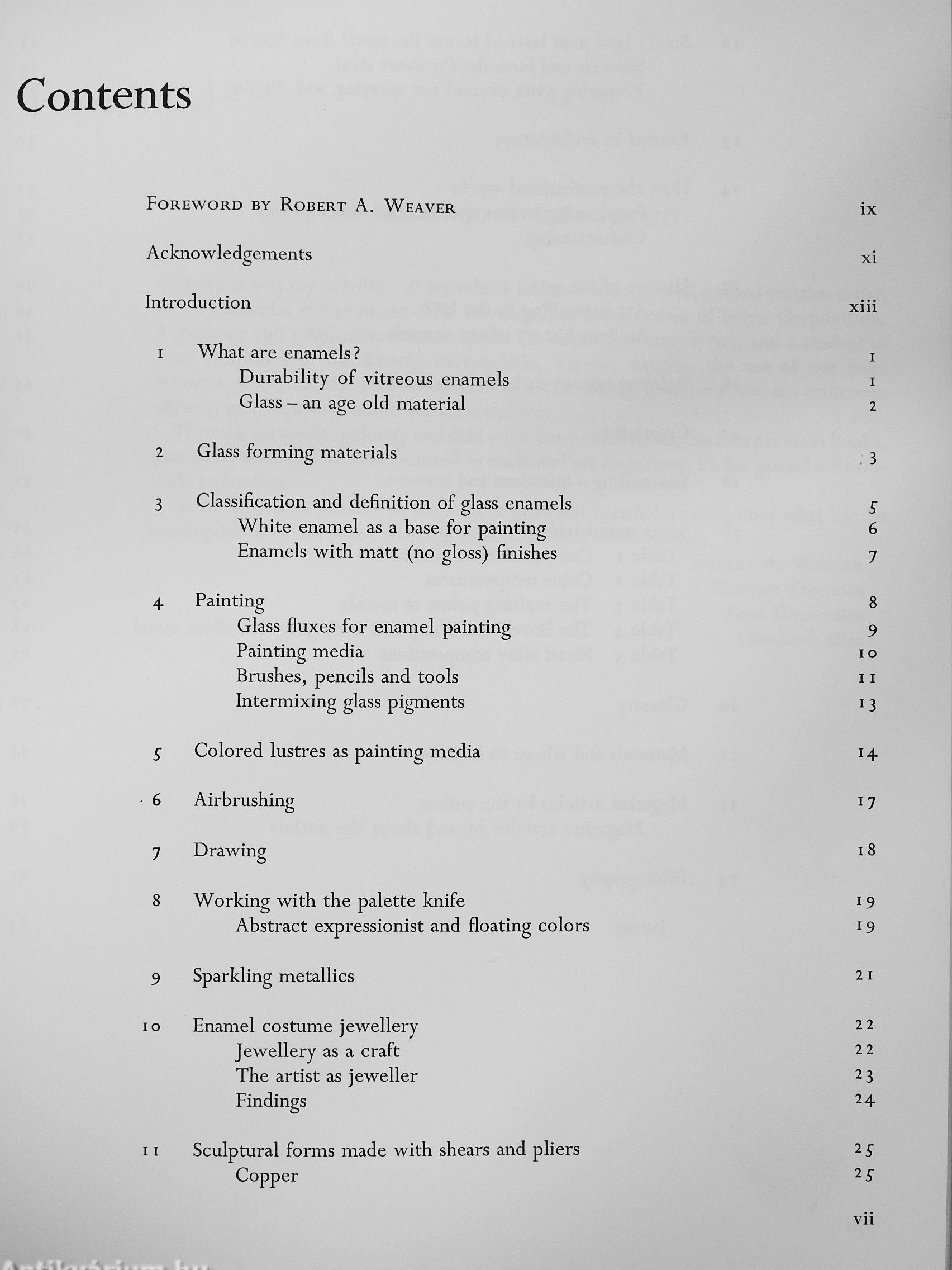
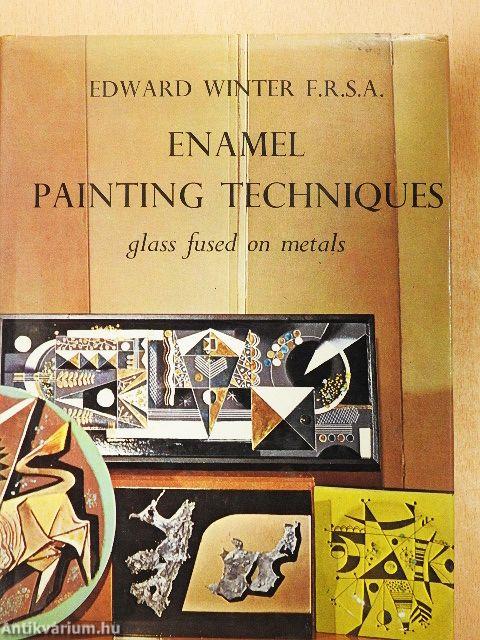
Enamel Painting Techniques
Glass fused on metals/Jewellery, Tiles, Free Forms, Plaques and Murals
Amszterdam
| Kiadó: | Elsevier Publishing Company Limited |
|---|---|
| Kiadás helye: | Amszterdam |
| Kiadás éve: | |
| Kötés típusa: | Varrott keménykötés |
| Oldalszám: | 214 oldal |
| Sorozatcím: | |
| Kötetszám: | |
| Nyelv: | Angol |
| Méret: | 26 cm x 19 cm |
| ISBN: | |
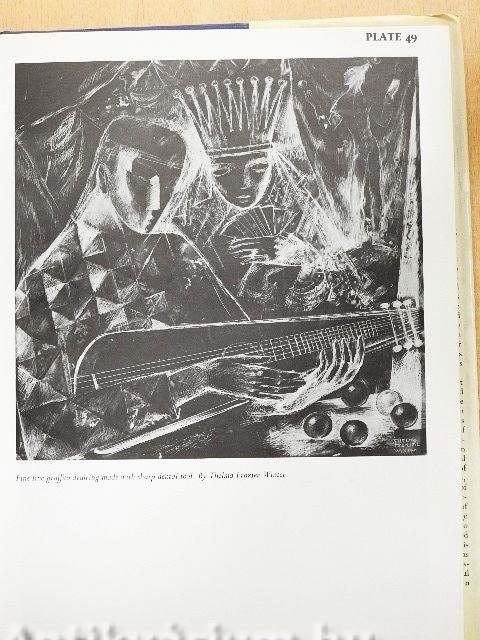
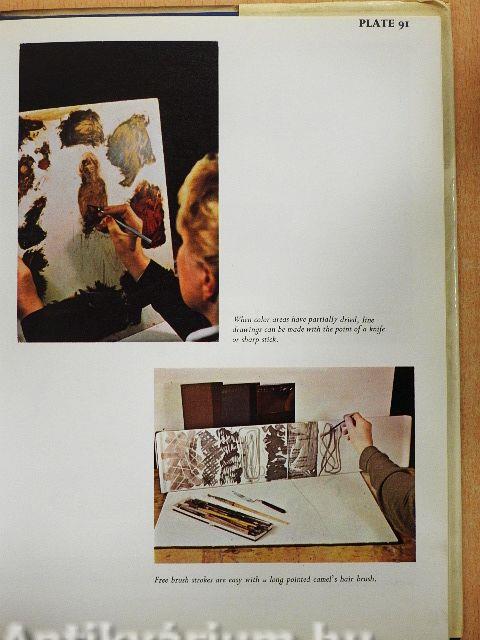
| Megjegyzés: | Színes és fekete-fehér fotókkal, reprodukciókkal. |
Értesítőt kérek a kiadóról
A beállítást mentettük,
naponta értesítjük a beérkező friss
kiadványokról
naponta értesítjük a beérkező friss
kiadványokról
A beállítást mentettük,
naponta értesítjük a beérkező friss
kiadványokról
naponta értesítjük a beérkező friss
kiadványokról
Előszó
Tovább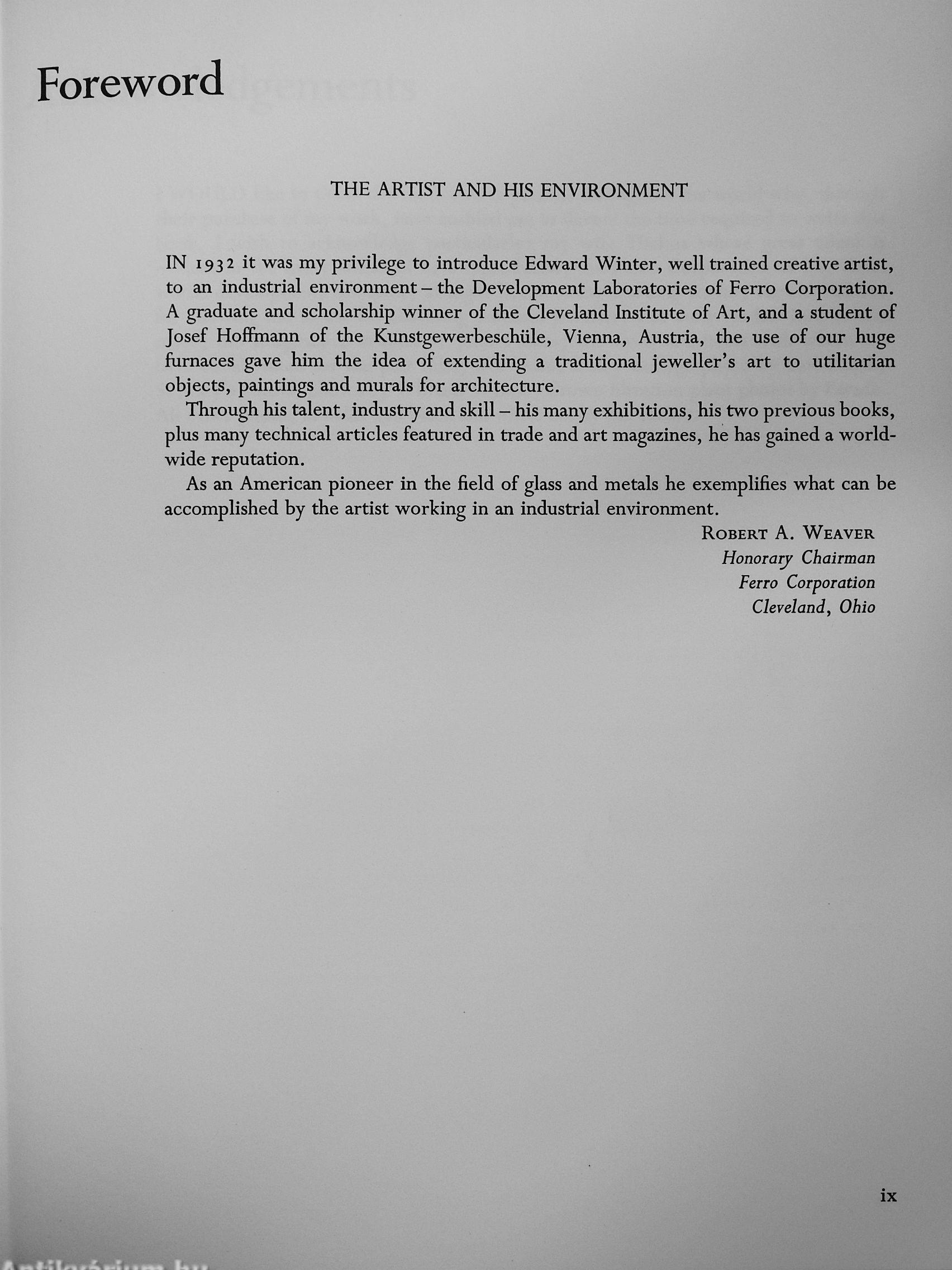
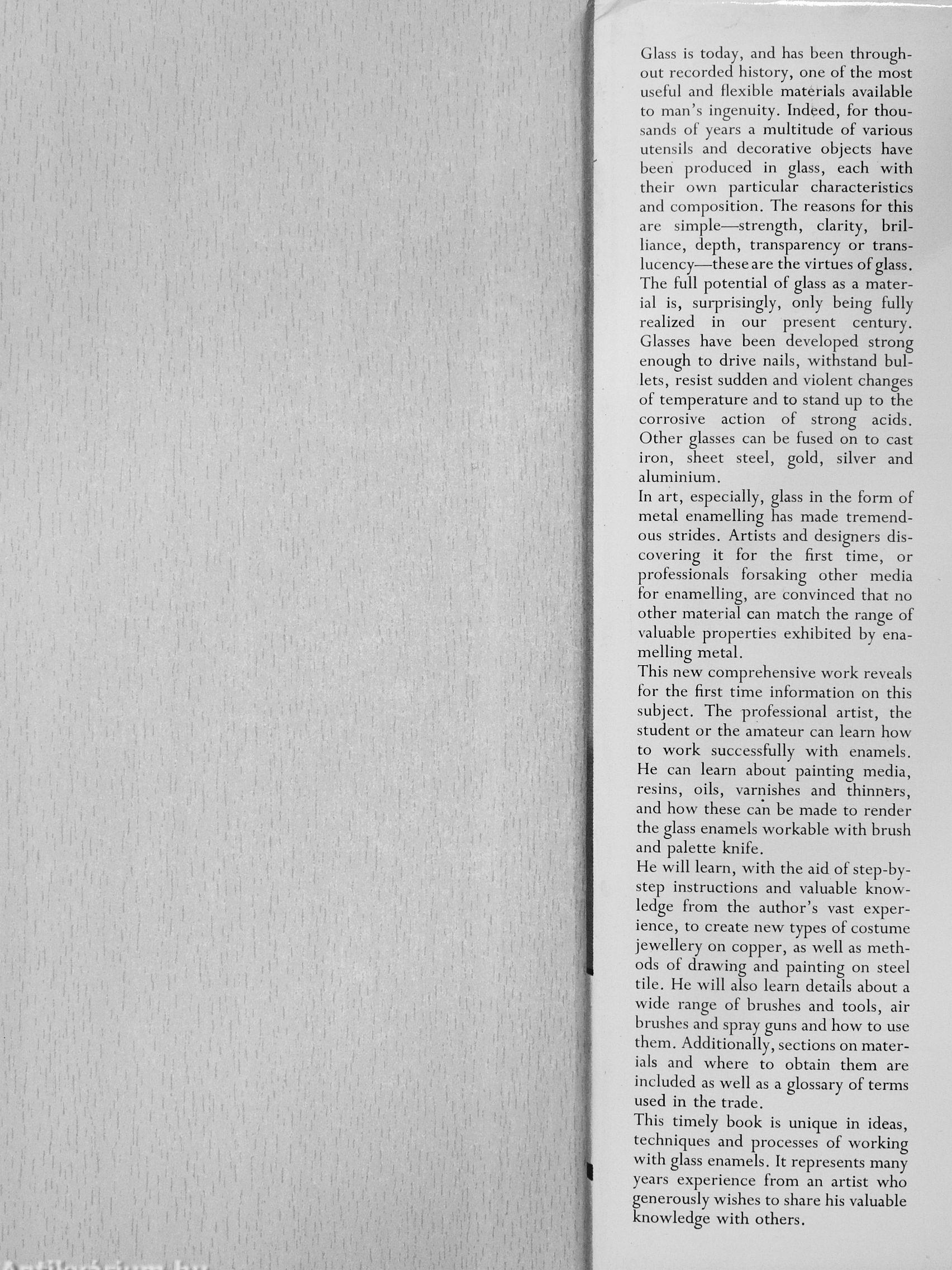
Fülszöveg
Glass is today, and has been throughout recorded history, one of the most usetul and flexible materials available to man's ingenuity. Indeed, for thousands of years a multitude of various utensils and decorative objects have been produced in glass, each with their own particular characteristics and composition. The reasons for this are simple—strength, clarity, brilliance, depth, transparency or trans-lucency—these are the virtues of glass. The full potential of glass as a material is, suqDrisingly, only being fully realized in our present century. Glasses have been developed strong enough to drive nails, withstand bullets, resist sudden and violent changes of temperature and to stand up to the corrosive action of strong acids. Other glasses can be fused on to cast iron, sheet steel, gold, silver and aluminium.
In art, especially, glass in the form of metal enamelling has made tremendous strides. Artists and designers discovering it for the first time, or professionals forsaking... Tovább
Fülszöveg
Glass is today, and has been throughout recorded history, one of the most usetul and flexible materials available to man's ingenuity. Indeed, for thousands of years a multitude of various utensils and decorative objects have been produced in glass, each with their own particular characteristics and composition. The reasons for this are simple—strength, clarity, brilliance, depth, transparency or trans-lucency—these are the virtues of glass. The full potential of glass as a material is, suqDrisingly, only being fully realized in our present century. Glasses have been developed strong enough to drive nails, withstand bullets, resist sudden and violent changes of temperature and to stand up to the corrosive action of strong acids. Other glasses can be fused on to cast iron, sheet steel, gold, silver and aluminium.
In art, especially, glass in the form of metal enamelling has made tremendous strides. Artists and designers discovering it for the first time, or professionals forsaking other media for enamelling, are convinced that no other material can match the range of valuable properties exhibited by enamelling metal.
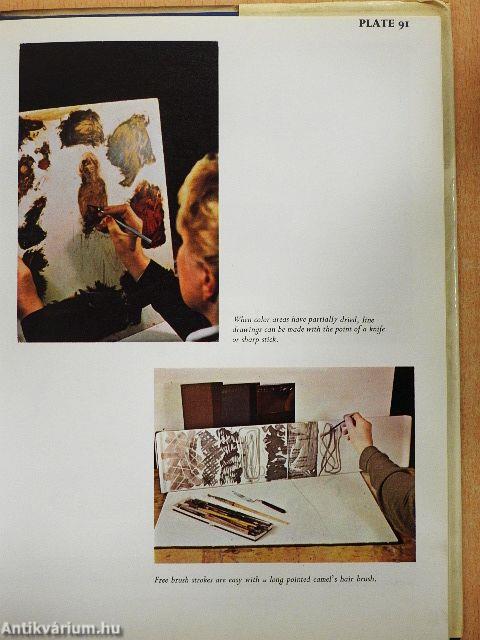
This new comprehensive work reveals for the first time information on this subject. The professional artist, the student or the amateur can learn how to work successfully with enamels. He can learn about painting media, resins, oils, varnishes and thinners, and how these can be made to render the glass enamels workable with brush and palette knife.
He will learn, with the aid of step-by-step instructions and valuable knowledge from the author's vast experience, to create new types of costume jewellery on copper, as well as methods of drawing and painting on steel tile. He will also learn details about a wide range of brushes and tools, air brushes and spray guns and how to use them. Additionally, sections on materials and where to obtain them are included as well as a glossary of terms used in the trade.
This timely book is unique in ideas, techniques and processes of working with glass enamels. It represents many years experience from an artist who generously wishes to share his valuable knowledge with others.
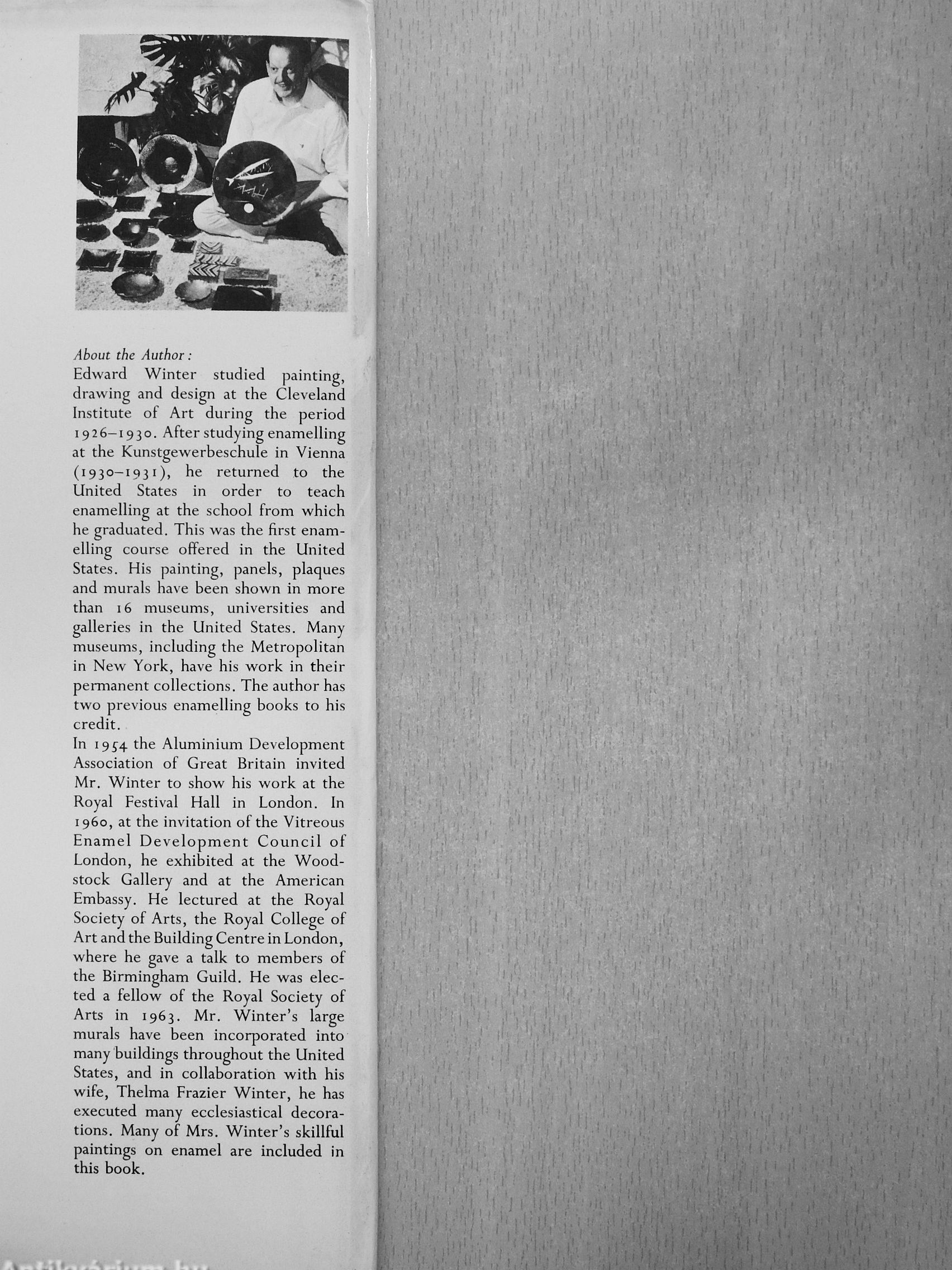
About the Author:
Edward Winter studied painting, drawing and design at the Cleveland Institute of Art during the period 1926-1930. After studying enamelling at the Kunstgewerbeschule in Vienna (1930-1931), he returned to the United States in order to teach enamelling at the school from which he graduated. This was the first enamelling course offered in the United States. His painting, panels, plaques and murals have been shown in more than 16 museums, universities and galleries in the United States. Many museums, including the Metropolitan in New York, have his work in their permanent collections. The author has two previous enamelling books to his credit.
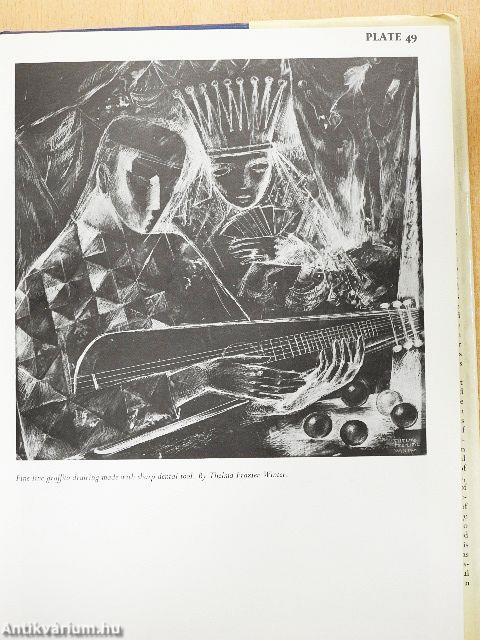
In 1954 the Aluminium Development Association of Great Britain invited Mr. Winter to show his work at the Royal Festival Hall in London. In 1960, at the invitation of the Vitreous Enamel Development Council of London, he exhibited at the Woodstock Gallery and at the American Embassy. He lectured at the Royal Society of Arts, the Royal College of Art and the Building Centre in London, where he gave a talk to members of the Birmingham Guild. He was elected a fellow of the Royal Society of Arts in 1963. Mr. Vv^inter's large murals have been incorporated into many buildings throughout the United States, and in collaboration with his wife, Thelma Frazier Winter, he has executed many ecclesiastical decorations. Many of Mrs. Winter's skillful paintings on enamel are included in this book. Vissza
Témakörök
- Hobbi > Barkácsolás
- Idegennyelv > Idegennyelvű könyvek > Angol > Művészetek > Festészet
- Idegennyelv > Idegennyelvű könyvek > Angol > Művészetek > Iparművészet
- Idegennyelv > Idegennyelvű könyvek > Angol > Hobbi > Barkácsolás
- Művészetek > Festészet > Rajz, grafika > Technikák > Egyéb
- Művészetek > Festészet > Idegen nyelv > Angol
- Művészetek > Iparművészet > Formatervezés > Egyéb
- Művészetek > Iparművészet > Idegen nyelv > Angol
- Művészetek > Iparművészet > Fém-, ötvösművészet > Egyéb
Edward Winter
Edward Winter műveinek az Antikvarium.hu-n kapható vagy előjegyezhető listáját itt tekintheti meg: Edward Winter könyvek, művekMegvásárolható példányok
Nincs megvásárolható példány
A könyv összes megrendelhető példánya elfogyott. Ha kívánja, előjegyezheti a könyvet, és amint a könyv egy újabb példánya elérhető lesz, értesítjük.
 Folytatás Microsoft-tal