
1.119.492
kiadvánnyal nyújtjuk Magyarország legnagyobb antikvár könyv-kínálatát

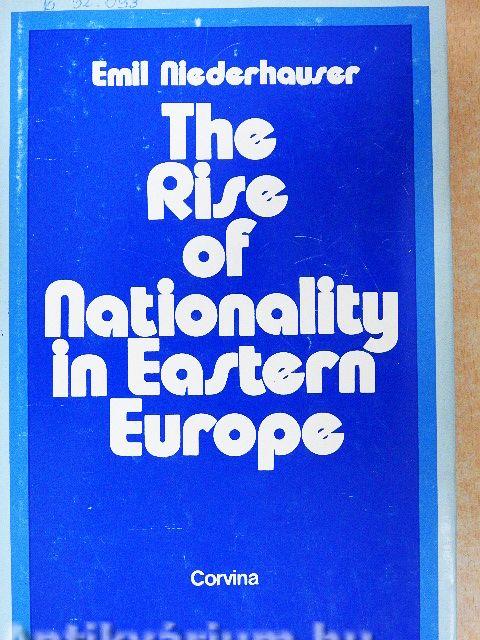
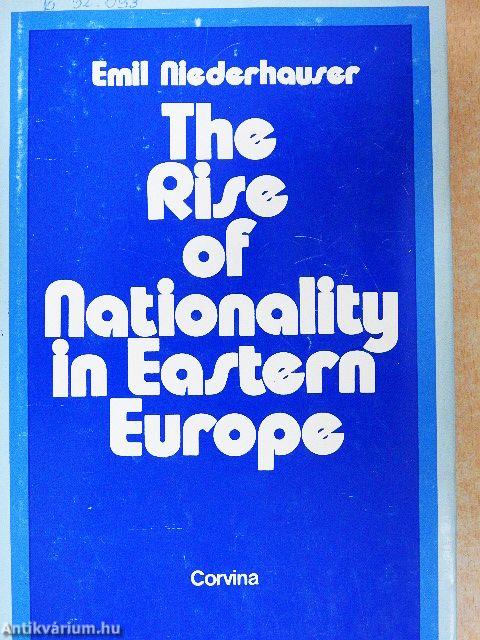
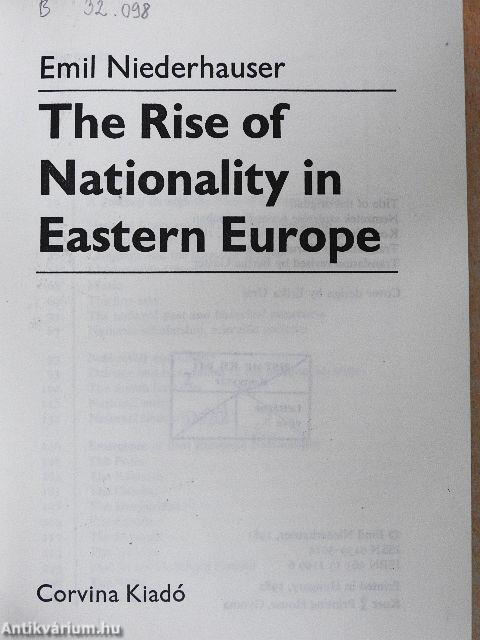
The Rise of Nationality in Eastern Europe
Budapest
| Kiadó: | Corvina Kiadó |
|---|---|
| Kiadás helye: | Budapest |
| Kiadás éve: | |
| Kötés típusa: | Fűzött kemény papírkötés |
| Oldalszám: | 339 oldal |
| Sorozatcím: | |
| Kötetszám: | |
| Nyelv: | Angol |
| Méret: | 19 cm x 13 cm |
| ISBN: | 963-13-1199-6 |
Értesítőt kérek a kiadóról
A beállítást mentettük,
naponta értesítjük a beérkező friss
kiadványokról
naponta értesítjük a beérkező friss
kiadványokról
A beállítást mentettük,
naponta értesítjük a beérkező friss
kiadványokról
naponta értesítjük a beérkező friss
kiadványokról
Előszó
Tovább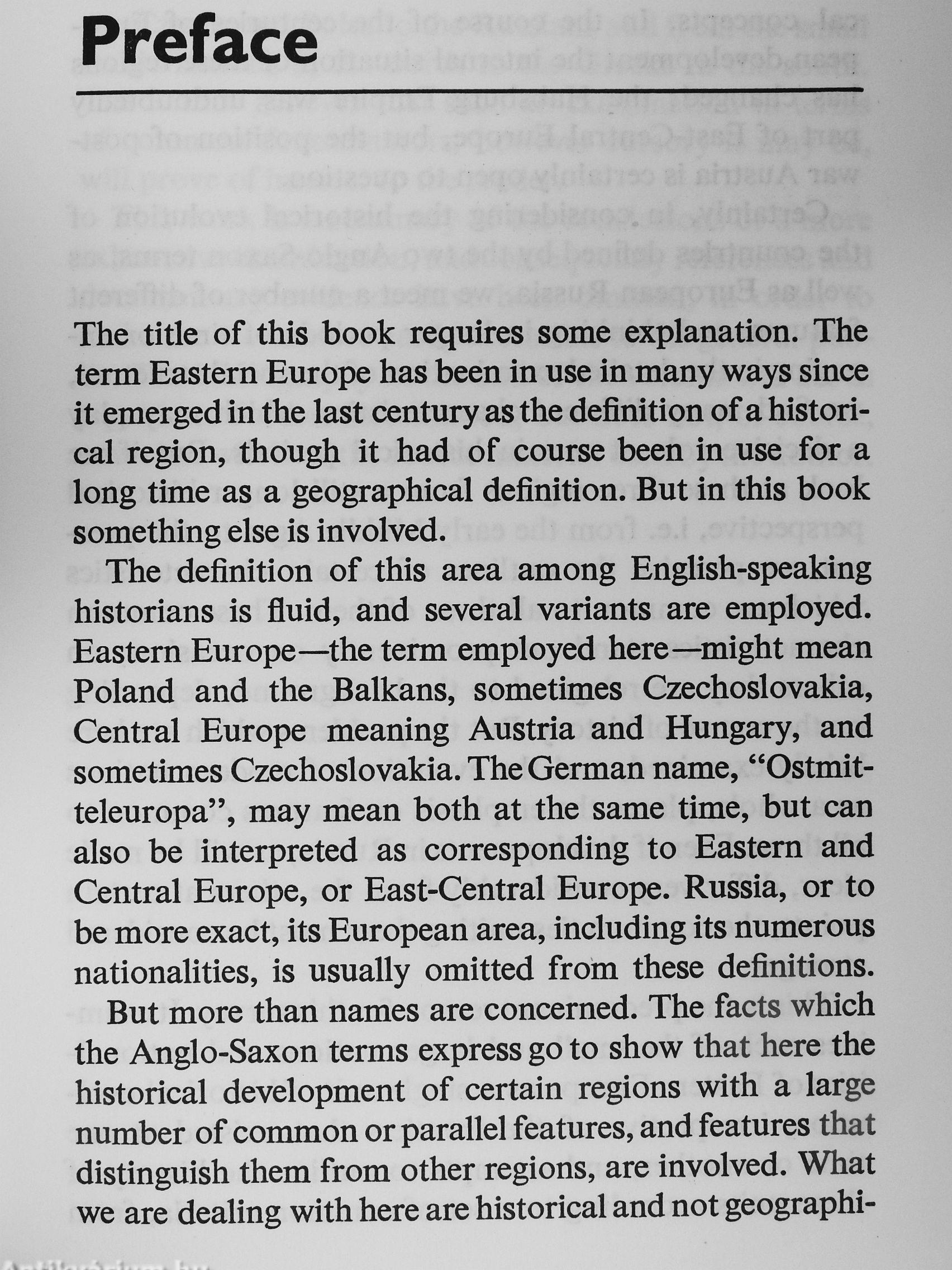
Fülszöveg
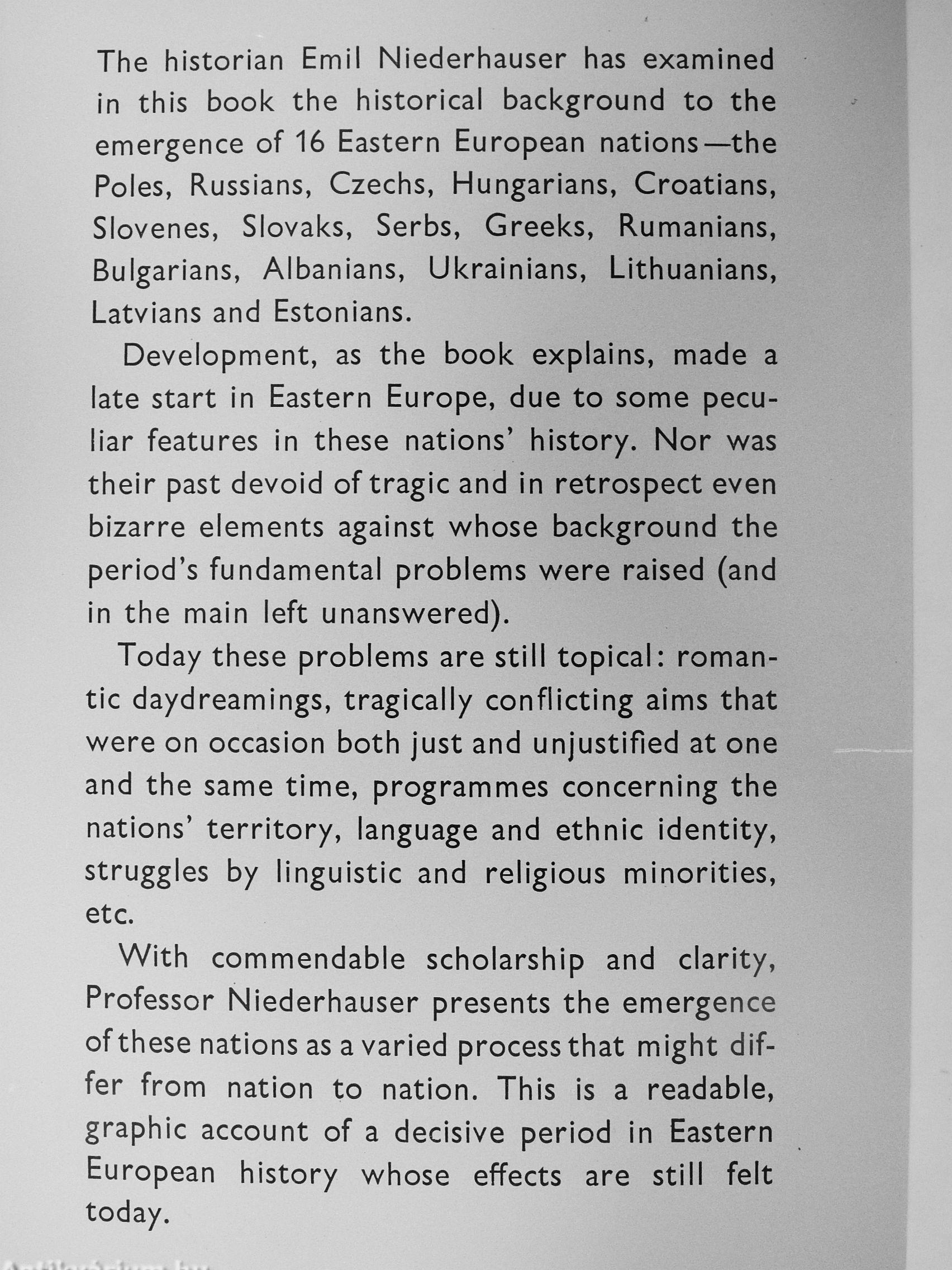
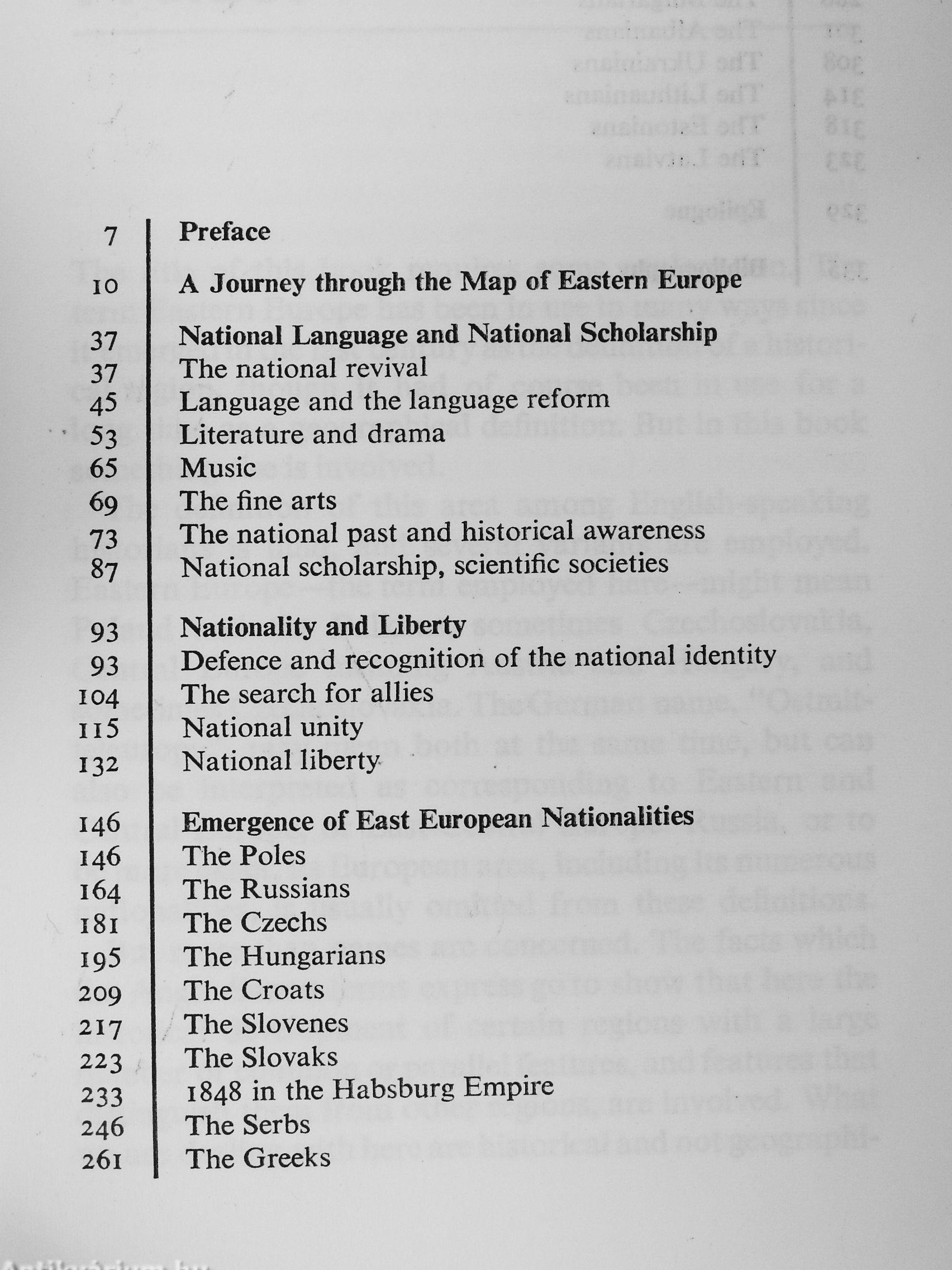
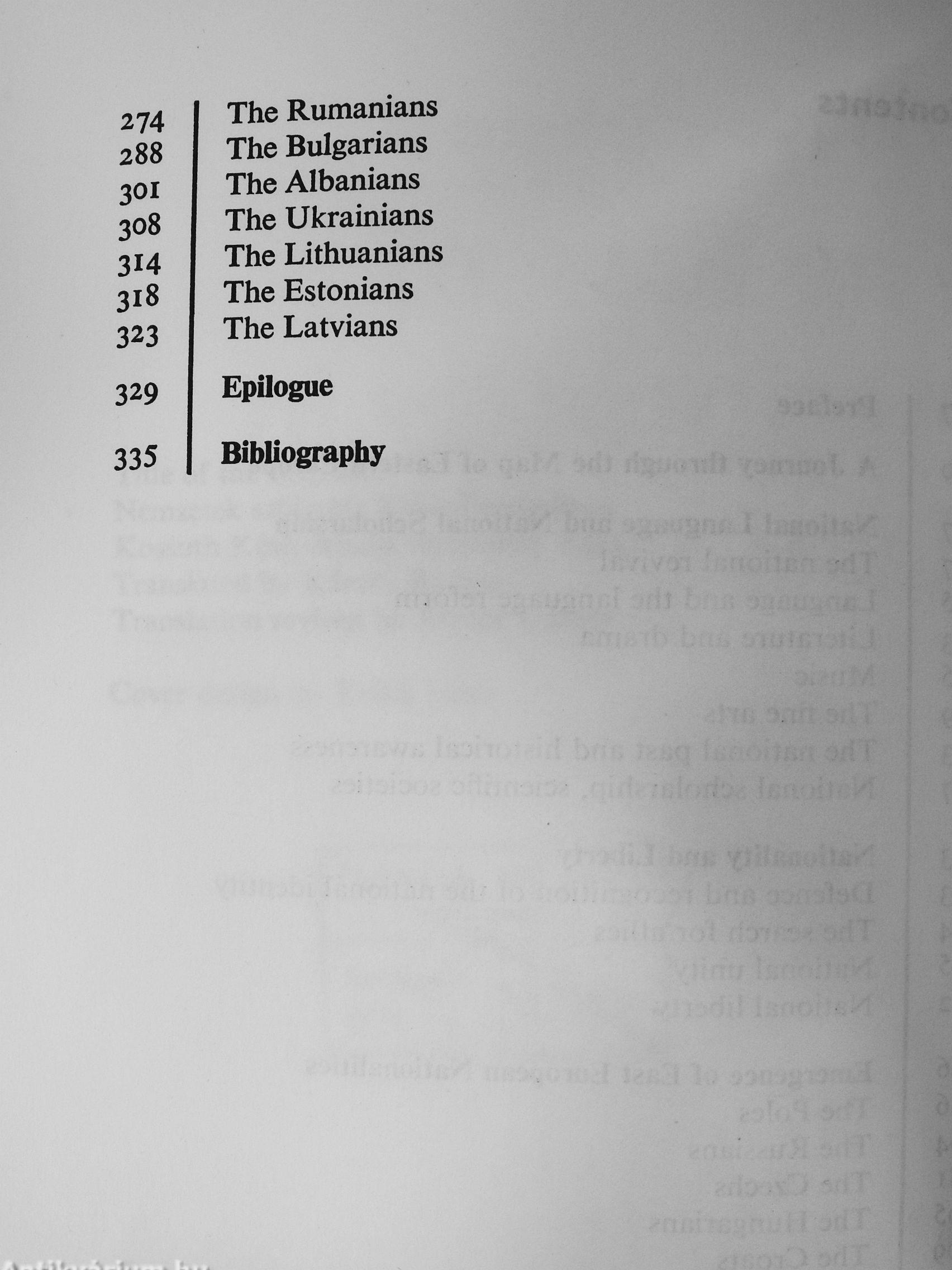
The historian Emil Niederhauser has examined in this book the historical background to the emergence of 16 Eastern European nations—the Poles, Russians, Czechs, Hungarians, Croatians, Slovenes, Slovaks, Serbs, Greeks, Rumanians, Bulgarians, Albanians, Ukrainians, Lithuanians, Latvians and Estonians.
Development, as the book explains, made a late start in Eastern Europe, due to some peculiar features in these nations' history. Nor was their past devoid of tragic and in retrospect even bizarre elements against whose background the period's fundamental problems were raised (and in the main left unanswered).
Today these problems are still topical: romantic daydreamings, tragically conflicting aims that were on occasion both just and unjustified at one and the same time, programmes concerning the nations' territory, language and ethnic identity, struggles by linguistic and religious minorities, etc.
With commendable scholarship and clarity, Professor Niederhauser presents the... Tovább
Fülszöveg
The historian Emil Niederhauser has examined in this book the historical background to the emergence of 16 Eastern European nations—the Poles, Russians, Czechs, Hungarians, Croatians, Slovenes, Slovaks, Serbs, Greeks, Rumanians, Bulgarians, Albanians, Ukrainians, Lithuanians, Latvians and Estonians.
Development, as the book explains, made a late start in Eastern Europe, due to some peculiar features in these nations' history. Nor was their past devoid of tragic and in retrospect even bizarre elements against whose background the period's fundamental problems were raised (and in the main left unanswered).
Today these problems are still topical: romantic daydreamings, tragically conflicting aims that were on occasion both just and unjustified at one and the same time, programmes concerning the nations' territory, language and ethnic identity, struggles by linguistic and religious minorities, etc.
With commendable scholarship and clarity, Professor Niederhauser presents the emergence of these nations as a varied process that might differ from nation to nation. This is a readable, graphic account of a decisive period in Eastern European history whose effects are still felt today.
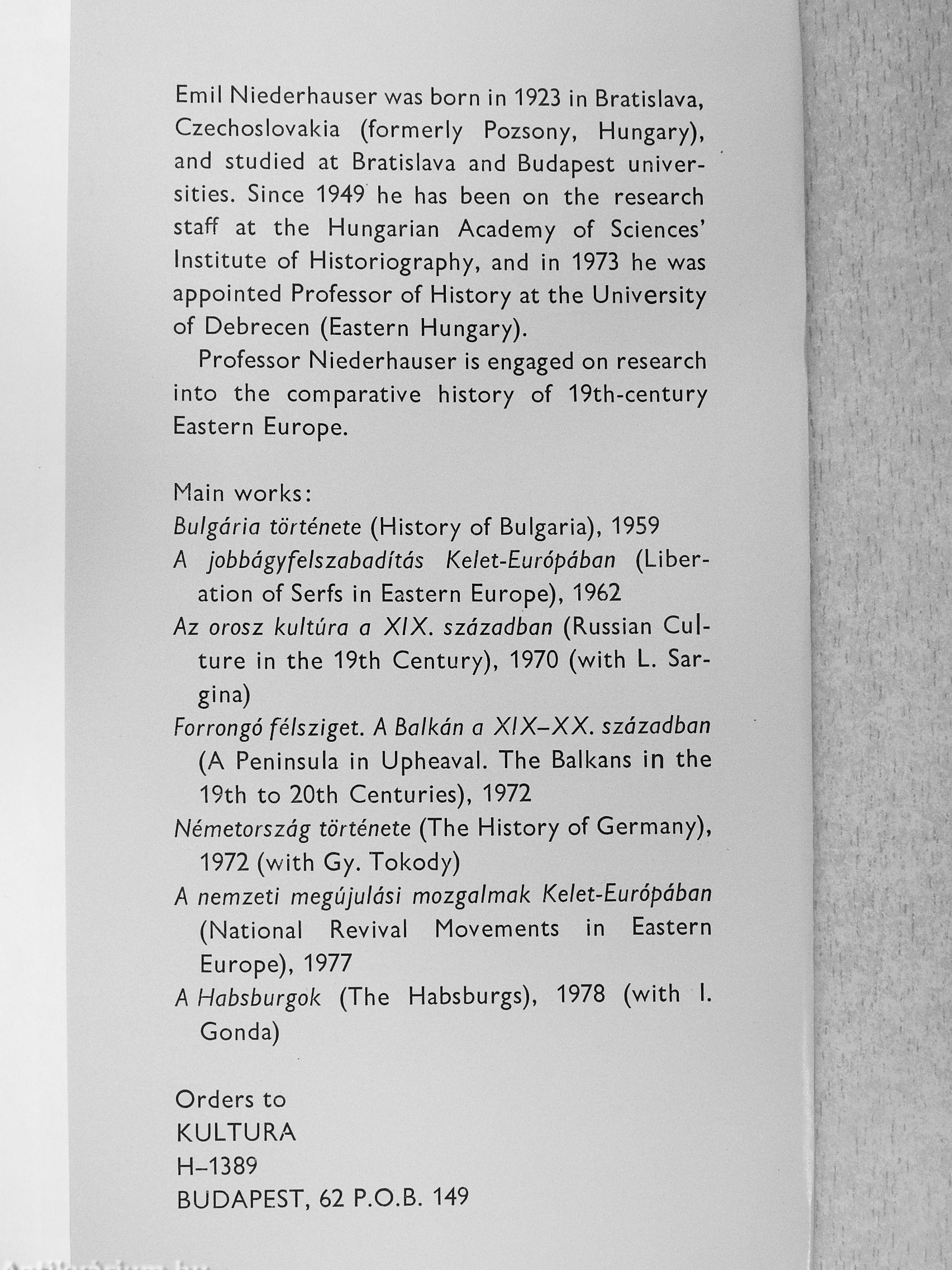
Emil Niederhauser was born in 1923 in Bratislava, Czechoslovakia (formerly Pozsony, Hungary), and studied at Bratislava and Budapest universities. Since 1949 he has been on the research staff at the Hungarian Academy of Sciences' Institute of Historiography, and in 1973 he was appointed Professor of History at the University of Debrecen (Eastern Hungary).
Professor Niederhauser is engaged on research into the comparative history of 19th-century Eastern Europe.
Main works:
Vissza
Témakörök
- Történelem > Társadalomelmélet
- Idegennyelv > Idegennyelvű könyvek > Angol > Művelődéstörténet
- Idegennyelv > Idegennyelvű könyvek > Angol > Történelem > Európa története > Egyéb
- Művelődéstörténet > Civilizációtörténet > Európai
- Művelődéstörténet > Kultúra > Története
- Művelődéstörténet > Eszmetörténet > Történelem > Politika
- Művelődéstörténet > Átfogó művek, tanulmányok
- Történelem > Idegennyelvű > Angol
- Történelem > Kontinensek szerint > Európa, európai országok története > Kelet-Európa > Oroszország, Szovjetúnió
Megvásárolható példányok
Állapotfotók
Könyvtári könyv volt.
Állapot:
Közepes
3.340 Ft
2.670 ,-Ft 20
13
pont kapható
Kosárba
 Folytatás Microsoft-tal