Fülszöveg
tt
i'/' ¦ 1 i I ' ' iii^ I :r !¦ . ¦ ¦ I ,. I ¦, , JrI I ! . I ¦. 1 ¦
"i -¦'-'('"¦' I
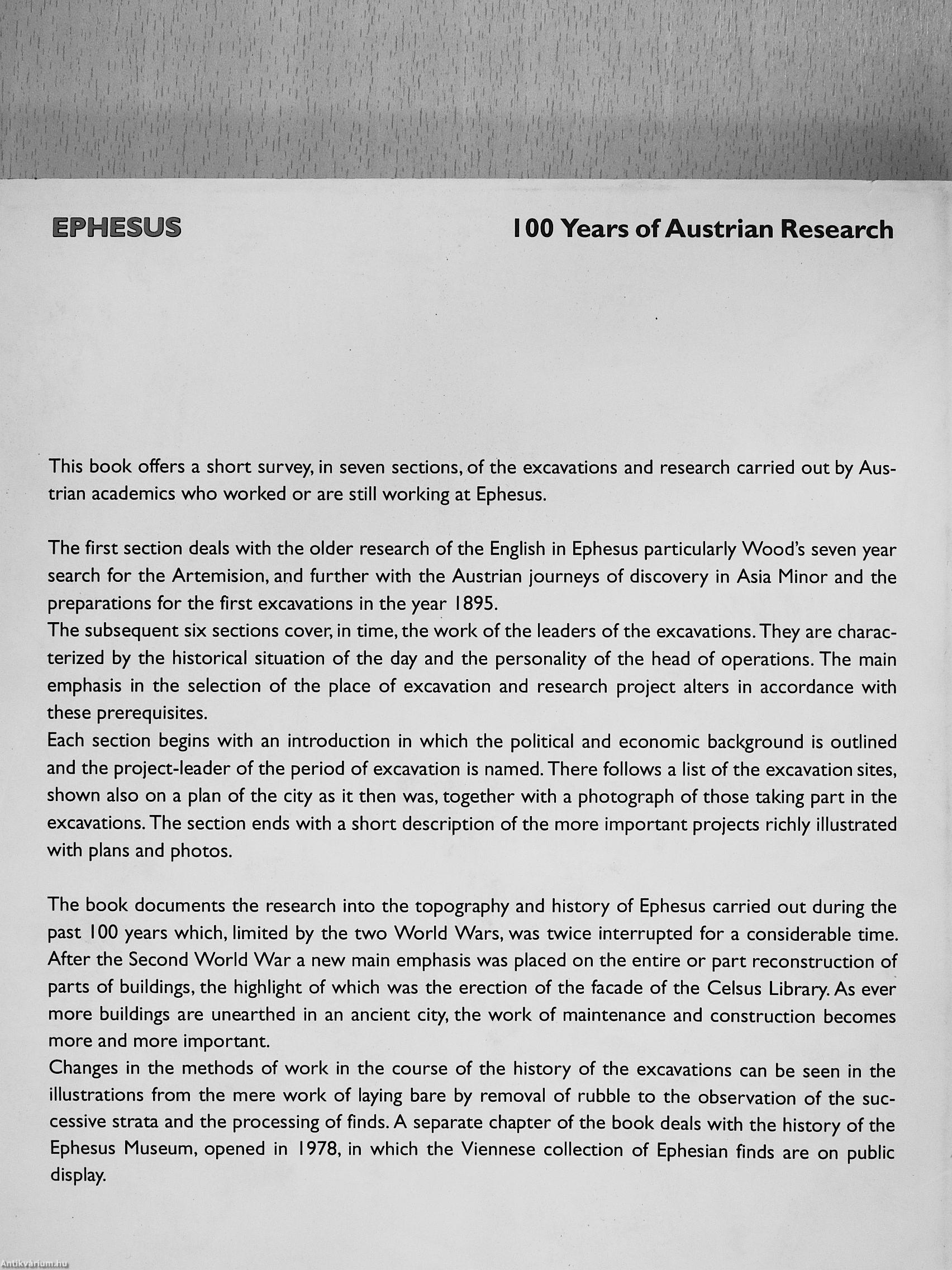
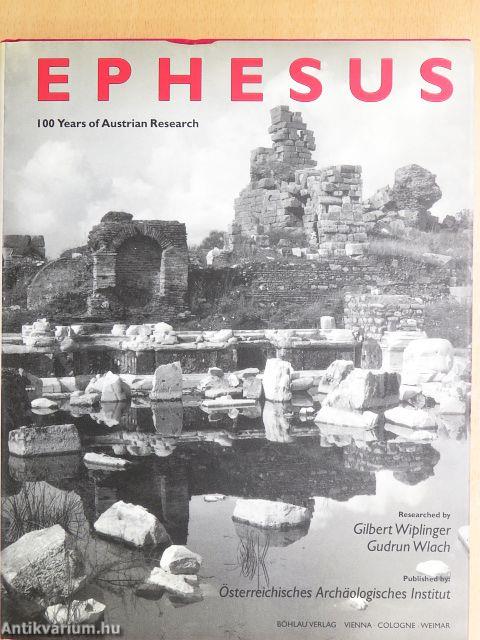
EPHESUS
100 Years of Austrian Research
This book offers a short survey, in seven sections, of the excavations and research carried out by Austrian academics who worked or are still working at Ephesus.
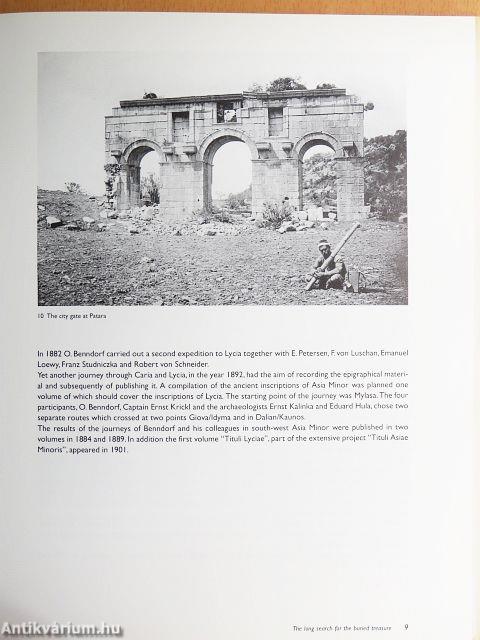
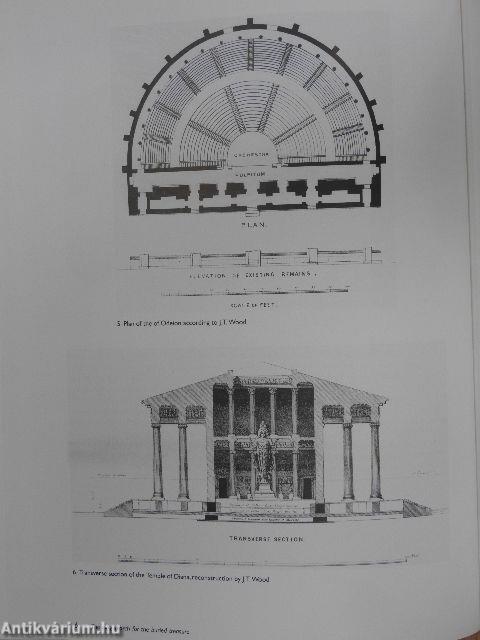
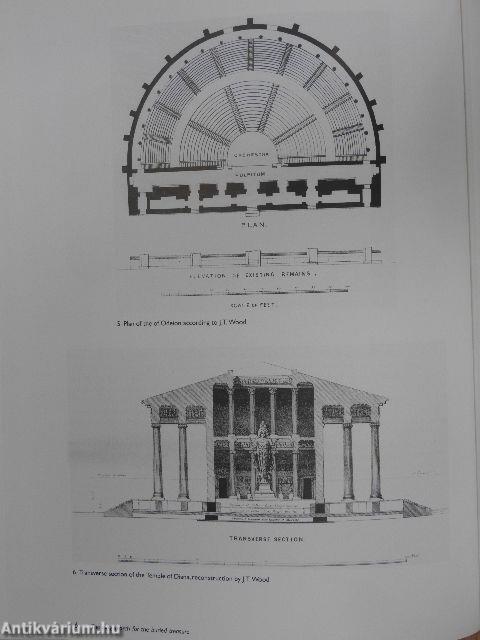
The first section deals with the older research of the English in Ephesus particularly Wood's seven year search for the Artemision, and further with the Austrian journeys of discovery in Asia Minor and the preparations for the first excavations in the year 1895.
The subsequent six sections cover, in time, the work of the leaders of the excavations. They are characterized by the historical situation of the day and the personality of the head of operations. The main emphasis in the selection of the place of excavation and research project alters in accordance with these prerequisites.
Each section begins with an introduction in which the political and economic background is outlined and the...
Tovább
Fülszöveg
tt
i'/' ¦ 1 i I ' ' iii^ I :r !¦ . ¦ ¦ I ,. I ¦, , JrI I ! . I ¦. 1 ¦
"i -¦'-'('"¦' I
EPHESUS
100 Years of Austrian Research
This book offers a short survey, in seven sections, of the excavations and research carried out by Austrian academics who worked or are still working at Ephesus.
The first section deals with the older research of the English in Ephesus particularly Wood's seven year search for the Artemision, and further with the Austrian journeys of discovery in Asia Minor and the preparations for the first excavations in the year 1895.
The subsequent six sections cover, in time, the work of the leaders of the excavations. They are characterized by the historical situation of the day and the personality of the head of operations. The main emphasis in the selection of the place of excavation and research project alters in accordance with these prerequisites.
Each section begins with an introduction in which the political and economic background is outlined and the project-leader of the period of excavation is named. There follows a list of the excavation sites, shown also on a plan of the city as it then was, together with a photograph of those taking part in the excavations. The section ends with a short description of the more important projects richly illustrated with plans and photos.
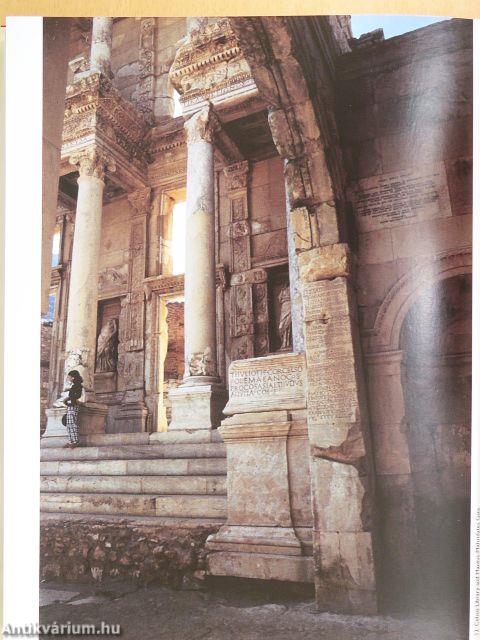
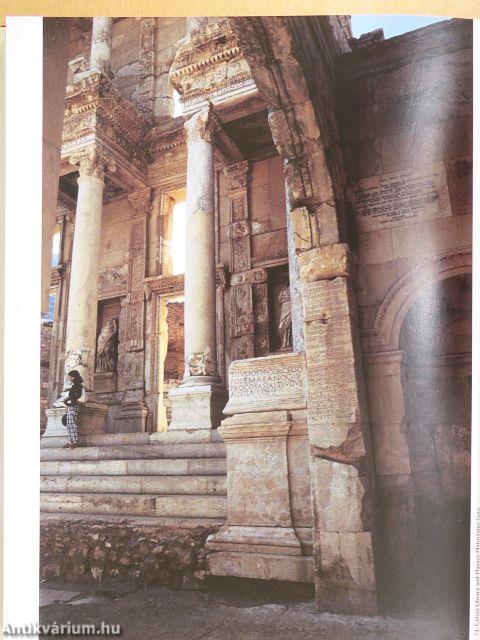
The book documents the research into the topography and history of Ephesus carried out during the past 100 years which, limited by the two World Wars, was twice Interrupted for a considerable time. After the Second World War a new main emphasis was placed on the entire or part reconstruction of parts of buildings, the highlight of which was the erection of the facade of the Celsus Library. As ever more buildings are unearthed in an ancient city, the work of maintenance and construction becomes more and more important.
Changes in the methods of work in the course of the history of the excavations can be seen in the illustrations from the mere work of laying bare by removal of rubble to the observation of the successive strata and the processing of finds. A separate chapter of the book deals with the history of the Ephesus Museum, opened in 1978, in which the Viennese collection of Ephesian finds are on public display.
Vissza 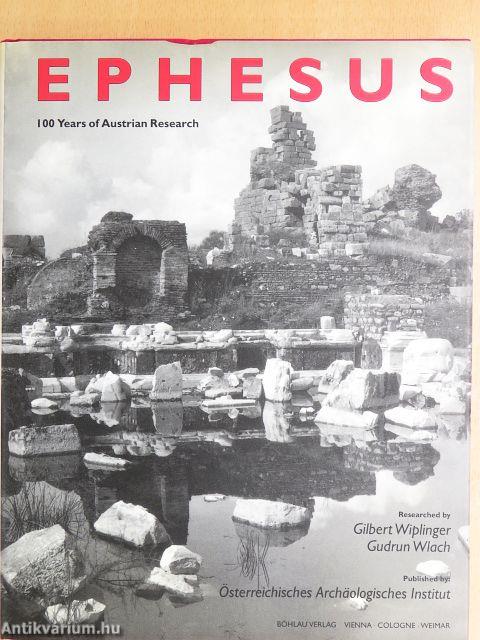



 Folytatás Microsoft-tal