
1.119.843
kiadvánnyal nyújtjuk Magyarország legnagyobb antikvár könyv-kínálatát

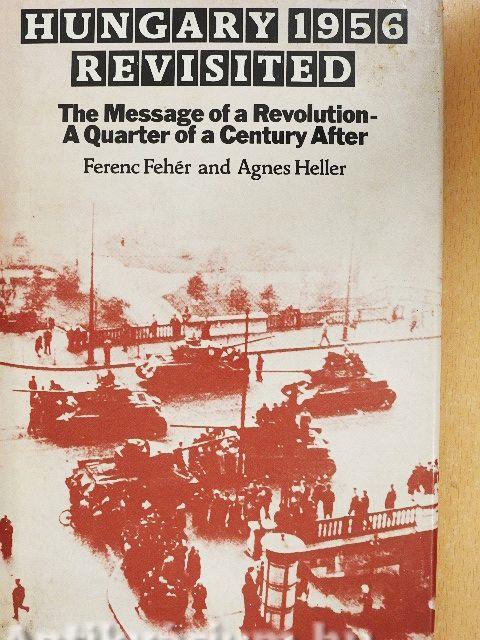
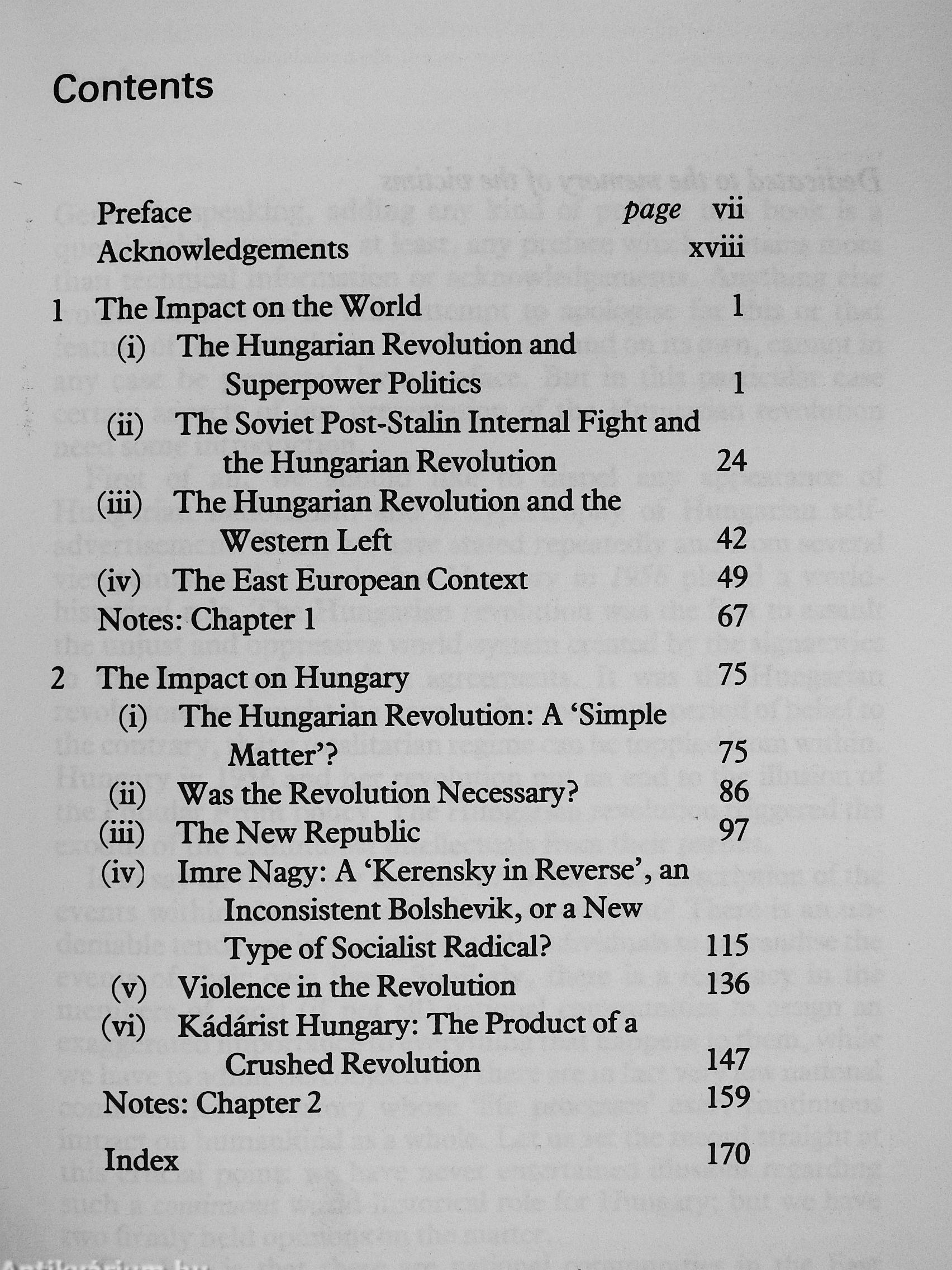
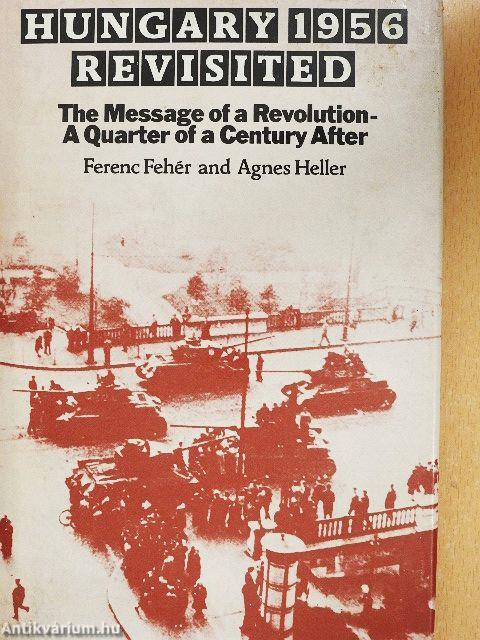
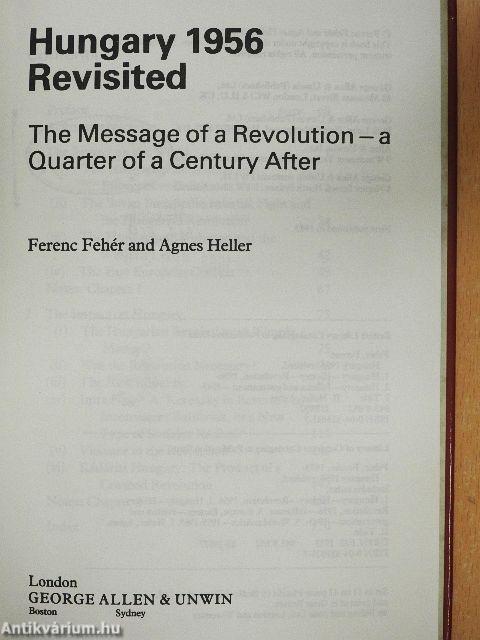
Hungary 1956 Revisited
The Message of a Revolution - a Quarter of a Century After
London
| Kiadó: | George Allen & Unwin (Publishers) Ltd |
|---|---|
| Kiadás helye: | London |
| Kiadás éve: | |
| Kötés típusa: | Varrott keménykötés |
| Oldalszám: | 174 oldal |
| Sorozatcím: | |
| Kötetszám: | |
| Nyelv: | Angol |
| Méret: | 22 cm x 15 cm |
| ISBN: | 0-04-321031-7 |
Értesítőt kérek a kiadóról
A beállítást mentettük,
naponta értesítjük a beérkező friss
kiadványokról
naponta értesítjük a beérkező friss
kiadványokról
A beállítást mentettük,
naponta értesítjük a beérkező friss
kiadványokról
naponta értesítjük a beérkező friss
kiadványokról
Előszó
Tovább
Fülszöveg
As with the Czechoslovakia of 1968 and the Poland of 1981, the eyes of the world were on the Hungary of October-November 1956. The Hungarian Revolution was a turning-point, a lost opportunity for world change. Tragically, criminally perhaps, it showed the West prepared to respect the unprincipled provisions of the Yalta-Potsdam agreements. And three years after Stalin's physical death, it signalled the political death of the particular form of communism he had imposed on Eastern Europe in the late 1950s.
Hungary 1956 Revisited is not a descriptive chronicle of events; there are many of these. It is a radical reinterpretation of the Revolution in the context of world politics and Eastern Europe as a whole. It is radical in a double sense. It reveals totally new features and angles on an event which went beyond the simple question of a people having had enough of communism. Brand-new protagonists appear on the scene: General Serov, the first head of the KGB, Ambassador Andropov who... Tovább
Fülszöveg
As with the Czechoslovakia of 1968 and the Poland of 1981, the eyes of the world were on the Hungary of October-November 1956. The Hungarian Revolution was a turning-point, a lost opportunity for world change. Tragically, criminally perhaps, it showed the West prepared to respect the unprincipled provisions of the Yalta-Potsdam agreements. And three years after Stalin's physical death, it signalled the political death of the particular form of communism he had imposed on Eastern Europe in the late 1950s.
Hungary 1956 Revisited is not a descriptive chronicle of events; there are many of these. It is a radical reinterpretation of the Revolution in the context of world politics and Eastern Europe as a whole. It is radical in a double sense. It reveals totally new features and angles on an event which went beyond the simple question of a people having had enough of communism. Brand-new protagonists appear on the scene: General Serov, the first head of the KGB, Ambassador Andropov who started his career in beleaguered Budapest, Istvan Bibo, the great non-doctrinaire socialist and architect of a new consensus. Old acquaintances appear: the martyr of the Revolution Imre Nagy, the first Eurocommunist, who returned usurped power to his people - and the favourite of the Western Press, 'the liberal' Janos Kadar who betrayed and crushed the Revolution and gave at least his name to the reprisals.
At the same time. Fehér and Heller are radical in the other sense that they write from a resolutely Leftist position, relying on witnesses and participants for their rigorous documentary backing. Theirs is a passionate polemic, written with commitment to the greatest workers' uprising of post-war Europe. Theirs is a condemnation both of the West in 1956, and of Kadar's Hungary today - a regime which they insist has merely been consolidated, never legitimised.
Agnes Heller and Ferenc Fehér left Hungary in 1977, after a long record of dissidence. Agnes Heller is presently Reader in Sociology at La Trobe University, Melbourne, Australia. Both she and Ferenc Fehér are authors or joint authors of a number of books on socialism and socialist society Vissza
Témakörök
- Idegennyelv > Idegennyelvű könyvek > Angol > Történelem > Európa története > Magyarország története
- Idegennyelv > Idegennyelvű könyvek > Angol > Történelem > Európa története > Egyéb
- Történelem > Idegennyelvű > Angol
- Történelem > Magyarország története és személyiségei > Magyarország a XX. században > A II. világháború utáni Magyarország > 1956 > Egyéb
- Történelem > Politika > Külpolitika > Egyéb
- Történelem > Politika > Belpolitika > Egyéb
- Történelem > Magyarország története és személyiségei > Átfogó művek, tanulmányok
- Történelem > Kontinensek szerint > Európa, európai országok története > Kelet-Európa > Oroszország, Szovjetúnió
- Történelem > Legújabb kor > A hidegháború kora (1946-1991)
- Történelem > Tanulmányok
Megvásárolható példányok
Állapotfotók
Könyvtári könyv volt.
Állapot:
Közepes
6.980 Ft
5.580 ,-Ft 20
28
pont kapható
Kosárba
 Folytatás Microsoft-tal