
1.113.936
kiadvánnyal nyújtjuk Magyarország legnagyobb antikvár könyv-kínálatát

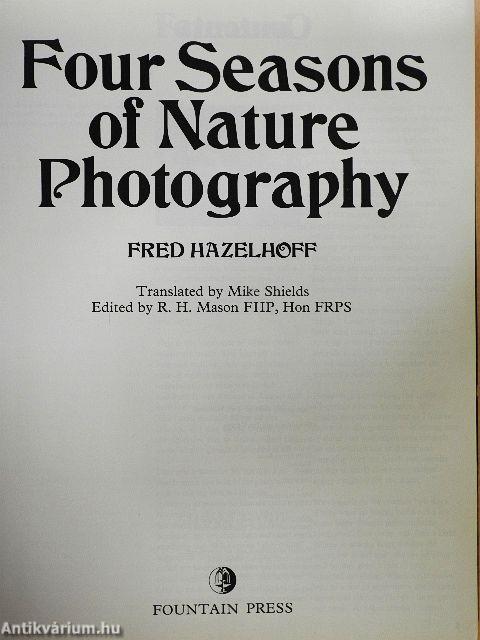
Four Seasons of Nature Photography



Watford
| Kiadó: | Fountain Press |
|---|---|
| Kiadás helye: | Watford |
| Kiadás éve: | |
| Kötés típusa: | Fűzött keménykötés |
| Oldalszám: | 176 oldal |
| Sorozatcím: | |
| Kötetszám: | |
| Nyelv: | Angol |
| Méret: | 30 cm x 23 cm |
| ISBN: | 0-85242-751-4 |
| Megjegyzés: | Fekete-fehér és színes fotókkal. |
Értesítőt kérek a kiadóról
A beállítást mentettük,
naponta értesítjük a beérkező friss
kiadványokról
naponta értesítjük a beérkező friss
kiadványokról
A beállítást mentettük,
naponta értesítjük a beérkező friss
kiadványokról
naponta értesítjük a beérkező friss
kiadványokról
Előszó
Tovább
Fülszöveg
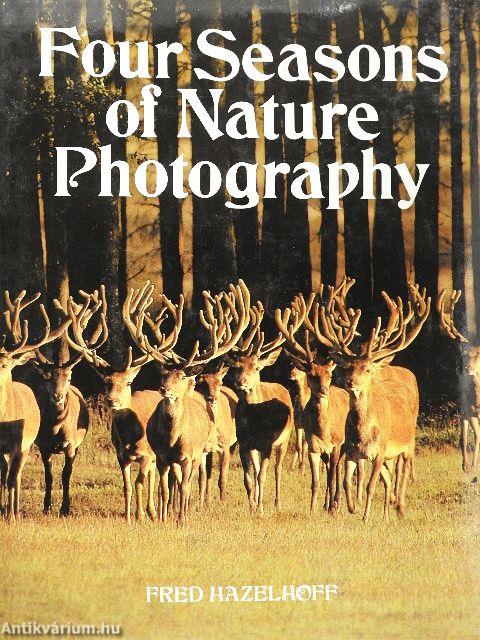
Four Seasons of Nature Photography
An important basis for nature photography is knowledge of the subject. Each animal or landscape has its own requirements and there is a special way of approaching each one. For animals, you need to know the sort of terrain they like, whether they stay in woodland or move into the open; what time of the year and what time of the day they are most likely to be seen.
Knowledge of the weather also plays an important part. How creatures react to rain, drought or wind-direction. Knowledge of their characteristics and feeding habits, their favourite feeding grounds and watering places and of the pathways they prefer to use, are all vitally important. Anyone without such knowledge is virtually wasting time; many good photographs will be missed.
Likewise in landscape work the photographer must know the area and the effects of the season, weather and lighting if he wants to get truly pictorial results.
In this book the author tells in words and superb... Tovább
Fülszöveg
Four Seasons of Nature Photography
An important basis for nature photography is knowledge of the subject. Each animal or landscape has its own requirements and there is a special way of approaching each one. For animals, you need to know the sort of terrain they like, whether they stay in woodland or move into the open; what time of the year and what time of the day they are most likely to be seen.
Knowledge of the weather also plays an important part. How creatures react to rain, drought or wind-direction. Knowledge of their characteristics and feeding habits, their favourite feeding grounds and watering places and of the pathways they prefer to use, are all vitally important. Anyone without such knowledge is virtually wasting time; many good photographs will be missed.
Likewise in landscape work the photographer must know the area and the effects of the season, weather and lighting if he wants to get truly pictorial results.
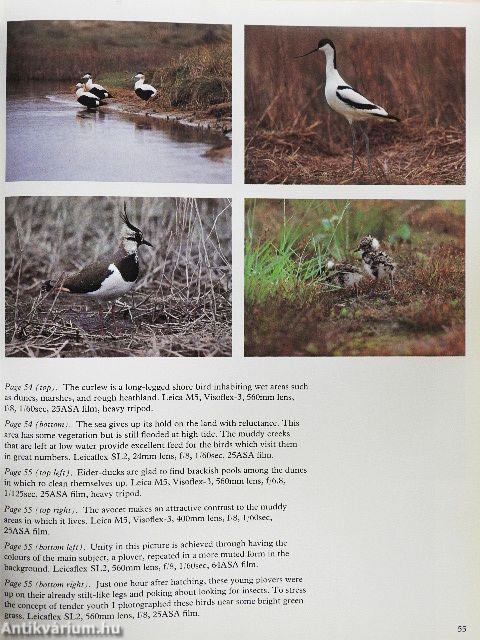
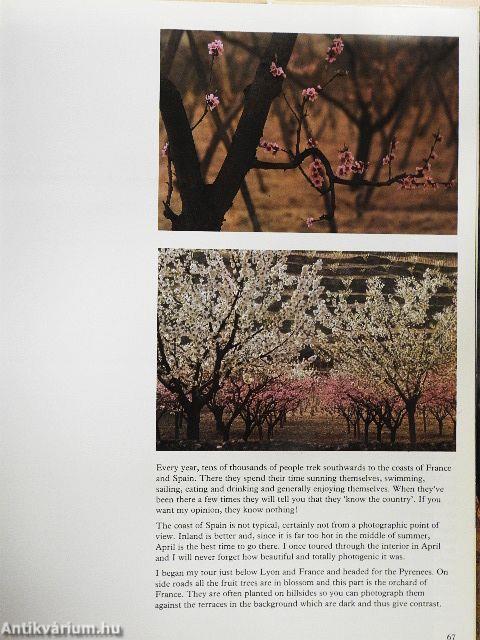
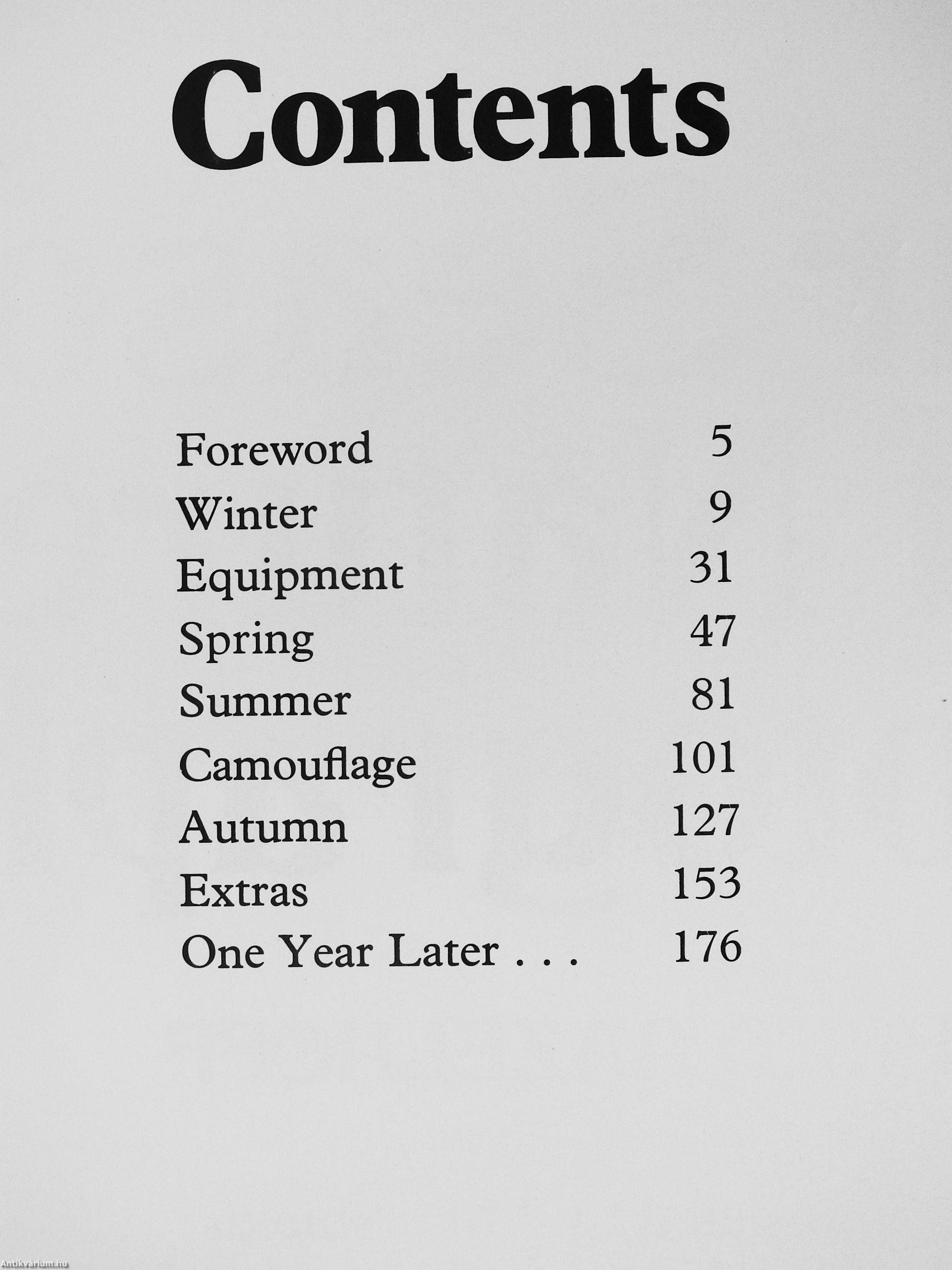
In this book the author tells in words and superb pictures how he obtains his results in nature photography throughout Europe at all times of the year.
It begins with winter, the season which is the birth of a new world. There is nowhere more typical of this than Iceland, where many of the author's photographs were taken.
Then comes Spring, when things begin to grow again and new life appears. Summer comes slowly out of Spring. Nature reaches its peak and begins to fall back. Finally, there is Autumn, with its gende colours, a last blossoming before the end.
The book ends where it began, with the beginning of a new Winter in which namre rests to restore itself before the next rush of seasons.
Every photo or series of photos in this book is described carefully, covering:
1. Approach to the subject.
2. The choice of subject.
3. Technique in considerable detail.
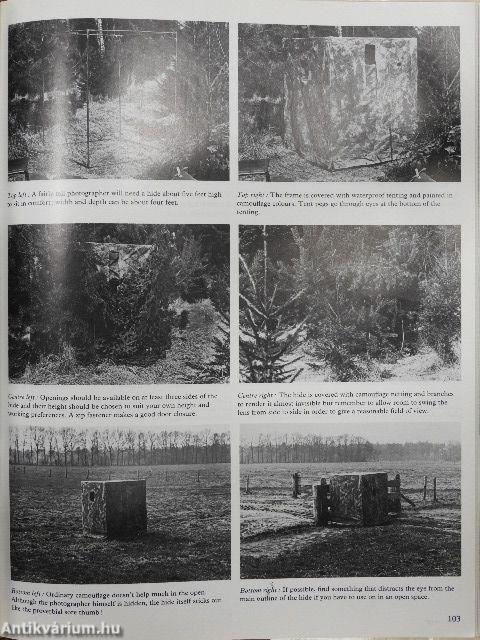
There are separate chapters on apparatus, on camouflage and hides, on the use and choice of field-glasses and on the various types of calls and lures.
This book is perhaps unique in dealing with wildUfe in the northern regions and it therefore complements most other books on natural history photography which deal mainly with African wildlife and fauna.
Separate chapters cover equipment, hides, the use of binoculars and telescopes, as well as many kinds of birds, and deer calls. What is not covered are such subjects as automatic photography and the use of infra red. Fred HazeUioff is not the sort of man to use techniques which do not allow him absolute control over his results. He is the man behind the camera who knows when things are exactly right and it is this unique manner of working that he brings across to the readers of this book. /
ISBN 0 85242 7514
L10.95 net Vissza

Témakörök
- Hobbi > Fotó, film
- Idegennyelv > Idegennyelvű könyvek > Angol > Művészetek > Fotóművészet
- Idegennyelv > Idegennyelvű könyvek > Angol > Hobbi > Fotó, film
- Művészetek > Fotóművészet > Albumok > Külföldi
- Művészetek > Fotóművészet > Albumok > Tematikus
- Művészetek > Fotóművészet > Technikája > Egyéb
- Művészetek > Fotóművészet > Idegen nyelv > Angol
- Művészetek > Fotóművészet > Témái > Természet


Fred Hazelhoff
Fred Hazelhoff műveinek az Antikvarium.hu-n kapható vagy előjegyezhető listáját itt tekintheti meg: Fred Hazelhoff könyvek, művekMegvásárolható példányok
Állapotfotók
Állapot:
Jó
3.840 ,-Ft
19
pont kapható
Kosárba
 Folytatás Microsoft-tal