
1.136.047
kiadvánnyal nyújtjuk Magyarország legnagyobb antikvár könyv-kínálatát

From Galileo to Newton
1630-1720
New York-Evanston
| Kiadó: | Harper & Row, Publishers |
|---|---|
| Kiadás helye: | New York-Evanston |
| Kiadás éve: | |
| Kötés típusa: | Vászon |
| Oldalszám: | 379 oldal |
| Sorozatcím: | The Rise of Modern Science |
| Kötetszám: | 3 |
| Nyelv: | Angol |
| Méret: | 21 cm x 15 cm |
| ISBN: | |
| Megjegyzés: | Fekete-fehér fotókkal. |
Értesítőt kérek a kiadóról
Értesítőt kérek a sorozatról
A beállítást mentettük,
naponta értesítjük a beérkező friss
kiadványokról
naponta értesítjük a beérkező friss
kiadványokról
A beállítást mentettük,
naponta értesítjük a beérkező friss
kiadványokról
naponta értesítjük a beérkező friss
kiadványokról
Előszó
Tovább
Fülszöveg
! FROMGAULEXD
TO NEWTON
1630 • 1720
A.RUPERT HALL
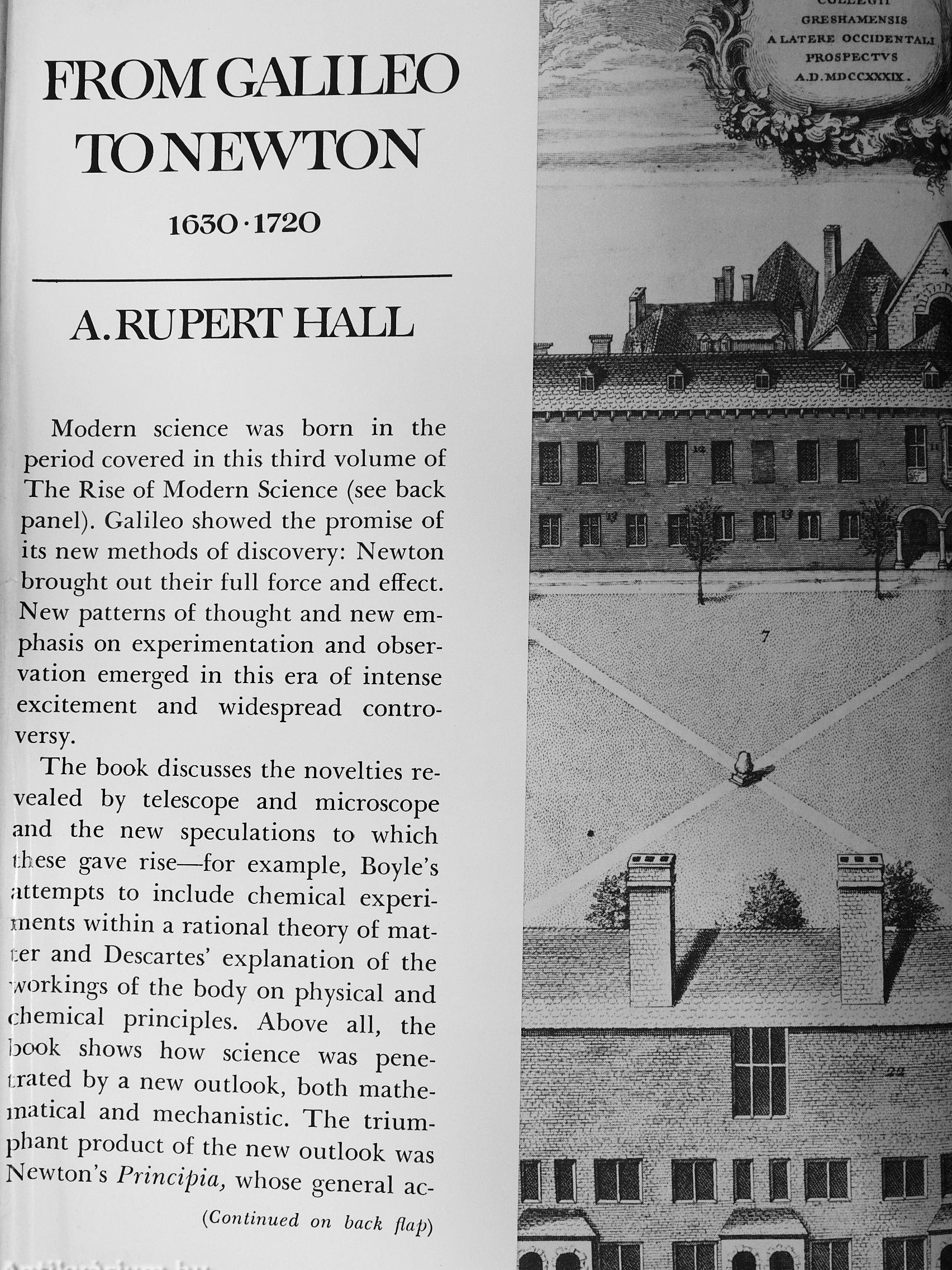
Modern science was born in the period covered in this third volume of The Rise of Modern Science (see back panel). Galileo showed the promise of its new methods of discovery: Newton brought out their full force and effect. New patterns of thought and new emphasis on experimentation and observation emerged in this era of intense excitement and widespread controversy.
The book discusses the novelties revealed by telescope and microscope and the new speculations to which f;hese gave rise—for example, Boyle's attempts to include chemical experiments within a rational theory of matter and Descartes' explanation of the A^orkings of the body on physical and chemical principles. Above all, the lx»ok shows how science was penetrated by a new outlook, both mathe-niiitical and mechanistic. The triumphant product of the new outlook was psjewton's Principia, whose general ac-
{Continued on back flap)
(Cojitinued from front flap)... Tovább
Fülszöveg
! FROMGAULEXD
TO NEWTON
1630 • 1720
A.RUPERT HALL
Modern science was born in the period covered in this third volume of The Rise of Modern Science (see back panel). Galileo showed the promise of its new methods of discovery: Newton brought out their full force and effect. New patterns of thought and new emphasis on experimentation and observation emerged in this era of intense excitement and widespread controversy.
The book discusses the novelties revealed by telescope and microscope and the new speculations to which f;hese gave rise—for example, Boyle's attempts to include chemical experiments within a rational theory of matter and Descartes' explanation of the A^orkings of the body on physical and chemical principles. Above all, the lx»ok shows how science was penetrated by a new outlook, both mathe-niiitical and mechanistic. The triumphant product of the new outlook was psjewton's Principia, whose general ac-
{Continued on back flap)
(Cojitinued from front flap)
ceptance in the early eighteenth century marks the ascendancy of rationalism in science.
From Galileo to Newton will appeal to anyone who wants to know what modern science is all about and how it came into being. Professor Hall is not only a scholar of great learning and originality, he also writes with clarity, liveliness, and keen biographical sense. His sketch of Newton, for instance, is a brilliant study of one of the most interesting men who ever lived.
i6 pages halftones.
ABOUT THE AUTHOR
One of the foremost authorities on the history of science in the world today, A. Rupert Hall was born in Stoke-on-Trent, England. He attended school in Leicester and graduated from Christ's College, Cambridge, where he was later a fellow and a steward. He was also lecturer in the history of science at Cambridge. For two years he was a visiting professor at UCLA, and he is now, with his wife, Marie Boas, visiting professor at the University of Indiana.
Dr. Hall is one of the editors of the Oxford History of Technology and author of The Scientific Revolution, 1^00-1800. He is serving as an adviser on the Harper Encyclopedia of Science.
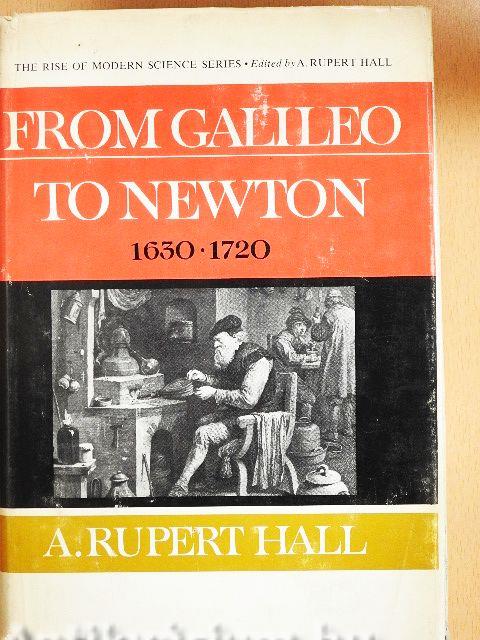
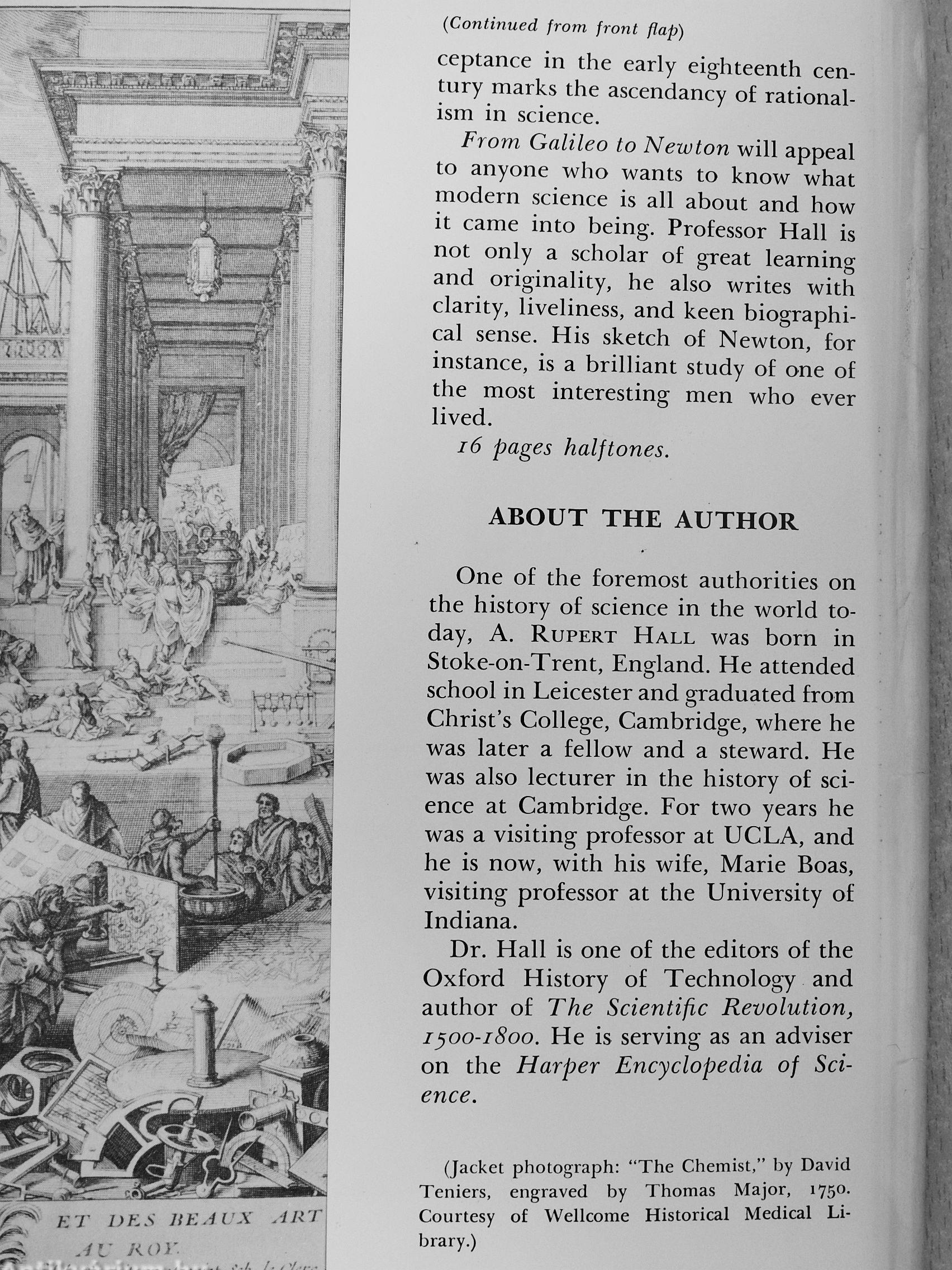
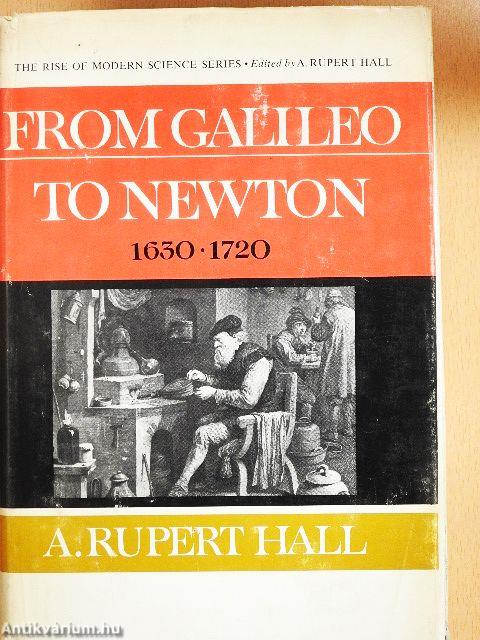
(Jacket photograph: "The Chemist," by David Teniers, engraved by Thomas Major, 1750. Courtesy of Wellcome Historical Medical Library.) Vissza

A. Rupert Hall
A. Rupert Hall műveinek az Antikvarium.hu-n kapható vagy előjegyezhető listáját itt tekintheti meg: A. Rupert Hall könyvek, művekMegvásárolható példányok
Nincs megvásárolható példány
A könyv összes megrendelhető példánya elfogyott. Ha kívánja, előjegyezheti a könyvet, és amint a könyv egy újabb példánya elérhető lesz, értesítjük.
 Folytatás Microsoft-tal