
1.127.105
kiadvánnyal nyújtjuk Magyarország legnagyobb antikvár könyv-kínálatát

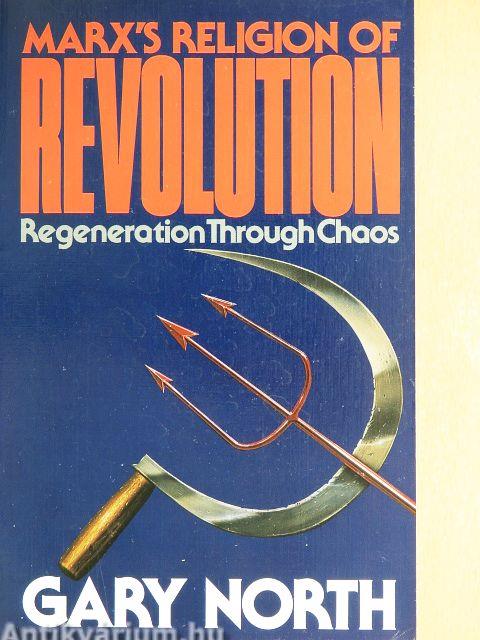
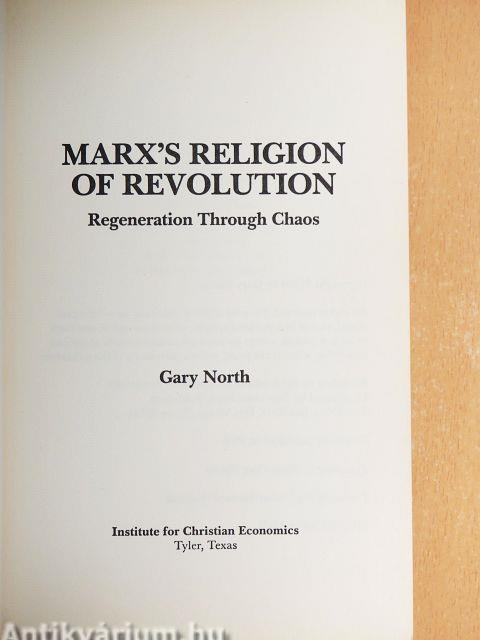
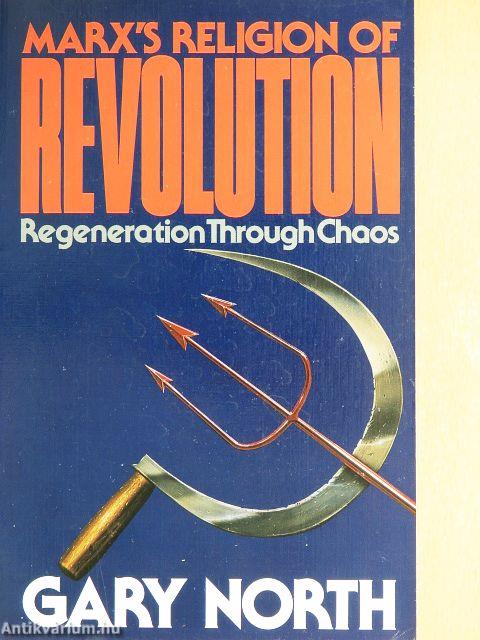
Marx's Religion of Revolution
Regeneration Through Chaos
Tyler
| Kiadó: | Institute for Christian Economics |
|---|---|
| Kiadás helye: | Tyler |
| Kiadás éve: | |
| Kötés típusa: | Ragasztott papírkötés |
| Oldalszám: | 280 oldal |
| Sorozatcím: | |
| Kötetszám: | |
| Nyelv: | Angol |
| Méret: | 21 cm x 14 cm |
| ISBN: | 0-930464-15-X |
Értesítőt kérek a kiadóról
A beállítást mentettük,
naponta értesítjük a beérkező friss
kiadványokról
naponta értesítjük a beérkező friss
kiadványokról
A beállítást mentettük,
naponta értesítjük a beérkező friss
kiadványokról
naponta értesítjük a beérkező friss
kiadványokról
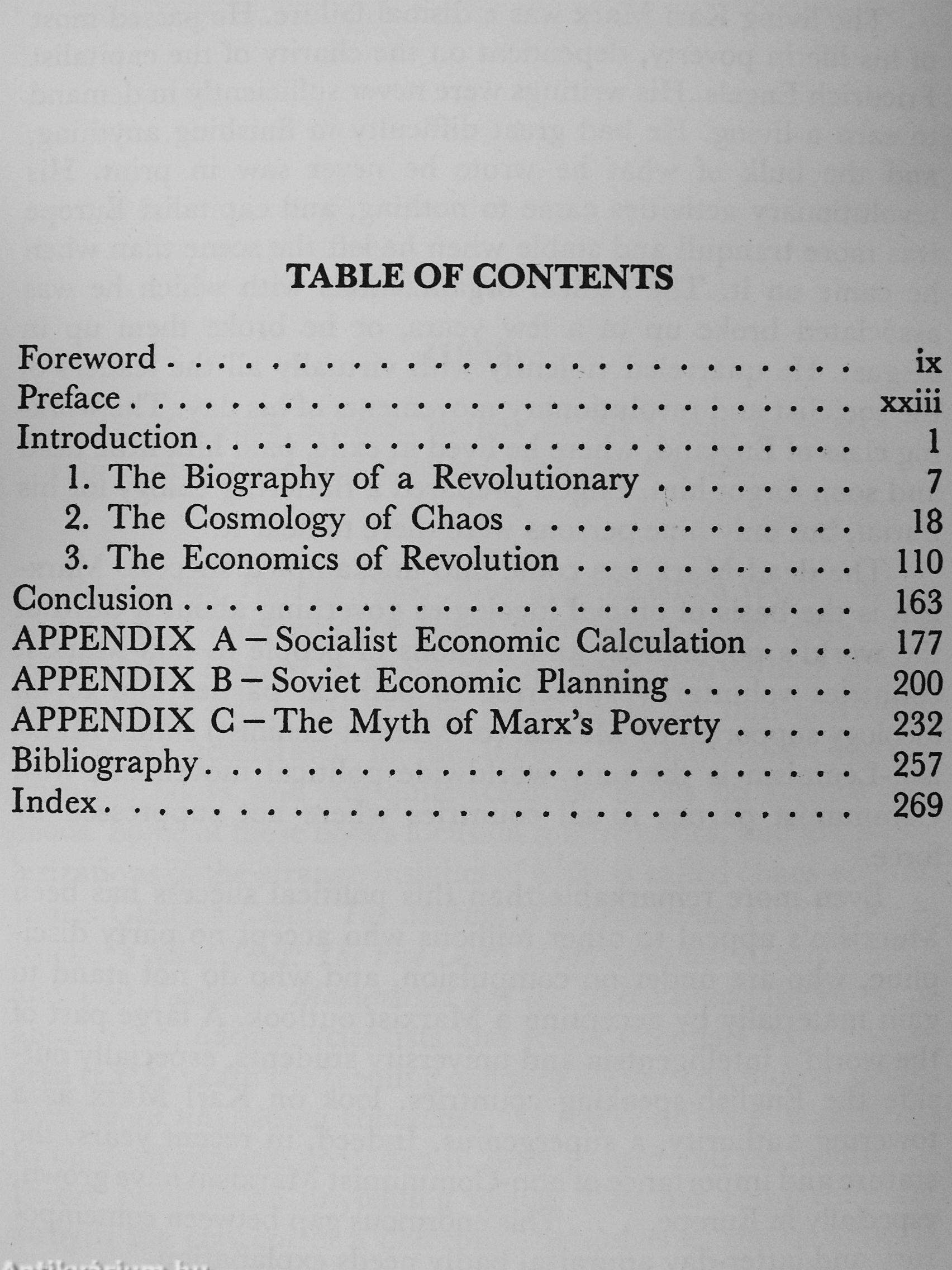
Előszó
Tovább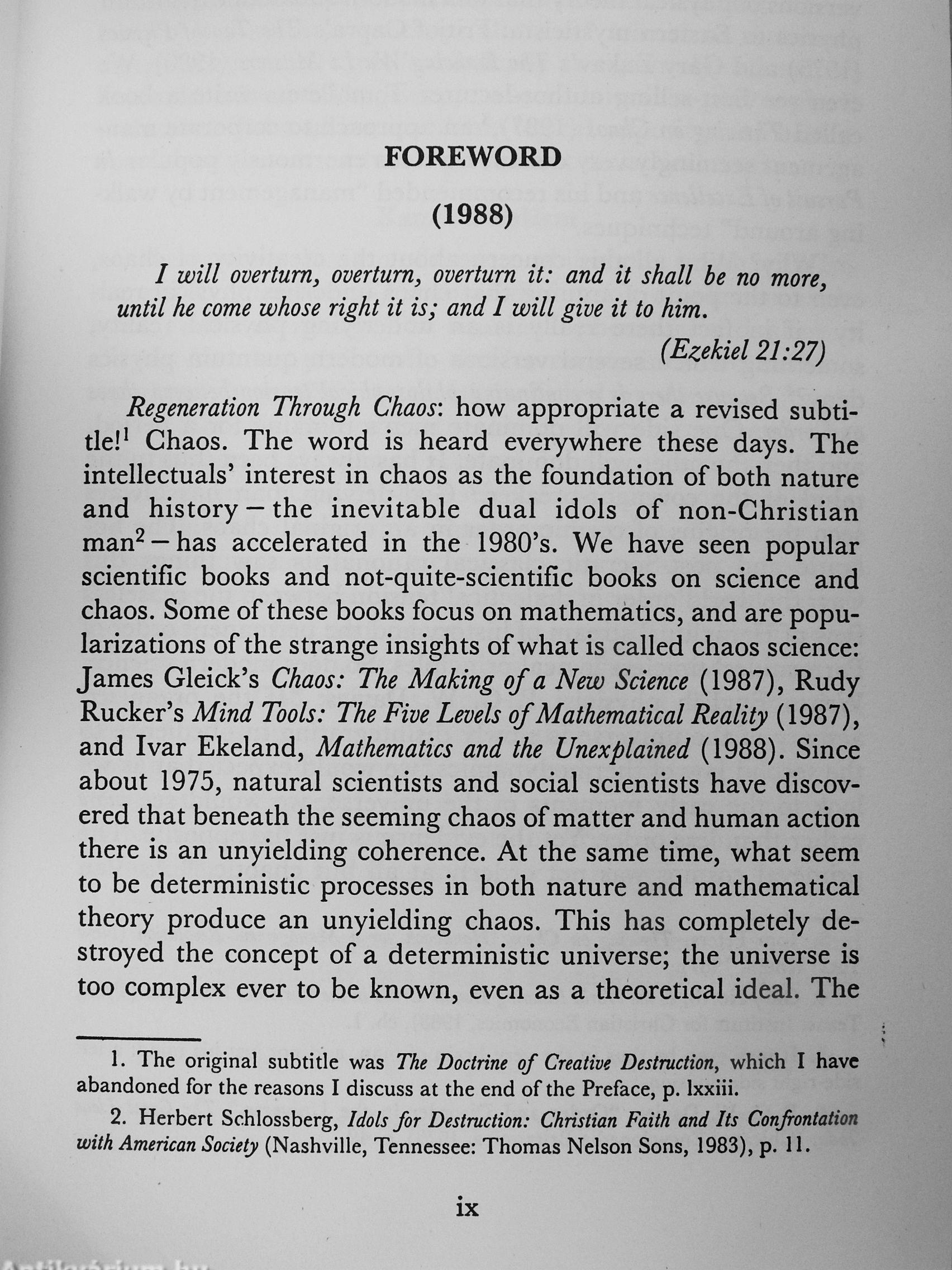
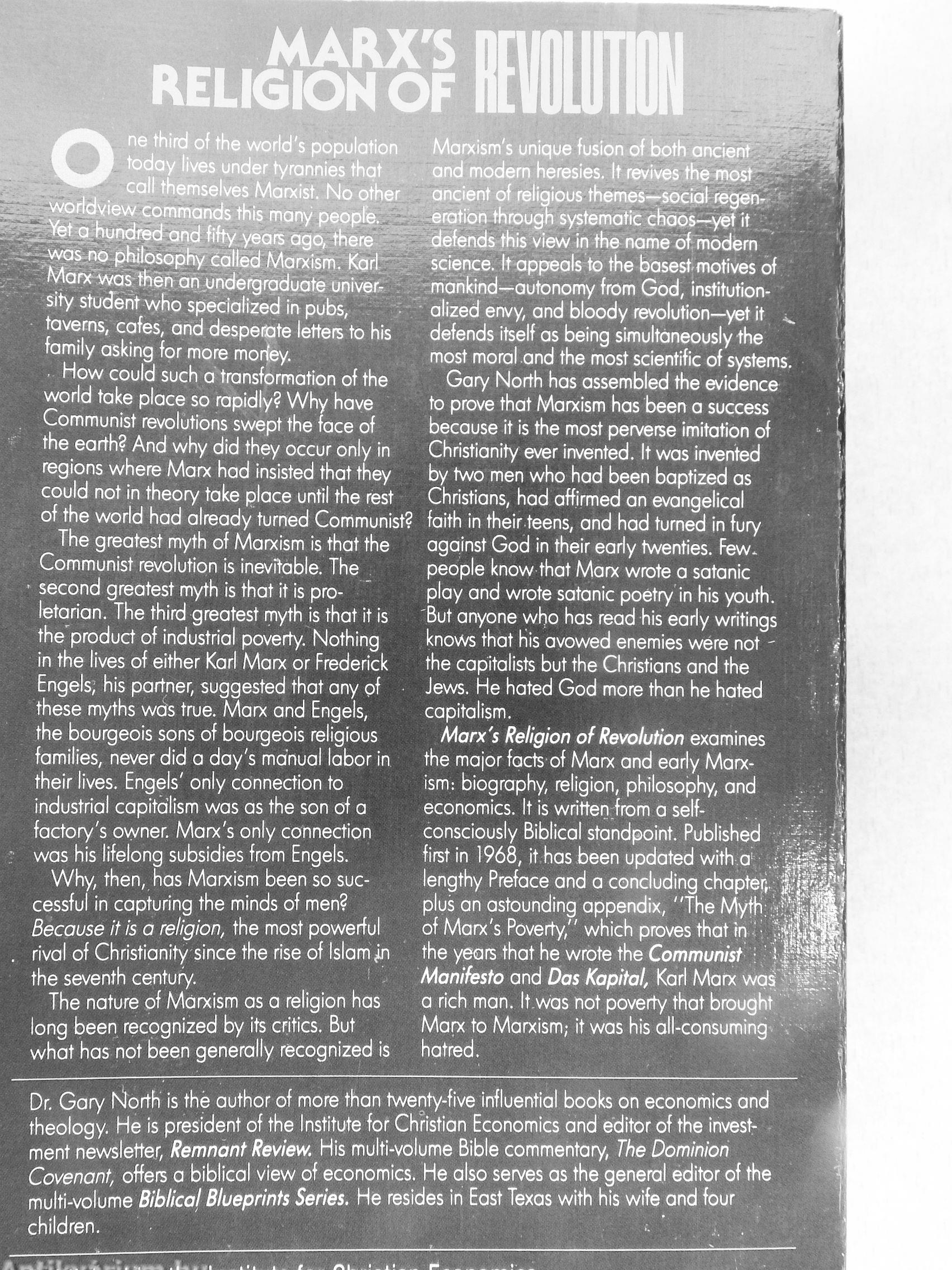
Fülszöveg
liih ¦iwhw i ii«w>i
^^^ ne third of the world's populotion , today lives under tyrannies that coll themselves Marxist. No other woridview commands this many people. . Yet a hundred and fifty years ago, there -wos no philosophy called Marxism. Karl
, Marx was then an undergraduate univer-sity student who specialized in pubs, :>
• taverns, cafes, and desperate letters to his family asking for more mor(ey.
. How could such a transformation of the world take place so rapidly? Why have Communist revolutions swept the face of ^ the earth? And why did they occur only In regions where Marx had insisted that they could not in theory take place until the rest of the world had already turned Communist?
The greatest myth of Marxism is that the Communist revolution is inevitable. The .
• second greatest myth is that it is proletarian. The third greatest myth is that it is the'prcduct of industrial poverty. Nothing in the lives of either Karl Marx or Frederick Engels; his partner,... Tovább
Fülszöveg
liih ¦iwhw i ii«w>i
^^^ ne third of the world's populotion , today lives under tyrannies that coll themselves Marxist. No other woridview commands this many people. . Yet a hundred and fifty years ago, there -wos no philosophy called Marxism. Karl
, Marx was then an undergraduate univer-sity student who specialized in pubs, :>
• taverns, cafes, and desperate letters to his family asking for more mor(ey.
. How could such a transformation of the world take place so rapidly? Why have Communist revolutions swept the face of ^ the earth? And why did they occur only In regions where Marx had insisted that they could not in theory take place until the rest of the world had already turned Communist?
The greatest myth of Marxism is that the Communist revolution is inevitable. The .
• second greatest myth is that it is proletarian. The third greatest myth is that it is the'prcduct of industrial poverty. Nothing in the lives of either Karl Marx or Frederick Engels; his partner, suggested that any pf ¦ these myths wds true. Marx and Engels, the bourgeois sons of bourgeois religious families, never did a day's manual labor in their lives. Engels' only cdnnection to industrial capitalism was as the son of a factory's owner. Marx's only connection was his lifelong subsidies from Engels.
Why, then, has Marxism been so successful in capturing the minds of men? Because if is a religion, the most powerful rival of Christianity since the rise of Islam ?n the seventh centuiy. ' -
The nature of Marxism as a religion has long been, recognized by its critics. But what has not been generally recognized is
Marxism's unique fusion of both oncient and modern heresies. It revives the most'" ancient of religious themes—social regen^M' ' eration through systematic chaos—yet it. _ . | defends this view in the name of modern v: science. It appeals to the basest-motives of . .'
¦ mankind—autonomy from God, institution- "
¦ alized envy, and bloody revolution—yet it defends itself as being simultaneously the most moral and the most scientific of systems.
Gary North has assembled the evidence to prove that Marxism has been a success because it is the most perverse imitation of Christianity ever invented. It was invented by two men who had been baptized as .'j Christians, had affirmed an evangelical faith in their teens, and had turned in fury against God in their early twenties. Few. people know that Marx wrote a satanic play and wrote satanic poetr/ in his youth. 'But anyone wt)o has read his early writings knows that his avowed enemies were not -the capitalists but the Christians and the Jews. He hated God more than he hated capitalism.
Marx's Religion of Revolution examines the major fads of Marx and early Marxism: biography, religion, philosophy, and economics. It is written.from a self- . . : consciously Biblical standpoint. Published : first in 1968, it has been updated with a' Jsjl lengthy Preface and a concluding chapter'. plus an astounding appendix, "The MytH: :i' v. of Marx's Poverty," wfiich proves that in ' ¦ nfti; the years that he wrote the Communist ; Manifesto and Das Kapital, Karl Marx was a rich man. It was not poverty that brought " Marx to Marxism; it was his all-consuming. \ -hatred.
Dr. Gary l^orth' is the author of more than twenty-five influential books on econortiics and theology. He is president of the Institute for Christian Economics and editor of the invest- . ment newsletter, Remnant Review. His multi-volume Bible commentary. The Dominion Covenant, offers a biblical view of economics. He also serves as the general editor of the multi-volume Biblical Blueprints Series. He resides in East Texas with his wife and four . , children. - . ¦¦ . . ' Vissza
Témakörök
- Idegennyelv > Idegennyelvű könyvek > Angol > Művelődéstörténet
- Idegennyelv > Idegennyelvű könyvek > Angol > Vallás > Kereszténység
- Művelődéstörténet > Kultúra > Története
- Művelődéstörténet > Eszmetörténet > Vallás
- Vallás > Kereszténység > Egyházak, felekezetek > Egyéb
- Vallás > Határtudományok
- Idegennyelv > Idegennyelvű könyvek > Angol > Vallás
- Vallás
- Vallás > Kereszténység > Tanulmányok
Gary North
Gary North műveinek az Antikvarium.hu-n kapható vagy előjegyezhető listáját itt tekintheti meg: Gary North könyvek, művekMegvásárolható példányok
Állapotfotók
Állapot:
Jó
8.980 ,-Ft
45
pont kapható
Kosárba
 Folytatás Microsoft-tal