
1.159.918
kiadvánnyal nyújtjuk Magyarország legnagyobb antikvár könyv-kínálatát

The Peak
Past and present
London
| Kiadó: | Constable and Company Limited |
|---|---|
| Kiadás helye: | London |
| Kiadás éve: | |
| Kötés típusa: | Fűzött keménykötés |
| Oldalszám: | 224 oldal |
| Sorozatcím: | |
| Kötetszám: | |
| Nyelv: | Angol |
| Méret: | 30 cm x 24 cm |
| ISBN: | 0-09-475420-9 |
| Megjegyzés: | Színes fotókkal. |
Értesítőt kérek a kiadóról
A beállítást mentettük,
naponta értesítjük a beérkező friss
kiadványokról
naponta értesítjük a beérkező friss
kiadványokról
A beállítást mentettük,
naponta értesítjük a beérkező friss
kiadványokról
naponta értesítjük a beérkező friss
kiadványokról
Előszó
Tovább
Fülszöveg
v 1s>
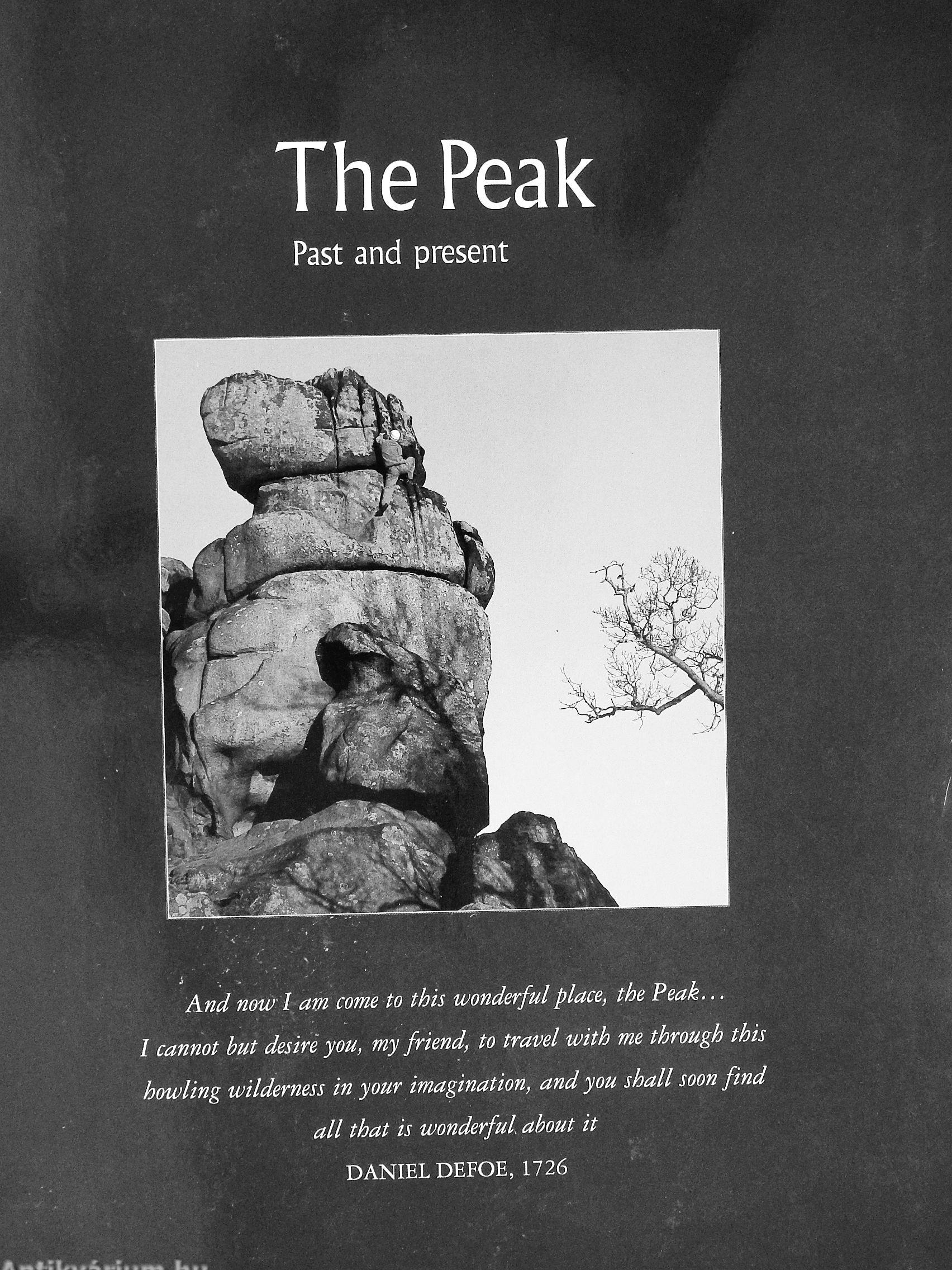
eak
nderfulplace, the Peak, to travel with me through this %tion, and you shall soon find rful about it OE,1726
, ,1 r. i •• . }.-
I i
: I • :
THE PEAK
'One of the most significant contributions to mountain photography in the last ten years' ed douglas, Climber
Award-winning photographer Gordon Stainforth, already internationally acclaimed, now turns his original eye to one of the most popular National Parks in Britain. The Peak is a work of great beauty and sensitivity, ready to stand proudly alongside his mountain classics, Eyes to the Hills^ Lakeland: Landscape of imagination and The Cuillin.
Here he places more emphasis than previously on the many layers of history which have affected the landscape for the last four thousand years. Based on a vast amount of research, much of it original, he has woven a rich historical and visual tapestry of many strands.
As a wild area of hill country at the heart of England, the Peak has been the scene of many of... Tovább
Fülszöveg
v 1s>
eak
nderfulplace, the Peak, to travel with me through this %tion, and you shall soon find rful about it OE,1726
, ,1 r. i •• . }.-
I i
: I • :
THE PEAK
'One of the most significant contributions to mountain photography in the last ten years' ed douglas, Climber
Award-winning photographer Gordon Stainforth, already internationally acclaimed, now turns his original eye to one of the most popular National Parks in Britain. The Peak is a work of great beauty and sensitivity, ready to stand proudly alongside his mountain classics, Eyes to the Hills^ Lakeland: Landscape of imagination and The Cuillin.
Here he places more emphasis than previously on the many layers of history which have affected the landscape for the last four thousand years. Based on a vast amount of research, much of it original, he has woven a rich historical and visual tapestry of many strands.
As a wild area of hill country at the heart of England, the Peak has been the scene of many of the country's great social and political conflicts. All have left their mark, from the clash between the Celts and Romans, the struggle for power of the Mercians and Northumbrians, the rivalry between the Plantagenet monarchs and the forest outlaws (such as the notorious Robin Hood), and the subsequent tensions between Catholic and Protestant, Royalist and Parliamentarian, landowner and trespasser, tourist and conservationist. Protected since 1951 as a National Park, it is still one of the most environmentally important sites in the British Isles.
Gordon Stainforth invites the reader, as Daniel Defoe did in 1726, 'to travel with me through this howling wilderness in your imagination'; to join him on a magical journey through a landscape where ancient Celtic rituals mingle with the exploits of the modern rock-climber.
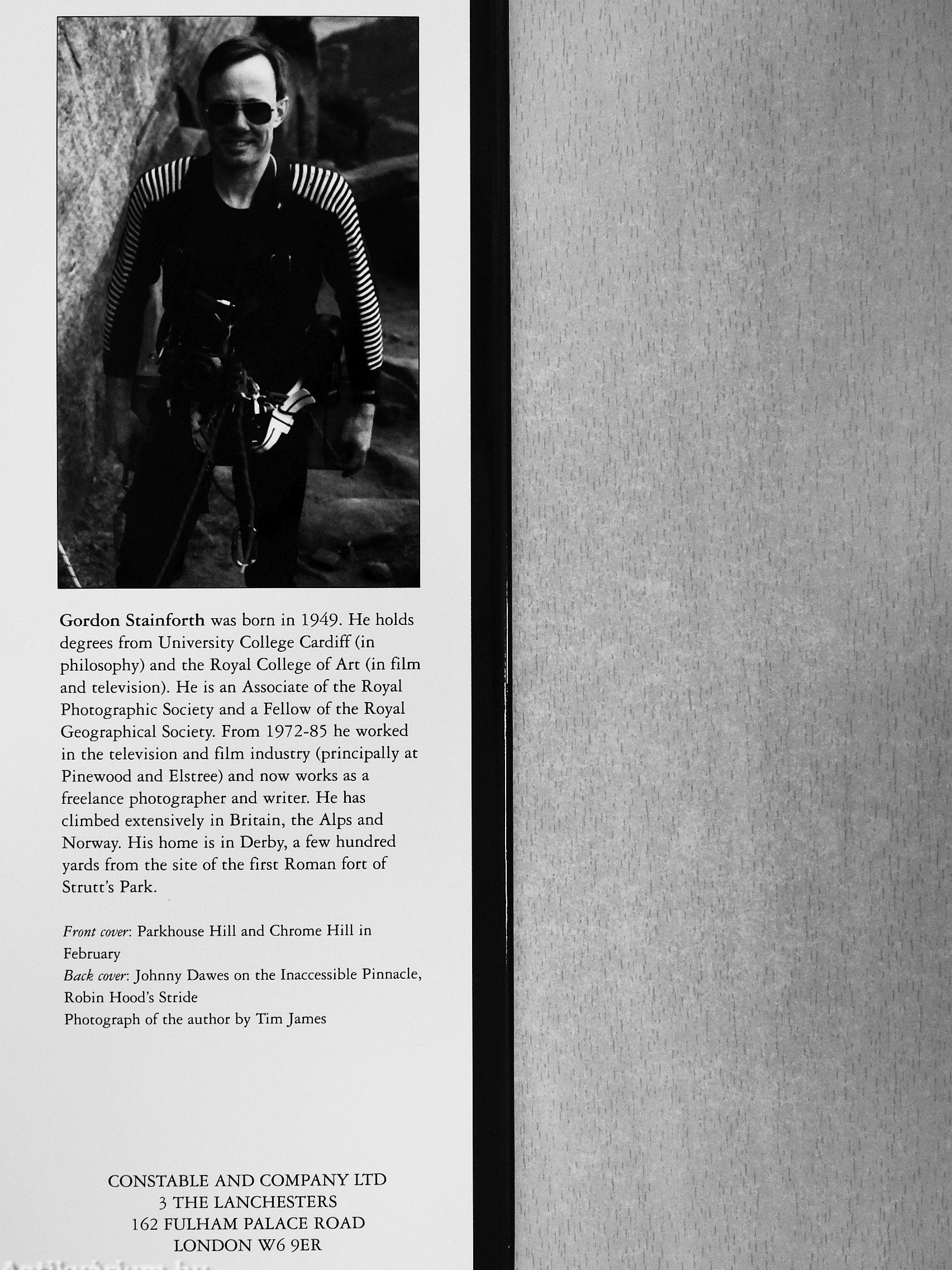
Gordon Stainforth was born in 1949- He holds degrees from University College Cardiff (in philosophy) and the Royal College of Art (in film and television). He is an Associate of the Royal Photographic Society and a Fellow of the Royal Geographical Society. From 1972-85 he worked in the television and film industry (principally at Pinewood and Elstree) and now works as a freelance photographer and writer. He has climbed extensively in Britain, the Alps and Norway. His home is in Derby, a few hundred yards from the site of the first Roman fort of Strutc's Park.
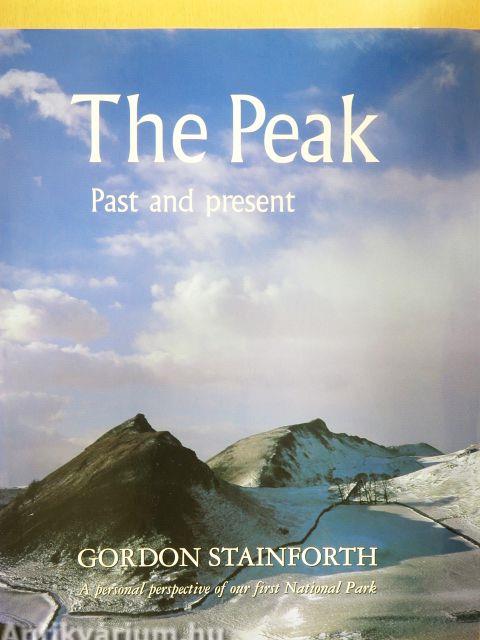
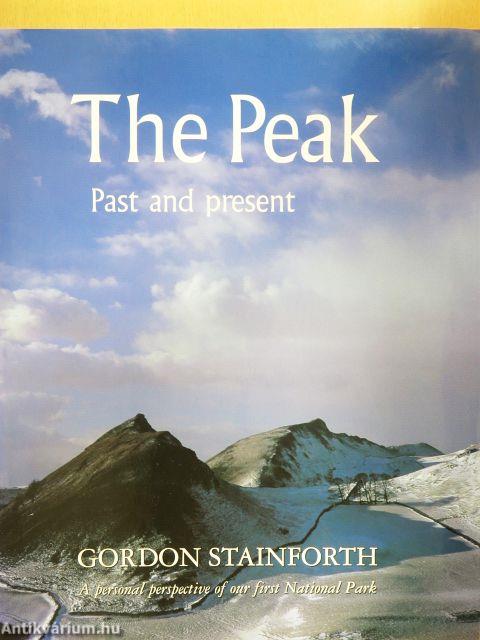
Front cover. Parkhouse Hill and Chrome Hill in February
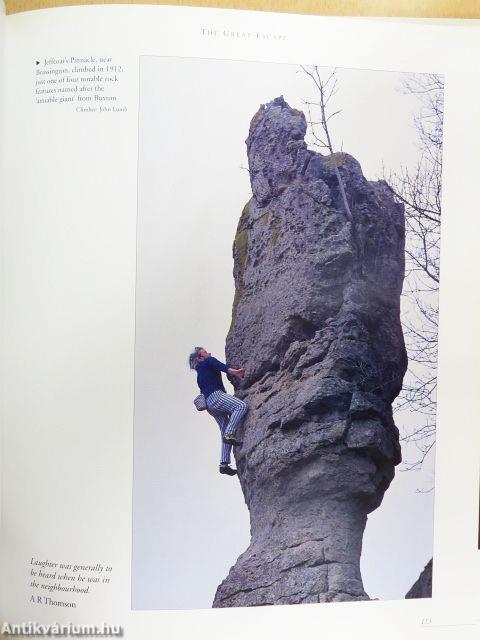
Back cover: Johnny Dawes on the Inaccessible Pinnacle,
Robin Hood's Stride
Photograph of the author by Tim James
CONSTABLE AND COMPANY LTD 3 THE LANCHESTERS 162 FULHAM PALACE ROAD LONDON W6 9ER Vissza
Témakörök
- Idegennyelv > Idegennyelvű könyvek > Angol > Művészetek > Fotóművészet
- Művészetek > Fotóművészet > Albumok > Külföldi
- Művészetek > Fotóművészet > Albumok > Tematikus
- Művészetek > Fotóművészet > Idegen nyelv > Angol
- Művészetek > Fotóművészet > Témái > Fotódokumentumok
- Művészetek > Fotóművészet > Témái > Tájfényképészet
Gordon Stainforth
Gordon Stainforth műveinek az Antikvarium.hu-n kapható vagy előjegyezhető listáját itt tekintheti meg: Gordon Stainforth könyvek, művekMegvásárolható példányok
Nincs megvásárolható példány
A könyv összes megrendelhető példánya elfogyott. Ha kívánja, előjegyezheti a könyvet, és amint a könyv egy újabb példánya elérhető lesz, értesítjük.
 Folytatás Microsoft-tal