
1.156.207
kiadvánnyal nyújtjuk Magyarország legnagyobb antikvár könyv-kínálatát

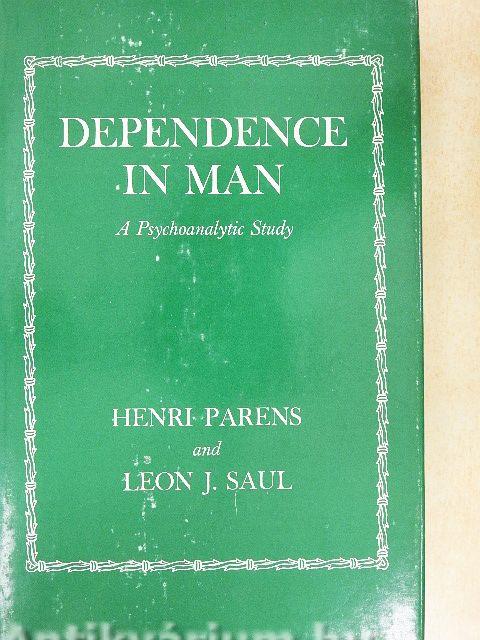
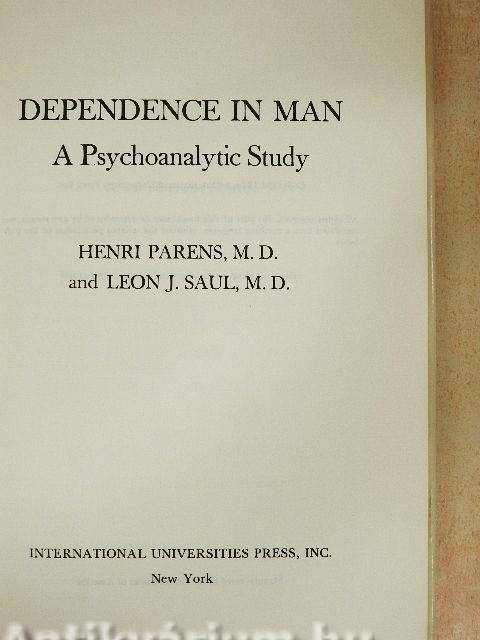
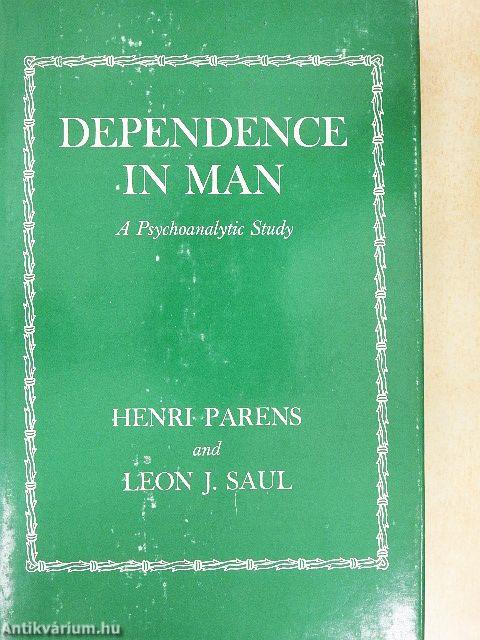
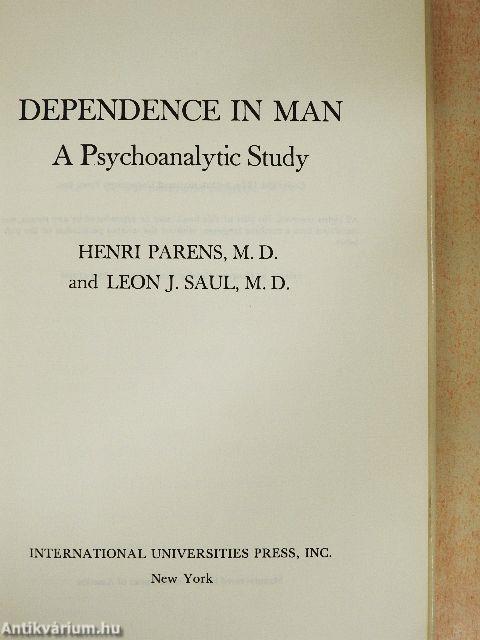
Dependence in Man
A Psychoanalytic Study
New York
| Kiadó: | International Universities Press, Inc. |
|---|---|
| Kiadás helye: | New York |
| Kiadás éve: | |
| Kötés típusa: | Fűzött keménykötés |
| Oldalszám: | 261 oldal |
| Sorozatcím: | |
| Kötetszám: | |
| Nyelv: | Angol |
| Méret: | 22 cm x 14 cm |
| ISBN: | |
Értesítőt kérek a kiadóról
A beállítást mentettük,
naponta értesítjük a beérkező friss
kiadványokról
naponta értesítjük a beérkező friss
kiadványokról
A beállítást mentettük,
naponta értesítjük a beérkező friss
kiadványokról
naponta értesítjük a beérkező friss
kiadványokról
Előszó
Tovább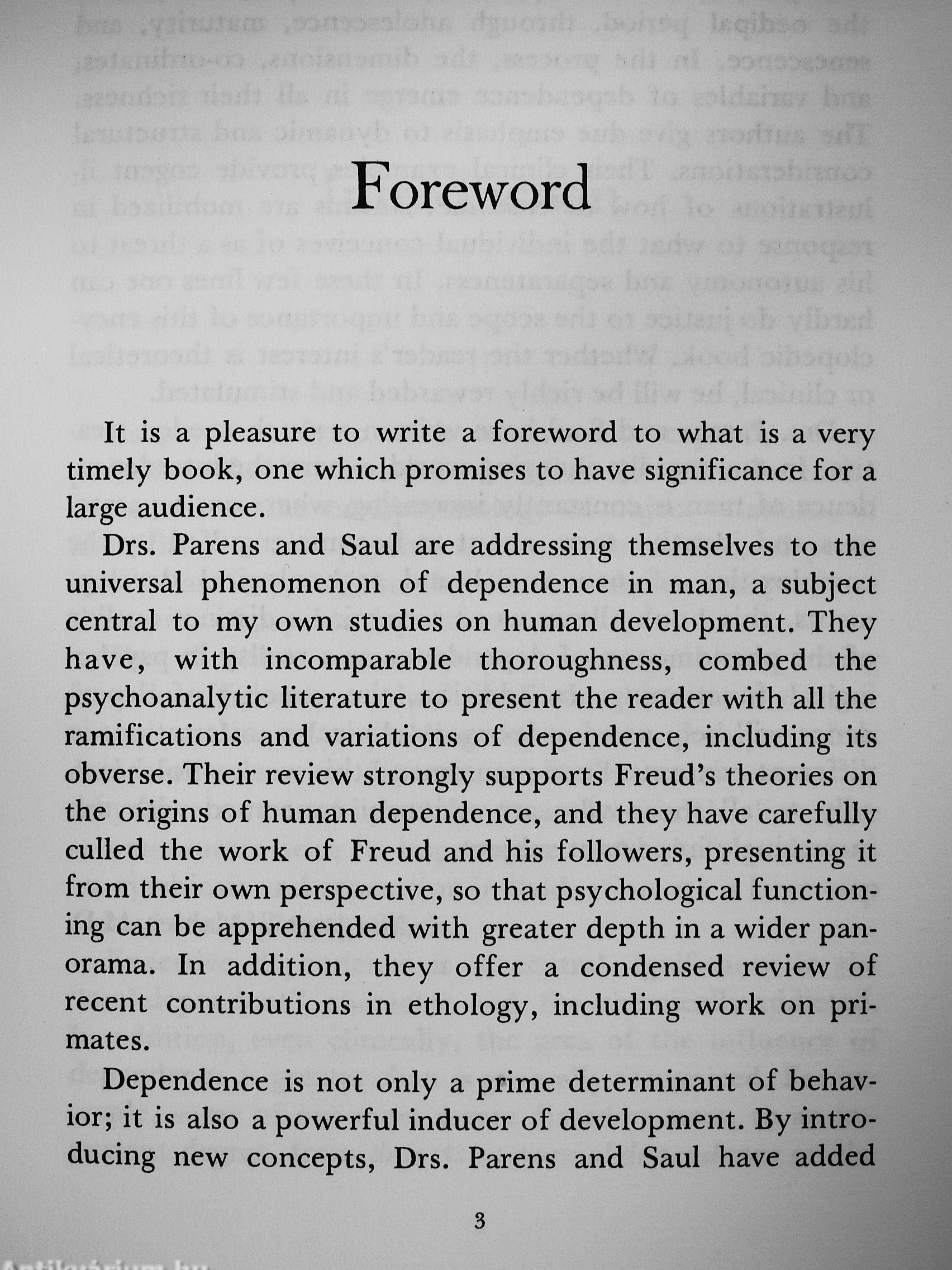
Fülszöveg
dependence in man
A Psychoanalijtic Study HENRI PARENS and LEON J. SAUL
"Dependence is not only a primary determinant of behavior," Margaret S. Mahler says in her Foreword to the book, "it is also a powerful inducer of development. By introducing new concepts, Drs. Parens and Saul have added significance to that thesis. They have set themselves the task of tracing dependence and its vicissitudes through the life cycle, from the early mother-infant dyad, the triad of the oedipal period, through adolescence, maturity, and senescence. In the process, the dimensions, coordinates, and variables of dependence emerge in all their richness."
Dependence is generally associated with childhood or pathology. Drs. Parens and Saul, however, view dependence in a broader context—as an essential "human condition" determined by phy-logeny and ontogeny.
The authors begin with a comprehensive review of Freud's writings on the subject of dependence, drawing attention to the fact that Freud said... Tovább
Fülszöveg
dependence in man
A Psychoanalijtic Study HENRI PARENS and LEON J. SAUL
"Dependence is not only a primary determinant of behavior," Margaret S. Mahler says in her Foreword to the book, "it is also a powerful inducer of development. By introducing new concepts, Drs. Parens and Saul have added significance to that thesis. They have set themselves the task of tracing dependence and its vicissitudes through the life cycle, from the early mother-infant dyad, the triad of the oedipal period, through adolescence, maturity, and senescence. In the process, the dimensions, coordinates, and variables of dependence emerge in all their richness."
Dependence is generally associated with childhood or pathology. Drs. Parens and Saul, however, view dependence in a broader context—as an essential "human condition" determined by phy-logeny and ontogeny.
The authors begin with a comprehensive review of Freud's writings on the subject of dependence, drawing attention to the fact that Freud said more about dependence than is generally recognized. They go on to supplement the theory of dependence from their own perspective, drawing on the formulations
{continued on back flap)
A
/ A
( continued from front flap )
of René Spitz and, for comparative study, on recent findings of ethologists —especially in imprinting and primary socialization—in order to shed further light on the singularity of early human development. They postulate the libidin-ization of dependence and trace the effects of this libidinization on psychic development. They consider the dependence continuum in dynamic and economic terms, in terms of "inner sustain-ment," which reflects the equilibrium in the complemental series: dependence vs. self-reliance. In detail and with care, they delineate two co-ordinates of psychological dependence. Utilizing Anna Freud's developmental lines and Margaret Mahler's subphases of separation-individuation, they trace the epigenesis of dependence and provide illuminating clinical examples.
For both its theoretical formulations and clinical implications, this book will be of interest to psychoanalysts, psychiatrists, and to clinicians in allied fields. The recognition of normative dependence brings pathological dependence into clearer focus, thus refining assessments of dependence in treatment and offering a more discriminating frame of reference for teaching and research. Because it focuses on normative aspects of dependence, Dependence in Man will provide a fresh orientation for all students of human behavior. It will undoubtedly raise many questions and stimulate further research.
INTERNATIONAL UNIVERSITIES PRESS, INC. New York New York
iV
ii.i
¦im
i'Fi
Iv. 'Vi'Vvv.
w
'i ',
iV "¦M.kV:,::
vili ¦ . I ' 6 ' 'i'^ P] Vissza


Témakörök
- Orvostudomány > Ideg, elme > Pszichiátria
- Idegennyelv > Idegennyelvű könyvek > Angol > Orvostudomány
- Pszichológia > Pszichiátria
- Pszichológia > Alkalmazott lélektan > Pszichotechnika > Pszichoanalitika > Egyéb
- Pszichológia > Idegennyelvű > Angol
- Orvostudomány > Ideg, elme > Idegennyelvű
- Orvostudomány > Orvosi idegennyelvű könyvek > Ideg, elme
- Pszichológia > Szociálpszichológia > Általában
- Idegennyelv > Idegennyelvű könyvek > Angol > Pszichológia
Megvásárolható példányok
Nincs megvásárolható példány
A könyv összes megrendelhető példánya elfogyott. Ha kívánja, előjegyezheti a könyvet, és amint a könyv egy újabb példánya elérhető lesz, értesítjük.
 Folytatás Microsoft-tal