
1.119.673
kiadvánnyal nyújtjuk Magyarország legnagyobb antikvár könyv-kínálatát

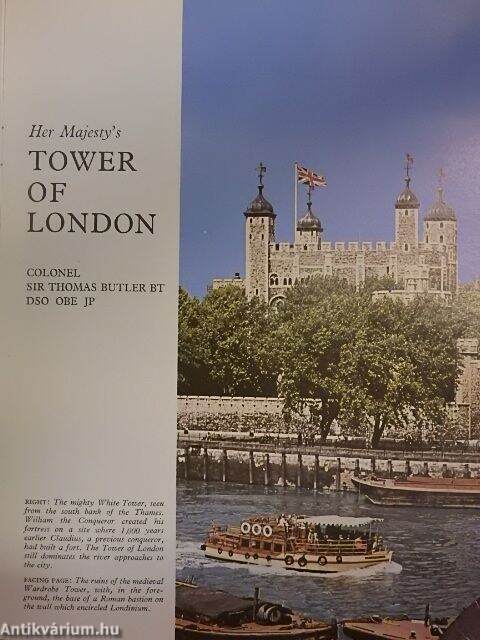
Her Majesty's Tower of London


London
| Kiadó: | Pitkin Pictorials Ltd. |
|---|---|
| Kiadás helye: | London |
| Kiadás éve: | |
| Kötés típusa: | Tűzött kötés |
| Oldalszám: | 24 oldal |
| Sorozatcím: | |
| Kötetszám: | |
| Nyelv: | Angol |
| Méret: | 23 cm x 18 cm |
| ISBN: | |
| Megjegyzés: | Színes és fekete-fehér fotókkal. |
Értesítőt kérek a kiadóról
A beállítást mentettük,
naponta értesítjük a beérkező friss
kiadványokról
naponta értesítjük a beérkező friss
kiadványokról
A beállítást mentettük,
naponta értesítjük a beérkező friss
kiadványokról
naponta értesítjük a beérkező friss
kiadványokról
Előszó
r^TOWER OF LONDON A Brief History right: The Middle Tower. It built in the time of Edward I. The Tower of London has been called 'The Cradle of the English race'. It is well named for it was here... TovábbElőszó
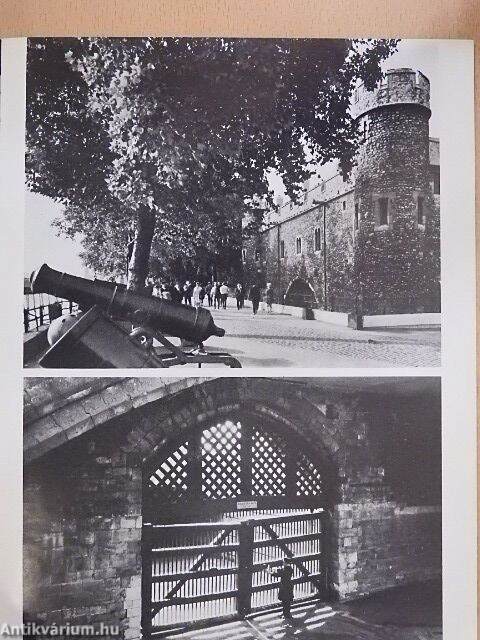
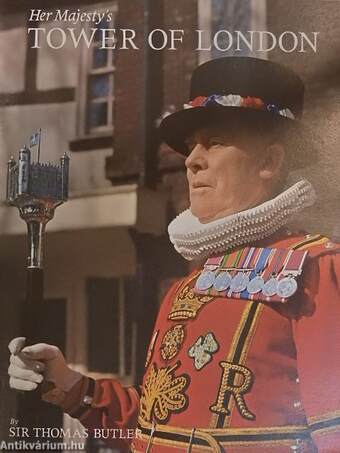
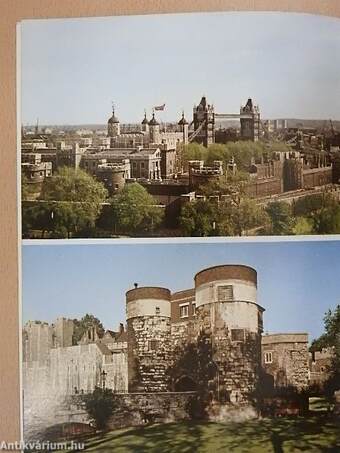
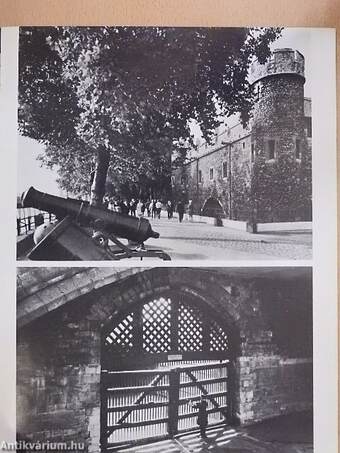
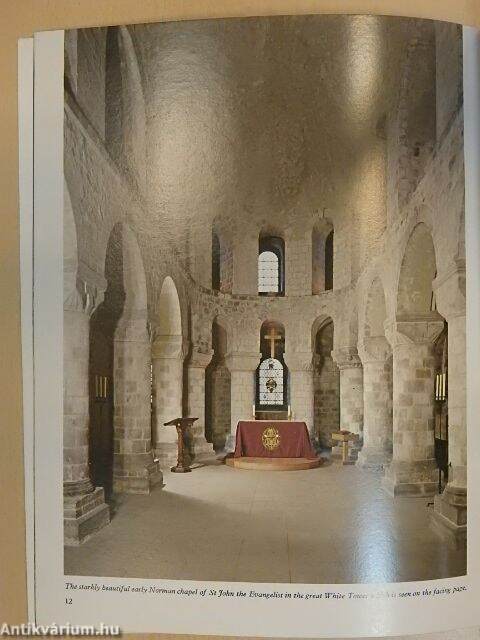
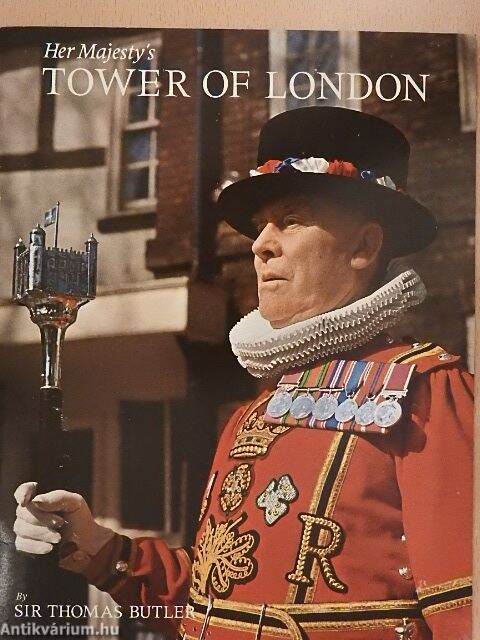
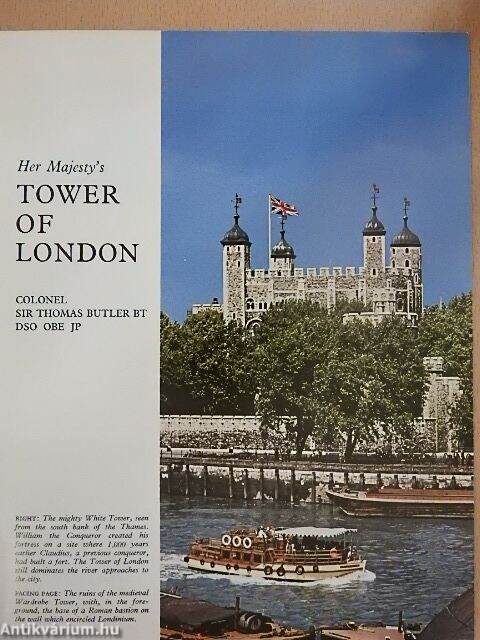
r^TOWER OF LONDON A Brief History right: The Middle Tower. It built in the time of Edward I. The Tower of London has been called 'The Cradle of the English race'. It is well named for it was here that England had her first beginnings as a nation. It is, moreover, the oldest palace, fortress and prison in Europe. The great fortress was created by William the Conqueror, nearly 900 years ago. The site he chose was the one on which Claudius, the Román Emperor, had built a fort more than a thousand years earlier : traces of the Román wall can still be seen in the Tower. It was well chosen for two main reasons; firstly the fortress commanded the river approaches to the city and secondly, it protected the king and government from those citizens of London who did not take kindly to their Norman overlords. At first the stronghold probably consisted of timber buildings defended by a palisade of stakes, but in 1078 William I commissioned Gundulf, a monk from Normandy, to build a great tower or keep. The work took twenty years and much of the stone used came from Caen in Normandy. As king succeeded king, the fortress was enlarged by building walls and smaller towers around the central keep. Towards the end of the 12th century, Richárd I added to its might by encircling it with a moat fed by the River Thames. As will be seen . from the plan, the Tower of London is roughly square in shape with two lines of defensive walls enclosing Gundulf's great tower which for centuries has been known as the White Tower. At intervals on the inner wall are thirteen smaller towers. This is the Inner Ward, the only surviving originál entrance being on the south side under the Bloody Tower. The outer wall is defended by six towers on the river face and by two semi-circular bastions at the north-east and north-west. Over the centuries the Tower has served many purposes. It has been a citadel; a royal palace; a prison for dangerous offenders against the State; the only place of coinage for all England; an armoury for warlike supplies; the treasury of the regalia and Crown J?wels; the record office of the king's Courts of Justice; a royal menagerie and the first royal observatory. The mint, the menagerie, the observatory and the record office have long since moved elsewhere, but the Tower is still a garrisoned fortress and technically a royal palace. The last sovereign to reside there, however, was James I. The Tower of London has always been controlled directly by the Sovereign and commanded by a Constable appointed by the Crown. The first Constable was Geoffrey de Mandeville, a Norman knight. Prelates and politicians have alsó held the post, but since the late 18th century distinguished soldiers have been appointed. The Constable, who has direct access to the Sovereign, no longer resides in the Tower but entrusts the day-to-day administration to a Resident Governor who lives in the Queen's House, and to two deputy governors. The Ministry of Public Building and Works together with the Department of Ancient Monuments is responsible for the maintenance of the Tower. The Living Tower Today So many great historical places are today üfeless monuments of the past. Those who administer the Tower of London like to think of it as a living place which indeed it is. Within its bounds is a community of somé three hundred men, women and children. It has its own social club, restaurant, tennis court and playground; its own chaplain and two chapels; its own doctor, carpenters, plumbers, stonemasons, electricians and of course its guardians-the Yeomen Warders. VisszaTémakörök
- Idegennyelv > Idegennyelvű könyvek > Angol > Művészetek > Építészet
- Idegennyelv > Idegennyelvű könyvek > Angol > Művészetek > Fotóművészet
- Idegennyelv > Idegennyelvű könyvek > Angol > Útikönyvek
- Idegennyelv > Idegennyelvű könyvek > Angol > Helytörténet
- Idegennyelv > Idegennyelvű könyvek > Angol > Történelem > Európa története > Egyéb
- Helytörténet > Külföldi > Városok
- Helytörténet > Helyismeret > Várak, építmények
- Útikönyvek > Európa > Fővárosai
- Útikönyvek > Európa > Nyugat-Európa > Városai
- Útikönyvek > Idegennyelvű útikönyvek > Angol
- Útikönyvek > Utazás, turizmus
- Útikönyvek > Természetjárás, túrák > Városnézés
- Művészetek > Építészet > Korszakok, stílusok > Középkor > Egyéb
- Művészetek > Építészet > Kontinensek szerint > Európa > Angol
- Művészetek > Építészet > Idegen nyelv > Angol
- Művészetek > Építészet > Műemlékek > Várak
- Művészetek > Fotóművészet > Idegen nyelv > Angol
- Művészetek > Fotóművészet > Témái > Művészetek
- Történelem > Idegennyelvű > Angol
- Történelem > Kontinensek szerint > Európa, európai országok története > Nyugat-Európa > Anglia
- Történelem > Hadtörténet > Várak, erődítmények
Sir Thomas Butler
Sir Thomas Butler műveinek az Antikvarium.hu-n kapható vagy előjegyezhető listáját itt tekintheti meg: Sir Thomas Butler könyvek, művekMegvásárolható példányok
Állapotfotók
Állapot:
Jó
1.740 Ft
870 ,-Ft 50
8
pont kapható
Kosárba
Állapotfotók


A borító enyhén kopott.
Állapot:
Jó
1.740 ,-Ft
16
pont kapható
Kosárba
 Folytatás Microsoft-tal