
1.133.453
kiadvánnyal nyújtjuk Magyarország legnagyobb antikvár könyv-kínálatát

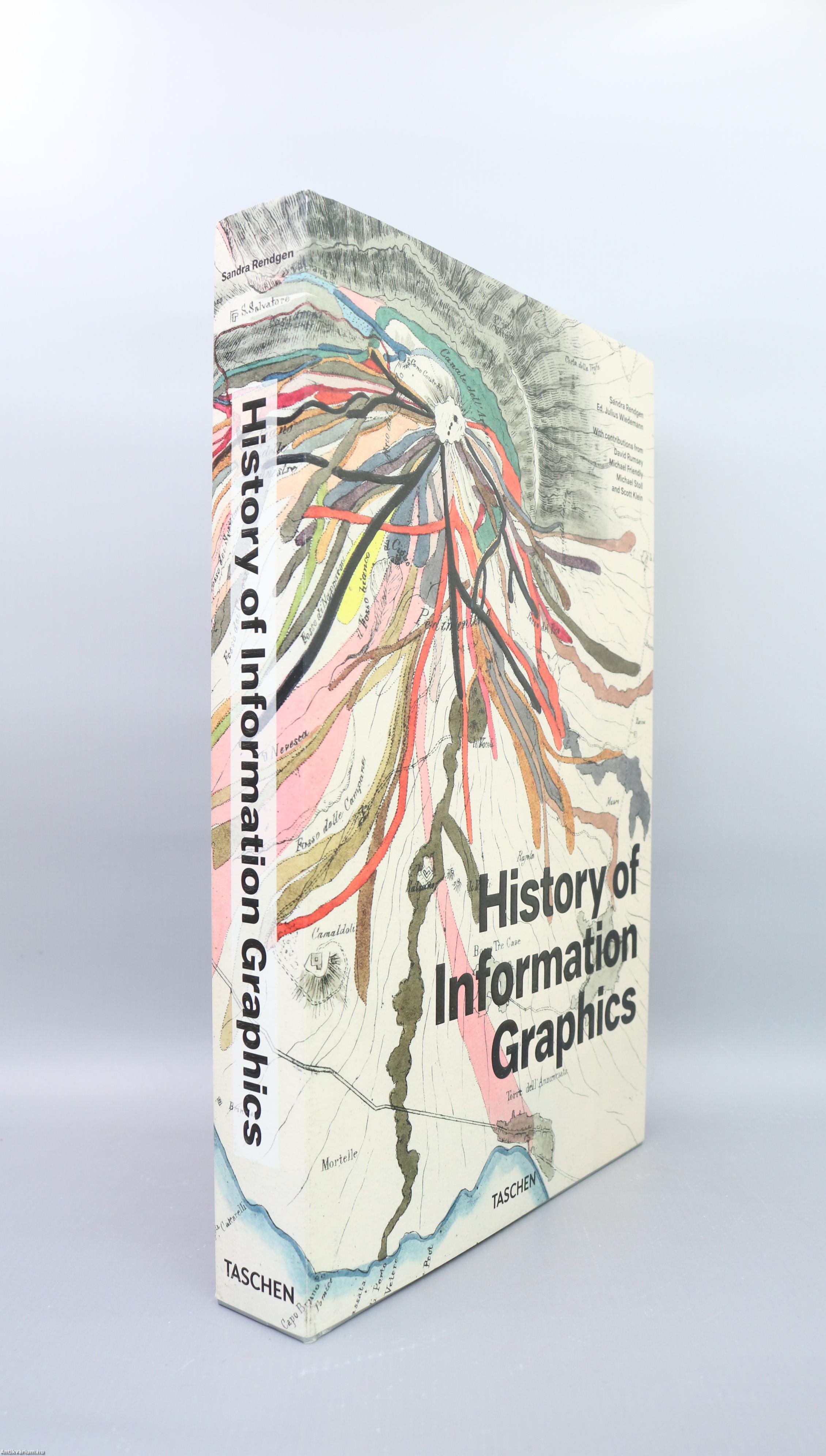
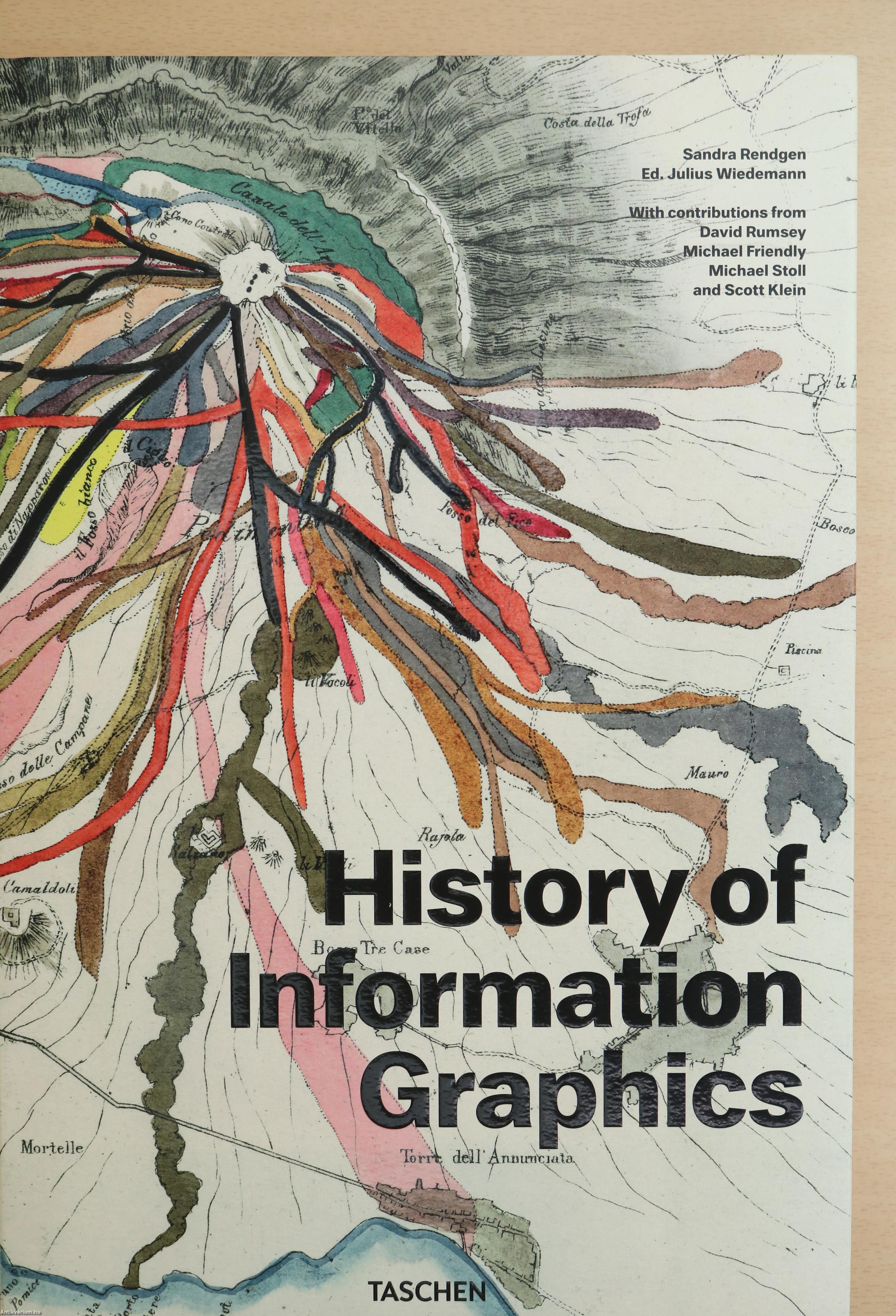
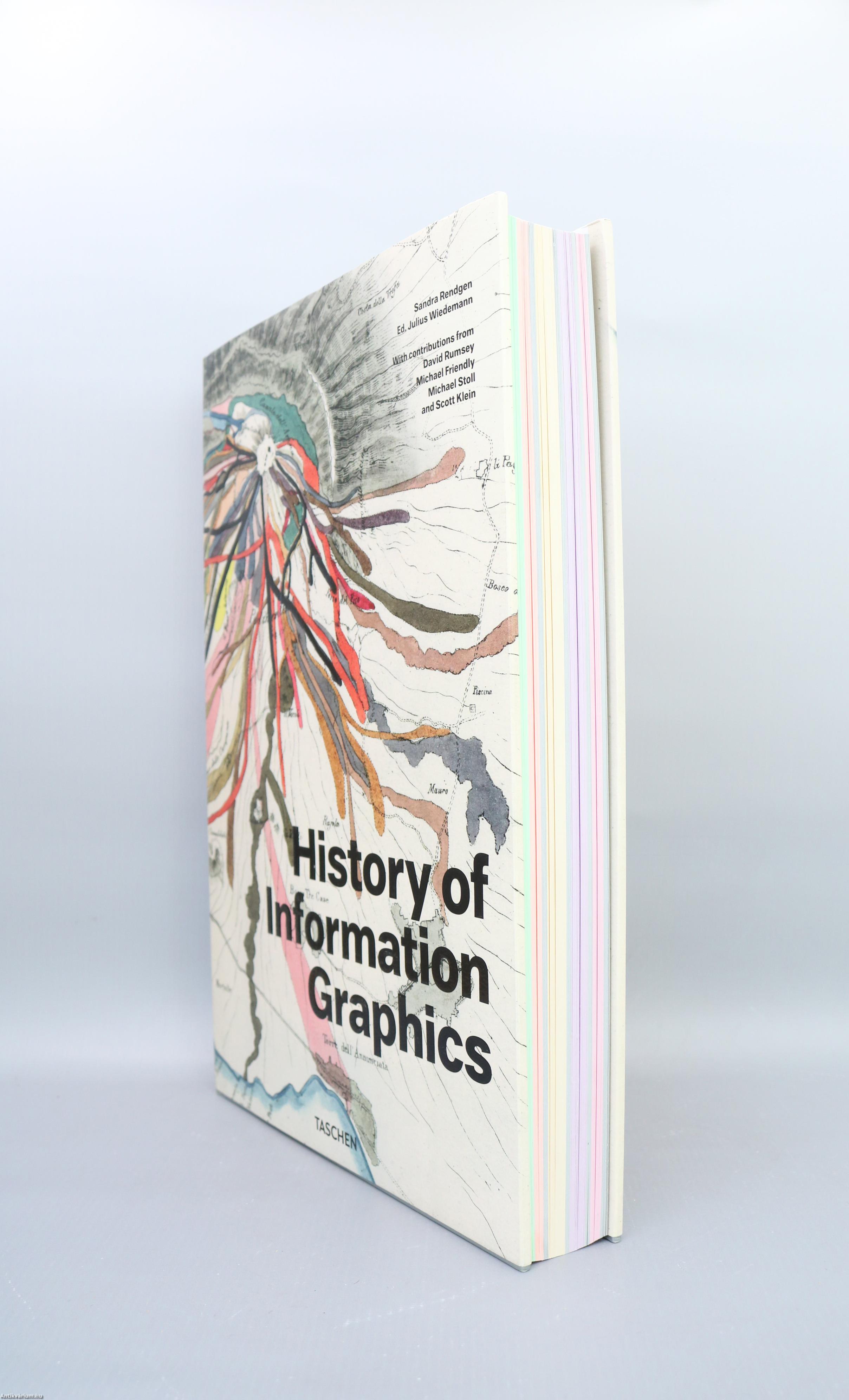
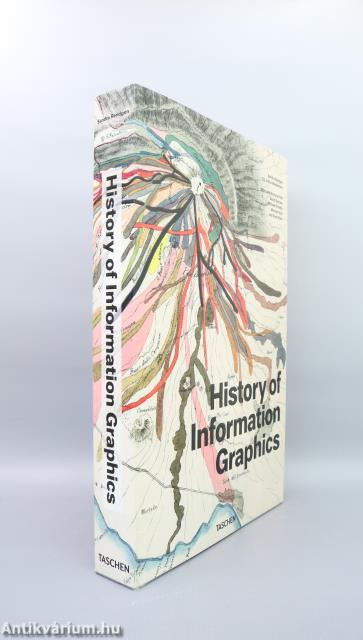
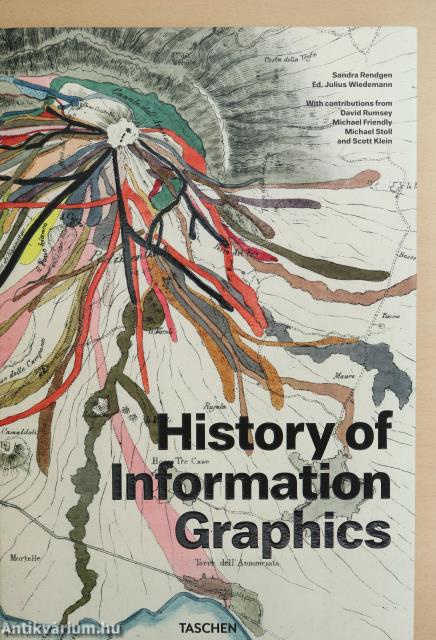
History of Information Graphics
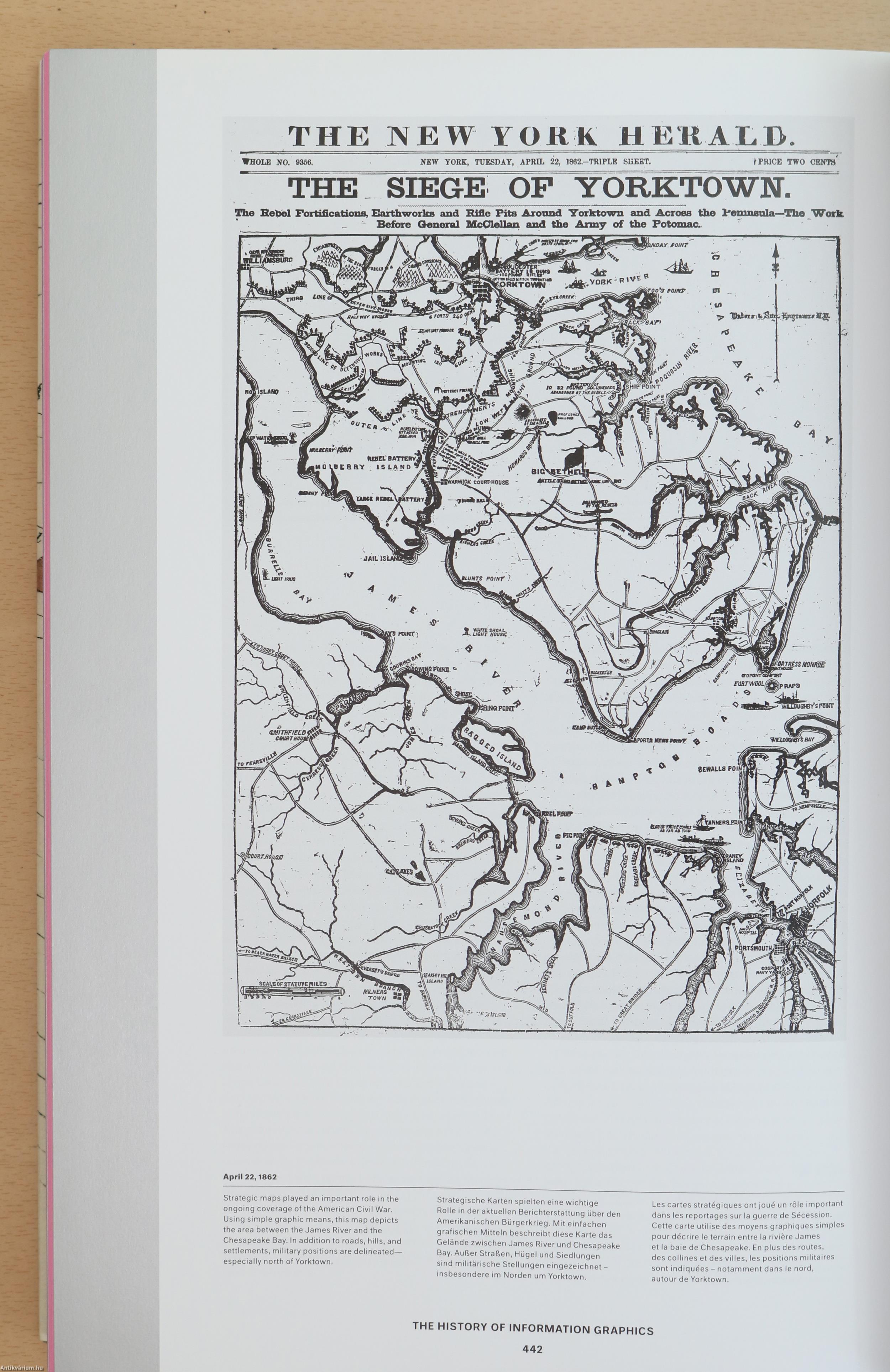
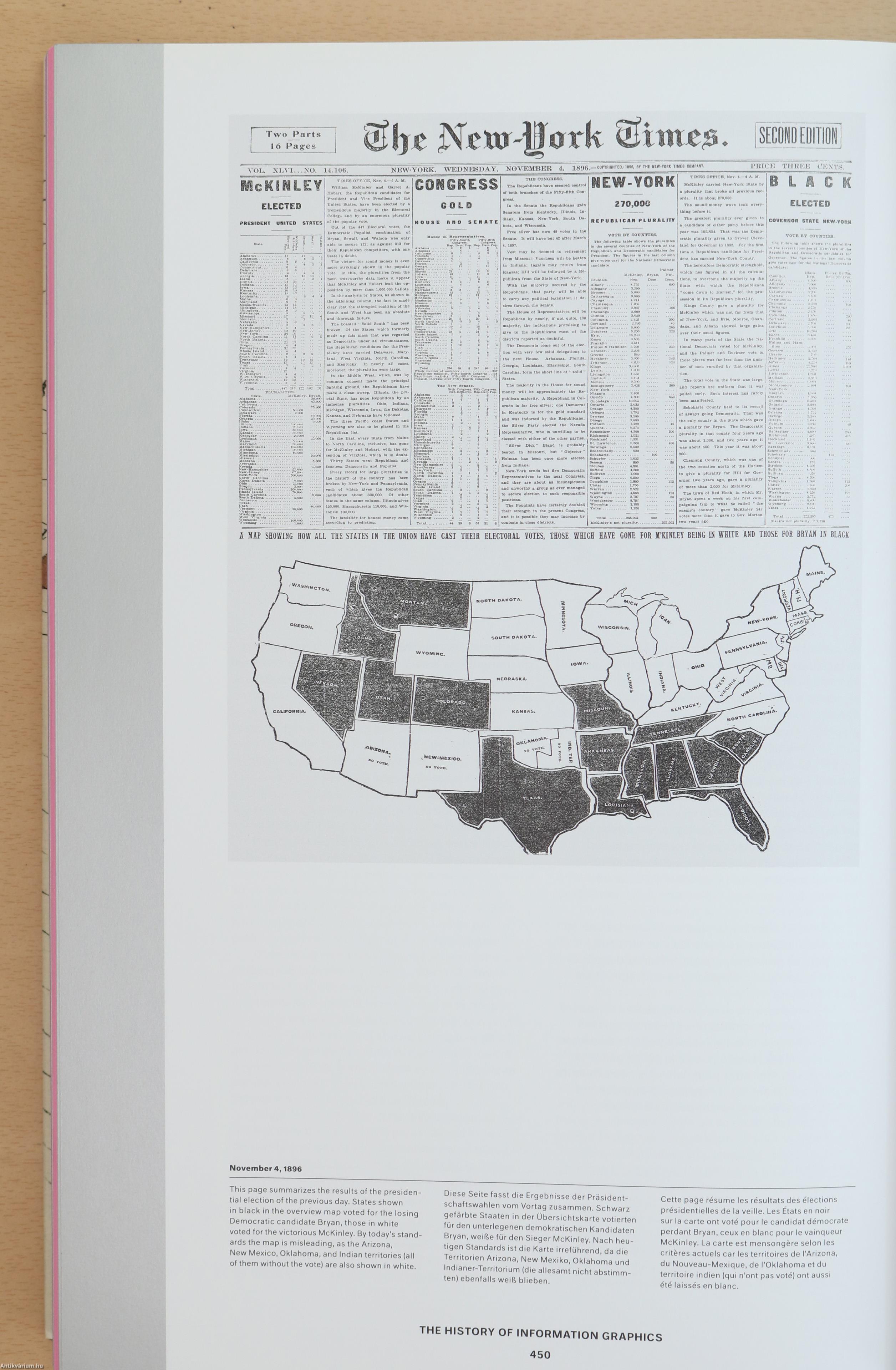
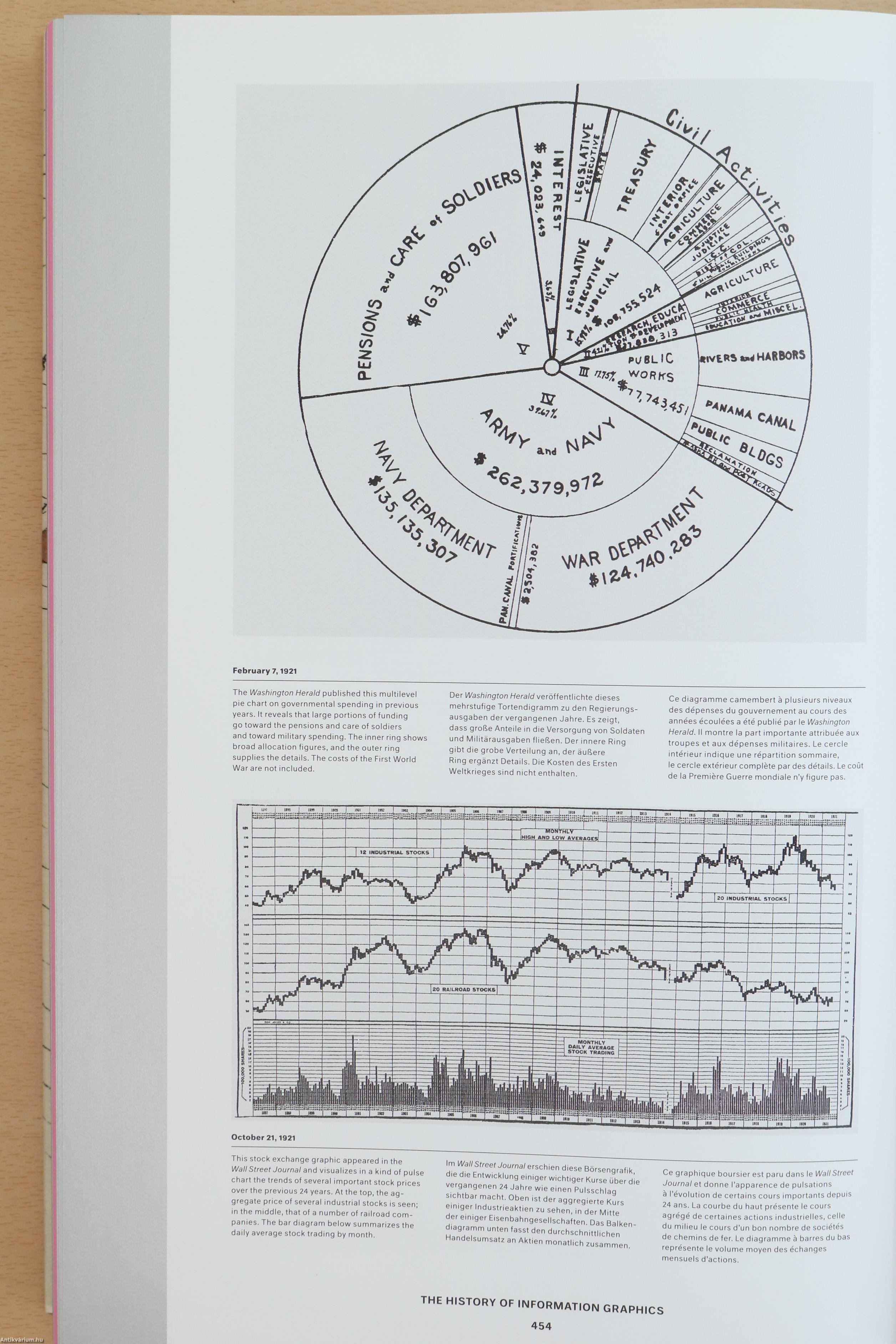
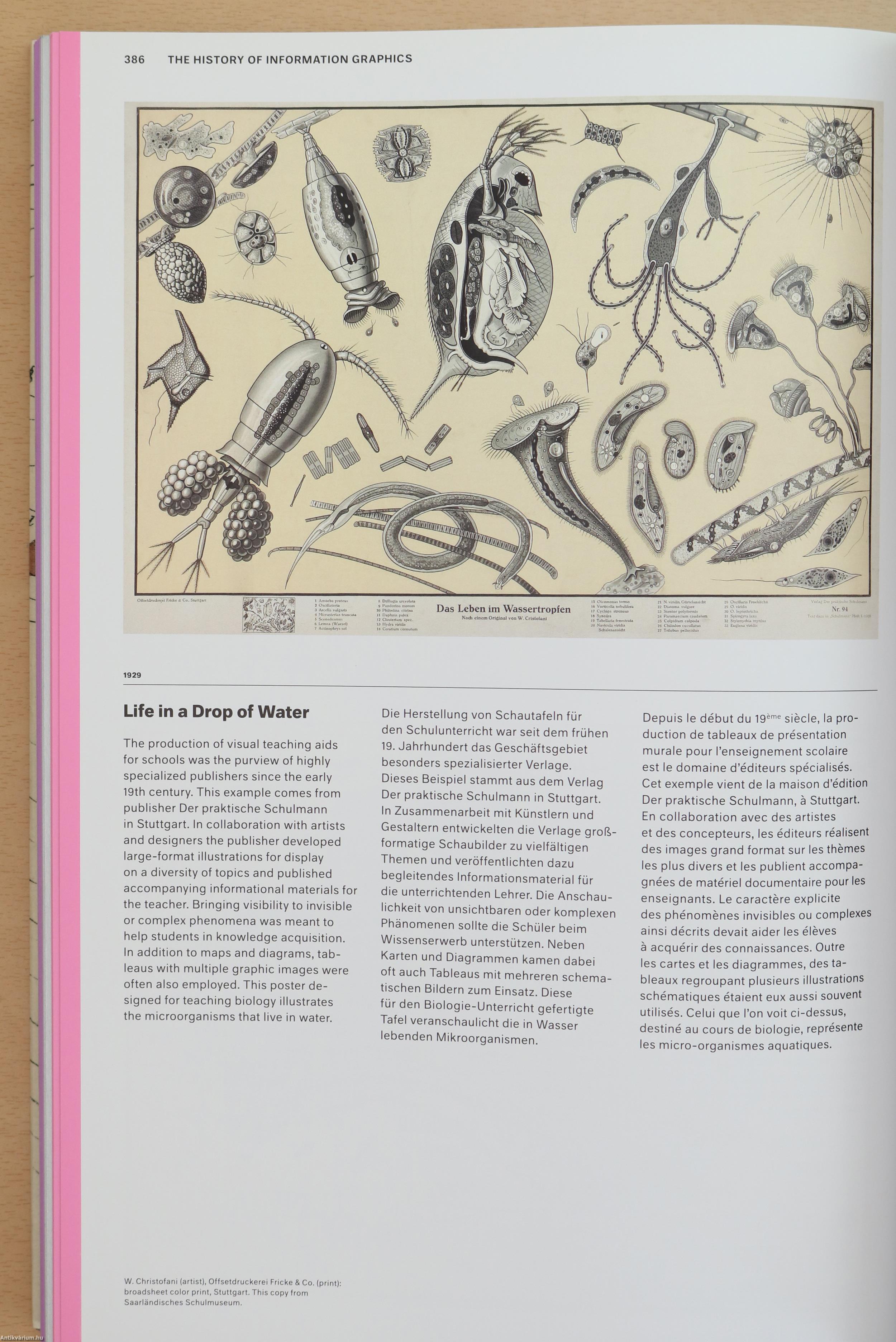
Köln
| Kiadó: | Taschen GmbH |
|---|---|
| Kiadás helye: | Köln |
| Kiadás éve: | |
| Kötés típusa: | Fűzött keménykötés |
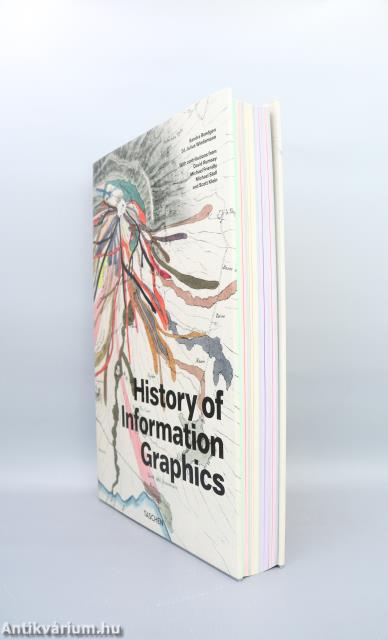
| Oldalszám: | 462 oldal |
| Sorozatcím: | |
| Kötetszám: | |
| Nyelv: | Angol Német Francia |
| Méret: | 38 cm x 26 cm |
| ISBN: | 978-3-8365-6767-1 |
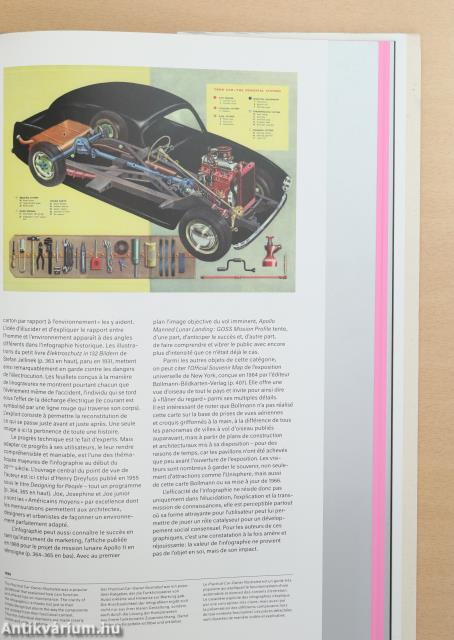
| Megjegyzés: | Színes és fekete-fehér ábrákkal, illusztrációkkal és kihajtható oldalakkal. |
Értesítőt kérek a kiadóról
A beállítást mentettük,
naponta értesítjük a beérkező friss
kiadványokról
naponta értesítjük a beérkező friss
kiadványokról
A beállítást mentettük,
naponta értesítjük a beérkező friss
kiadványokról
naponta értesítjük a beérkező friss
kiadványokról
Fülszöveg
Data TrailsHistory of Information Graphics
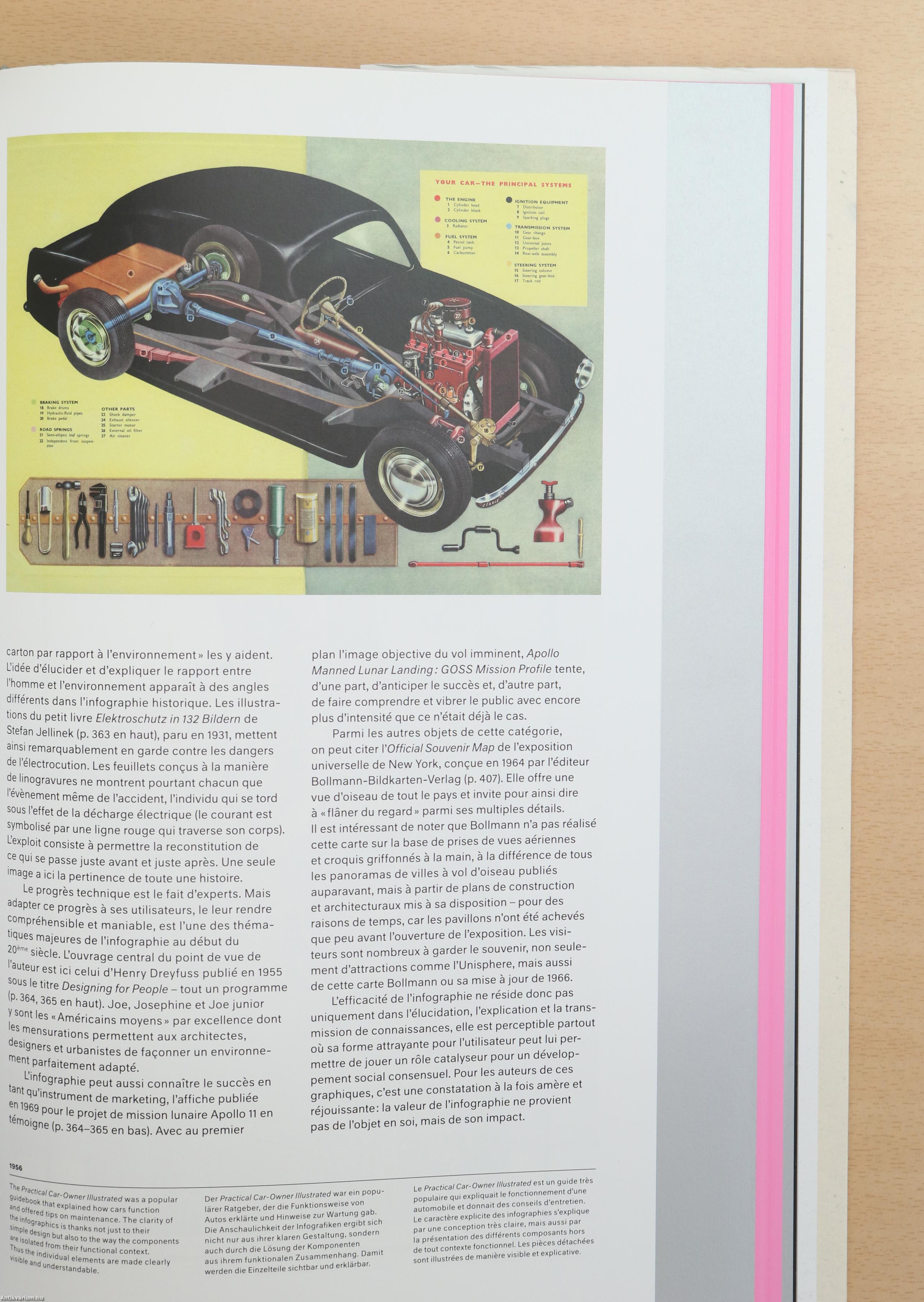
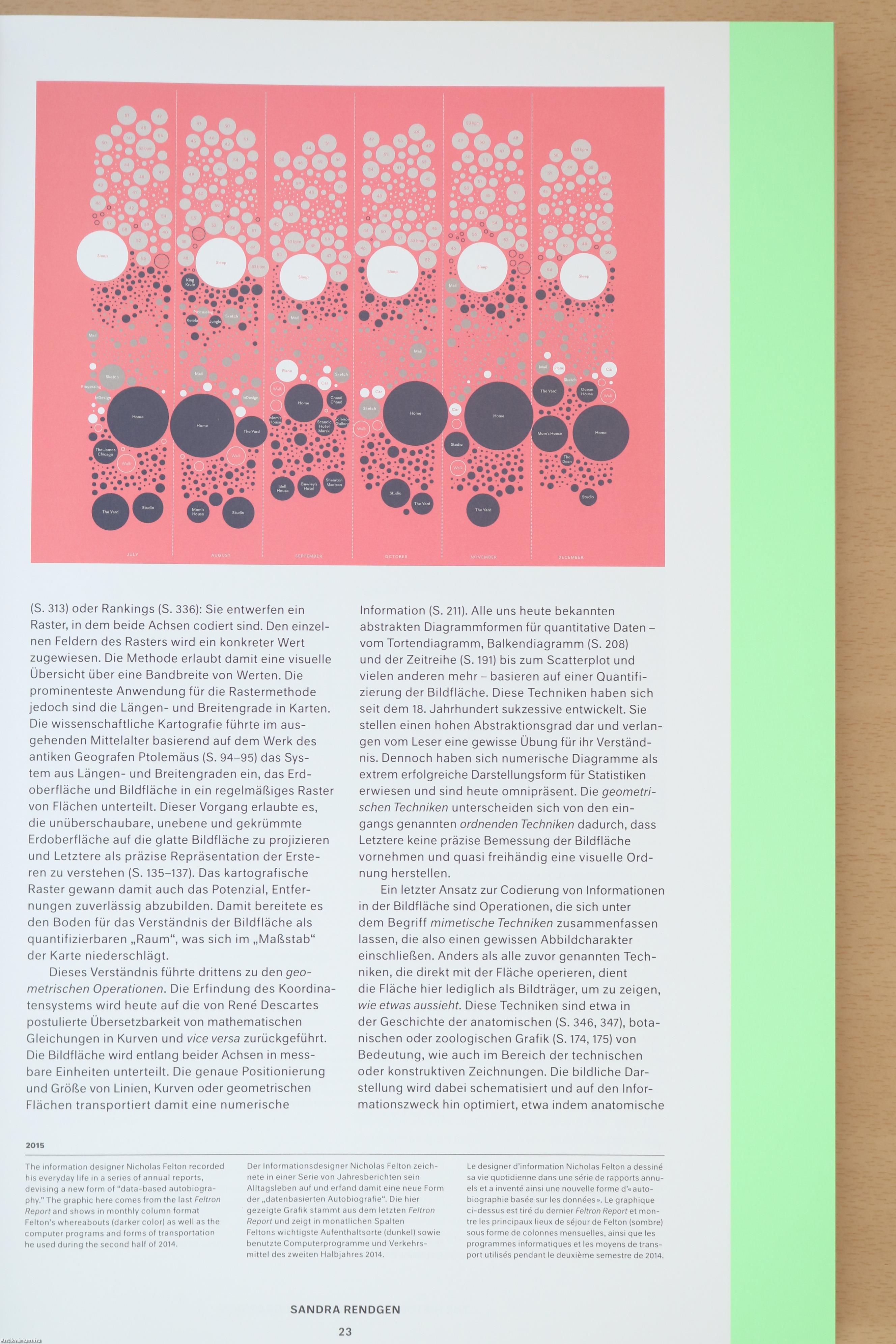
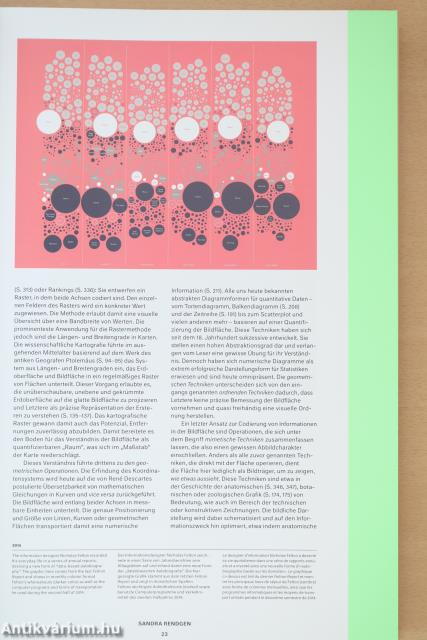
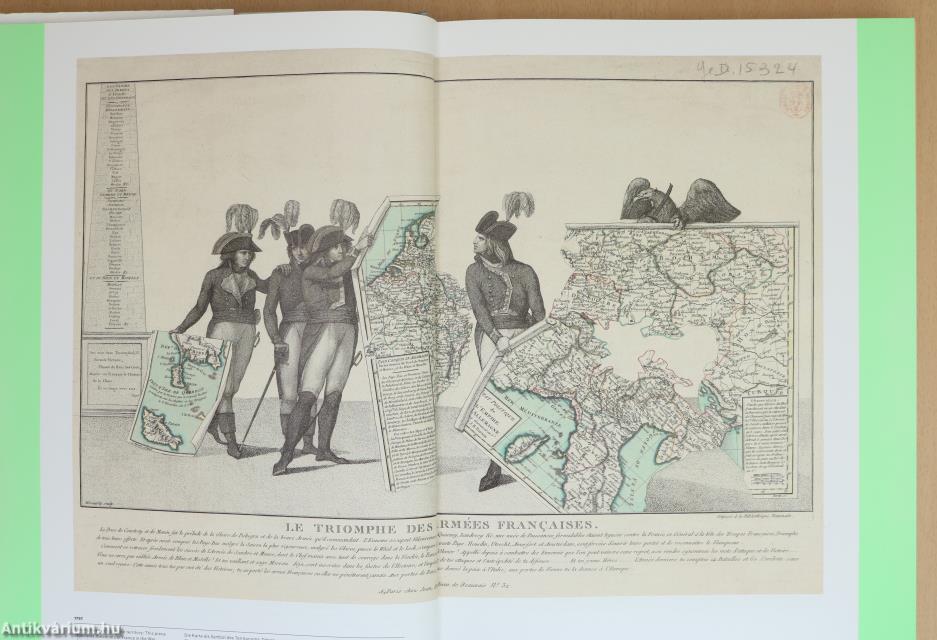
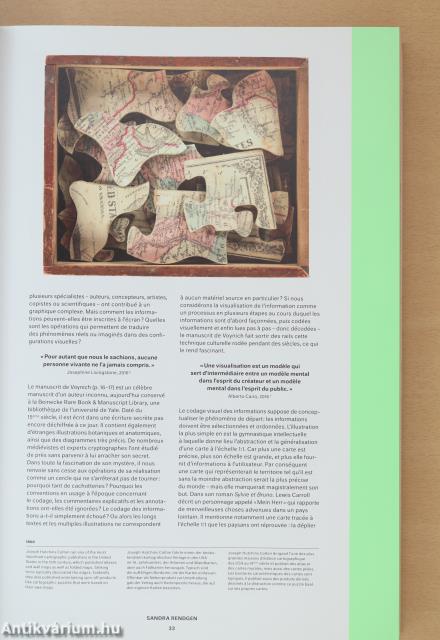
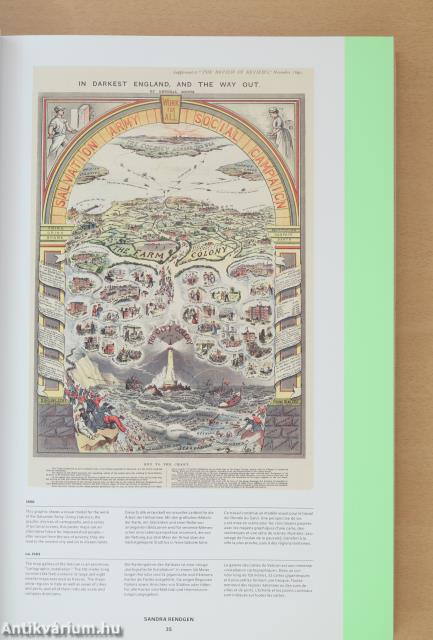
In the age of big data and digital distribution, when news travel ever further and faster and media outlets compete for a fleeting slice of online attention, infographics have swept center stage. At once nuanced and neat, data graphics can distill abstract ideas, complex statistics, and cutting edge discoveries into succinct, compelling, and masterfus designs. Cartographers, programmers, designers, statisticians, scientists, and journalists are joining their expertise in visualizing complex knowledge.
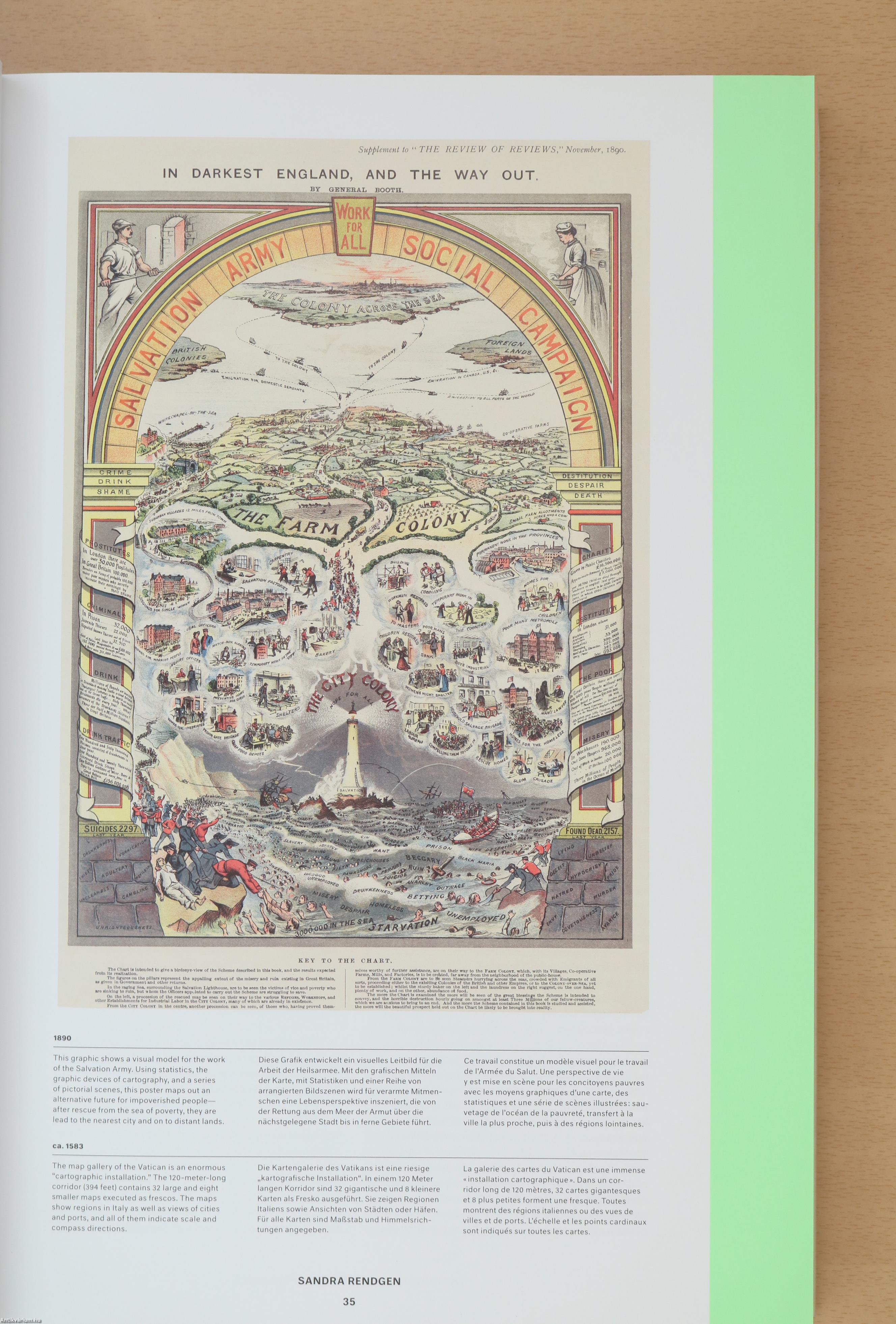
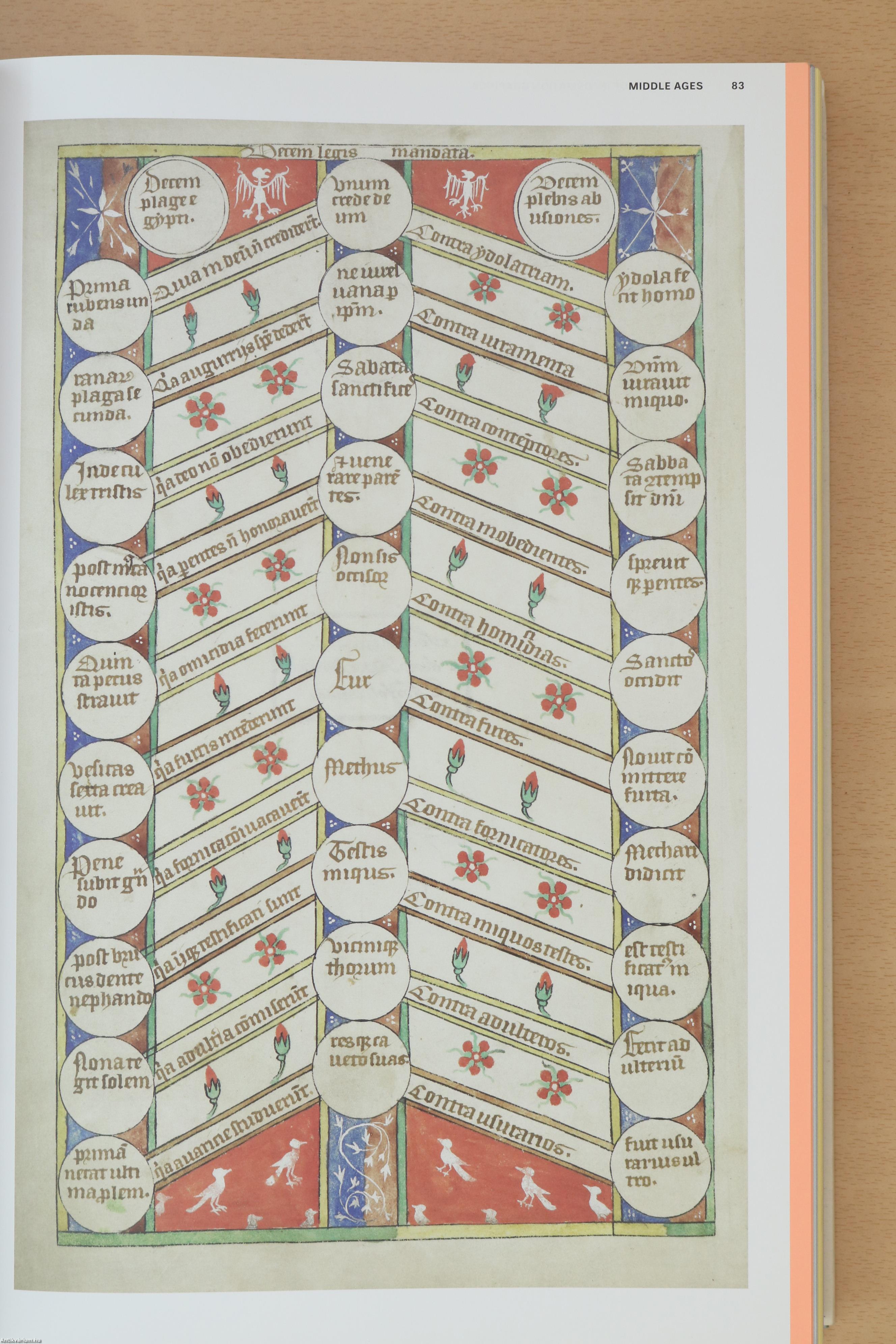
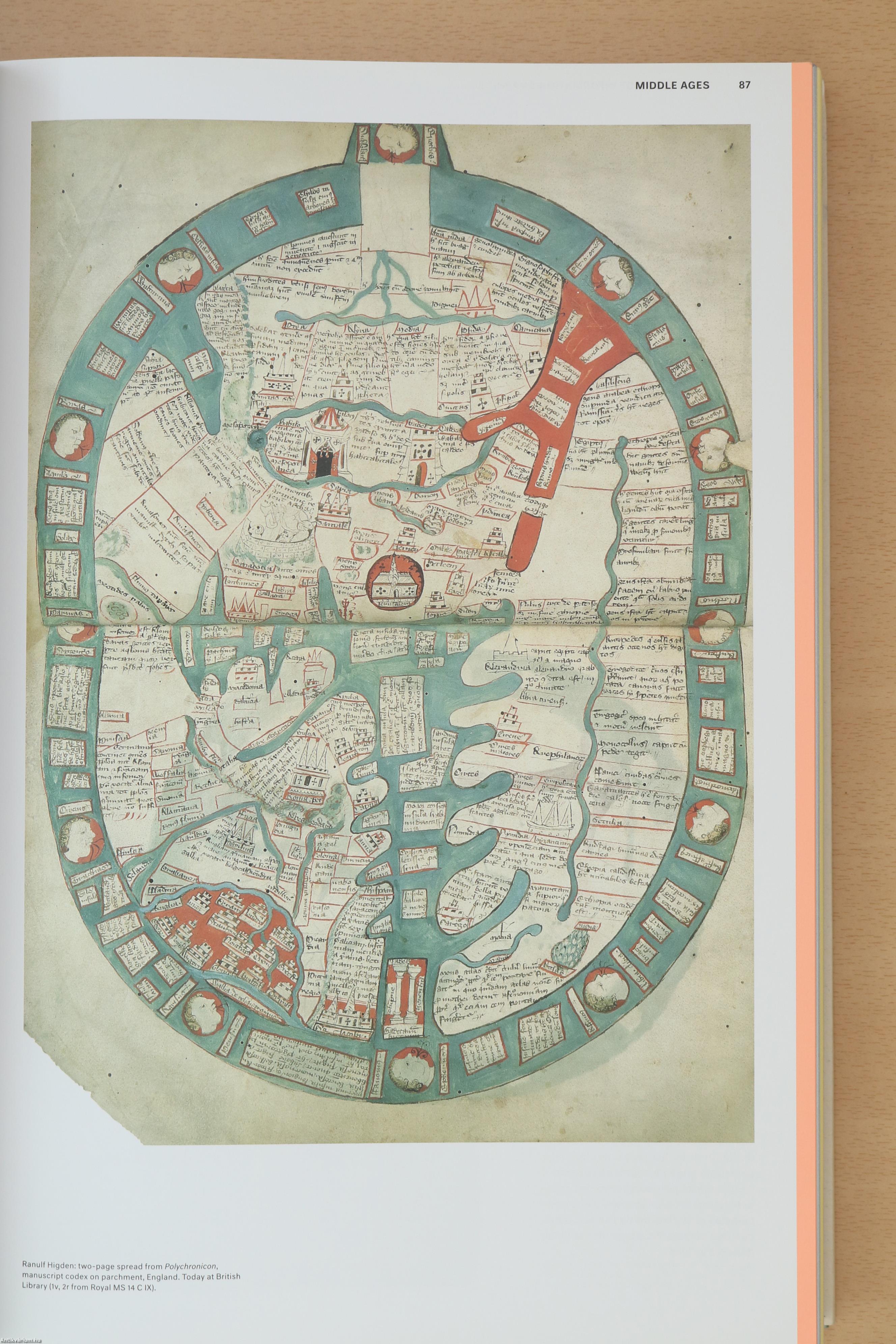
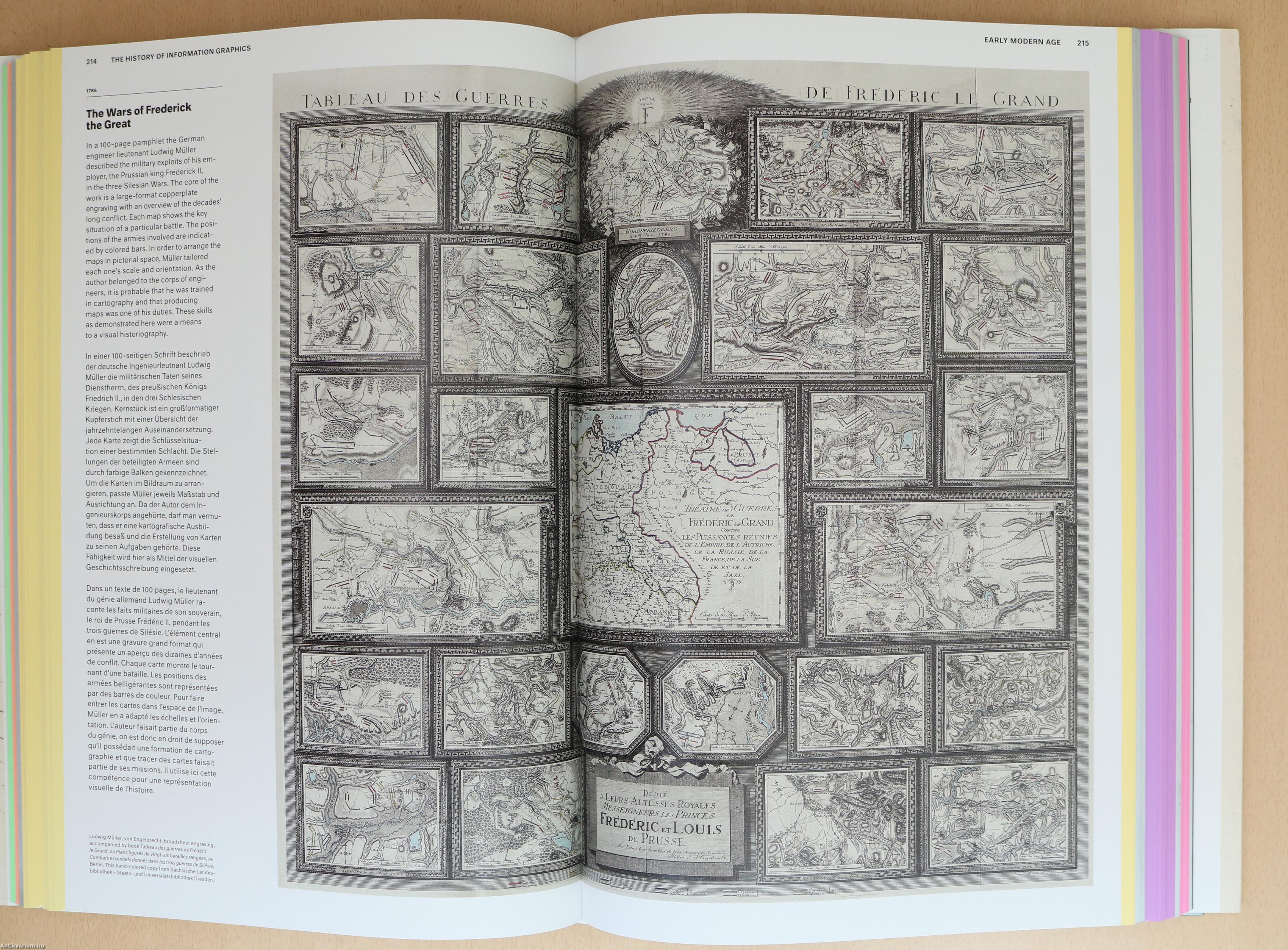
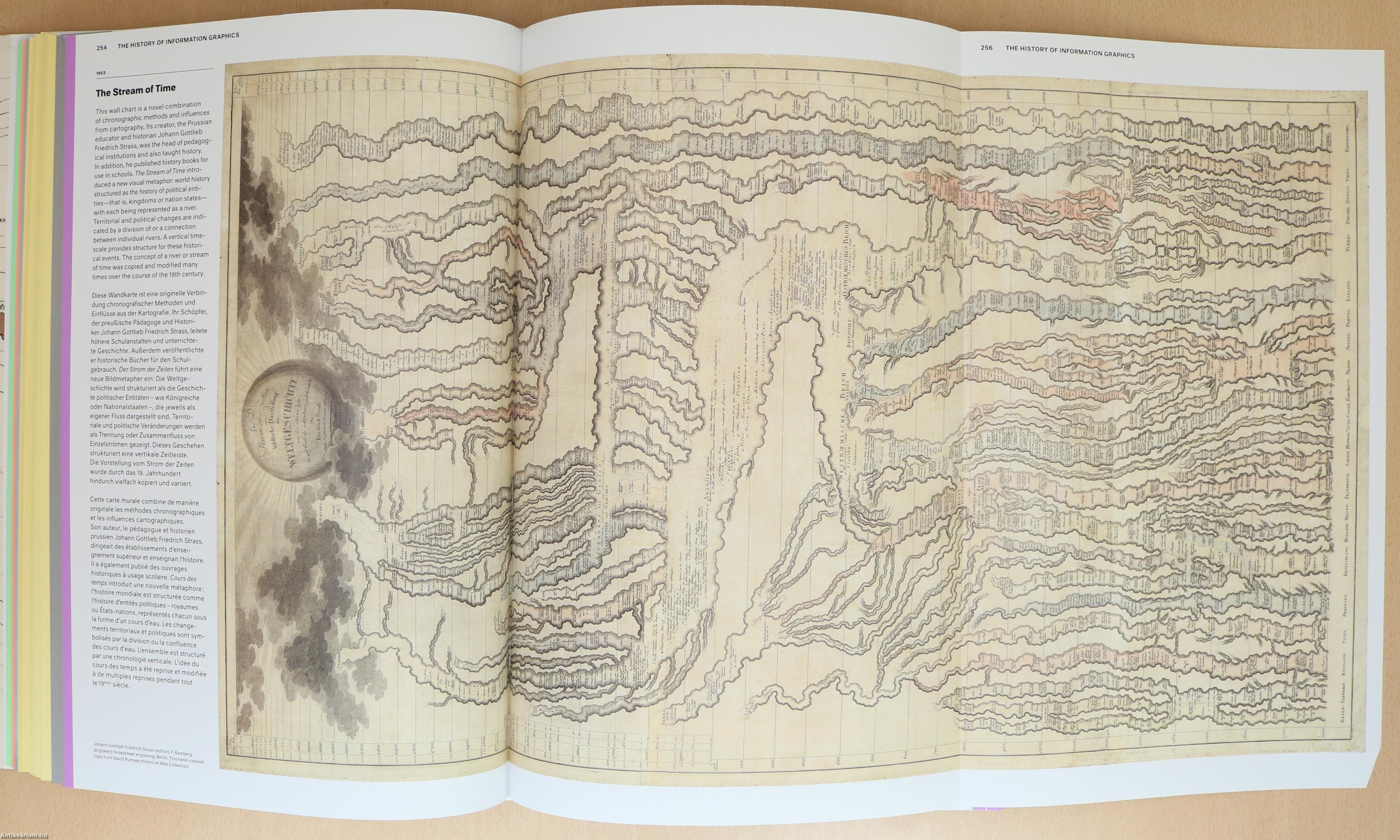
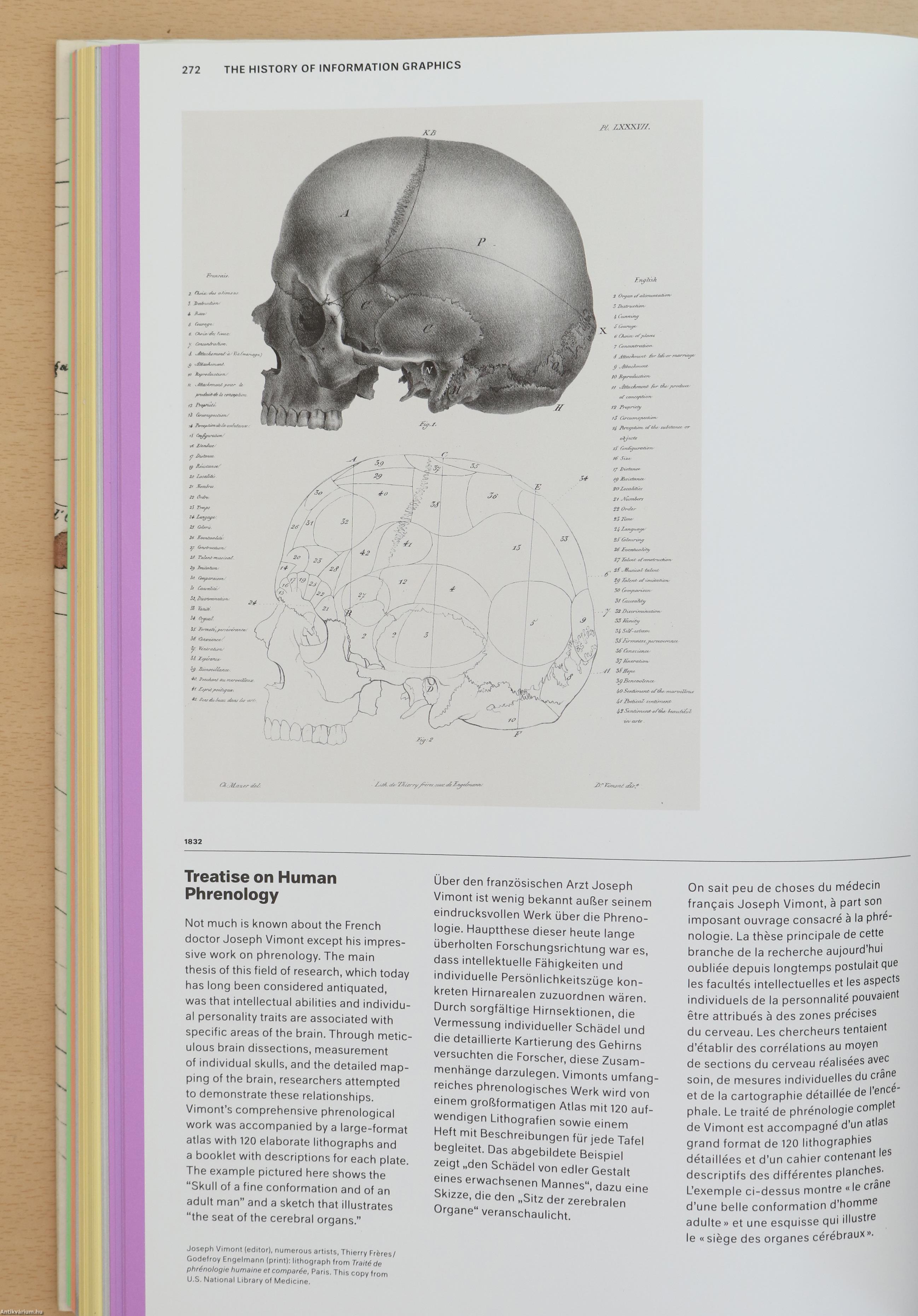
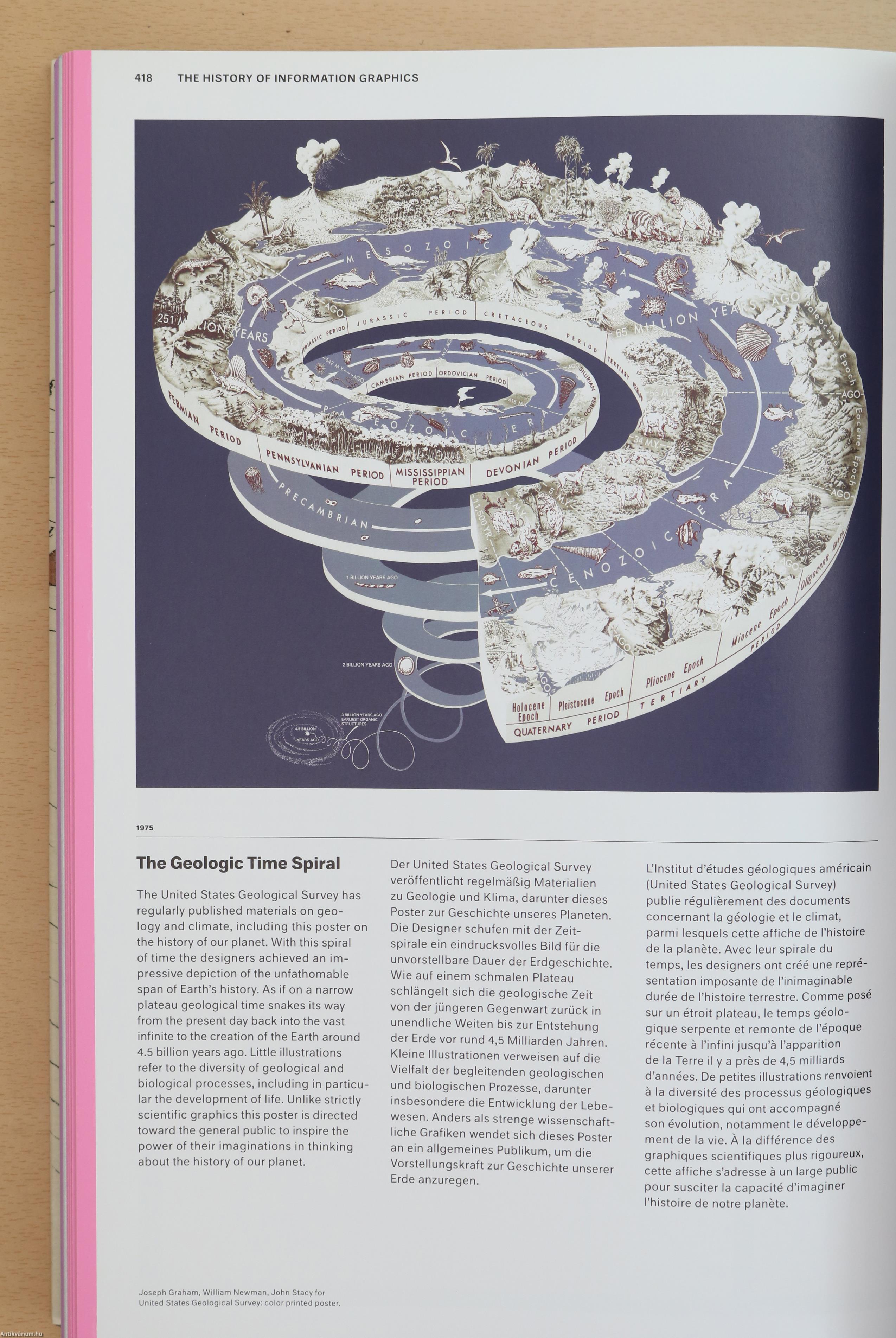
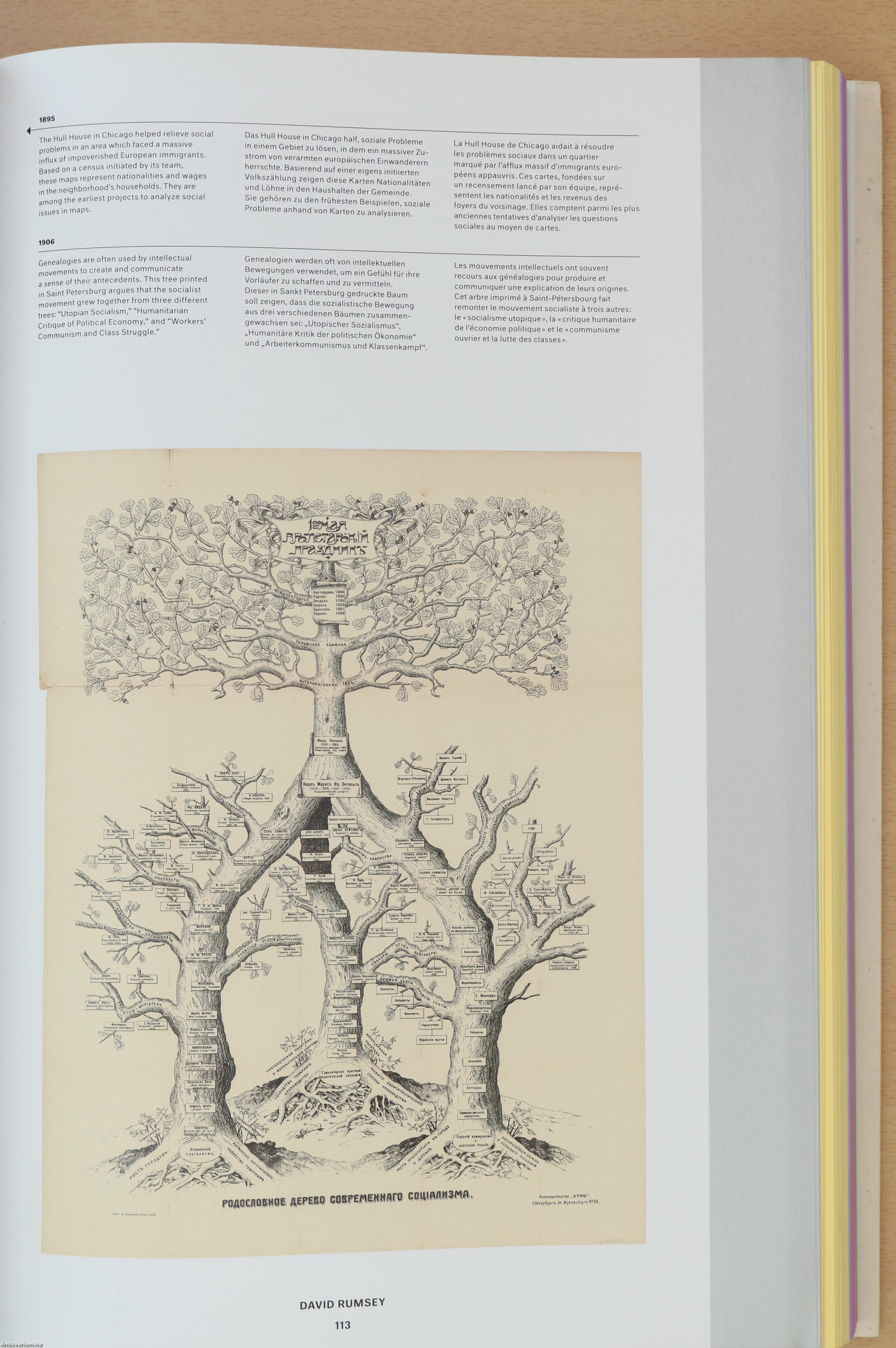
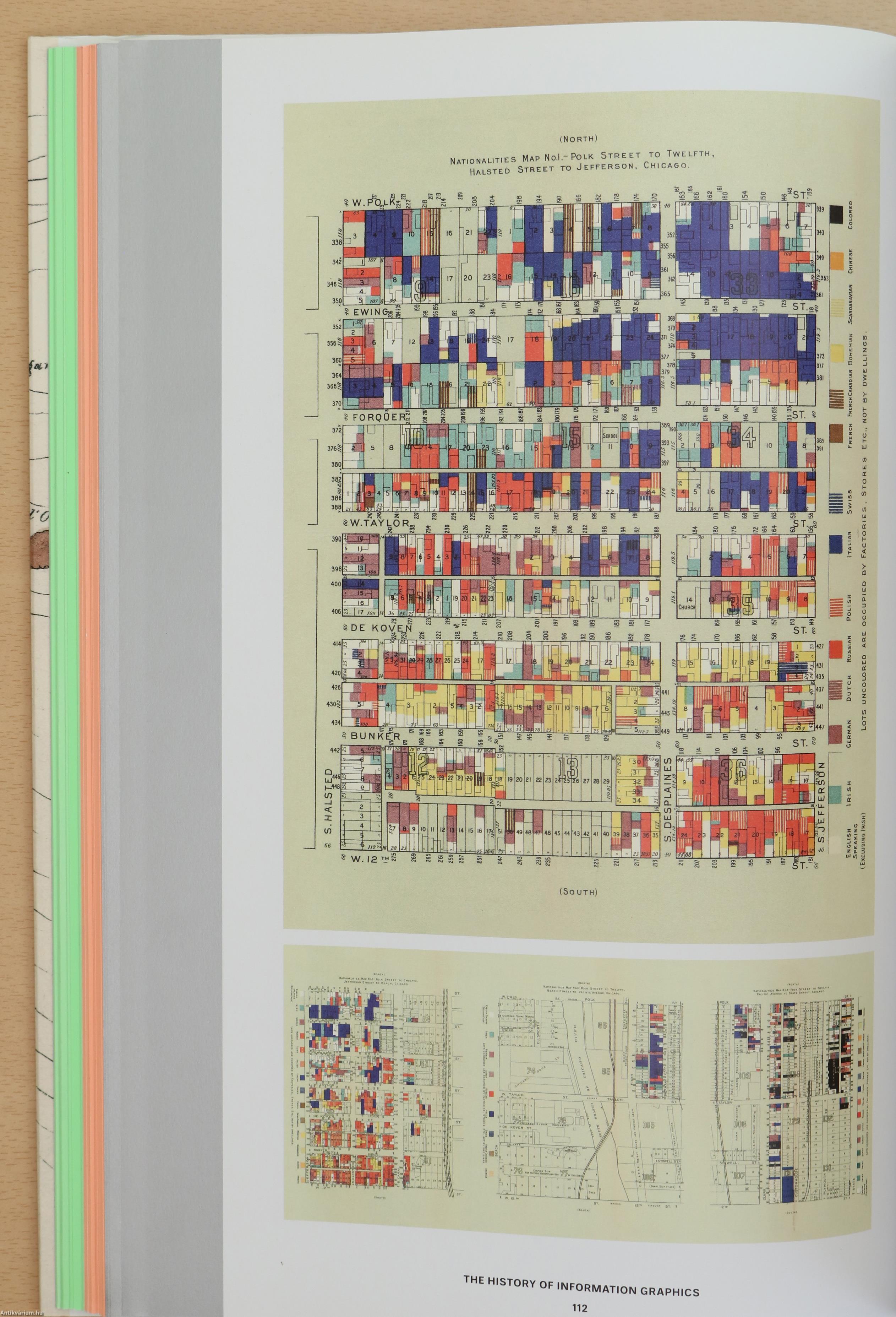
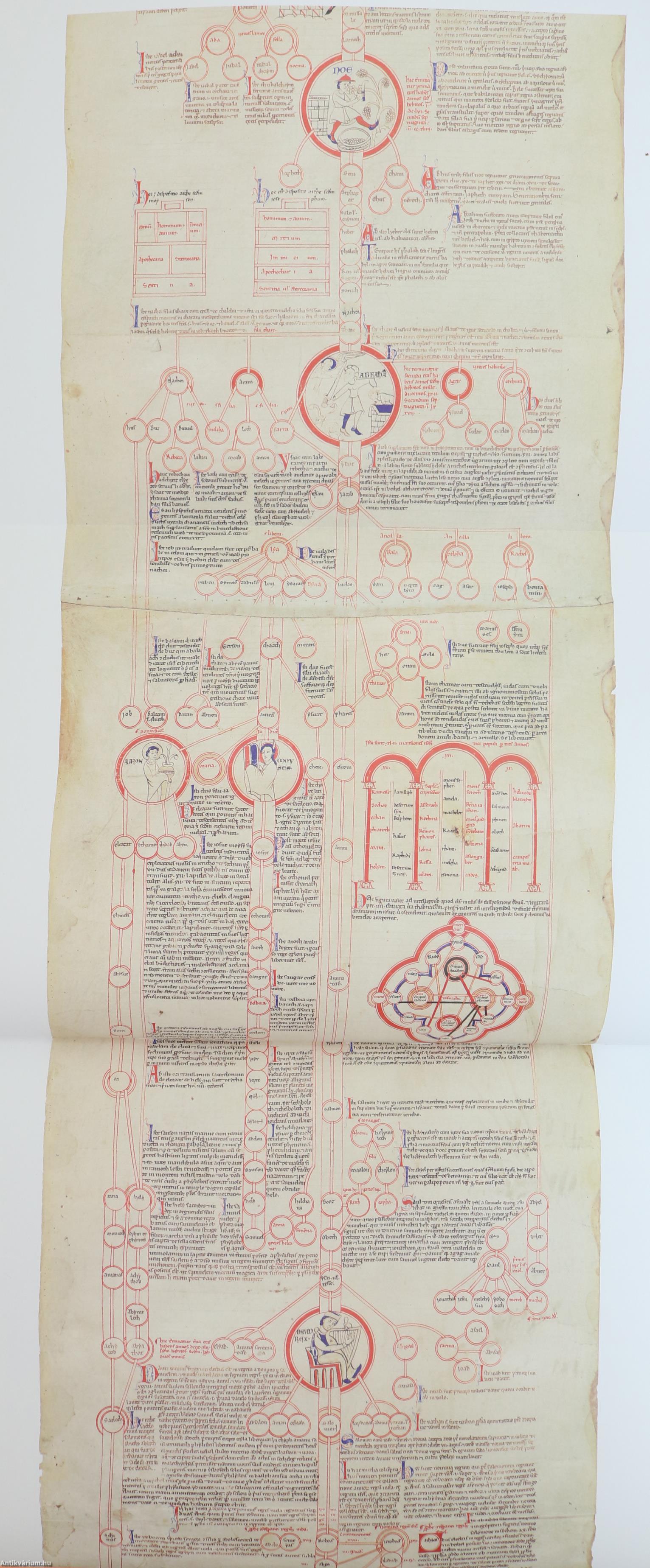
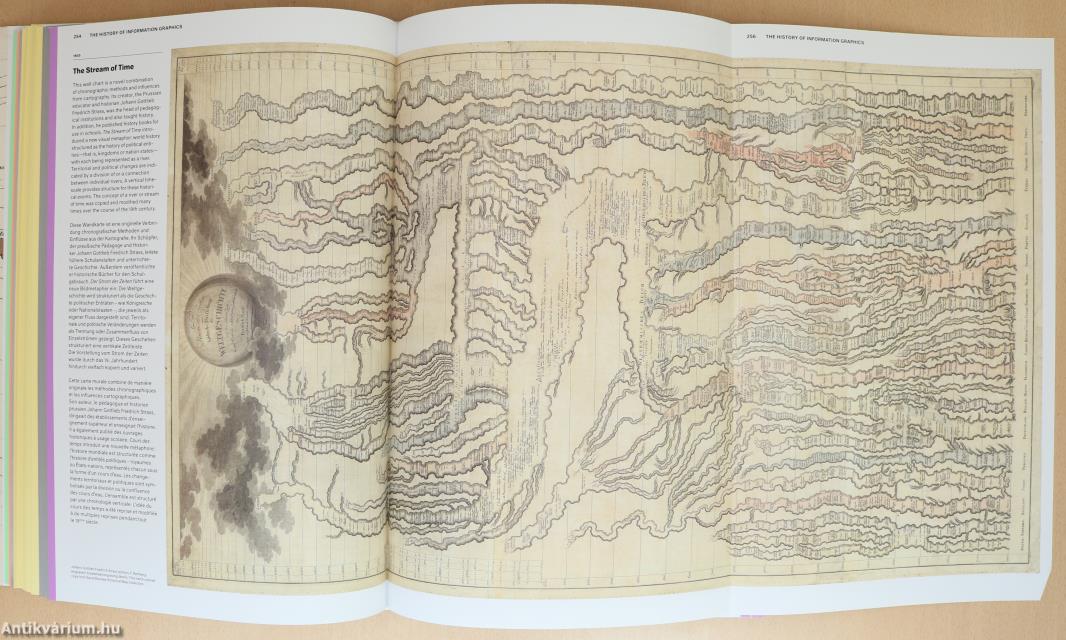
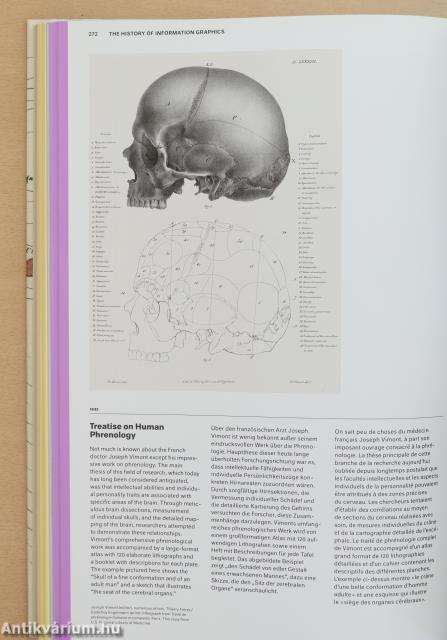
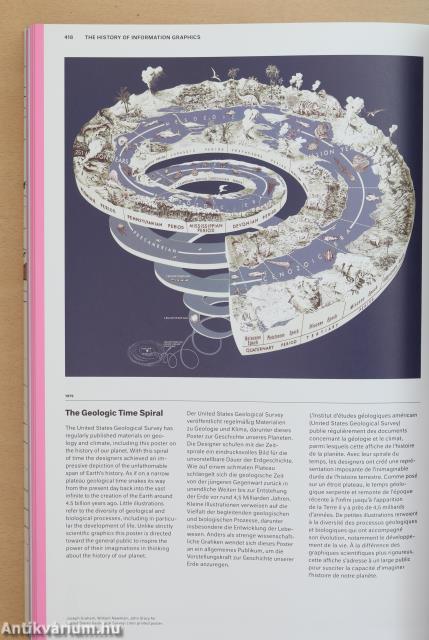
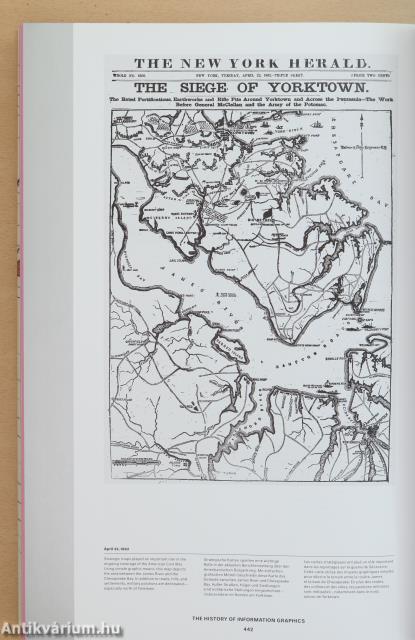
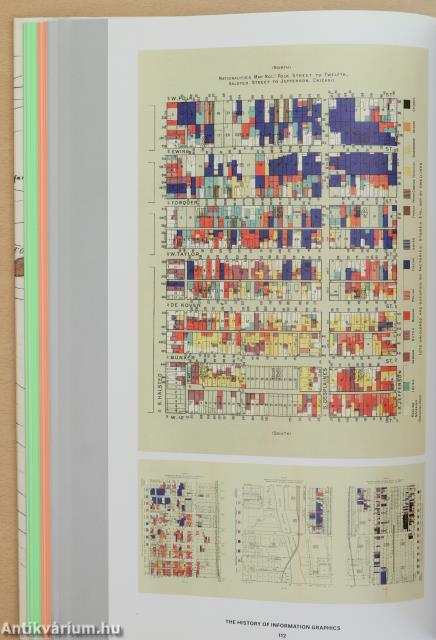
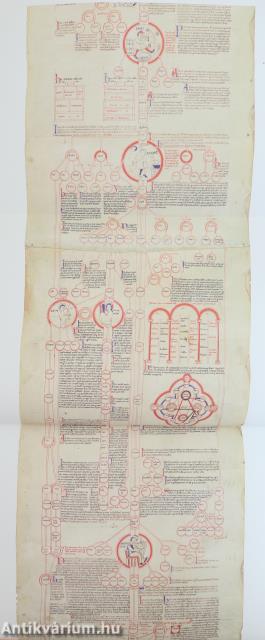
This far-reaching compendium now discovers the rich history of the infographic form, tracing its evolution from the Middle Ages right through to the digital era. Curated by Sandra Rendgen, the book offers an at once stunning and systematic overview of visual communication, gathering some 400 examples across astronomy, cartography, zoology, technology, and beyond. The collection is expansive in culture and geography, incorporating... Tovább
Fülszöveg
Data TrailsHistory of Information Graphics
In the age of big data and digital distribution, when news travel ever further and faster and media outlets compete for a fleeting slice of online attention, infographics have swept center stage. At once nuanced and neat, data graphics can distill abstract ideas, complex statistics, and cutting edge discoveries into succinct, compelling, and masterfus designs. Cartographers, programmers, designers, statisticians, scientists, and journalists are joining their expertise in visualizing complex knowledge.
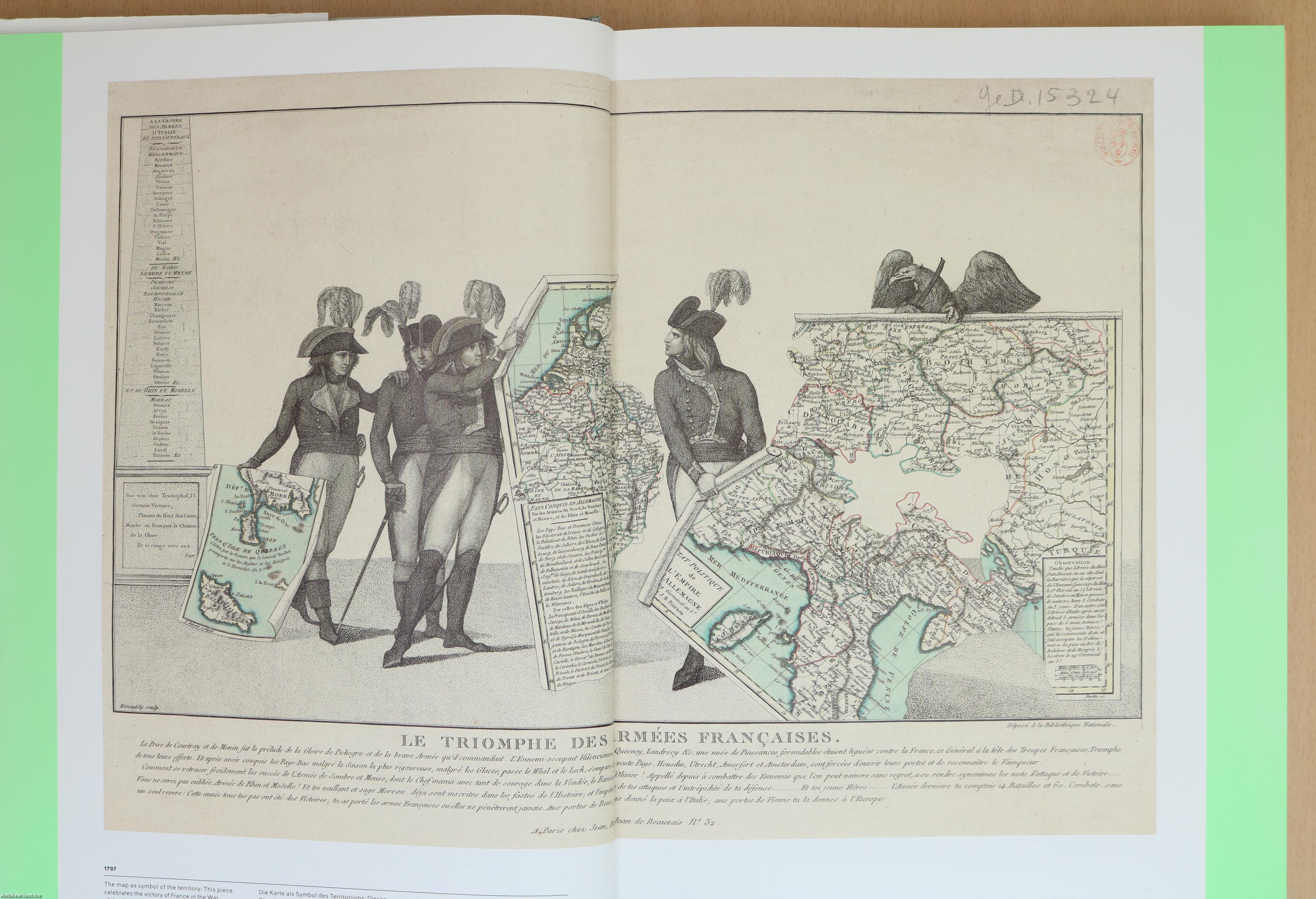
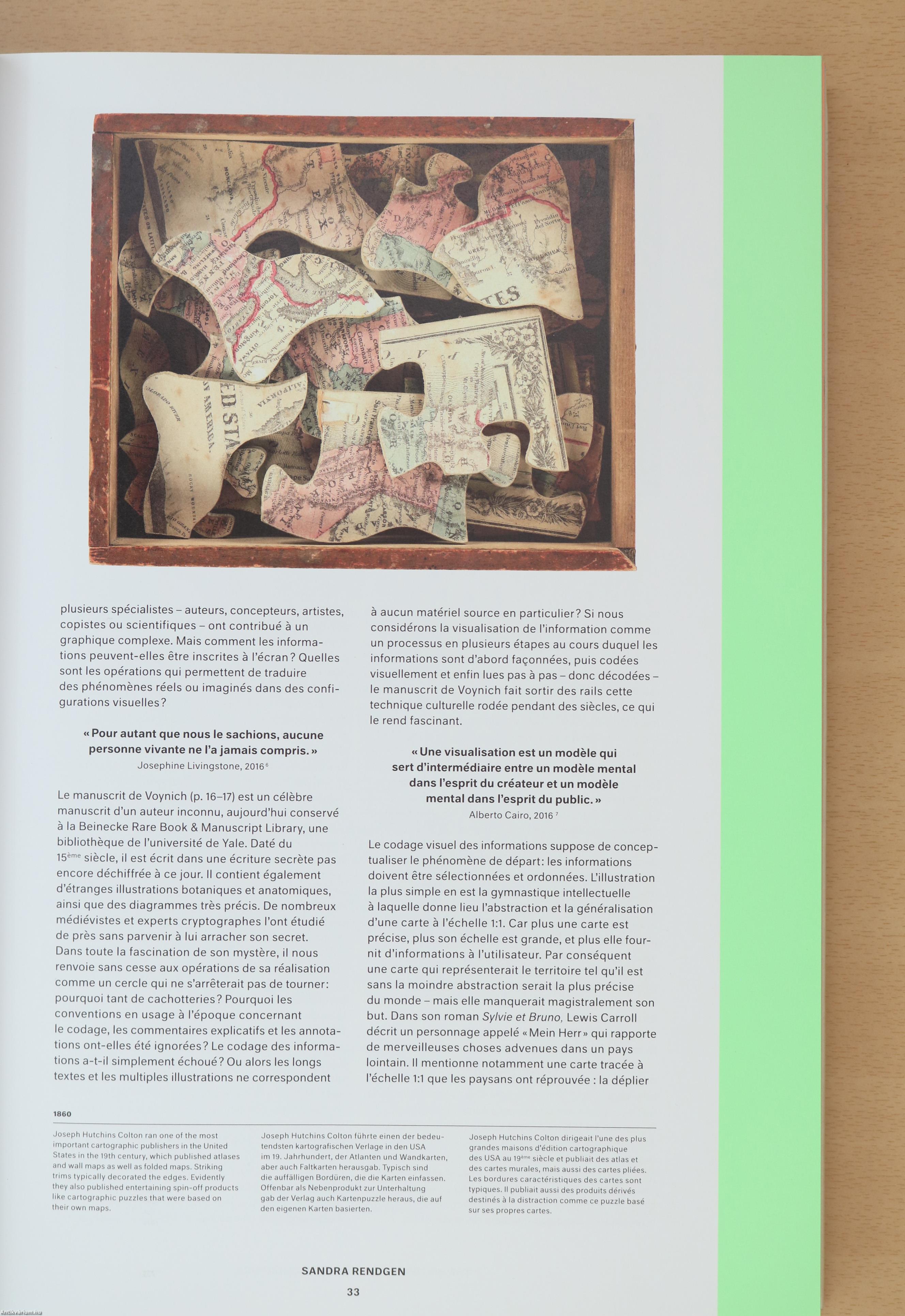
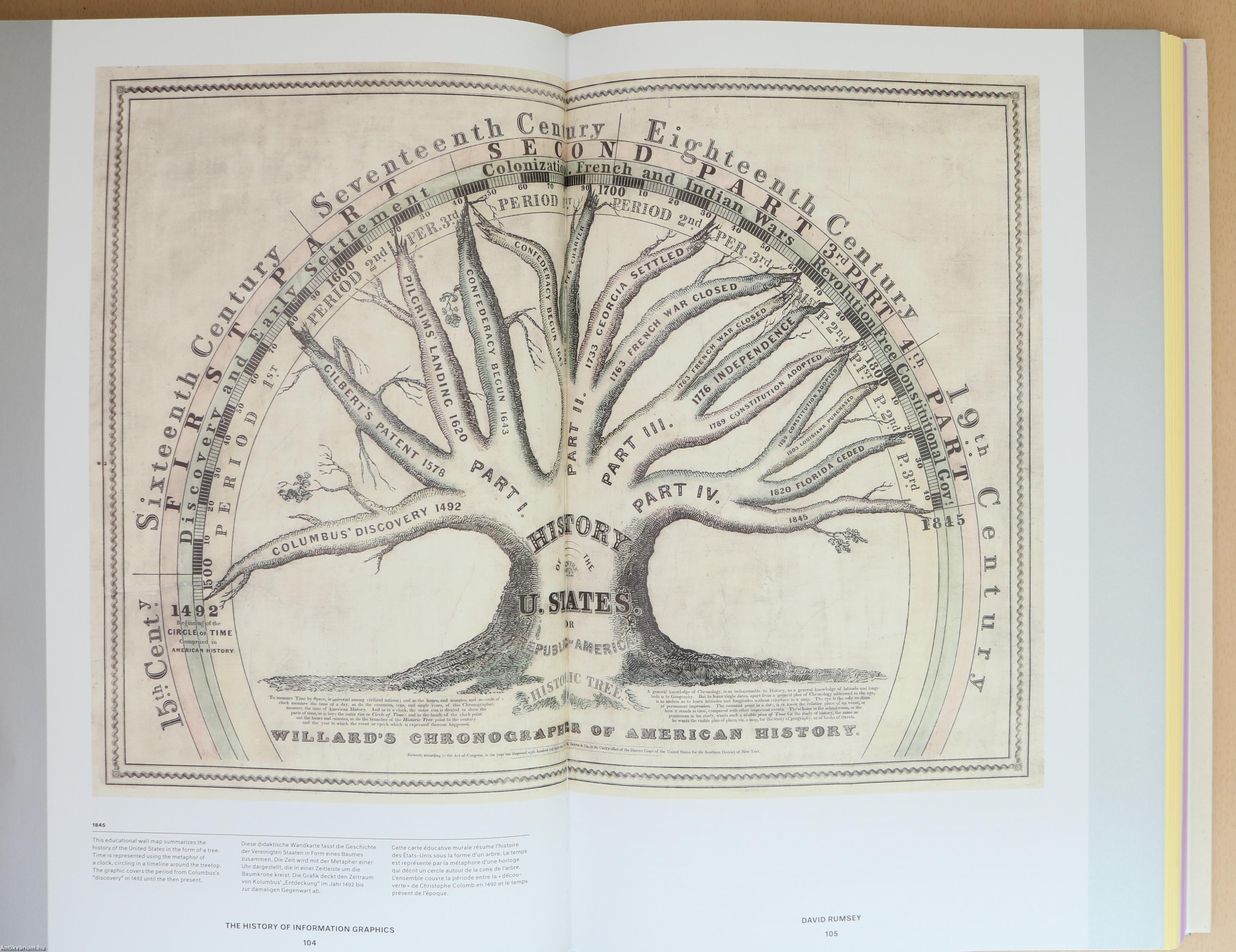
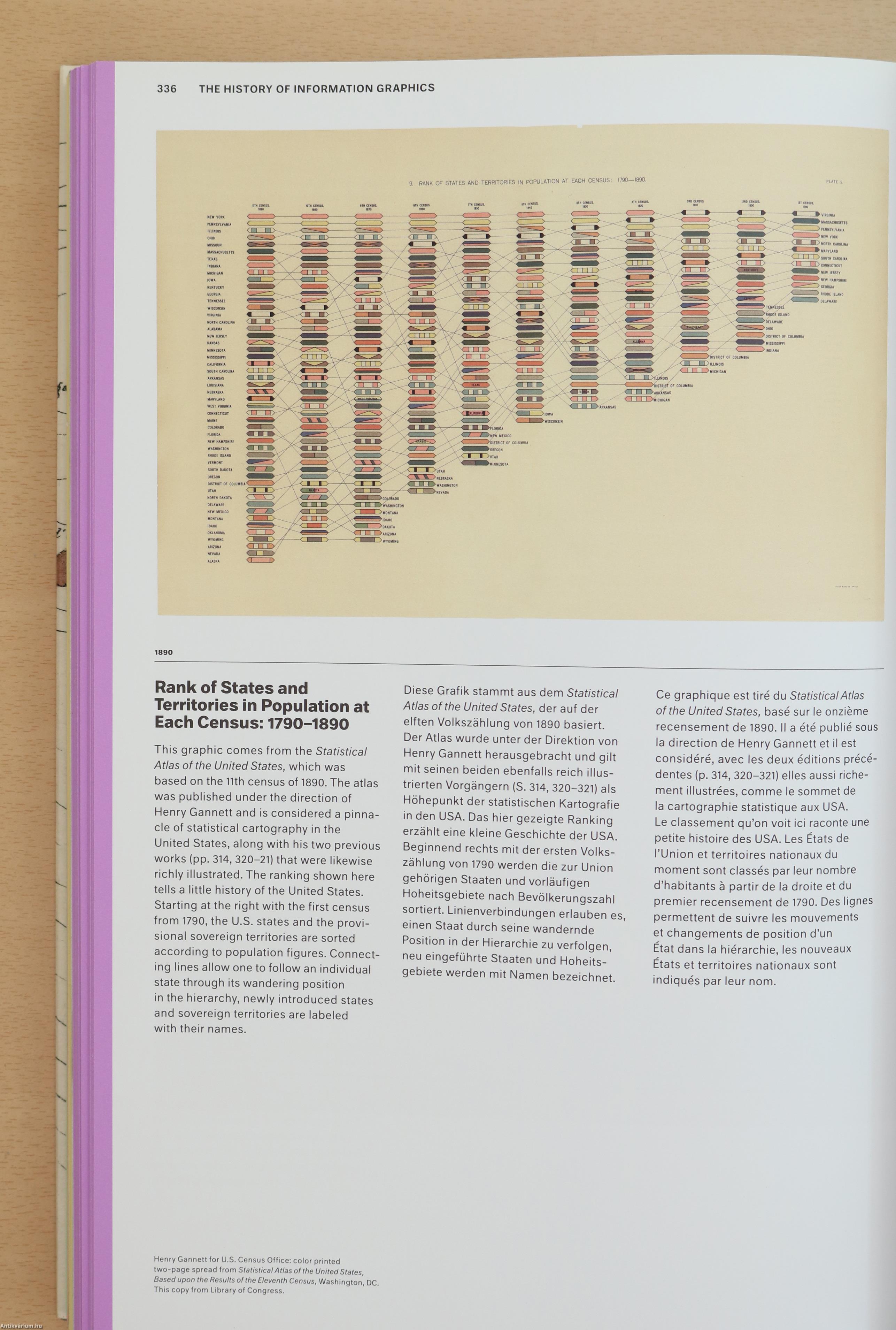
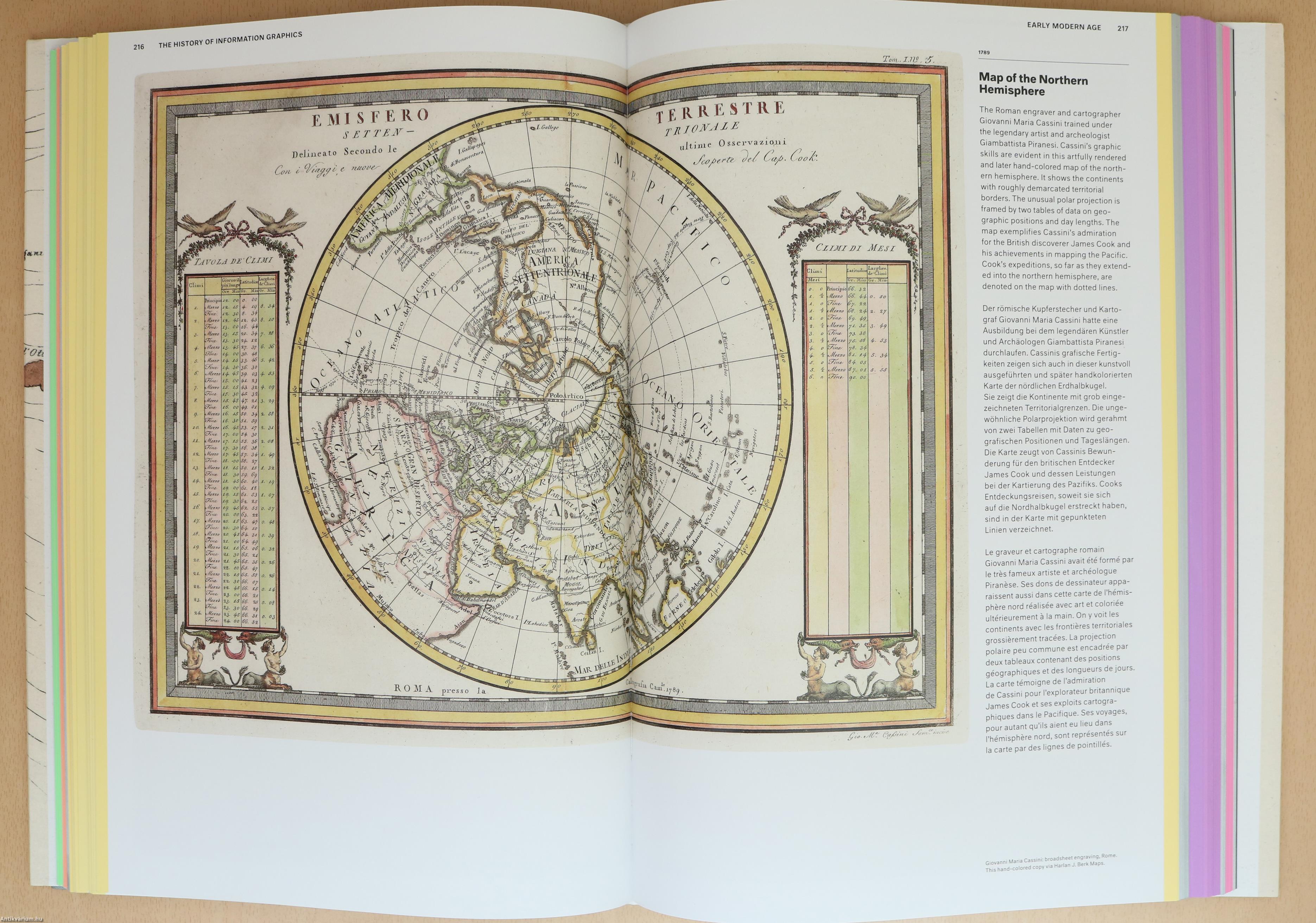
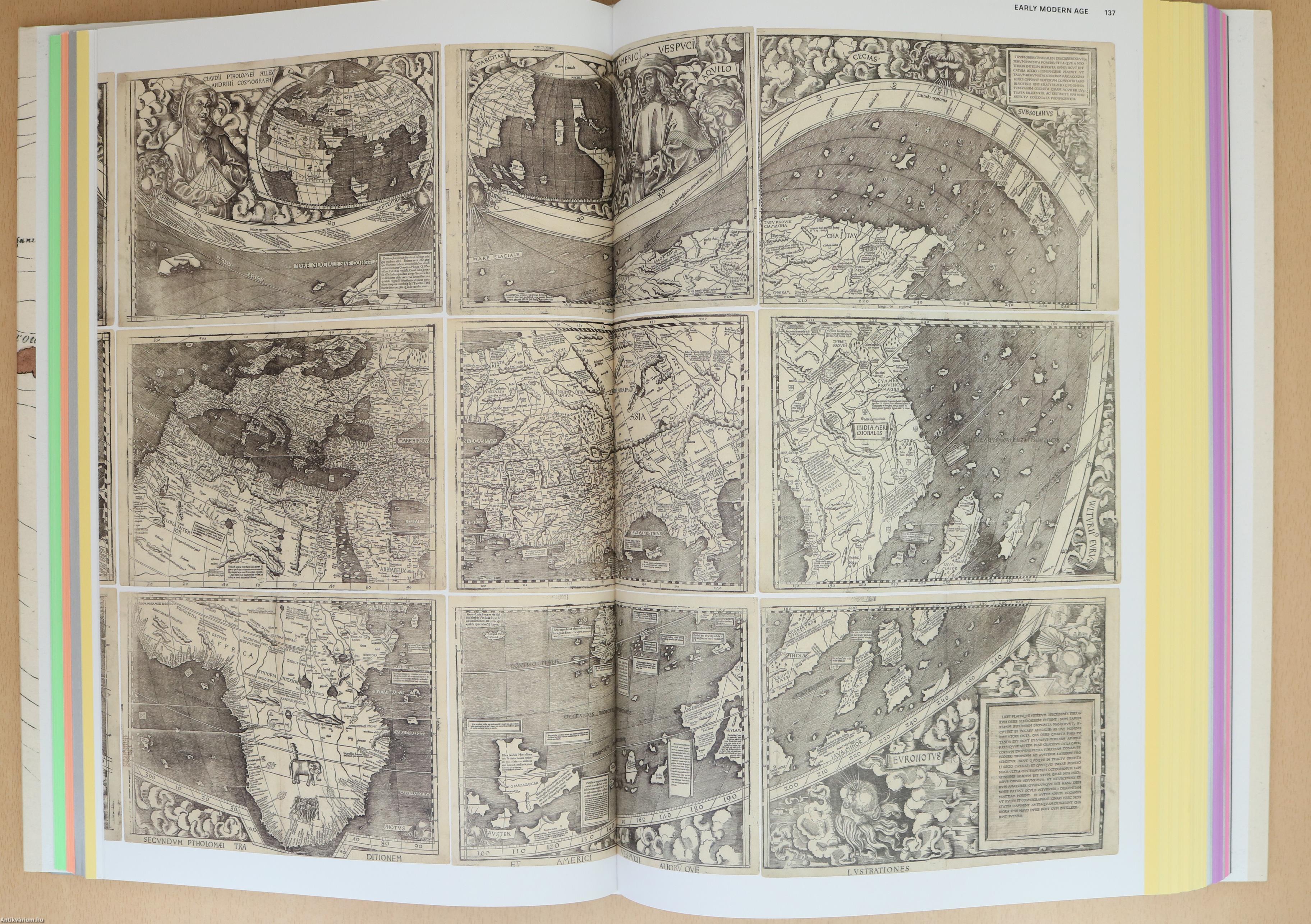
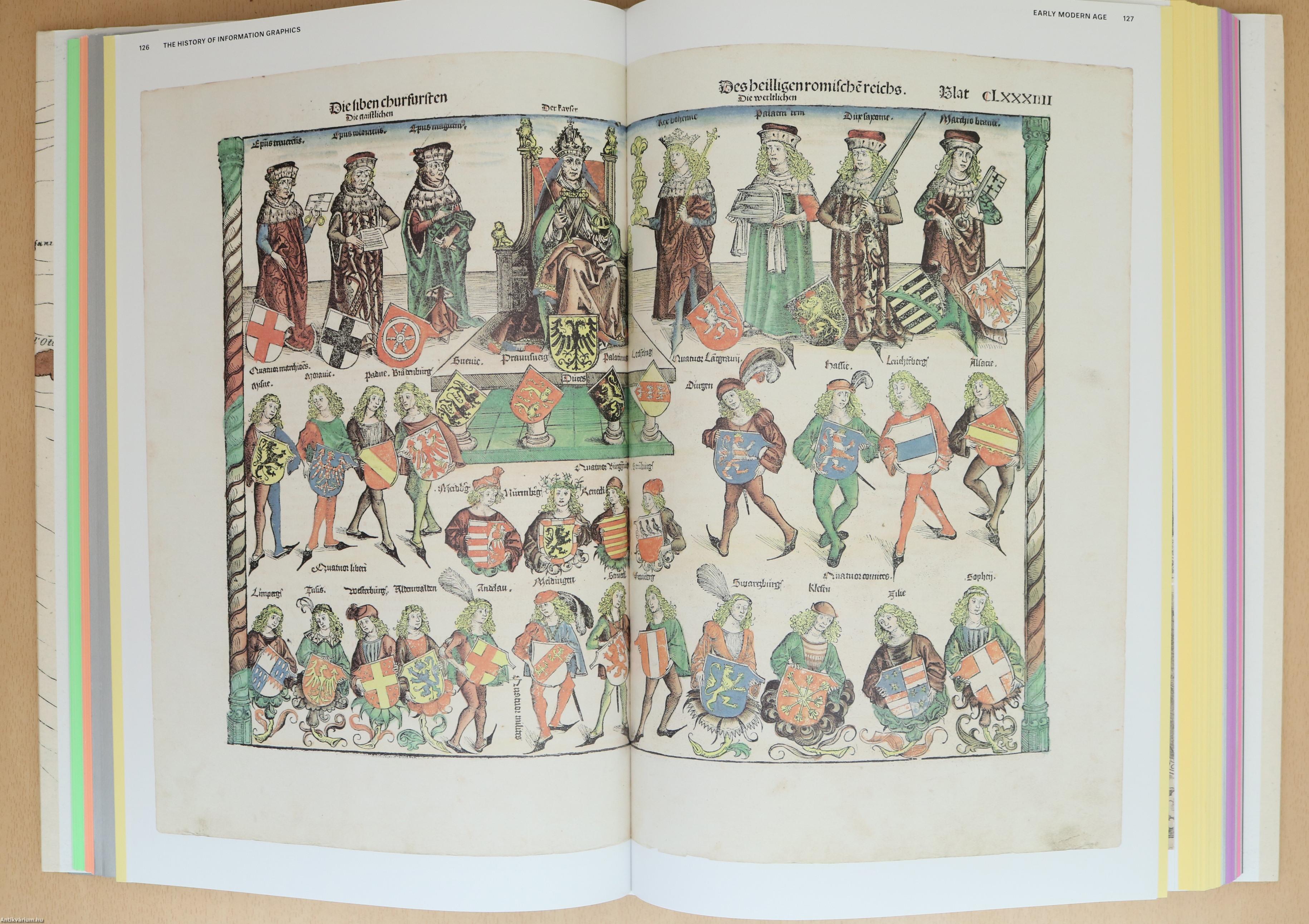
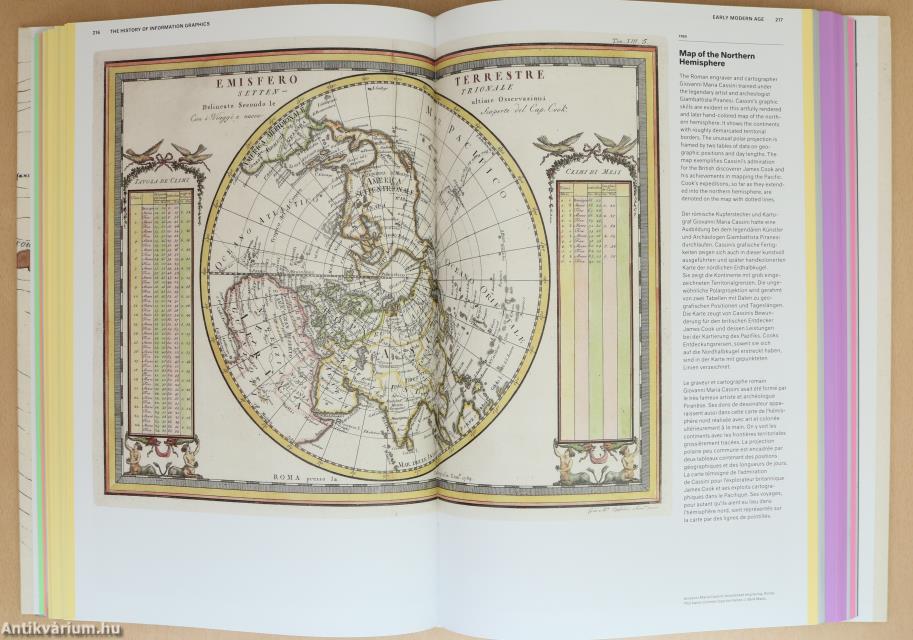
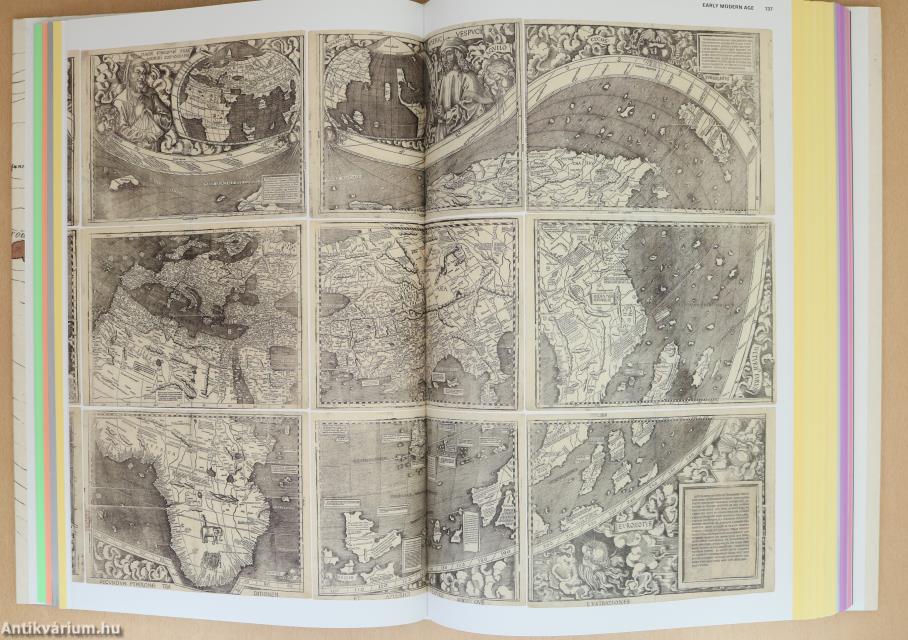
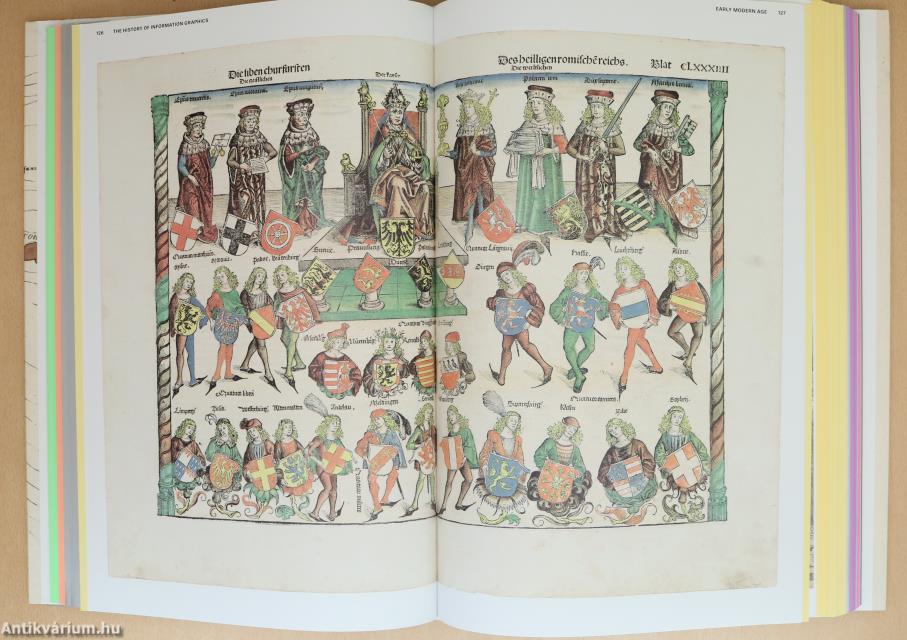
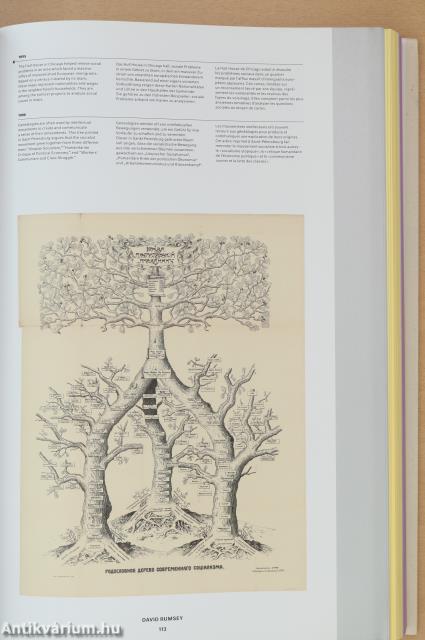
This far-reaching compendium now discovers the rich history of the infographic form, tracing its evolution from the Middle Ages right through to the digital era. Curated by Sandra Rendgen, the book offers an at once stunning and systematic overview of visual communication, gathering some 400 examples across astronomy, cartography, zoology, technology, and beyond. The collection is expansive in culture and geography, incorporating medieval manuscripts and parchment rolls, elaborate maps, splendid popular atlasses, and early computer-based information design. Highlights include Martin Waldseemüller's famous world map, Andreas Cellarius's cosmic charts, and Ernst Haeckel's meticulous nature studies, alongside many unknown treasures. The author's introductory essay and precise captions break down each work's historical context and the selection is framed by four chapters showcasing the special historical collection of infographic specialists David Rumsey, Michael Friendly, Michael Stoll, and Scott Klein. Vissza
Tartalom
Sandra Rendgen: Line, Color, Area, Symbol. 1200 Years of Visually Transferring Knowledge 4-40
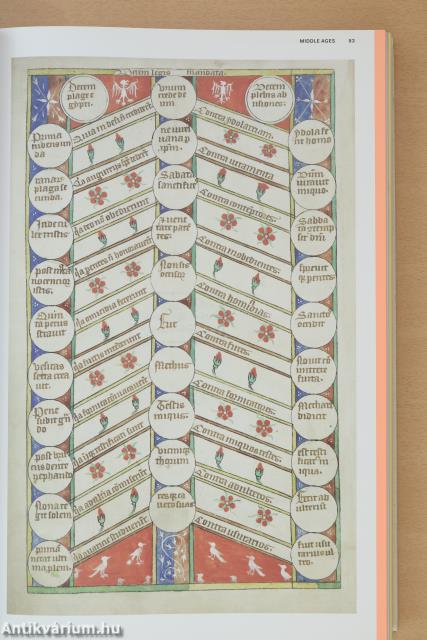
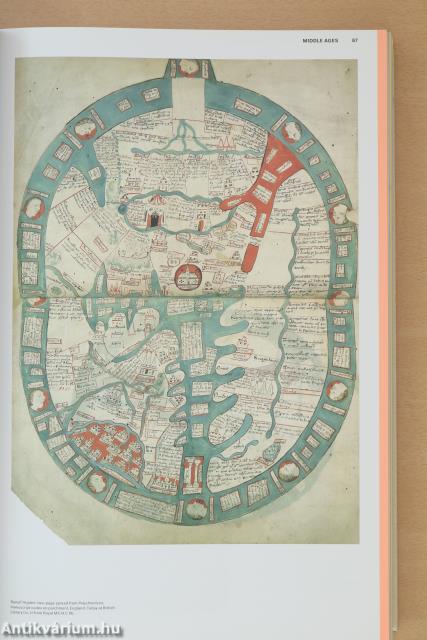
Middle Ages 41-96
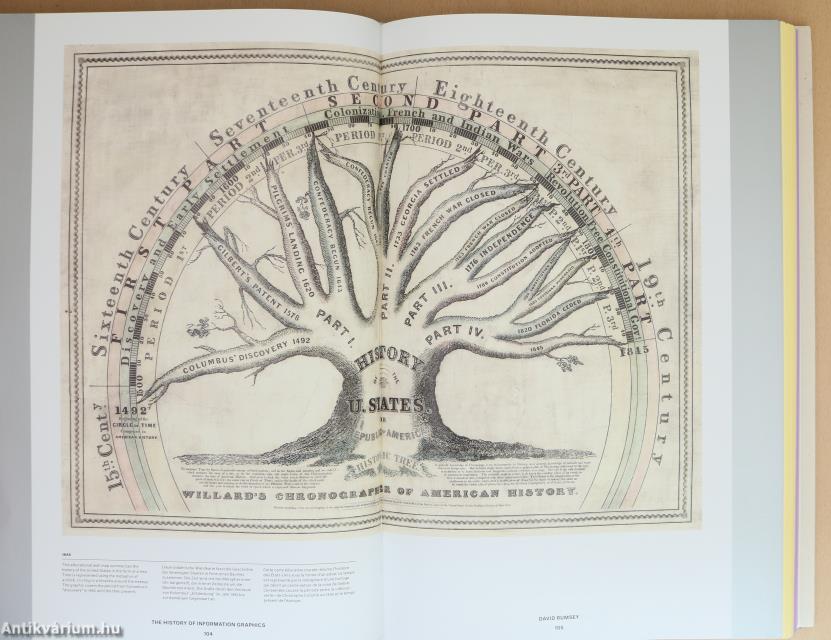
David Rumsey: Seeing Data through Maps 97-120
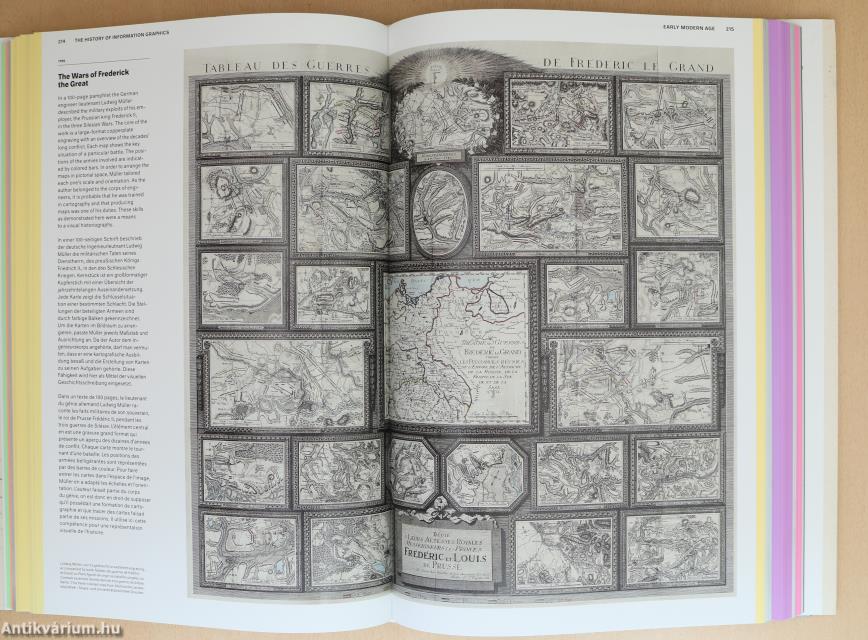
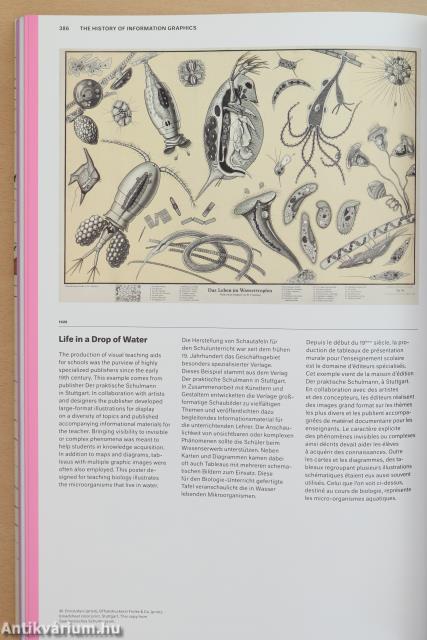
Early Modern Age 121-224
Michael Friendly: Mining Gems from the History of Data Visualization 225-248
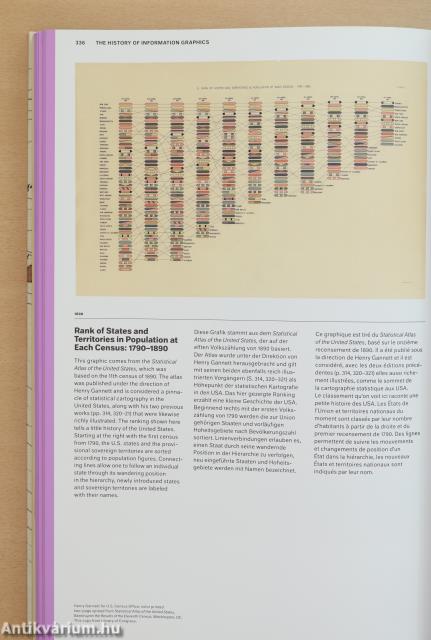
19th Century 249-342
Michael Stoll: Understanding Humans and Machines 343-366
20th Century 367-430
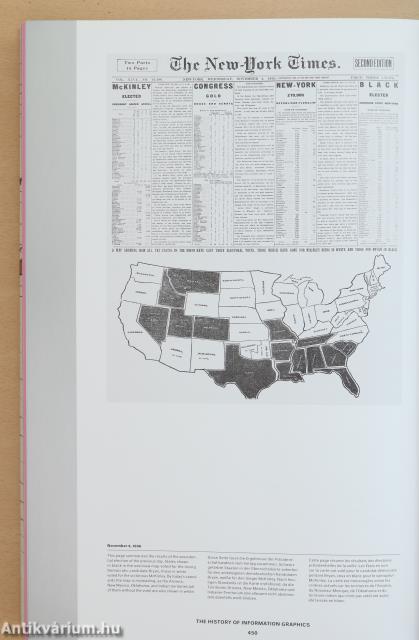
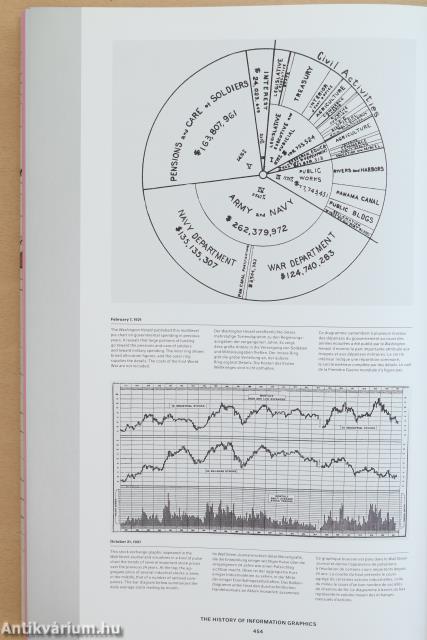
Scott Klein: The Forgotten Origins of News Infographics 431-454
Appendix 455-462
Megvásárolható példányok
Nincs megvásárolható példány
A könyv összes megrendelhető példánya elfogyott. Ha kívánja, előjegyezheti a könyvet, és amint a könyv egy újabb példánya elérhető lesz, értesítjük.
 Folytatás Microsoft-tal