
1.155.530
kiadvánnyal nyújtjuk Magyarország legnagyobb antikvár könyv-kínálatát

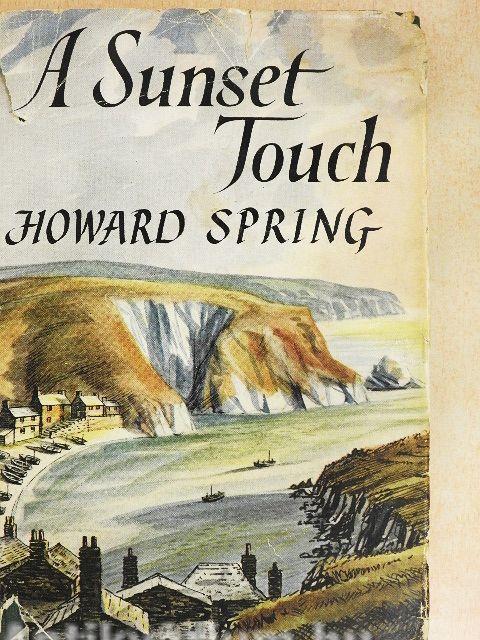
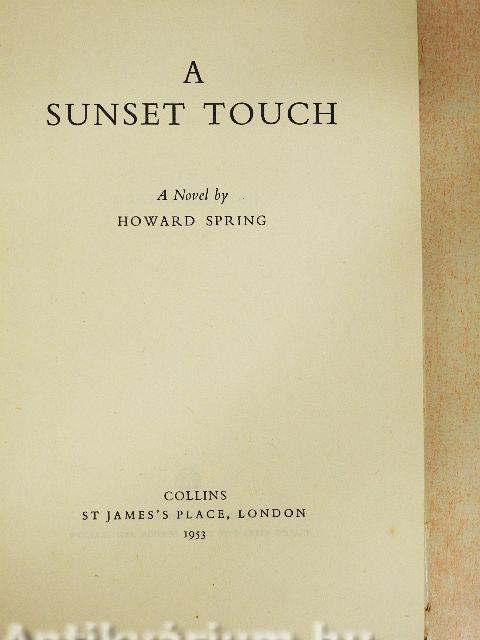
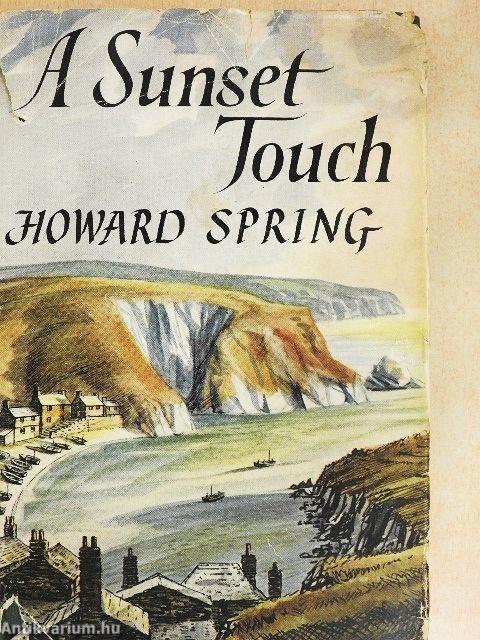
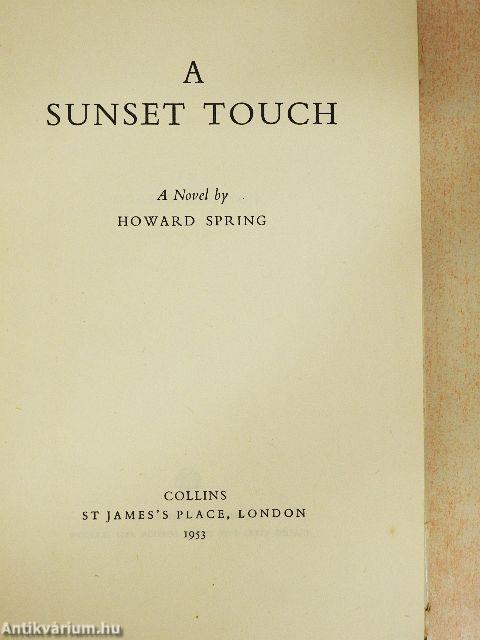
A Sunset Touch
London
| Kiadó: | Collins St. James's Place |
|---|---|
| Kiadás helye: | London |
| Kiadás éve: | |
| Kötés típusa: | Vászon |
| Oldalszám: | 256 oldal |
| Sorozatcím: | |
| Kötetszám: | |
| Nyelv: | Angol |
| Méret: | 20 cm x 14 cm |
| ISBN: | |
Értesítőt kérek a kiadóról
A beállítást mentettük,
naponta értesítjük a beérkező friss
kiadványokról
naponta értesítjük a beérkező friss
kiadványokról
A beállítást mentettük,
naponta értesítjük a beérkező friss
kiadványokról
naponta értesítjük a beérkező friss
kiadványokról
Előszó
Tovább
Fülszöveg
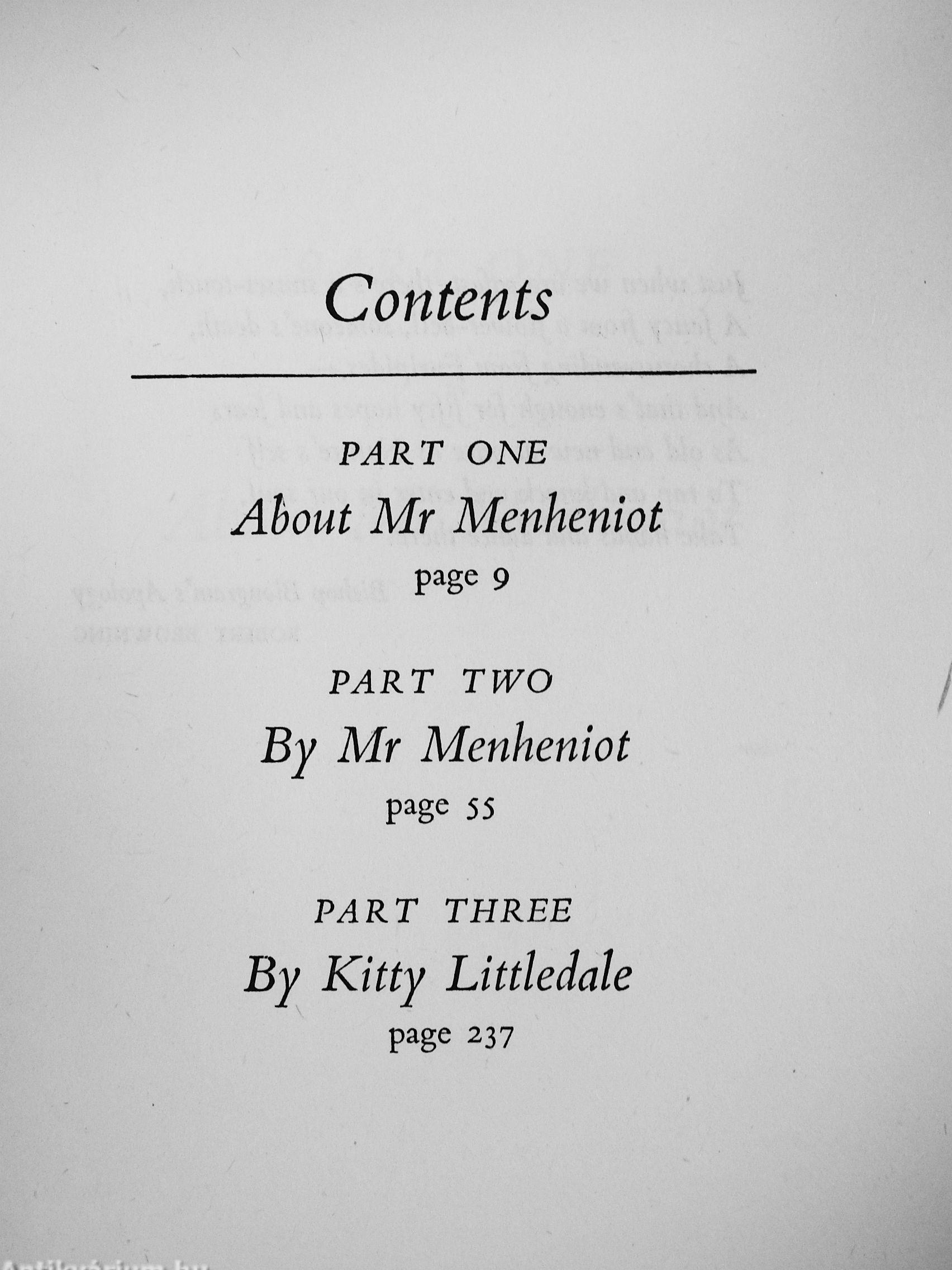
r. Menheniot, a middle-aged London bank clerk, knew himself to be a descendant—he thought the last—of a landed family that had lived for centuries in Cornwall. The estates had passed from their hands in the eighteenth century, and it was Menheniot's secret dream, which strengthened as he laboured throughout years in compiling the family record, that he might some day go back to Rosemullion, the Menheniots' seat, if only to end his days in one of the lodges.
What happens when such day-dreaming, by a fantastic chance, comes true ? That depends on many things. A Sunset Touch tells what happened to Mr. Menheniot. Not merely a lodge, but all that remained of the property became his, together with a considerable fortune. All that life had made of him, all that he had made of life, was put to a crucial test. The man who had shrunk from his fellows was hurled into their company. The man who had feared women found himself timidly pursuing one, ravenously pursued by another.
The Cornish... Tovább
Fülszöveg
r. Menheniot, a middle-aged London bank clerk, knew himself to be a descendant—he thought the last—of a landed family that had lived for centuries in Cornwall. The estates had passed from their hands in the eighteenth century, and it was Menheniot's secret dream, which strengthened as he laboured throughout years in compiling the family record, that he might some day go back to Rosemullion, the Menheniots' seat, if only to end his days in one of the lodges.
What happens when such day-dreaming, by a fantastic chance, comes true ? That depends on many things. A Sunset Touch tells what happened to Mr. Menheniot. Not merely a lodge, but all that remained of the property became his, together with a considerable fortune. All that life had made of him, all that he had made of life, was put to a crucial test. The man who had shrunk from his fellows was hurled into their company. The man who had feared women found himself timidly pursuing one, ravenously pursued by another.
The Cornish village that gives background to the story is uncontaminated by popular discovery. The people of this tiny place—a few houses sheltering in the crook of an arm of cliff —are clearly presented: and in Mr. Savage, the vicar, whose influence upon Menheniot's career was profound, the author has created a character who stands out in terrifying reality.
Jacket design by Harry Toothill
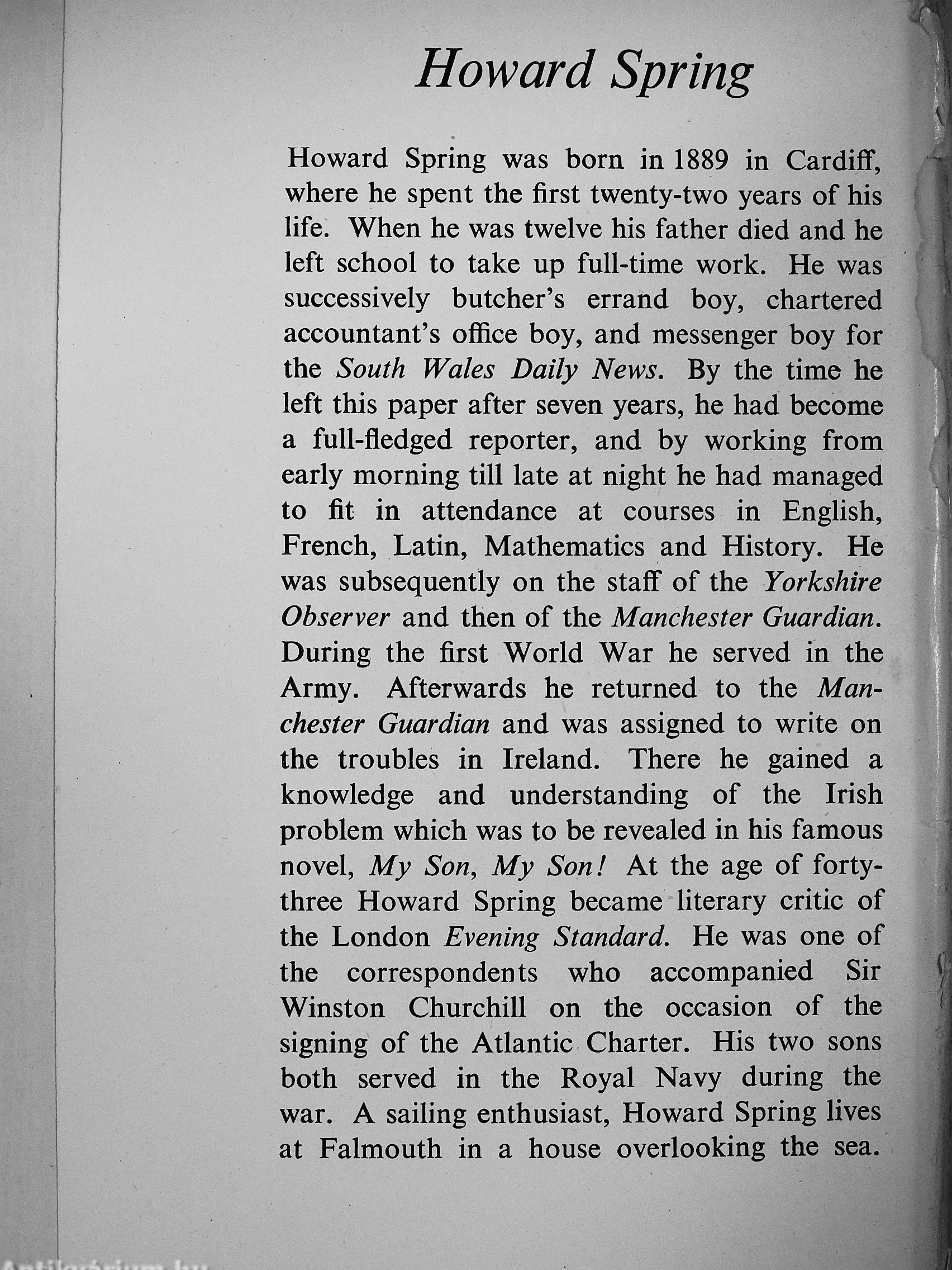
Howard Spring
Howard Spring was born in 1889 in Cardiff, where he spent the first twenty-two years of his life. When he was twelve his father died and he left school to take up full-time work. He was successively butcher's errand boy, chartered accountant's office boy, and messenger boy for the South Wales Daily News. By the time he left this paper after seven years, he had become a full-fledged reporter, and by working from early morning till late at night he had managed to fit in attendance at courses in EngUsh, French, Latin, Mathematics and History. He was subsequently on the staff of the Yorkshire Observer and then of the Manchester Guardian. During the first World War he served in the Army. Afterwards he returned to the Manchester Guardian and was assigned to write on the troubles in Ireland. There he gained a knowledge and understanding of the Irish problem which was to be revealed in his famous novel, My Son, My Son I At the age of forty-three Howard Spring became literary critic of the London Evening Standard. He was one of the correspondents who accompanied Sir Winston Churchill on the occasion of the signing of the Atlantic Charter. His two sons both served in the Royal Navy during the war. A saihng enthusiast, Howard Spring lives at Falmouth in a house overlooking the sea.
Y Vissza
Témakörök
- Idegennyelv > Idegennyelvű könyvek > Angol > Szépirodalom > Regény, novella, elbeszélés
- Szépirodalom > Regény, novella, elbeszélés > Az író származása szerint > Európa > Nagy-Britannia
- Szépirodalom > Regény, novella, elbeszélés > Tartalom szerint > Romantikus regények
- Szépirodalom > Regény, novella, elbeszélés > Tartalom szerint > Kor- és társadalomrajz
Howard Spring
Howard Spring műveinek az Antikvarium.hu-n kapható vagy előjegyezhető listáját itt tekintheti meg: Howard Spring könyvek, művekMegvásárolható példányok
Nincs megvásárolható példány
A könyv összes megrendelhető példánya elfogyott. Ha kívánja, előjegyezheti a könyvet, és amint a könyv egy újabb példánya elérhető lesz, értesítjük.
 Folytatás Microsoft-tal