
1.150.571
kiadvánnyal nyújtjuk Magyarország legnagyobb antikvár könyv-kínálatát

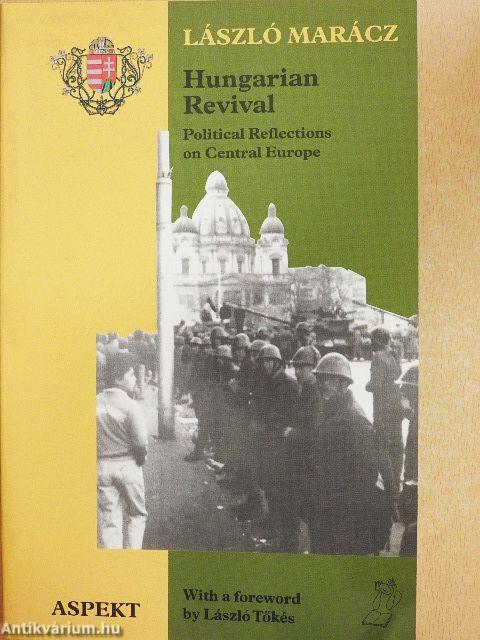
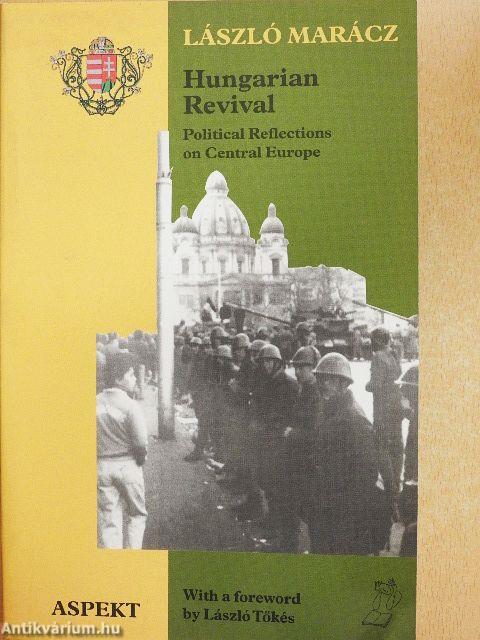
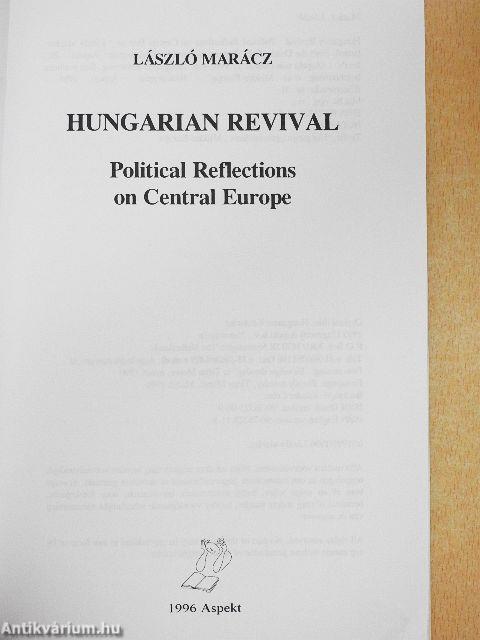
Hungarian Revival
Political Reflections on Central Europe
Nieuwegein
| Kiadó: | Aspekt |
|---|---|
| Kiadás helye: | Nieuwegein |
| Kiadás éve: | |
| Kötés típusa: | Ragasztott papírkötés |
| Oldalszám: | 362 oldal |
| Sorozatcím: | Aspekt non-fiction |
| Kötetszám: | 2 |
| Nyelv: | Angol |
| Méret: | 22 cm x 14 cm |
| ISBN: | 90-75323-11-5 |
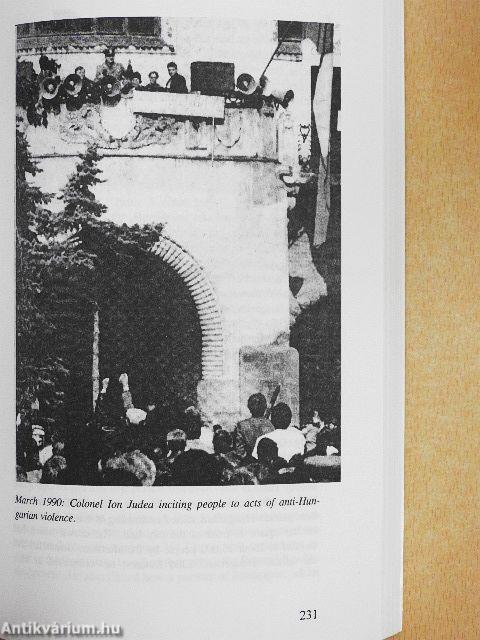
| Megjegyzés: | Fekete-fehér fotókkal. |
Értesítőt kérek a kiadóról
Értesítőt kérek a sorozatról
A beállítást mentettük,
naponta értesítjük a beérkező friss
kiadványokról
naponta értesítjük a beérkező friss
kiadványokról
A beállítást mentettük,
naponta értesítjük a beérkező friss
kiadványokról
naponta értesítjük a beérkező friss
kiadványokról
Előszó
Tovább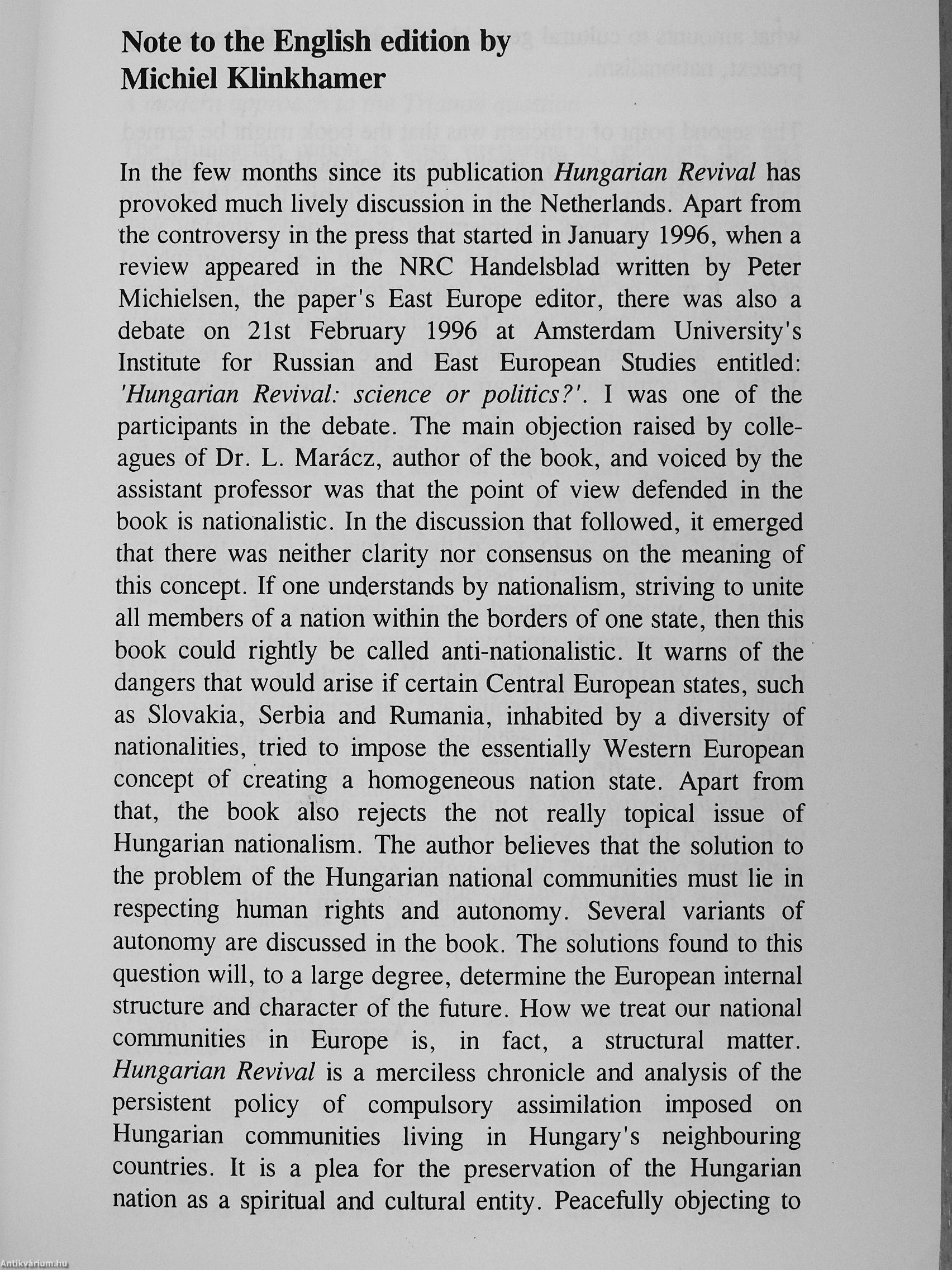
Fülszöveg
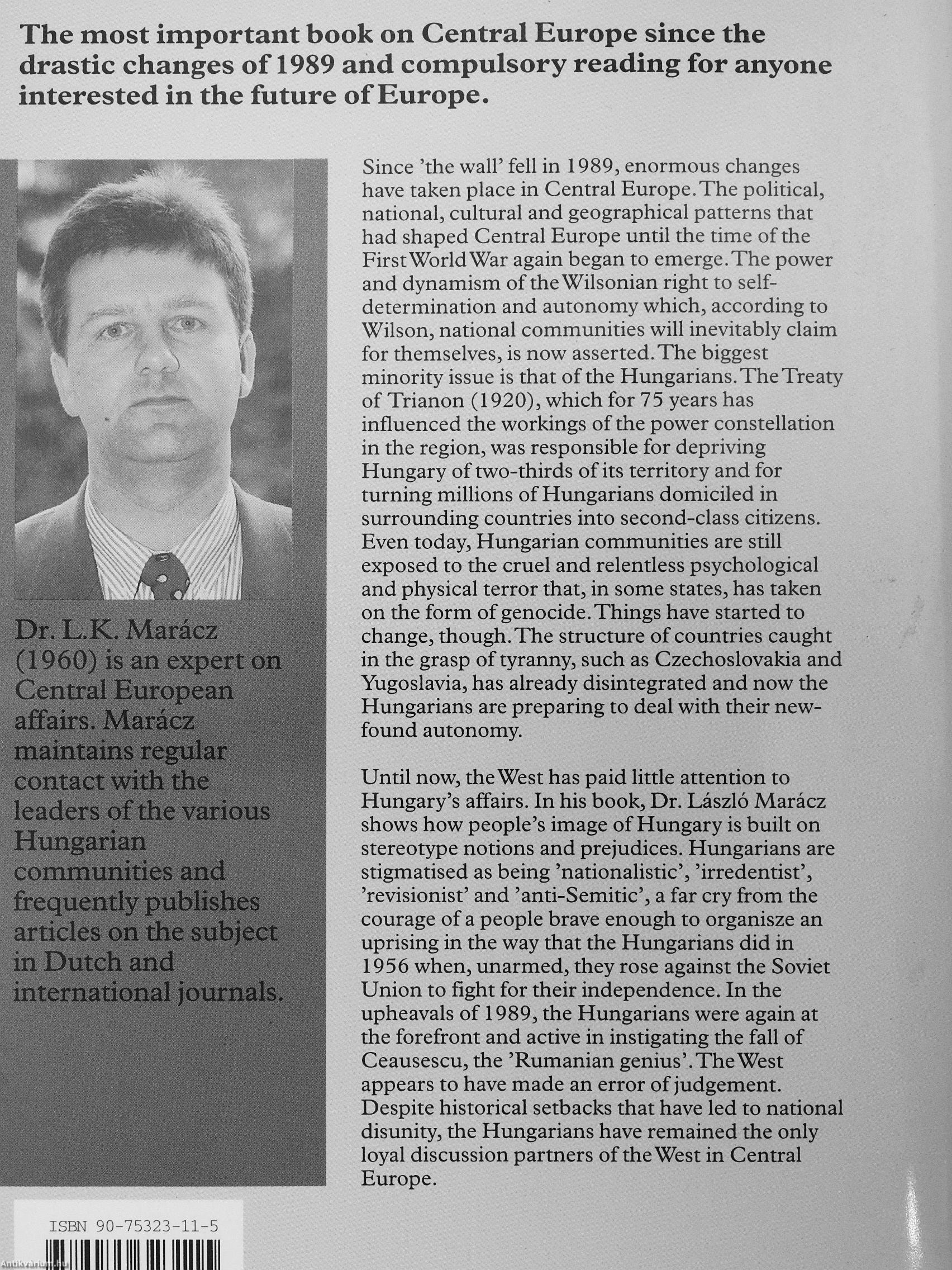
The most important book on Central Europe since the drastic changes of 1989 and compulsory reading for anyone interested in the future of Europe.
Dr. L.K. Maracz (1960) is an expert on Central European affairs. Maracz maintains regular contact with the leaders of the various Hungarian communities and frequently publishes articles on the subject in Dutch and international journals.
Since 'the wall' fell in 1989, enormous changes have taken place in Central Europe.The political, national, cultural and geographical patterns that had shaped Central Europe until the time of the First World War again began to emerge.The power and dynamism of the Wilsonian right to self-determination and autonomy which, according to Wilson, national communities will inevitably claim for themselves, is now asserted. The biggest minority issue is that of the Hungarians. The Treaty of Trianon (1920), which for 75 years has influenced the workings of the power constellation in the region, was responsible... Tovább
Fülszöveg
The most important book on Central Europe since the drastic changes of 1989 and compulsory reading for anyone interested in the future of Europe.
Dr. L.K. Maracz (1960) is an expert on Central European affairs. Maracz maintains regular contact with the leaders of the various Hungarian communities and frequently publishes articles on the subject in Dutch and international journals.
Since 'the wall' fell in 1989, enormous changes have taken place in Central Europe.The political, national, cultural and geographical patterns that had shaped Central Europe until the time of the First World War again began to emerge.The power and dynamism of the Wilsonian right to self-determination and autonomy which, according to Wilson, national communities will inevitably claim for themselves, is now asserted. The biggest minority issue is that of the Hungarians. The Treaty of Trianon (1920), which for 75 years has influenced the workings of the power constellation in the region, was responsible for depriving Hungary of two-thirds of its territory and for turning millions of Hungarians domiciled in surrounding countries into second-class citizens. Even today, Hungarian communities are still exposed to the cruel and relentless psychological and physical terror that, in some states, has taken on the form of genocide. Things have started to change, though. The structure of countries caught in the grasp of tyranny, such as Czechoslovakia and Yugoslavia, has already disintegrated and now the Hungarians are preparing to deal with their newfound autonomy.
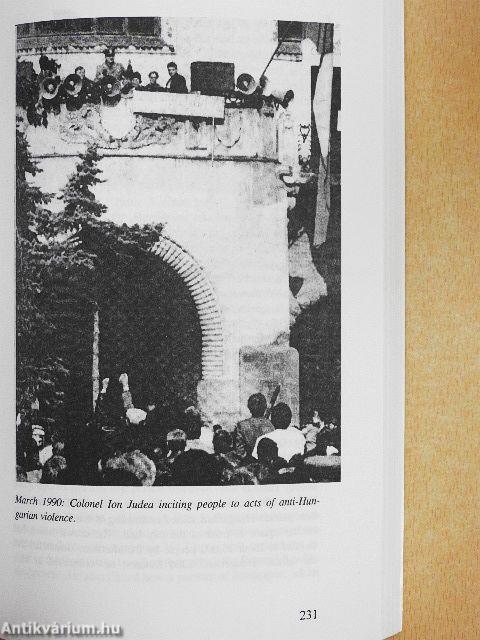
Until now, the West has paid little attention to Hungary's affairs. In his book. Dr. László Marácz shows how people's image of Hungary is built on stereotype notions and prejudices. Hungarians are stigmatised as being 'nationalistic', 'irredentist', 'revisionist' and 'anti-Semitic', a far cry from the courage of a people brave enough to organisze an uprising in the way that the Hungarians did in 1956 when, unarmed, they rose against the Soviet Union to fight for their independence. In the upheavals of 1989, the Hungarians were again at the forefront and active in instigating the fall of Ceausescu, the 'Rumanian genius'.The West appears to have made an error of judgement. Despite historical setbacks that have led to national disunity, the Hungarians have remained the only loyal discussion partners of the West in Central Europe.
ISBN 90-75323-11-5
9789075323115 Vissza
Témakörök
- Történelem > Társadalomelmélet
- Idegennyelv > Idegennyelvű könyvek > Angol > Művelődéstörténet
- Idegennyelv > Idegennyelvű könyvek > Angol > Történelem > Európa története > Magyarország története
- Művelődéstörténet > Eszmetörténet > Történelem > Politika
- Történelem > Idegennyelvű > Angol
- Történelem > Politika > Külpolitika > Diplomácia
- Történelem > Politika > Belpolitika > Kisebbségi kérdés
- Történelem > Magyarország története és személyiségei > Magyarország a XX. században > A II. világháború utáni Magyarország > A rendszerváltás utáni Magyarország > Belpolitika
- Történelem > Magyarország története és személyiségei > Magyarország a XX. században > A II. világháború utáni Magyarország > A rendszerváltás utáni Magyarország > Külpolitika
- Történelem > Magyarország története és személyiségei > Magyarország a XX. században > A határon túli magyarság története
- Történelem > Politika > Politikai rendszerek
- Történelem > Tanulmányok
Megvásárolható példányok
Állapotfotók
Állapot:
Jó
5.980 ,-Ft
30
pont kapható
Kosárba
 Folytatás Microsoft-tal