
1.137.419
kiadvánnyal nyújtjuk Magyarország legnagyobb antikvár könyv-kínálatát

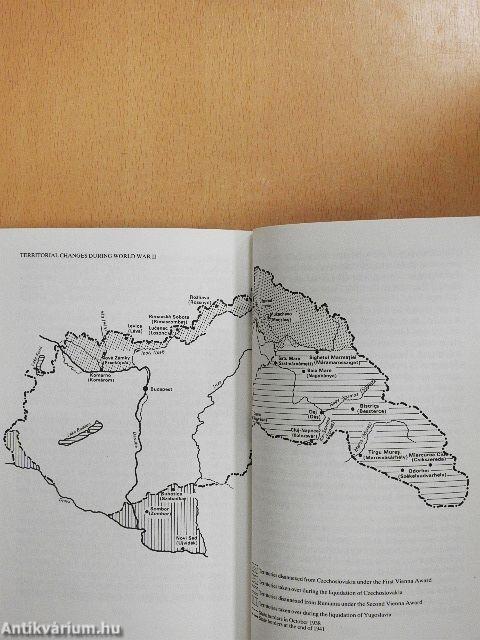
Hungary - A Brief History


Budapest
| Kiadó: | Corvina Books Ltd. |
|---|---|
| Kiadás helye: | Budapest |
| Kiadás éve: | |
| Kötés típusa: | Ragasztott papírkötés |
| Oldalszám: | 247 oldal |
| Sorozatcím: | |
| Kötetszám: | |
| Nyelv: | Angol |
| Méret: | 18 cm x 12 cm |
| ISBN: | 963-13-4094-5 |
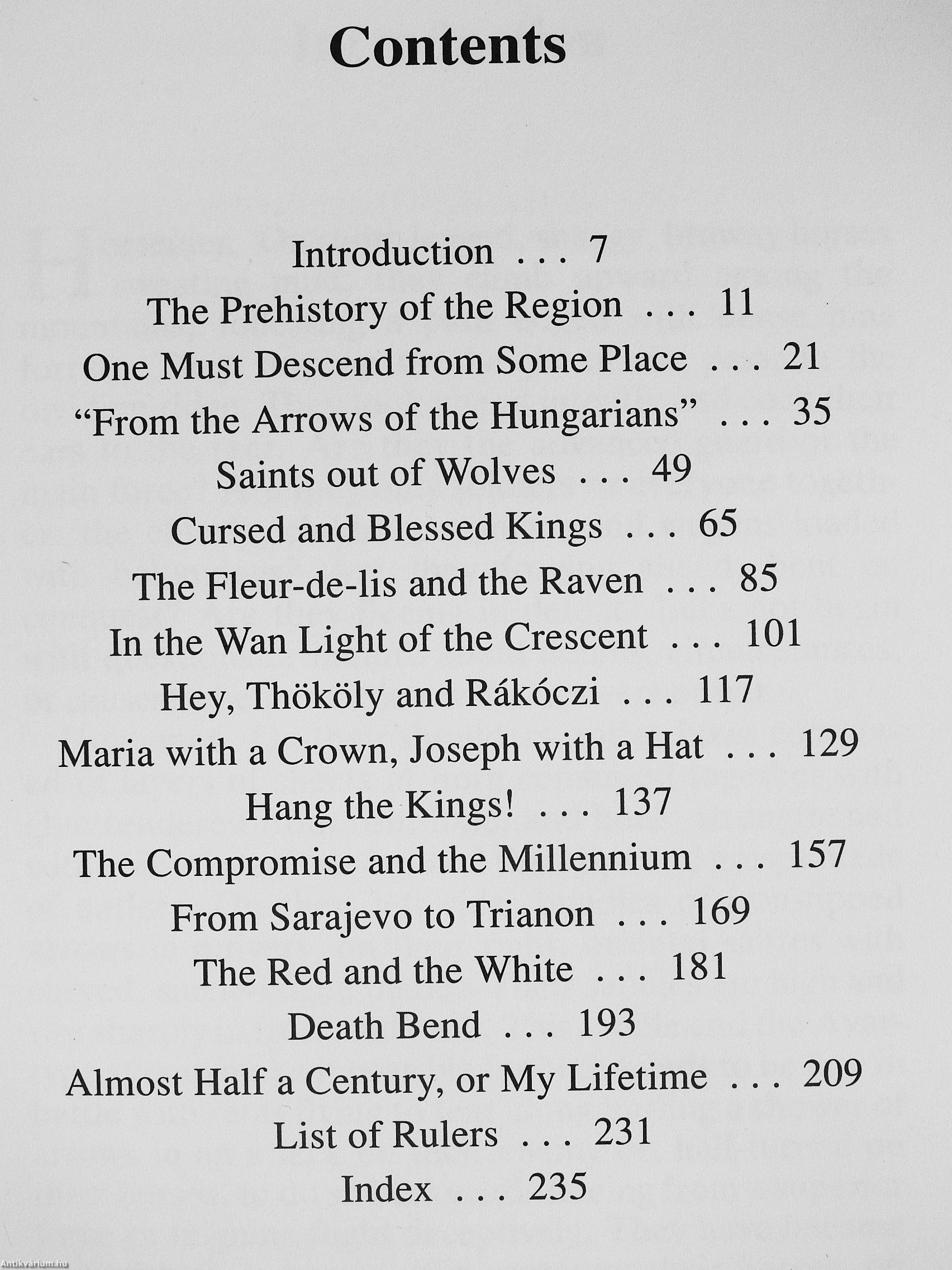
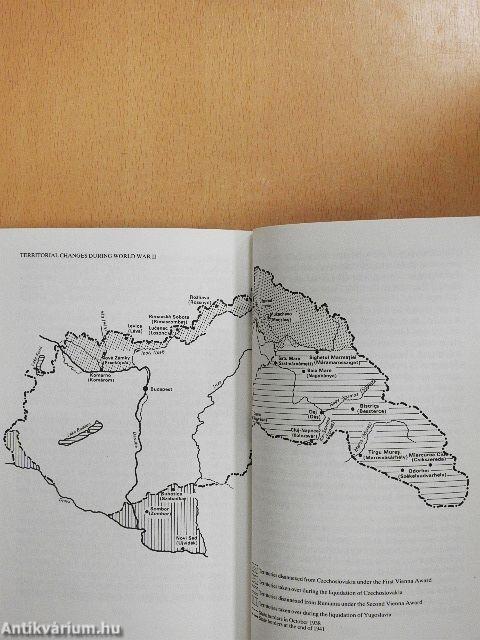
| Megjegyzés: | Fekete-fehér térképekkel. |
Értesítőt kérek a kiadóról
A beállítást mentettük,
naponta értesítjük a beérkező friss
kiadványokról
naponta értesítjük a beérkező friss
kiadványokról
A beállítást mentettük,
naponta értesítjük a beérkező friss
kiadványokról
naponta értesítjük a beérkező friss
kiadványokról
Előszó
Tovább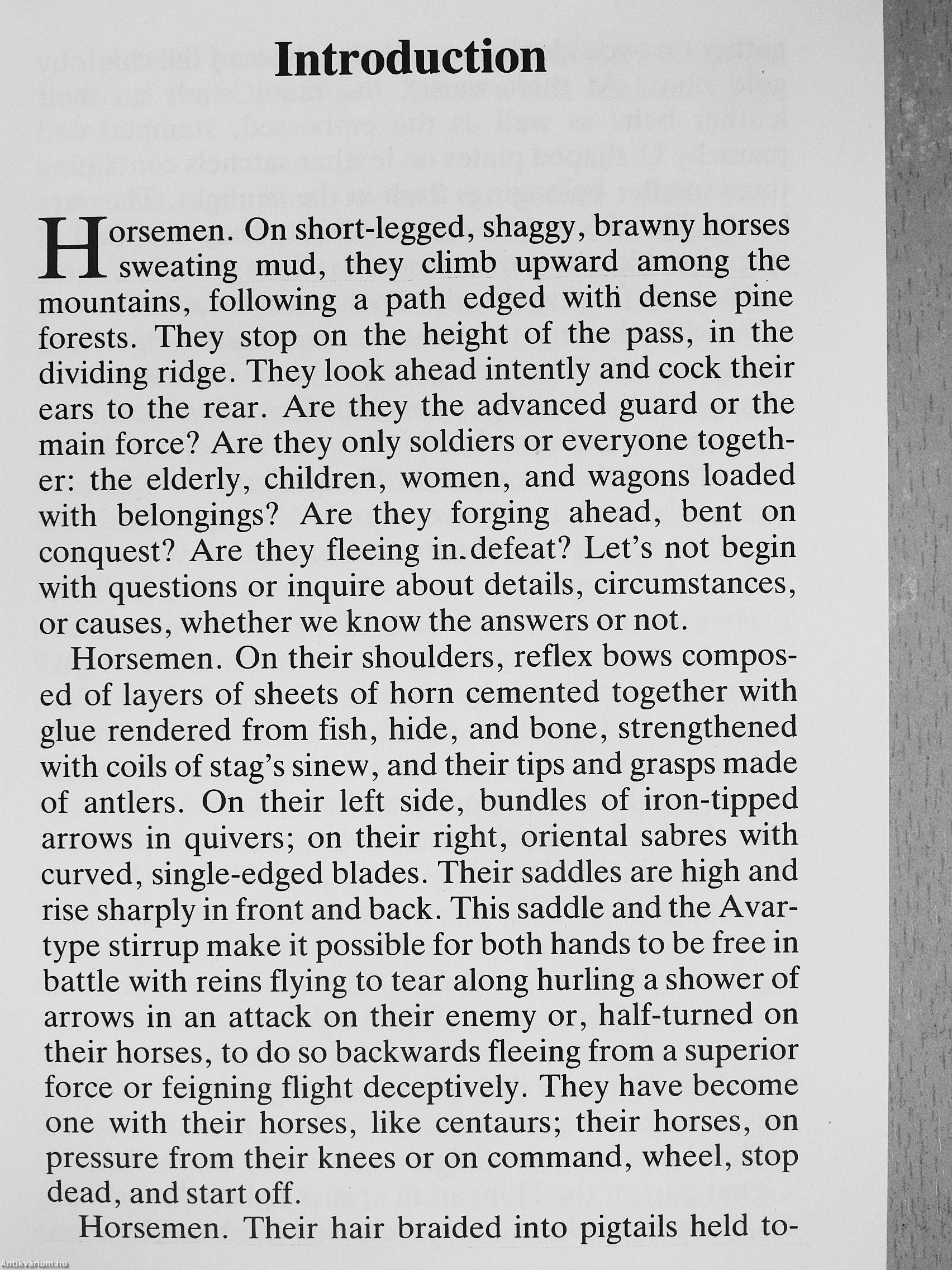
Fülszöveg
"Horsemen. On short-legged, shaggy, brawny horses sweating mud, they climb upward among the mountains, following a path edged with dense pine forests. They stop on the height of the pass, in the dividing ridge, they look ahead intently and cock their ears to the rear. Are they the advanced guard or the main force ? Are they forging ahead, bent on conquest? Are they fleeing in defeat?"
Eleven hundred years ago, as one of the late waves in the Great Migrations, the Hungarian tribal alliance arrived in the Carpathian Basin. Its members spoke a language which was essentially Finno-Ugric, but they themselves were Turkic in origin. They were familiar not only with nomadic animal husbandry, but also with the cultivation of the land.
After bold military raids which long kept Europe in fear, the Hungarians settled down on East-Central European soil and amalgamated with the peoples aleady there. Before the foundation of the Hungarian state at around 1000, they joined Western Christianity,... Tovább
Fülszöveg
"Horsemen. On short-legged, shaggy, brawny horses sweating mud, they climb upward among the mountains, following a path edged with dense pine forests. They stop on the height of the pass, in the dividing ridge, they look ahead intently and cock their ears to the rear. Are they the advanced guard or the main force ? Are they forging ahead, bent on conquest? Are they fleeing in defeat?"
Eleven hundred years ago, as one of the late waves in the Great Migrations, the Hungarian tribal alliance arrived in the Carpathian Basin. Its members spoke a language which was essentially Finno-Ugric, but they themselves were Turkic in origin. They were familiar not only with nomadic animal husbandry, but also with the cultivation of the land.
After bold military raids which long kept Europe in fear, the Hungarians settled down on East-Central European soil and amalgamated with the peoples aleady there. Before the foundation of the Hungarian state at around 1000, they joined Western Christianity, and in the ten centuries since then have endeavored to protect their homeland against foreign powers wishing, and sometimes managing, to occupy it, in whole or in part. This book is a colorful essay presenting the story of the Hungarians, as one person sees it.
István Lázár was born in Sárospatak in 1933. He trained as a geologist, but since 1955 has been a journalist in Budapest. In 1964 he joined the staff of the social sciences journal Valóság, of which he was editor-in-chief for some years. Of his ten books that have appeared so far, he considers his sociographical study of the famous wine-growing district of Tokaj and Sárospatak, where he was born, to be his most important work. This he wrote as a volume in the series Discovering Hungary. Vissza

Témakörök
- Idegennyelv > Idegennyelvű könyvek > Angol > Művelődéstörténet
- Idegennyelv > Idegennyelvű könyvek > Angol > Történelem > Európa története > Magyarország története
- Művelődéstörténet > Kultúra > Története
- Művelődéstörténet > Átfogó művek, tanulmányok
- Történelem > Idegennyelvű > Angol
- Történelem > Magyarország története és személyiségei > Átfogó művek, tanulmányok


Megvásárolható példányok
Állapotfotók


A gerinc elszíneződött.
Állapot:
Jó
1.740 ,-Ft
9
pont kapható
Kosárba
 Folytatás Microsoft-tal