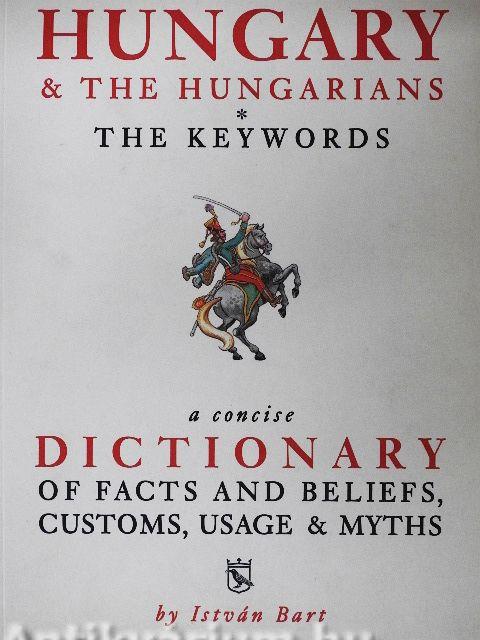
Language is not just words and grammar, it works by metaphors and allusions that make up (and alsó hide away) meanings wich are indecipherable without the knowledge of the culture code. Every student of any foreign language is painfully aware how this meta-language lurking behind even the simplest of turns can make reception of even everyday speech such a precarious affair. For there may be worlds in a word, not unlike the boxes within boxes within boxes of a Chinese puzzle. And bilingual dictionaries, constructed on the principle of equivalence, do not help here, because they do not try to invoke the thoughts, concepts and images that are invoked for the native speaker upon hearing the name of a town or a region, a festival, a form of address, a dish peculiar to his country or the lines of a song. For languages are made up of popular memories, myths and beliefs, customs and ever changing usage, words ring bells - and if our ears don't hear their toll, life is merely a silent movie....
Tovább
Fülszöveg
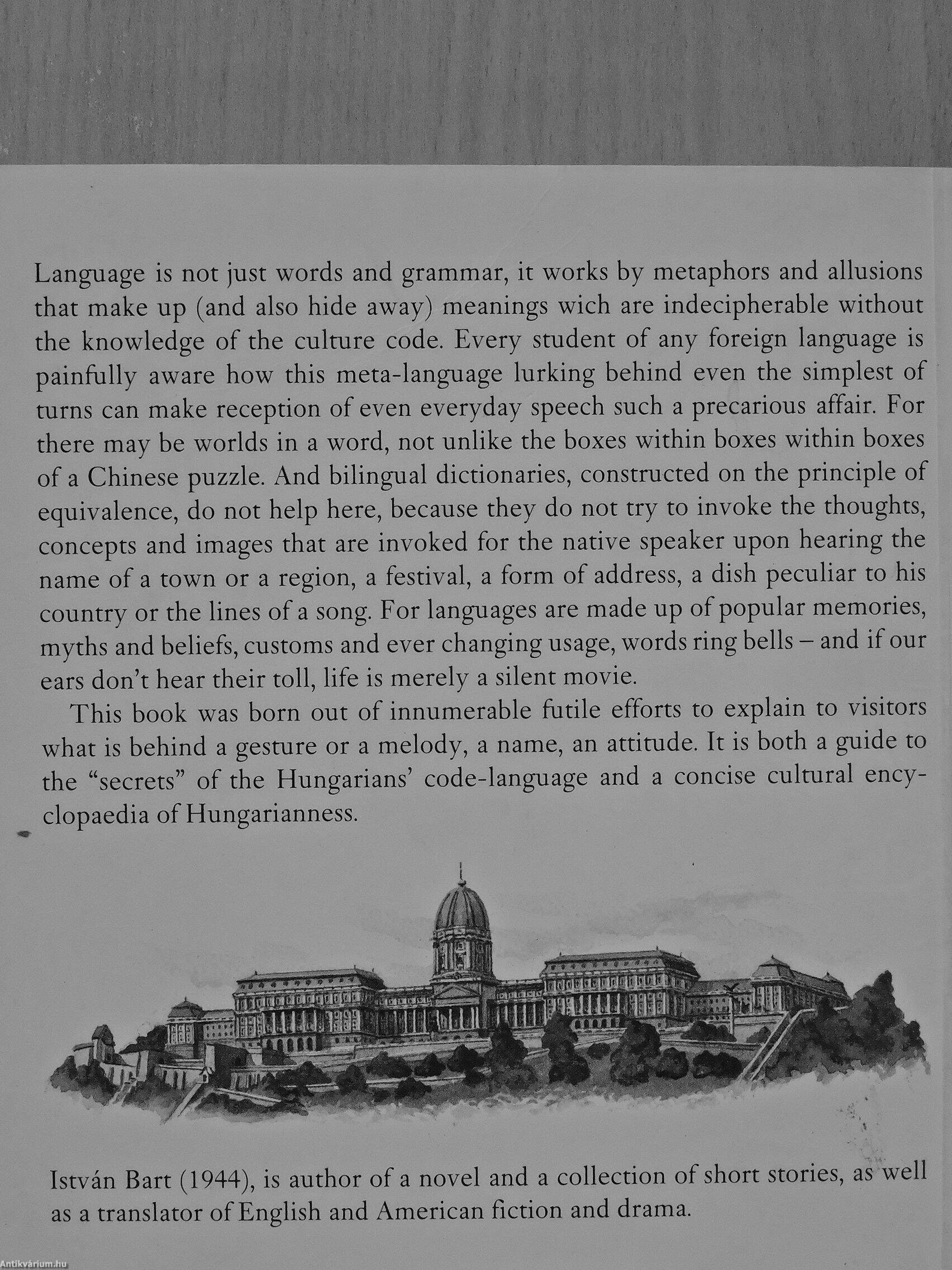
Language is not just words and grammar, it works by metaphors and allusions that make up (and alsó hide away) meanings wich are indecipherable without the knowledge of the culture code. Every student of any foreign language is painfully aware how this meta-language lurking behind even the simplest of turns can make reception of even everyday speech such a precarious affair. For there may be worlds in a word, not unlike the boxes within boxes within boxes of a Chinese puzzle. And bilingual dictionaries, constructed on the principle of equivalence, do not help here, because they do not try to invoke the thoughts, concepts and images that are invoked for the native speaker upon hearing the name of a town or a region, a festival, a form of address, a dish peculiar to his country or the lines of a song. For languages are made up of popular memories, myths and beliefs, customs and ever changing usage, words ring bells - and if our ears don't hear their toll, life is merely a silent movie. This book was born out of innumerable futile efforts to explain to visitors what is behind a gesture or a melody, a name, an attitűdé. It is both a guide to the "secrets" of the Hungarians' code-language and a concise cultural encyclopaedia of Hungarianness.
István Bart (1944), is author of a növel and a collection of short stories, as well as a translator of English and American fiction and drama.
Vissza
Google, Facebook, Apple, Microsoft fiókkal való belépés/regisztráció eseténautomatikusan elfogadja az Általános Szerződési Feltételeket.
Elfelejtett jelszó
Kérjük, adja meg azonosítóját, és a hozzá tartozó email címet, hogy jelszavát elküldhessük Önnek!
A *-gal jelölt mezők kitöltése kötelező!
Azonosító név/E-mail cím* Azonosító és e-mail cím megegyező
E-mail cím*
(2009 március óta a regisztrált ügyfelek azonosító neve megegyezik az email címmel)
Ha az azonosítóját sem tudja megadni, kérjük, hívja az ügyfélszolgálati vonalat:
+36-62-452-833
1
2
3
Regisztráció
Regisztráció
Regisztrációja sikeresen megtörtént.
Megadott e-mail címére megerősítő e-mailt küldtünk. Ahhoz, hogy a regisztrációja véglegesedjen, és le tudja adni rendeléseit, kérjük, kattintson a levélben található linkre. A megerősítő link a kiküldéstől számított 48 óráig érvényes, ezután a regisztrációs adatok törlésre kerülnek.
Kérjük, jelölje meg az érdeklődési körébe tartozó témaköröket!
Regisztráció
Az ön által megjelölt témakörök:
Temakor_1
Beállíthatja, hogy emailben értesítőt kapjon az újonnan beérkezett példányokról a bejelölt témaköröknek megfelelően.
Beállított értesítőit belépés után bármikor módosíthatja az Értesítő menüpont alatt:
létrehozhat új témaköri értesítőt
inaktiválhatja értesítőjét, ha éppen nem kíván a megadott témában értesítőt kapni
törölheti véglegesen az adott értesítőjét
szerkesztheti jelenlegi értesítőjét, ha még részletesebben szeretné megadni mi érdekli.
Az Ön választása alapján naponta vagy 3 naponta kap tőlünk emailt a beállított értesítőjéről.