Fülszöveg
For a long time Iceland was thought
to be the Ultima Thu/e of the
ancients; today scholars are more
inclined to seek it in Norway,
situated likewise at the extreme
northern edge of the inhabited world
known to antiquity. Be that as it
may: Iceland has lost nothing of its
fascination. It casts its spell on
the student of Germanic languages
as the country of origin of the Edda
and the sagas; on the geologist as
a living volcanic island still in its
formative stage; on the ornithologist
for the unique composition of its
bird life. The tourist who comes to
Iceland without preconceived
notions is deeply impressed by the
landscape, the most conspicuous
features of which are volcanism,
thermal springs, glacially moulded
primitive tracts of land, waterfalls
and finally the extensive glaciers
which have given Iceland its name.
This volume is published exactly
eleven hundred years since the
Norwegian Ingolfur Arnarson
founded the first human settlement
in Iceland...
Tovább
Fülszöveg
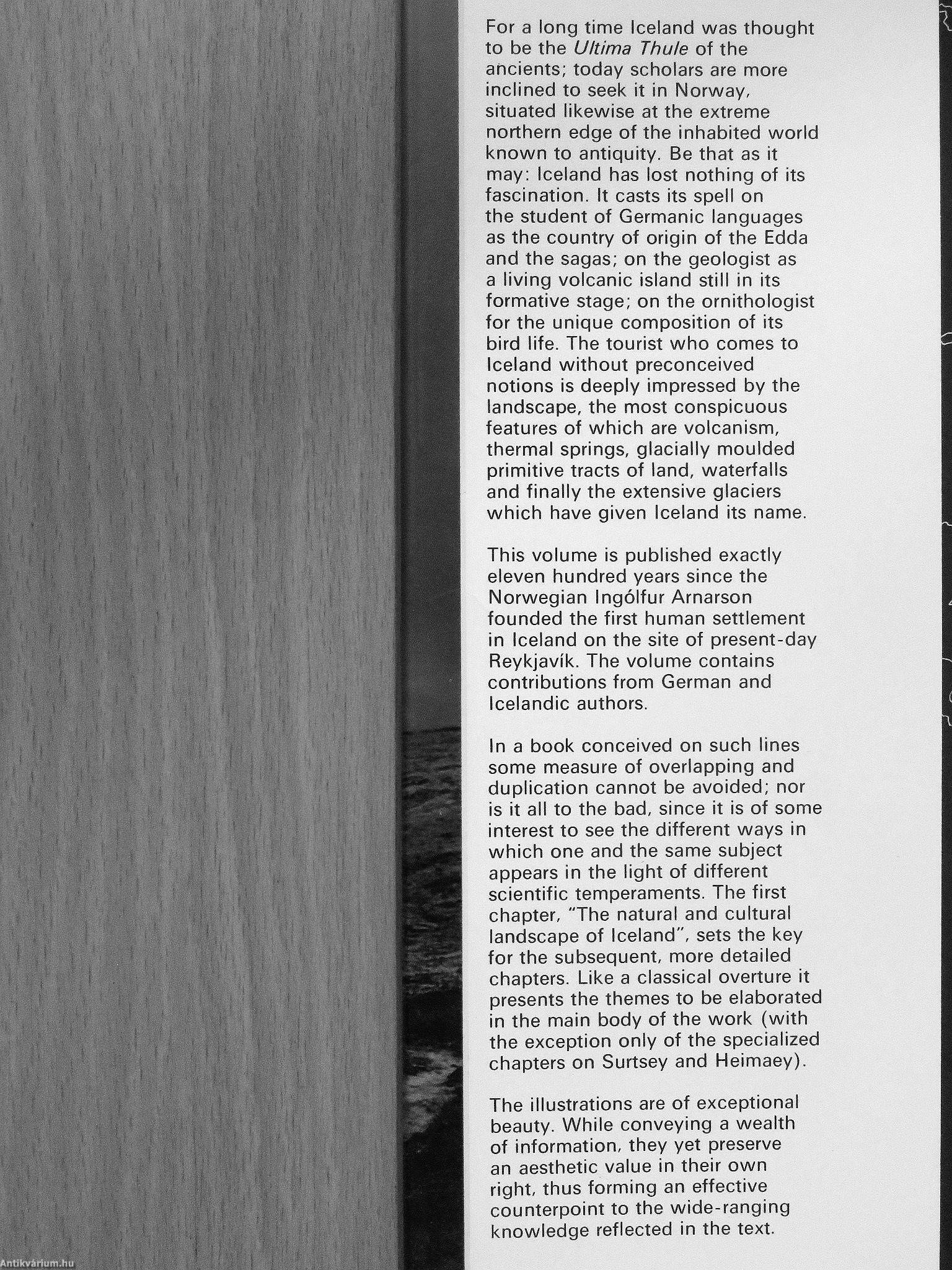
For a long time Iceland was thought
to be the Ultima Thu/e of the
ancients; today scholars are more
inclined to seek it in Norway,
situated likewise at the extreme
northern edge of the inhabited world
known to antiquity. Be that as it
may: Iceland has lost nothing of its
fascination. It casts its spell on
the student of Germanic languages
as the country of origin of the Edda
and the sagas; on the geologist as
a living volcanic island still in its
formative stage; on the ornithologist
for the unique composition of its
bird life. The tourist who comes to
Iceland without preconceived
notions is deeply impressed by the
landscape, the most conspicuous
features of which are volcanism,
thermal springs, glacially moulded
primitive tracts of land, waterfalls
and finally the extensive glaciers
which have given Iceland its name.
This volume is published exactly
eleven hundred years since the
Norwegian Ingolfur Arnarson
founded the first human settlement
in Iceland on the site of present-day
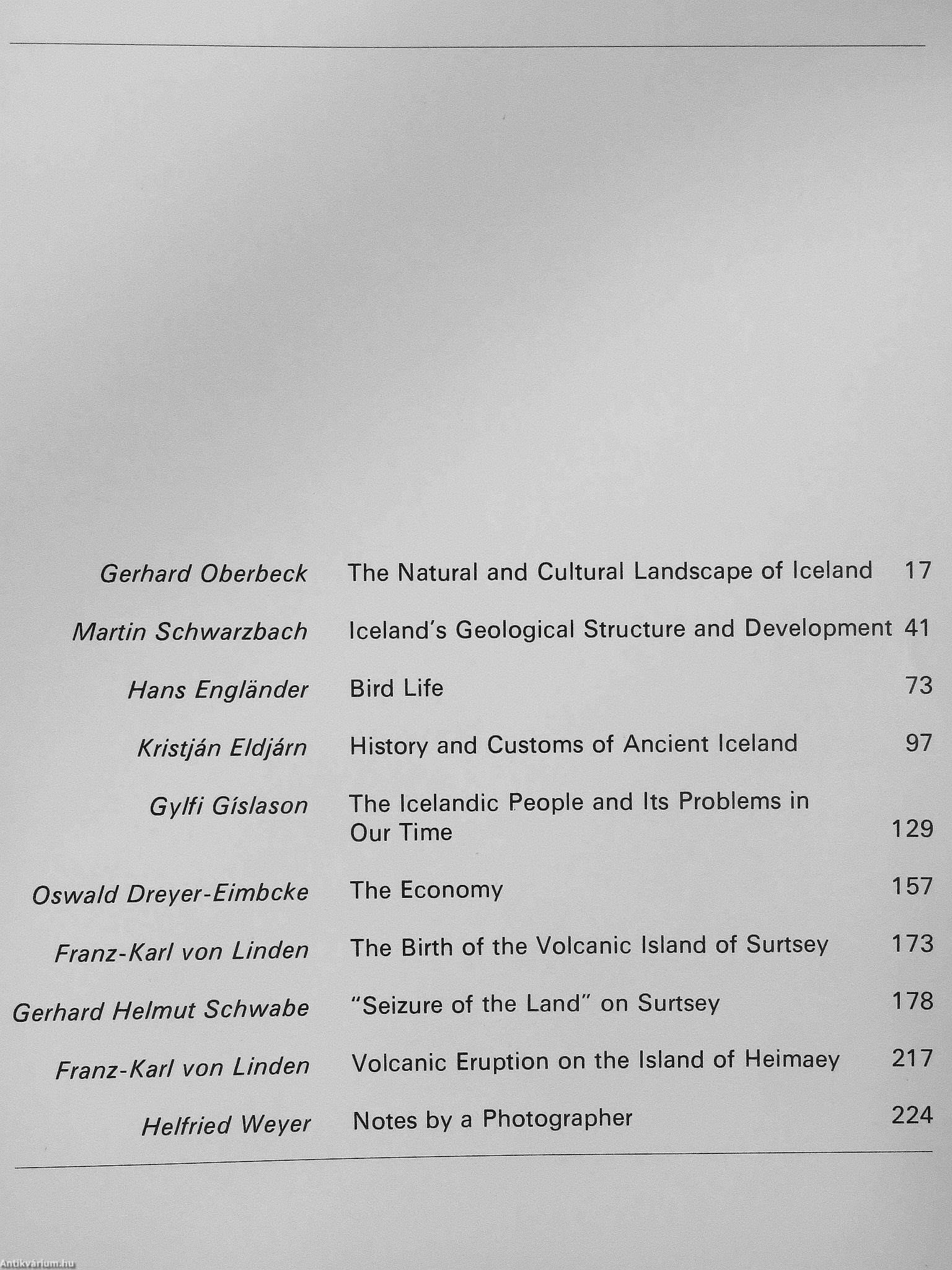
Reykjavik. The volume contains
contributions from German and
Icelandic authors.
In a book conceived on such lines
some measure of overlapping and
duplication cannot be avoided; nor
is it all to the bad, since it is of some
interest to see the different ways in
which one and the same subject
appears in the light of different
scientific temperaments. The first
chapter, "The natural and cultural
landscape of Iceland", sets the key
for the subsequent, more detailed
chapters. Like a classical overture it
presents the themes to be elaborated
in the main body of the work (with
the exception only of the specialized
chapters on Surtsey and Heimaey).
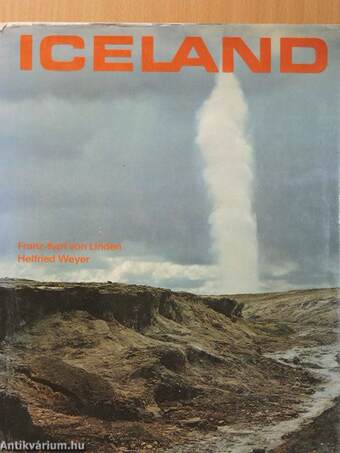
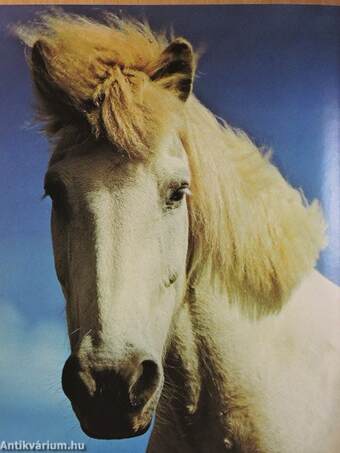
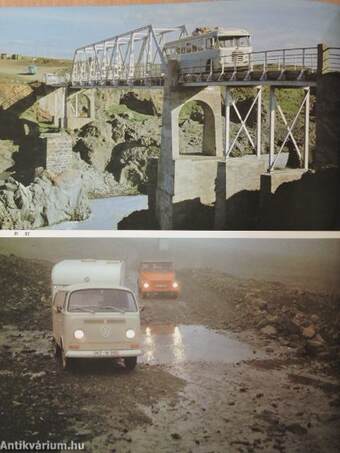
The illustrations are of exceptional
beauty. While conveying a wealth
of information, they yet preserve
an aesthetic value in their own
right, thus forming an effective
counterpoint to the wide-ranging
knowledge reflected in the text.
Vissza 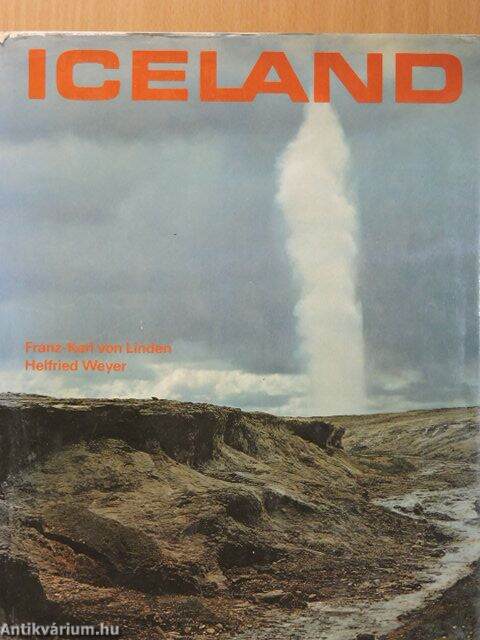



 Folytatás Microsoft-tal