
1.146.076
kiadvánnyal nyújtjuk Magyarország legnagyobb antikvár könyv-kínálatát

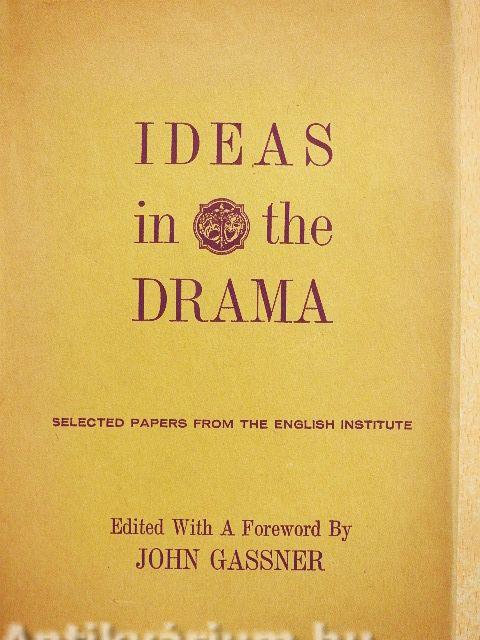
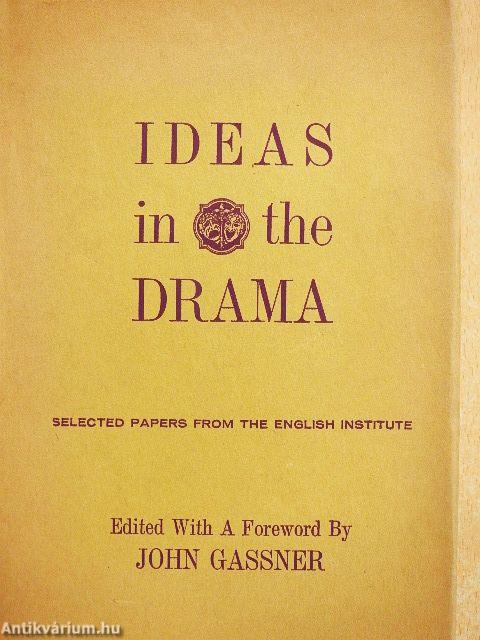
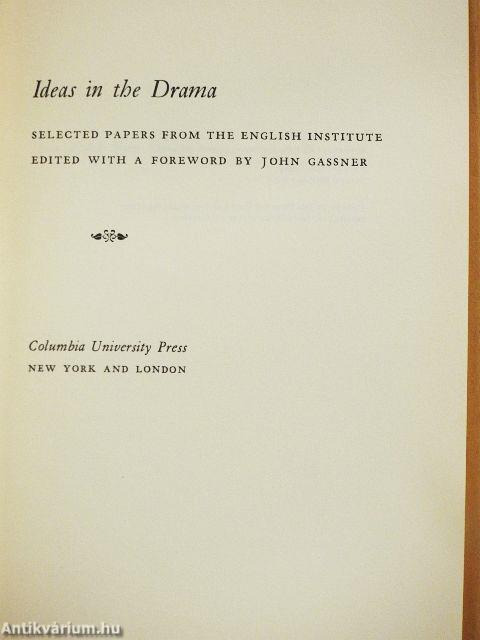
Ideas in the Drama
Selected Papers from the English Institute
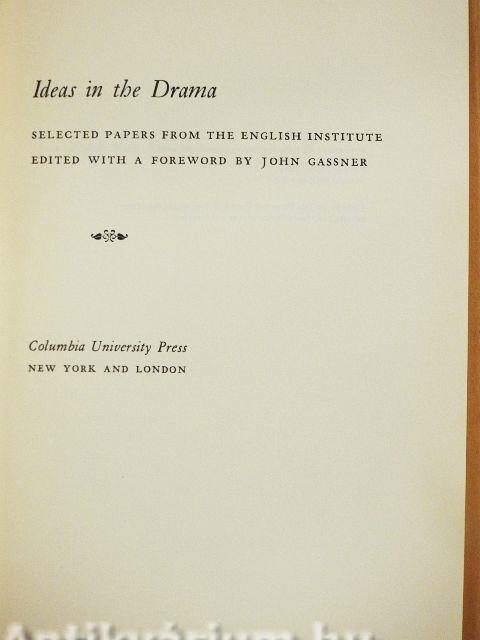
New York-London
| Kiadó: | Columbia University Press |
|---|---|
| Kiadás helye: | New York-London |
| Kiadás éve: | |
| Kötés típusa: | Fűzött kemény papírkötés |
| Oldalszám: | 183 oldal |
| Sorozatcím: | |
| Kötetszám: | |
| Nyelv: | Angol |
| Méret: | 20 cm x 14 cm |
| ISBN: | |
Értesítőt kérek a kiadóról
A beállítást mentettük,
naponta értesítjük a beérkező friss
kiadványokról
naponta értesítjük a beérkező friss
kiadványokról
A beállítást mentettük,
naponta értesítjük a beérkező friss
kiadványokról
naponta értesítjük a beérkező friss
kiadványokról
Előszó
Tovább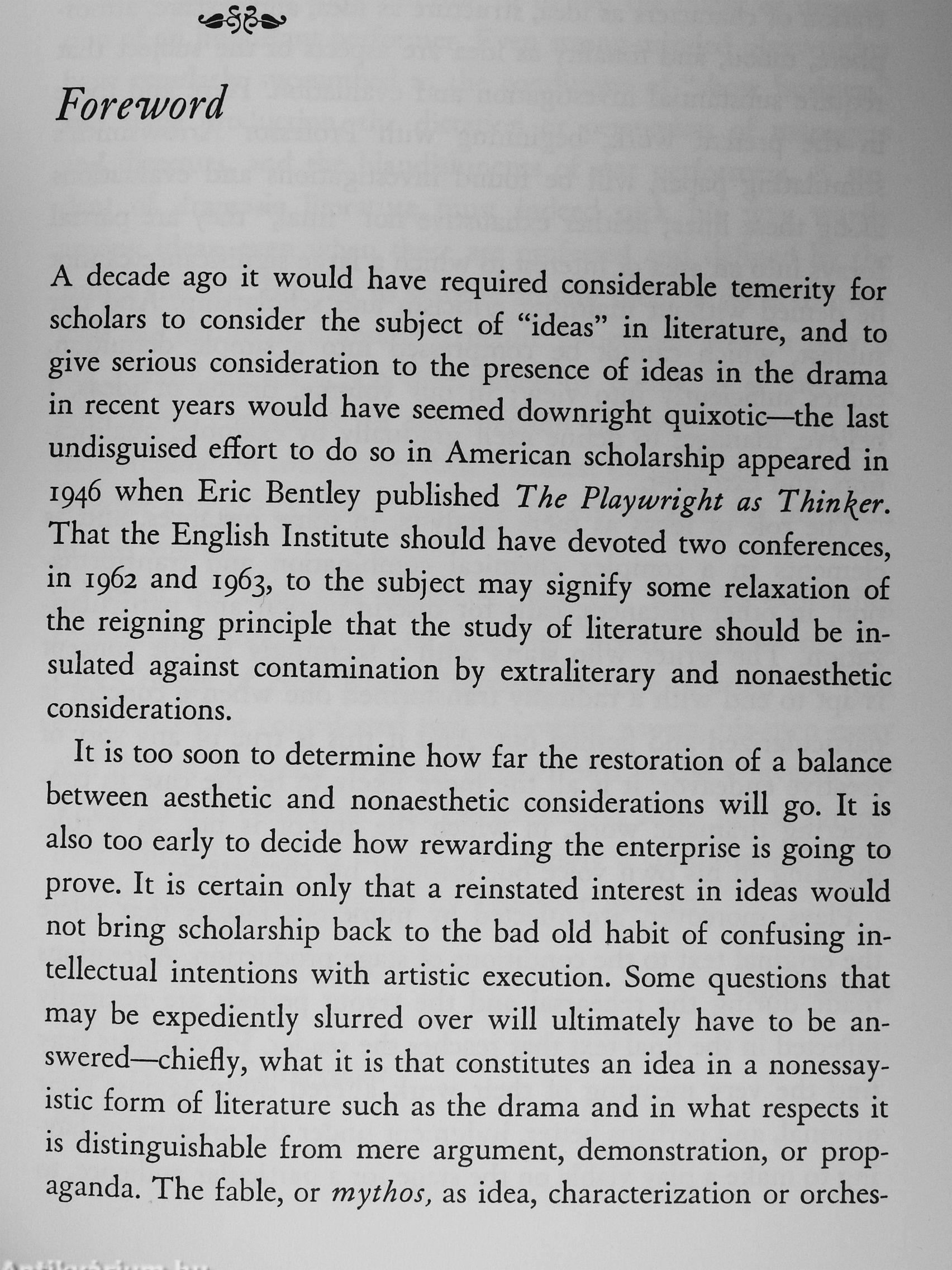
Fülszöveg
IDEAS IN THE DRAMA
Selected Papers from the English Institute
Edited with a Foreword by
JOHN GASSNER
The controversial subject of ideas in the drama is the theme of these papers from the English Institute. As John Gassner points out in the Foreword, "Our subject, which cannot be compressed into a simple definition . . . manages to define itself gradually by example, qualification, and extension." Through specialized analysis of his chosen area in the field of drama, each contributor to this volume makes the task of clarifying the phrase "ideas in the drama" a much easier one for the reader,
William Arrowsmith takes us back to Euripidean drama to show that "the Greeks possessed a theater which we should have no difficulty in recognizing as a genuine theater of ideas." Using Ibsen as the reference point, Vivian Mercier traces the idea in the drama from Marlowe to Shaw and from Moliere to Beaumarchais. In his essay, "Shaw on Ibsen and the Drama of Ideas," John Gassner discusses... Tovább
Fülszöveg
IDEAS IN THE DRAMA
Selected Papers from the English Institute
Edited with a Foreword by
JOHN GASSNER
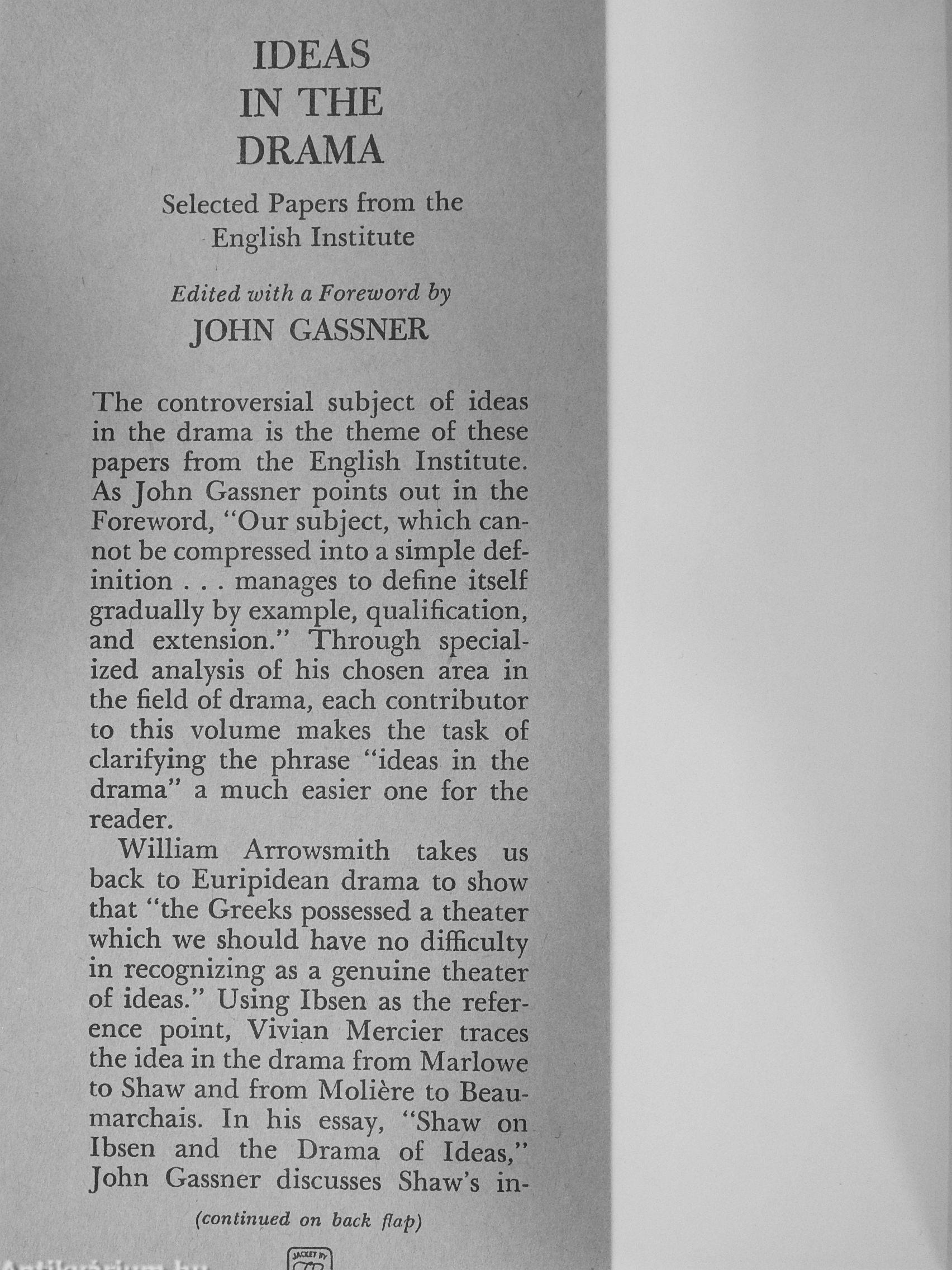
The controversial subject of ideas in the drama is the theme of these papers from the English Institute. As John Gassner points out in the Foreword, "Our subject, which cannot be compressed into a simple definition . . . manages to define itself gradually by example, qualification, and extension." Through specialized analysis of his chosen area in the field of drama, each contributor to this volume makes the task of clarifying the phrase "ideas in the drama" a much easier one for the reader,
William Arrowsmith takes us back to Euripidean drama to show that "the Greeks possessed a theater which we should have no difficulty in recognizing as a genuine theater of ideas." Using Ibsen as the reference point, Vivian Mercier traces the idea in the drama from Marlowe to Shaw and from Moliere to Beaumarchais. In his essay, "Shaw on Ibsen and the Drama of Ideas," John Gassner discusses Shaw's in-
(continued on back flap)
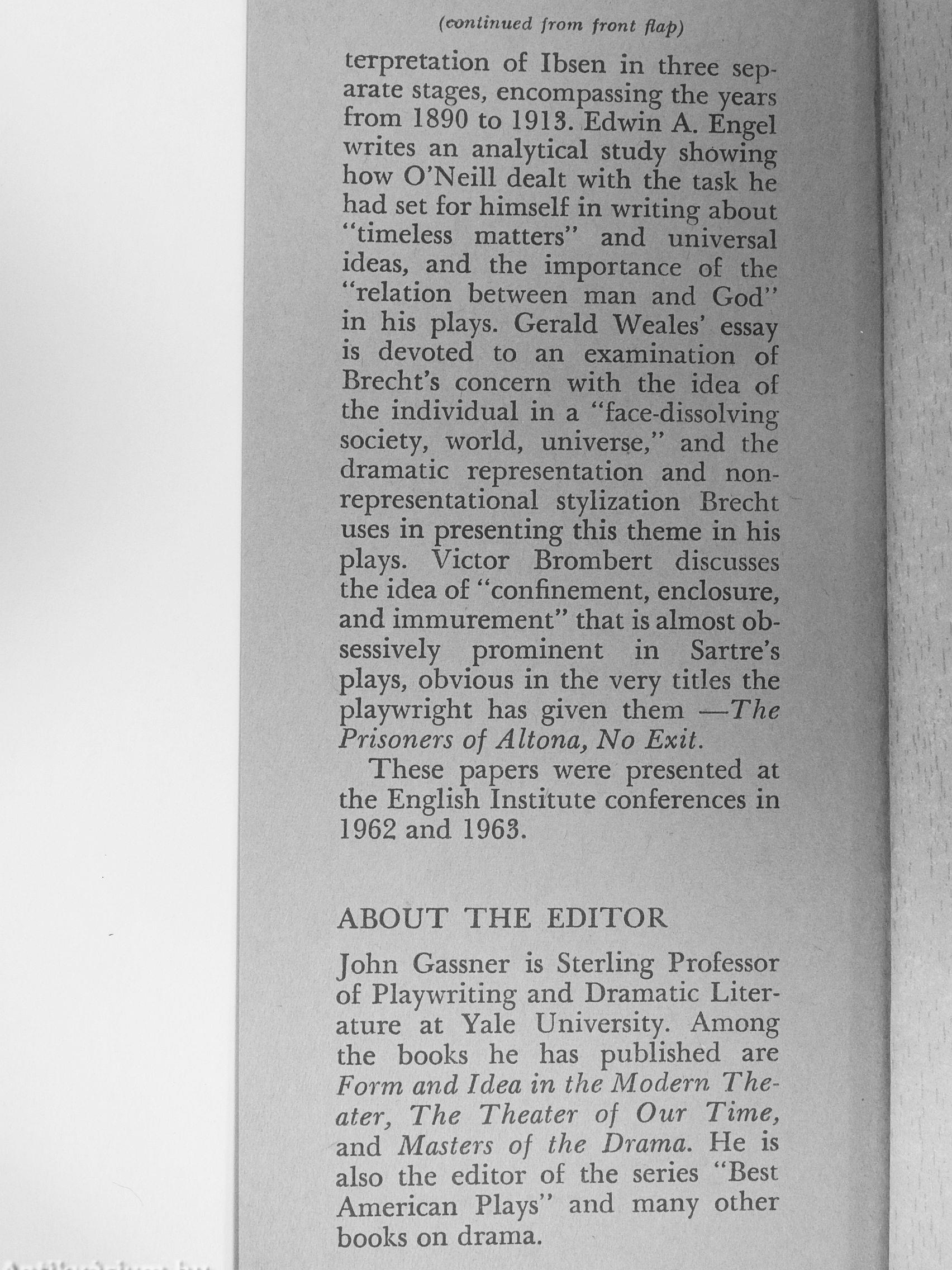
(continued from front flap)
terpretation of Ibsen in three separate stages, encompassing the years from 1890 to 1913. Edwin A. Engel writes an analytical study showing how O'Neill dealt with the task he had set for himself in writing about "timeless matters" and universal ideas, and the importance of the "relation between man and God" in his plays. Gerald Weales' essay is devoted to an examination of Brecht's concern with the idea of the individual in a "face-dissolving society, world, universe," and the dramatic representation and non-representational stylization Brecht uses in presenting this theme in his plays. Victor Brombert discusses the idea of "confinement, enclosure, and immurement" that is almost obsessively prominent in Sartre's plays, obvious in the very titles the playwright has given them —The Prisoners of Altona, No Exit.
These papers were presented at the English Institute conferences in 1962 and 1963.
ABOUT THE EDITOR
John Gassner is Sterling Professor of Playwriting and Dramatic Literature at Yale University. Among the books he has published are Form and Idea in the Modern Theater, The Theater of Our Time, and Masters of the Drama. He is also the editor of the series "Best American Plays" and many other books on drama. Vissza
Témakörök
- Idegennyelv > Idegennyelvű könyvek > Angol > Művészetek > Színház
- Idegennyelv > Idegennyelvű könyvek > Angol > Irodalomtörténet
- Irodalomtörténet > Irodalomtudomány > Tanulmány, tanulmánykötet
- Irodalomtörténet > Irodalomtudomány > Műnemek > Dráma > Egyéb
- Művészetek > Színház > Színházi műfajok > Dráma
- Művészetek > Színház > Idegen nyelv > Angol
- Művészetek > Színház > Tanulmányok, esszék
Megvásárolható példányok
Állapotfotók
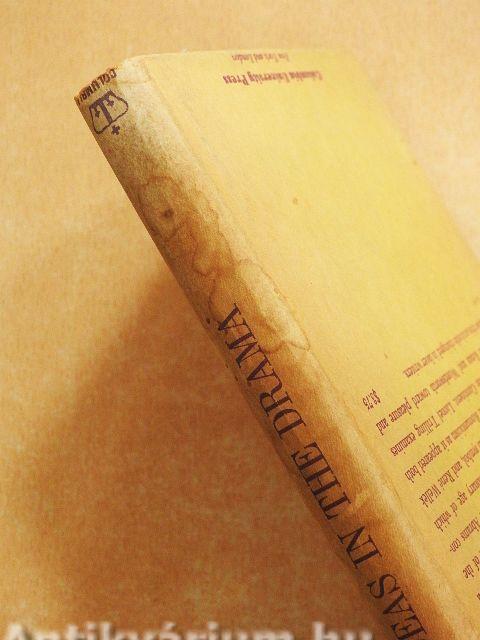
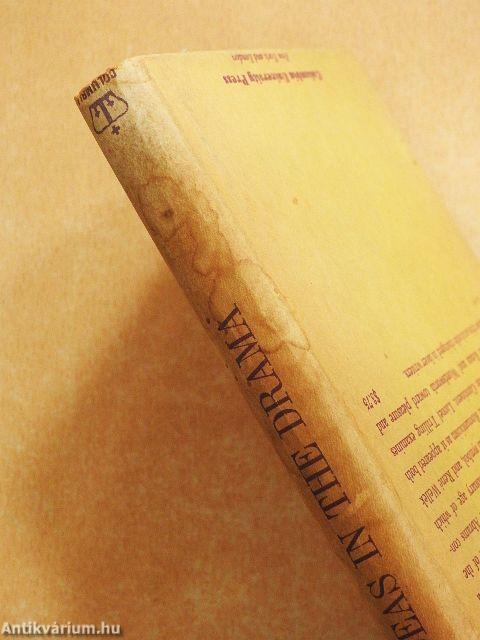
A védőborító gerince elszíneződött, foltos.
Állapot:
Jó
3.980 ,-Ft
20
pont kapható
Kosárba
 Folytatás Microsoft-tal