Fülszöveg
Immunology and Immunopathology
Basic Concepts Yoshitsugi Hokama, Ph.D.
Professor of Pathology, University of Hawaii John A. Burns School of Medicine: Director, Clinical Research Laboratory, Clinical Program. Cancer Center of Hawaii, University of Hawaii at Manoa
Robert M. Nakamura, M.D.
Adjunct Professor of Pathology, University of California, San Diego, School of Medicine; Chairman, Department of Pathology, Cecil H. and Ida M. Green Hospital of the Scripps Clinic, Scripps Clinic and Research , Foundation, La Jolla, California
Designed as a comprehensive, clinical introduction to the basic principles of immunology and immunopathology, this intermediate-level text is written for students of medicine, medical technology, and nursing as well as for practicing clinicians and laboratory personnel who need a handy, one-volume review. Two striking features make Immunology and Immunopathology: Basic Concepts unique among texts on this dif' ficult subject: it explains the immune...
Tovább
Fülszöveg
Immunology and Immunopathology
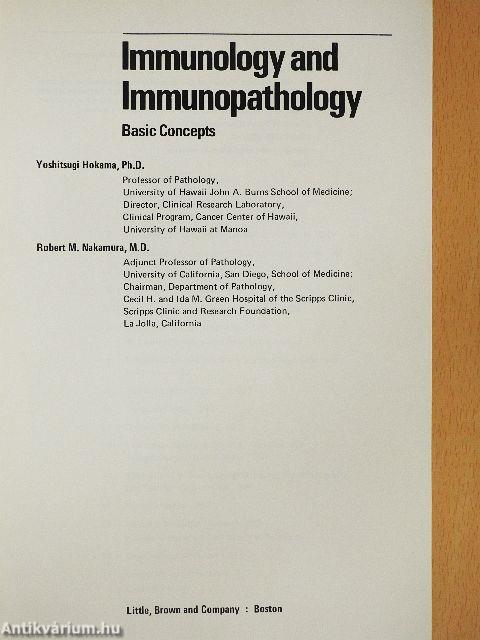
Basic Concepts Yoshitsugi Hokama, Ph.D.
Professor of Pathology, University of Hawaii John A. Burns School of Medicine: Director, Clinical Research Laboratory, Clinical Program. Cancer Center of Hawaii, University of Hawaii at Manoa
Robert M. Nakamura, M.D.
Adjunct Professor of Pathology, University of California, San Diego, School of Medicine; Chairman, Department of Pathology, Cecil H. and Ida M. Green Hospital of the Scripps Clinic, Scripps Clinic and Research , Foundation, La Jolla, California
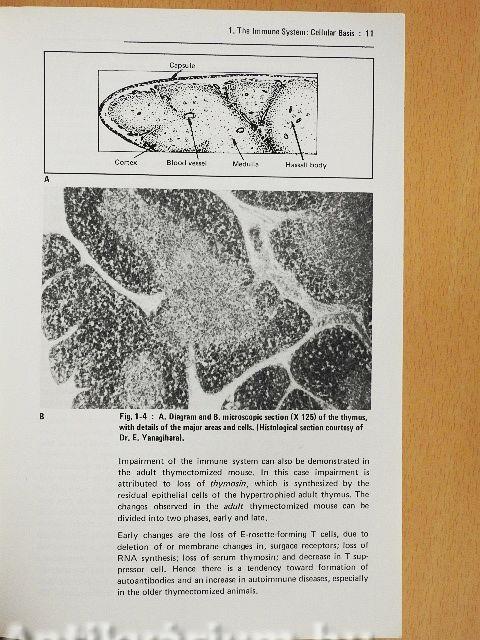
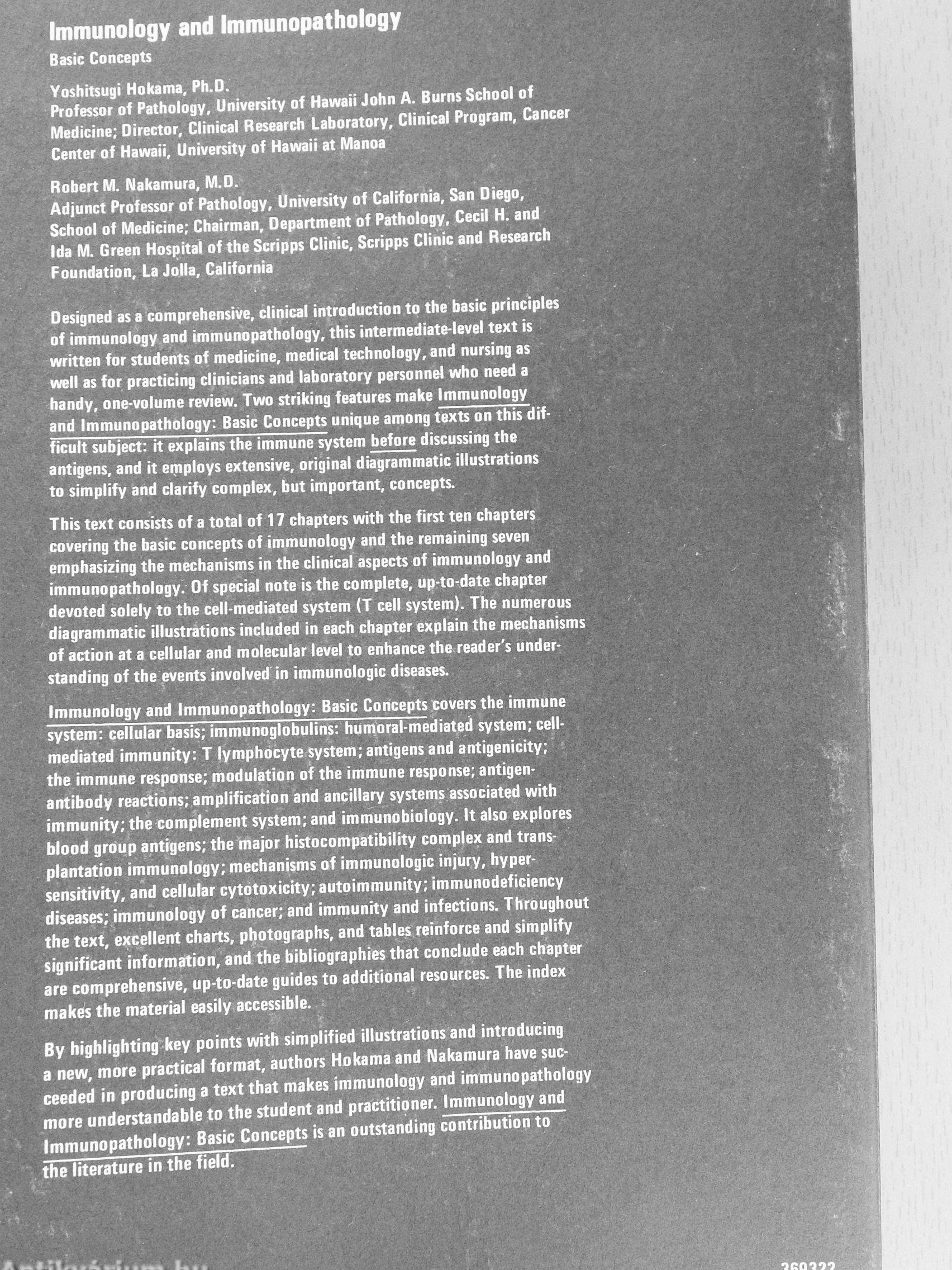
Designed as a comprehensive, clinical introduction to the basic principles of immunology and immunopathology, this intermediate-level text is written for students of medicine, medical technology, and nursing as well as for practicing clinicians and laboratory personnel who need a handy, one-volume review. Two striking features make Immunology and Immunopathology: Basic Concepts unique among texts on this dif' ficult subject: it explains the immune system before discussing the antigens, and it employs extensive, original diagrammatic illustrations to simplify and clarify complex, but important, concepts.
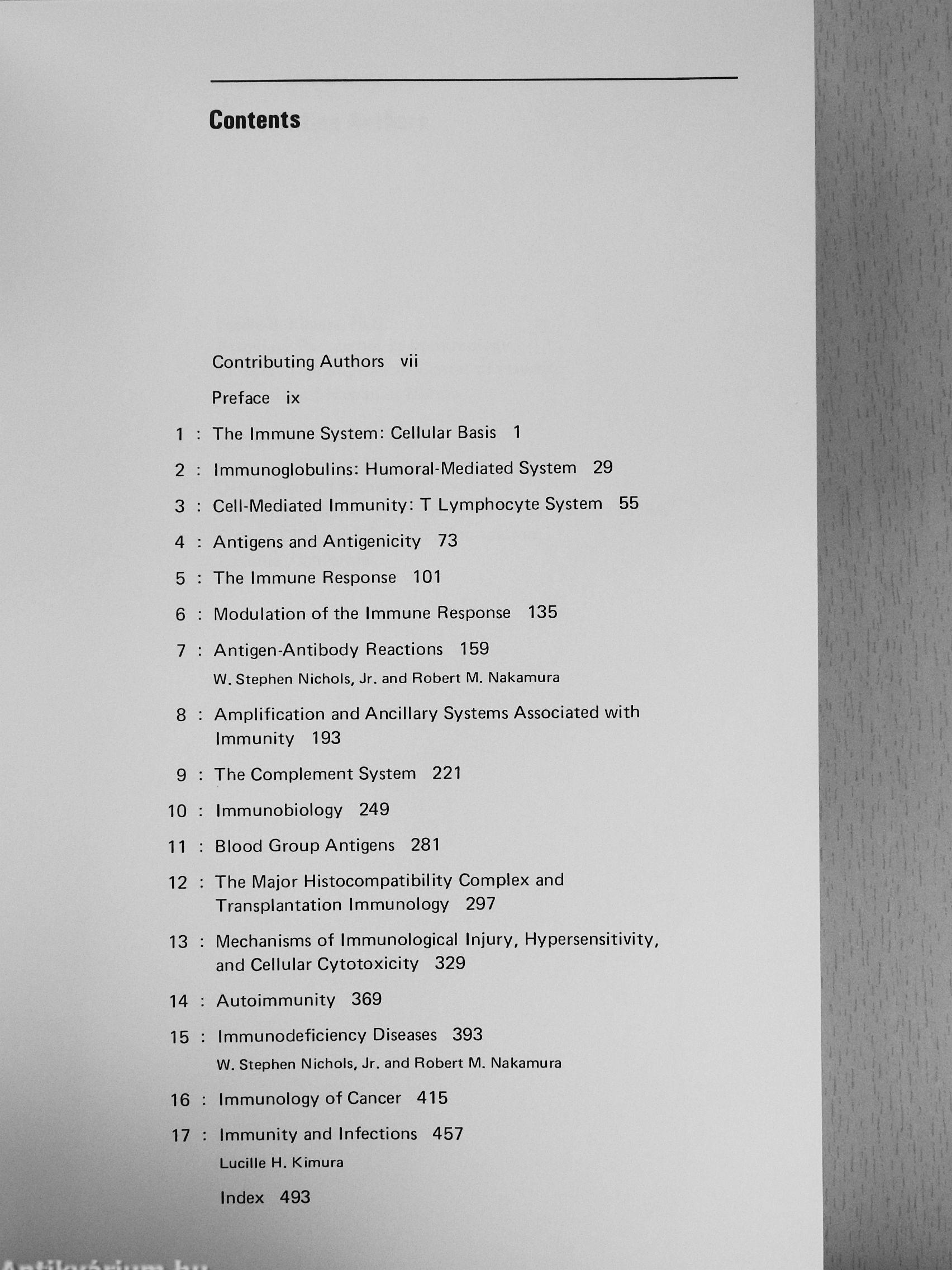
y This text consists of a total of 17 chapters with the first ten chapters: , ^ covering the basic concepts of immunology and the remaining seven emphasizing the mechanisms in the clinical aspects of immunology antf immunopathology. Of special note is the complete, up-to-date chapter " devoted solely to the cell-mediated system (T cell system). The numerous diagrammatic illustrations included in each chapter explain the mechanisms of action at a cellular and molecular level to enhance the^reader's under: standing of the events involved in immunologic diseases. ^
Immunology and Immunopathology: Basic Concepts covers the immtine ^^stem: cellular basis; immunoglobulins: humoral-mediated system; cell-mediated immunity: T lymphocyte system; antigens and antigenicity;' the immune response; modulation of the immune response; antigen-antibody reactions; amplification and ancillary systems associated with immunity; the complement system; and immunobiology. It also explores blood group antigens; the major histocompatibility complex and transr plantation immunology; mechanisms af immunologic injury, hypersensitivity, and cellular cytotoxicity; autoimmunity; immunodeficiency diseases; immunology of cancer; and immunity and infections. Throughout the text, excellent charts, photographs, and tables reinforce and simplify significant information, and the bibliographies that conclude each chapter are comprehensive, up-to-date guides to additional resources. The index makes the material easily accessible. / / ^
By highlighting key points with simplified illustrations and introducing a new, more practical format, authors Hokama and Nakamura have succeeded in producing a text that makes immunology and immunopathology more understandable to the student and practitioner. Immunology and ImmunopatholoBV: Basic Concepts is an outstanding contribution to the literature in the field.
Vissza


 Folytatás Microsoft-tal