
1.124.690
kiadvánnyal nyújtjuk Magyarország legnagyobb antikvár könyv-kínálatát

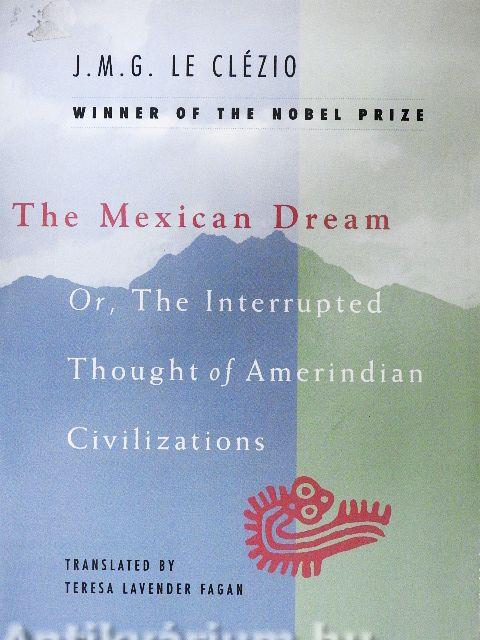
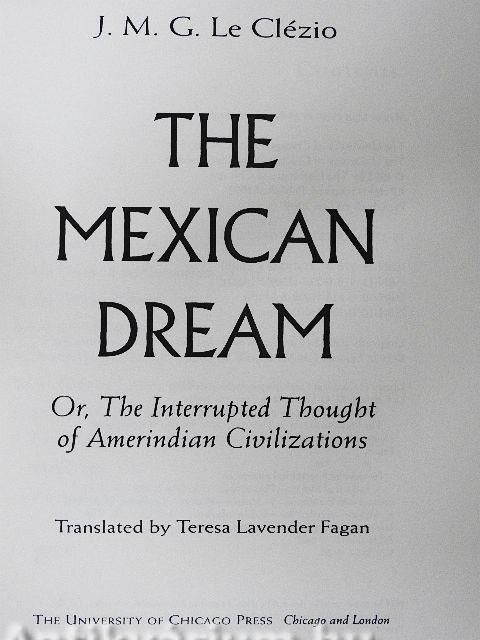
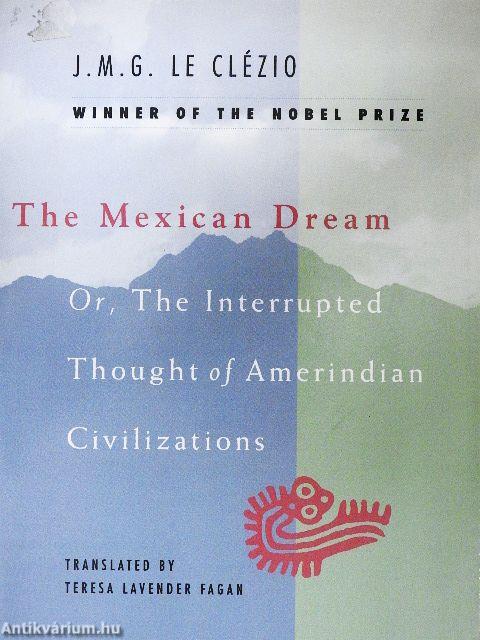
The Mexican Dream
Or, The Interrupted Thought of Amerindian Civilizations
Chicago-London
| Kiadó: | The University of Chicago Press |
|---|---|
| Kiadás helye: | Chicago-London |
| Kiadás éve: | |
| Kötés típusa: | Ragasztott papírkötés |
| Oldalszám: | 221 oldal |
| Sorozatcím: | |
| Kötetszám: | |
| Nyelv: | Angol |
| Méret: | 23 cm x 15 cm |
| ISBN: | 978-0-226-11003-5 |
Értesítőt kérek a kiadóról
A beállítást mentettük,
naponta értesítjük a beérkező friss
kiadványokról
naponta értesítjük a beérkező friss
kiadványokról
A beállítást mentettük,
naponta értesítjük a beérkező friss
kiadványokról
naponta értesítjük a beérkező friss
kiadványokról
Előszó
Tovább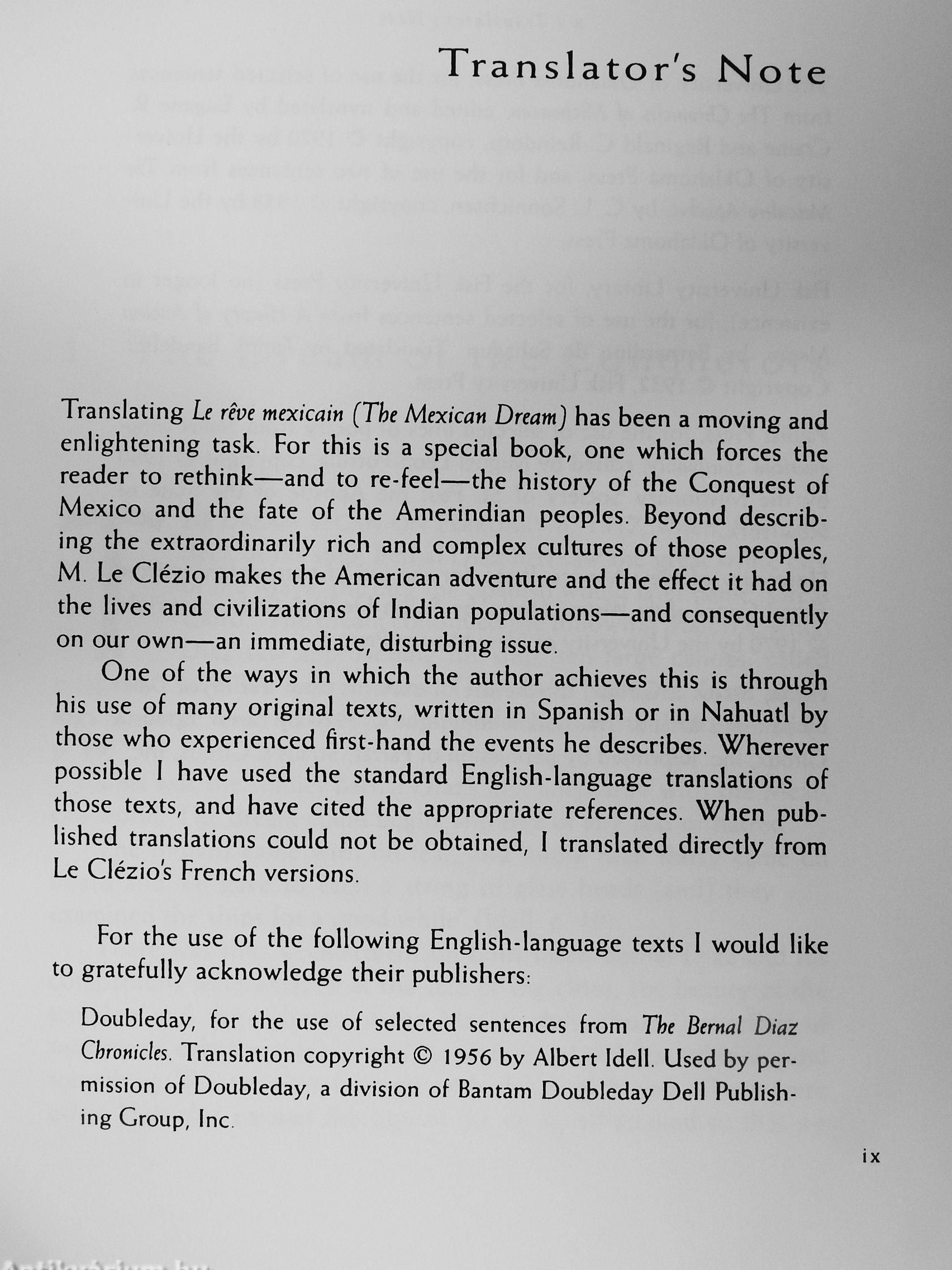
Fülszöveg
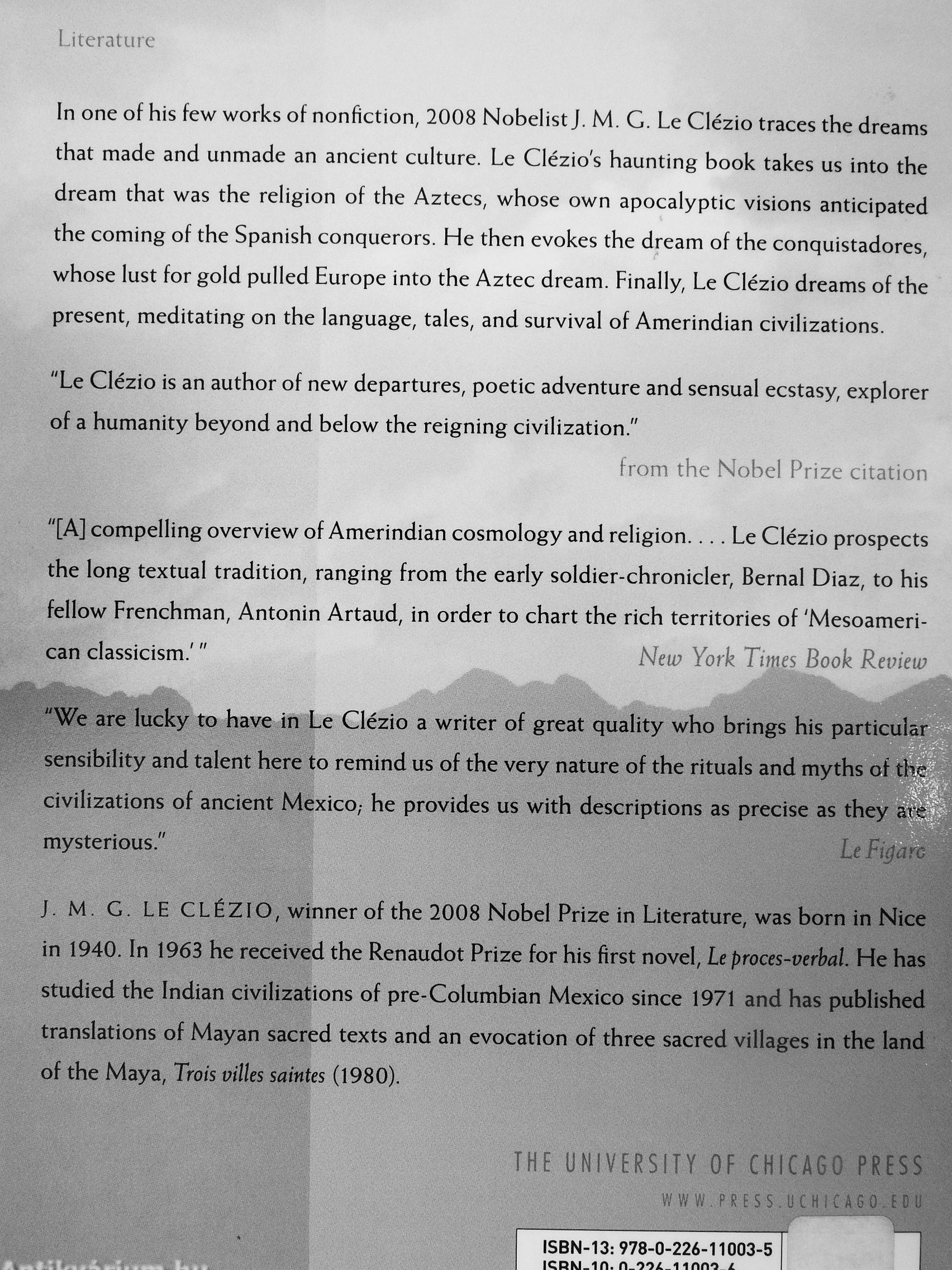
In one of his few works of nonfiction, 2008 Nobelist J. M. G. Le Clézio traces the dreams that made and unmade an ancient culture. Le Clézio's haunting book takes us into the dream that was the religion of the Aztecs, whose own apocalyptic visions anticipated the coming of the Spanish conquerors. He then evokes the dream of the conquistadores, whose lust for gold pulled Europe into the Aztec dream. Finally, Le Clézio dreams of the present, meditating on the language, tales, and survival of Amerindian civilizations.
"Le Clézio is an author of new departures, poetic adventure and sensual ecstasy, explorer of a humanity beyond and below the reigning civilization."
from the Nobel Prize citation
"[A] compelling overview of Amerindian cosmology and religion Le Clézio prospects the long textual tradition, ranging from the early soldier-chronicler, Bernal Diaz, to his fellow Frenchman, Antonin Artaud, in order to chart the rich territories of 'Mesoameri-can classicism.'" New York... Tovább
Fülszöveg
In one of his few works of nonfiction, 2008 Nobelist J. M. G. Le Clézio traces the dreams that made and unmade an ancient culture. Le Clézio's haunting book takes us into the dream that was the religion of the Aztecs, whose own apocalyptic visions anticipated the coming of the Spanish conquerors. He then evokes the dream of the conquistadores, whose lust for gold pulled Europe into the Aztec dream. Finally, Le Clézio dreams of the present, meditating on the language, tales, and survival of Amerindian civilizations.
"Le Clézio is an author of new departures, poetic adventure and sensual ecstasy, explorer of a humanity beyond and below the reigning civilization."
from the Nobel Prize citation
"[A] compelling overview of Amerindian cosmology and religion Le Clézio prospects the long textual tradition, ranging from the early soldier-chronicler, Bernal Diaz, to his fellow Frenchman, Antonin Artaud, in order to chart the rich territories of 'Mesoameri-can classicism.'" New York Times Book Review
"We are lucky to have in Le Clézio a writer of great quality who brings his particular sensibility and talent here to remind us of the very nature of the rituals and myths of the * civilizations of ancient Mexico,- he provides us with descriptions as precise as they aift J mysterious." Lefiga't
J. M. G. LE CLÉZIO, winner of the 2008 Nobel Prize in Literature, was born in Nice in 1940. In 1963 he received the Renaudot Prize for his first novel, Le proces-verbaL He has studied the Indian civilizations of pre-Columbian Mexico since 1971 and has published translations of Mayan sacred texts and an evocation of three sacred villages in the land of the Maya, Trois villes saintes (1980).
THE UNIVERSITY OF CHICAGO PRESS
www. PRESS.ÜC^IICAGO EOU
ISBN-13: 978-0-226-11003-5
icdm_in. n ooz iinno / Vissza

Témakörök
- Idegennyelv > Idegennyelvű könyvek > Angol > Művelődéstörténet
- Idegennyelv > Idegennyelvű könyvek > Angol > Néprajz
- Művelődéstörténet > Civilizációtörténet > Amerikai
- Művelődéstörténet > Kultúra > Kultúrantropológia
- Művelődéstörténet > Átfogó művek, tanulmányok
- Néprajz > Folklór (szellemi néprajz)
- Néprajz > Átfogó művek, tanulmányok
- Néprajz > Folklór (szellemi néprajz) > Népi kultúrák > Amerika
J. M. G. Le Clézio
J. M. G. Le Clézio műveinek az Antikvarium.hu-n kapható vagy előjegyezhető listáját itt tekintheti meg: J. M. G. Le Clézio könyvek, művekMegvásárolható példányok
Állapotfotók


A borítón címke nyoma látható. A lapélek foltosak.
Állapot:
Jó
6.400 ,-Ft
32
pont kapható
Kosárba
 Folytatás Microsoft-tal