
1.136.047
kiadvánnyal nyújtjuk Magyarország legnagyobb antikvár könyv-kínálatát

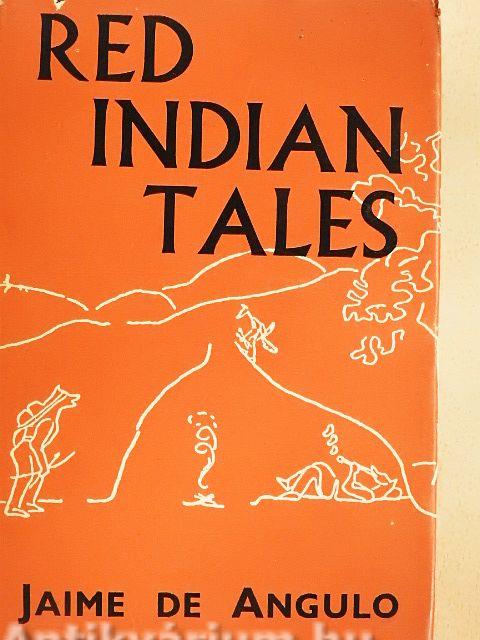
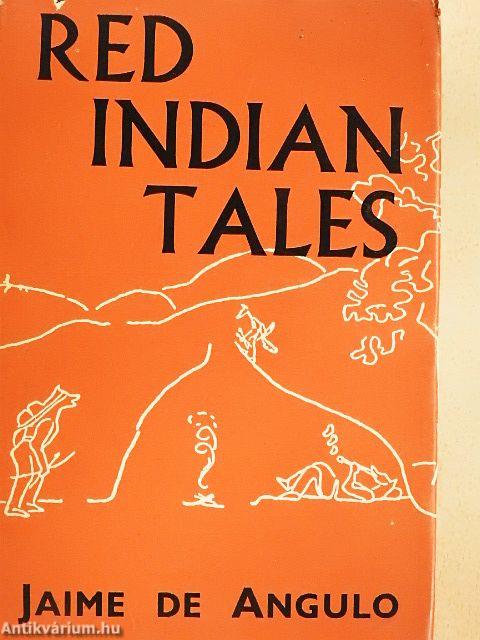
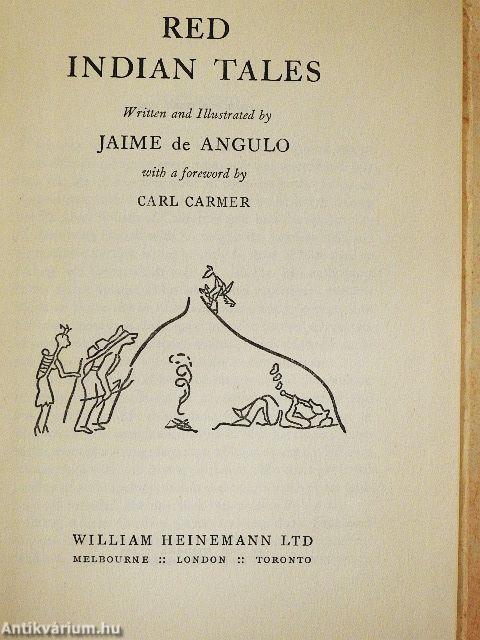
Red Indian Tales
Melbourne
| Kiadó: | William Heinemann Ltd. |
|---|---|
| Kiadás helye: | Melbourne |
| Kiadás éve: | |
| Kötés típusa: | Vászon |
| Oldalszám: | 237 oldal |
| Sorozatcím: | |
| Kötetszám: | |
| Nyelv: | Angol |
| Méret: | 20 cm x 14 cm |
| ISBN: | |
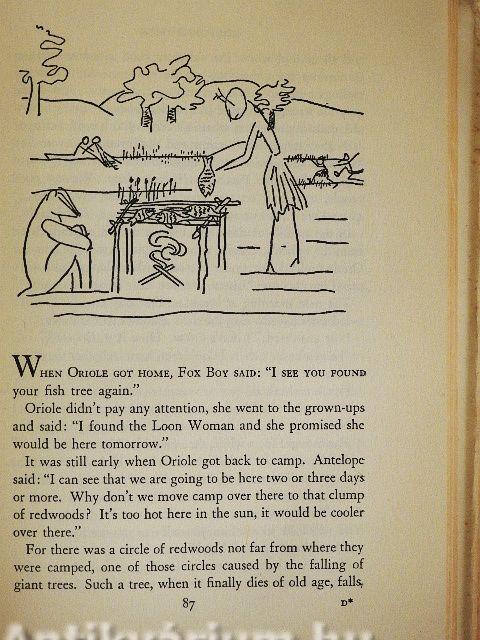
| Megjegyzés: | Fekete-fehér illusztrációkkal. |
Értesítőt kérek a kiadóról
A beállítást mentettük,
naponta értesítjük a beérkező friss
kiadványokról
naponta értesítjük a beérkező friss
kiadványokról
A beállítást mentettük,
naponta értesítjük a beérkező friss
kiadványokról
naponta értesítjük a beérkező friss
kiadványokról
Előszó
Tovább
Fülszöveg
ú
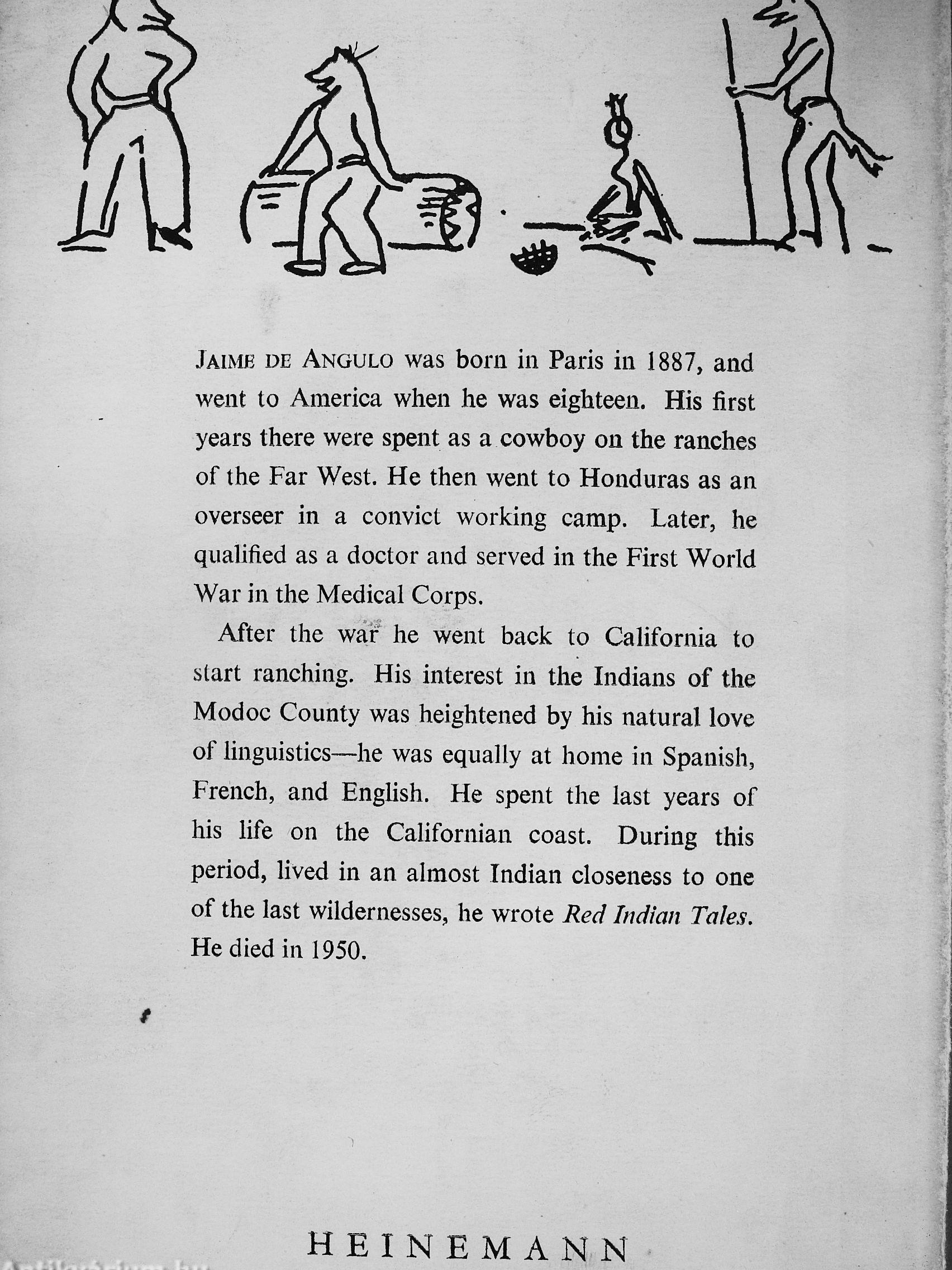
Jaimb de Angulo was born in Paris in 1887, and went to America when he was eighteen. His first years there were spent as a cowboy on the ranches of the Far West. He then went to Honduras as an overseer in a convict working camp. Later, he qualified as a doctor and served in the First World War in the Medical Corps.
After the war he went back to California to start ranching. His interest in the Indians of the Modoc County was heightened by his natural love of linguistics—he was equally at home in Spanish, French, and English. He spent the last years of his life on the Californian coast. During this period, lived in an almost Indian closeness to one of the last wildernesses, he wrote Red Indian Tales. He died in 1950.
HEINEMANN
Jaime de Angulo was bom in Paris in 1887, and went to America when he was eighteen. His first years there were spent as a cowboy on the ranches of the Far West. He then went to Honduras as an overseer in a convict working camp. Later, he qiiafified as a... Tovább
Fülszöveg
ú
Jaimb de Angulo was born in Paris in 1887, and went to America when he was eighteen. His first years there were spent as a cowboy on the ranches of the Far West. He then went to Honduras as an overseer in a convict working camp. Later, he qualified as a doctor and served in the First World War in the Medical Corps.
After the war he went back to California to start ranching. His interest in the Indians of the Modoc County was heightened by his natural love of linguistics—he was equally at home in Spanish, French, and English. He spent the last years of his life on the Californian coast. During this period, lived in an almost Indian closeness to one of the last wildernesses, he wrote Red Indian Tales. He died in 1950.
HEINEMANN
Jaime de Angulo was bom in Paris in 1887, and went to America when he was eighteen. His first years there were spent as a cowboy on the ranches of the Far West. He then went to Honduras as an overseer in a convict working camp. Later, he qiiafified as a doctor and served in the First World War in the Medical Corps,
After the war he went back to California to start ranching. His interest in the Indians of the Modoc County was heightened by his natural love of linguistics—he was equally at home in Spanish, French, and Engfish. He spent the last years of his life on the Cafifornian coast. During this period, lived in an almost Indian closeness to one of the last wildernesses, he wrote Red Indian Tales. He died in 1950.
HEINEMANN
'1 I ; /'i : r! i ^ : ¦
1 I • 'i ¦ 1 •. • ;
¦I Jl i. ,'r'' i". ^
m: i if m J;'
' !
' M M : ; 1, '-^!r' i ^ : i ' I
! -U'^vl'ir'rfv
¦P '( Iji-- . jT i,-
S ''!MM ¦ -''r/!'
:; ¦¦ i . ! '
I -
¦Mi
'i
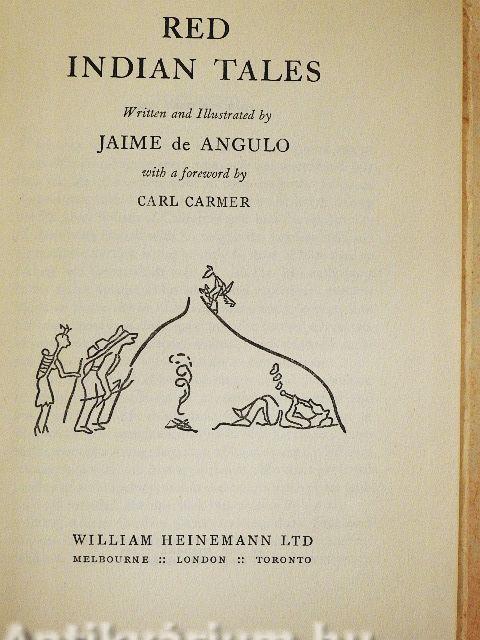
RED INDIAN TALES
Jaime de Angulo
Illustrated by the author, with a Foreword by Carl Carmer
Jaime de Angulo spent forty years among the Pit River Indians of California in capacities varying from anthropologist to unofl&cial medicine man. He penetrated with complete understanding into the life of American Indians and learned from them their legends, folklore and songs, handed down almost unchanged from their forefathers, who roamed the North American continent in those days when there was no clearly defined barrier to show where the animal world ceased and the human began.
The author has woven the stories he heard into episodes of a journey across prehistoric America by the Bear family; Bear himself, a quick-tempered, fearless, but lovable father; Antelope, his charming, illogical wife; Fox Boy, growing to manhood, eager to learn to be a man and to see the world; and Baby Quail. Later they are joined by Old Man Coyote, a champion storyteller.
As Carl Carmer writes in his foreword: "Jaime de Angulo has packed his book with Indian folklore—with tall tales and jokes,
{continued on bacl< flap)
1 O^ ^A Vissza
Témakörök
- Idegennyelv > Idegennyelvű könyvek > Angol > Szépirodalom > Gyermek- és ifjúsági irodalom > Mesék
- Idegennyelv > Idegennyelvű könyvek > Angol > Néprajz
- Szépirodalom > Gyermek- és ifjúsági irodalom > Mesék > Antológia, mesegyűjtemény
- Szépirodalom > Gyermek- és ifjúsági irodalom > Mesék > Népmesék > Amerikai > Észak-amerikai
- Szépirodalom > Gyermek- és ifjúsági irodalom > Idegennyelvű > Angol
- Néprajz > Folklór (szellemi néprajz) > Népköltészet > Népmese > Egyéb
Jaime de Angulo
Jaime de Angulo műveinek az Antikvarium.hu-n kapható vagy előjegyezhető listáját itt tekintheti meg: Jaime de Angulo könyvek, művekMegvásárolható példányok
Állapotfotók




A védőborító szakadozott, hiányos.
Állapot:
Jó
7.400 ,-Ft
37
pont kapható
Kosárba
 Folytatás Microsoft-tal