
1.152.973
kiadvánnyal nyújtjuk Magyarország legnagyobb antikvár könyv-kínálatát

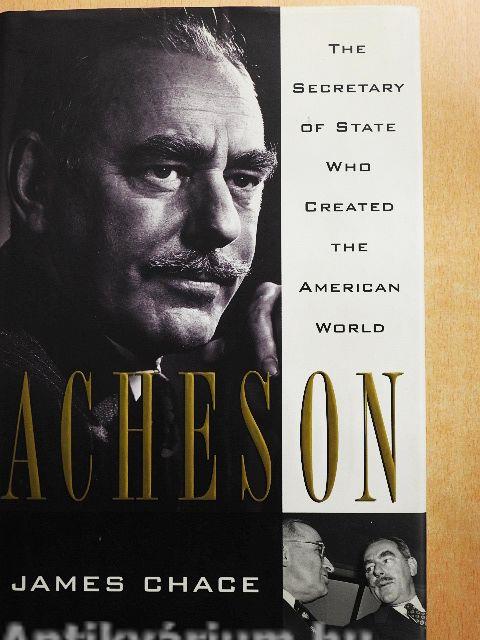
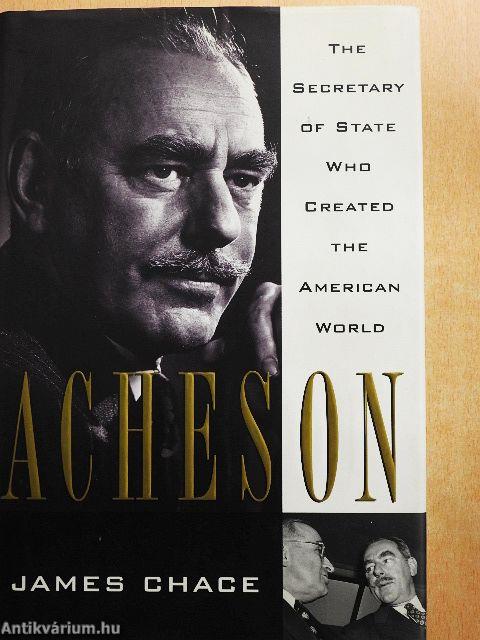
Acheson
The Secretary of State Who Created the American World
New York
| Kiadó: | Simon & Schuster |
|---|---|
| Kiadás helye: | New York |
| Kiadás éve: | |
| Kötés típusa: | Fűzött keménykötés |
| Oldalszám: | 512 oldal |
| Sorozatcím: | |
| Kötetszám: | |
| Nyelv: | Angol |
| Méret: | 24 cm x 17 cm |
| ISBN: | 0-684-80843-9 |
| Megjegyzés: | Fekete-fehér fotókkal. |
Értesítőt kérek a kiadóról
A beállítást mentettük,
naponta értesítjük a beérkező friss
kiadványokról
naponta értesítjük a beérkező friss
kiadványokról
A beállítást mentettük,
naponta értesítjük a beérkező friss
kiadványokról
naponta értesítjük a beérkező friss
kiadványokról
Előszó
Tovább
Fülszöveg
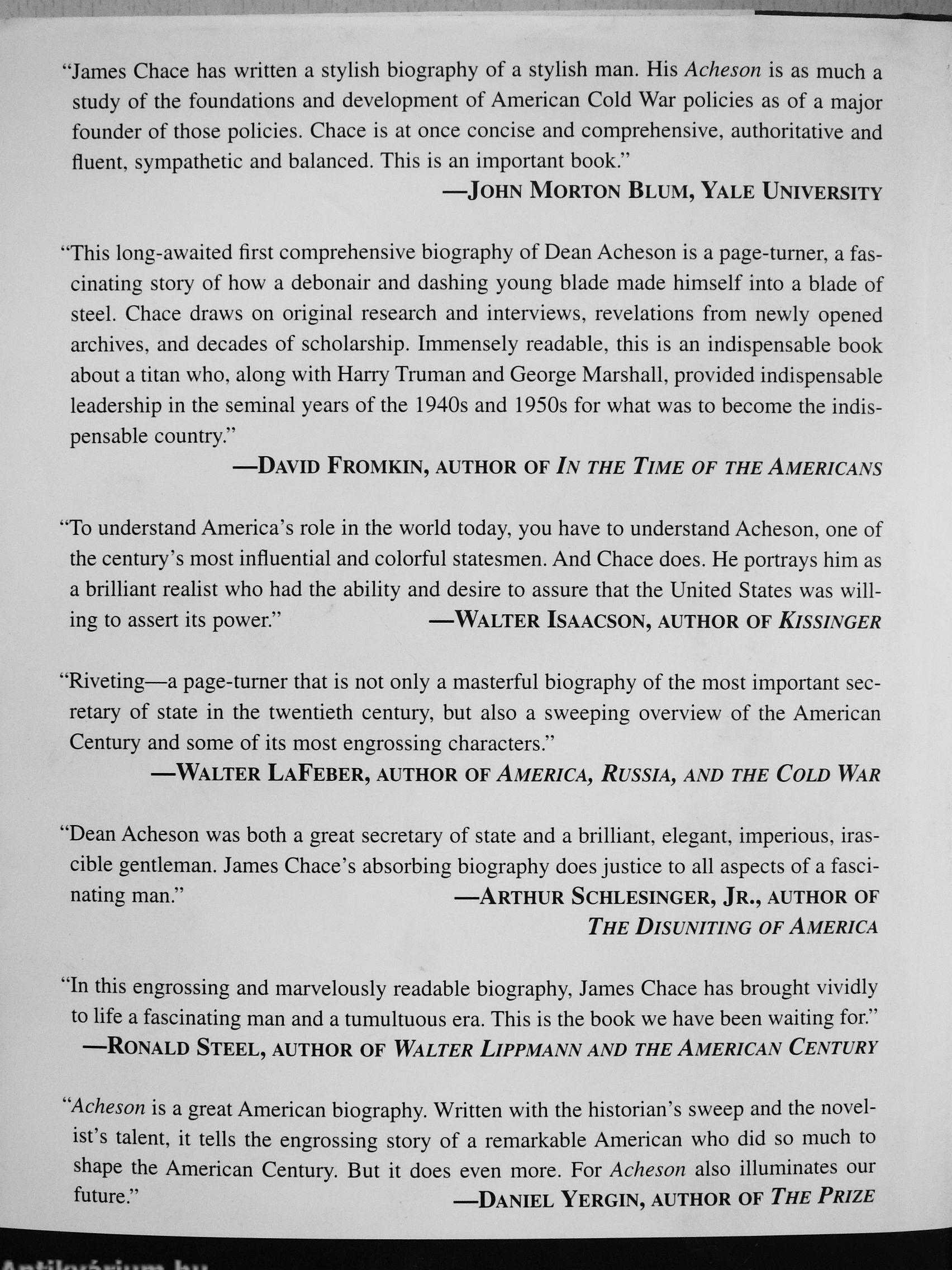
"James Chace has written a stylish biography of a stylish man. His Acheson is as much a study of the foundations and development of American Cold War policies as of a major founder of those policies. Chace is at once concise and comprehensive, authoritative and fluent, sympathetic and balanced. This is an important book."
—John Morton Blum, Yale University
"This long-awaited first comprehensive biography of Dean Acheson is a page-turner, a fascinating story of how a debonair and dashing young blade made himself into a blade of steel. Chace draws on original research and interviews, revelations from newly opened archives, and decades of scholarship. Immensely readable, this is an indispensable book about a titan who, along with Harry Truman and George Marshall, provided indispensable leadership in the seminal years of the 1940s and 1950s for what was to become the indispensable country."
—David Fromkin, author of In the Time of the Americans
"To understand America's role in the... Tovább
Fülszöveg
"James Chace has written a stylish biography of a stylish man. His Acheson is as much a study of the foundations and development of American Cold War policies as of a major founder of those policies. Chace is at once concise and comprehensive, authoritative and fluent, sympathetic and balanced. This is an important book."
—John Morton Blum, Yale University
"This long-awaited first comprehensive biography of Dean Acheson is a page-turner, a fascinating story of how a debonair and dashing young blade made himself into a blade of steel. Chace draws on original research and interviews, revelations from newly opened archives, and decades of scholarship. Immensely readable, this is an indispensable book about a titan who, along with Harry Truman and George Marshall, provided indispensable leadership in the seminal years of the 1940s and 1950s for what was to become the indispensable country."
—David Fromkin, author of In the Time of the Americans
"To understand America's role in the worid today, you have to understand Acheson, one of the century's most influential and colorful statesmen. And Chace does. He portrays him as a brilliant realist who had the ability and desire to assure that the United States was willing to assert its power" —walter isaacson, author of Kissinger
"Riveting—a page-turner that is not only a masterful biography of the most important secretary of state in the twentieth century, but also a sweeping overview of the American Century and some of its most engrossing characters."
—Walter LaFeber, author of America, Russia, and the Cold War
"Dean Acheson was both a great secretary of state and a brilliant, elegant, imperious, irascible gentleman. James Chace's absorbing biography does justice to all aspects of a fascinating man." —arthur schlesinger, Jr., author of
The Disuniting of America
"In this engrossing and marvelously readable biography, James Chace has brought vividly to life a fascinating man and a tumultuous era. This is the book we have been waiting for" —Ronald Steel, author of Walter Lippmann and the American Century
"Acheson is a great American biography. Written with the historian's sweep and the novelist's talent, it tells the engrossing story of a remarkable American who did so much to shape the American Century. But it does even more. For Acheson also illuminates our future." —Daniel Yergin, author of The Prize
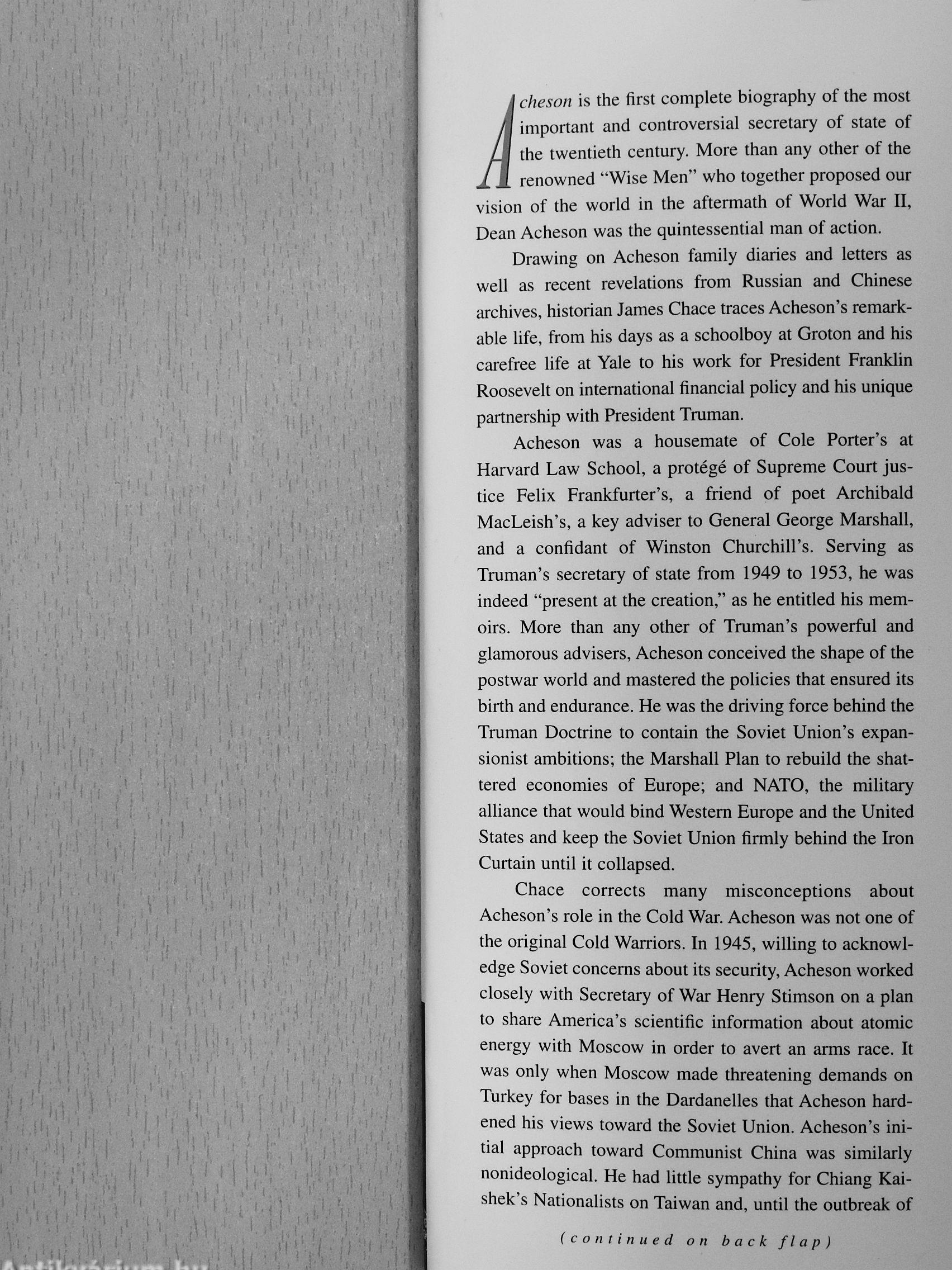
i cheson is the first complete biography of the most m important and controversial secretary of state of Zl the twentieth century. More than any other of the Ix renowned "Wise Men" who together proposed our vision of the world in the aftermath of World War U, Dean Acheson was the quintessential man of action.
Drawing on Acheson family diaries and letters as well as recent revelations from Russian and Chinese archives, historian James Chace traces Acheson's remarkable life, from his days as a schoolboy at Groton and his carefree life at Yale to his work for President Franklin Roosevelt on international financial policy and his unique partnership with President Truman.
Acheson was a housemate of Cole Porter's at Harvard Law School, a protégé of Supreme Court justice Felix Frankfurter's, a friend of poet Archibald MacLeish's, a key adviser to General George Marshall, and a confidant of Winston Churchill's. Serving as Truman's secretary of state from 1949 to 1953, he was indeed "present at the creation," as he entitled his memoirs. More than any other of Truman's powerful and glamorous advisers, Acheson conceived the shape of the postwar world and mastered the policies that ensured its birth and endurance. He was the driving force behind the Truman Doctrine to contain the Soviet Union's expansionist ambitions; the Marshall Plan to rebuild the shattered economies of Europe; and NATO, the military alliance that would bind Western Europe and the United States and keep the Soviet Union firmly behind the Iron Curtain until it collapsed.
Chace corrects many misconceptions about Acheson's role in the Cold War. Acheson was not one of the original Cold Warriors. In 1945, willing to acknowledge Soviet concerns about its security, Acheson worked closely with Secretary of War Henry Stimson on a plan to share America's scientific information about atomic energy with Moscow in order to avert an arms race. It was only when Moscow made threatening demands on Turkey for bases in the Dardanelles that Acheson hardened his views toward the Soviet Union. Acheson's initial approach toward Communist China was similariy nonideological. He had little sympathy for Chiang Kai-shek's Nationalists on Taiwan and, until the outbreak of
(continued on b a c k f I a p }
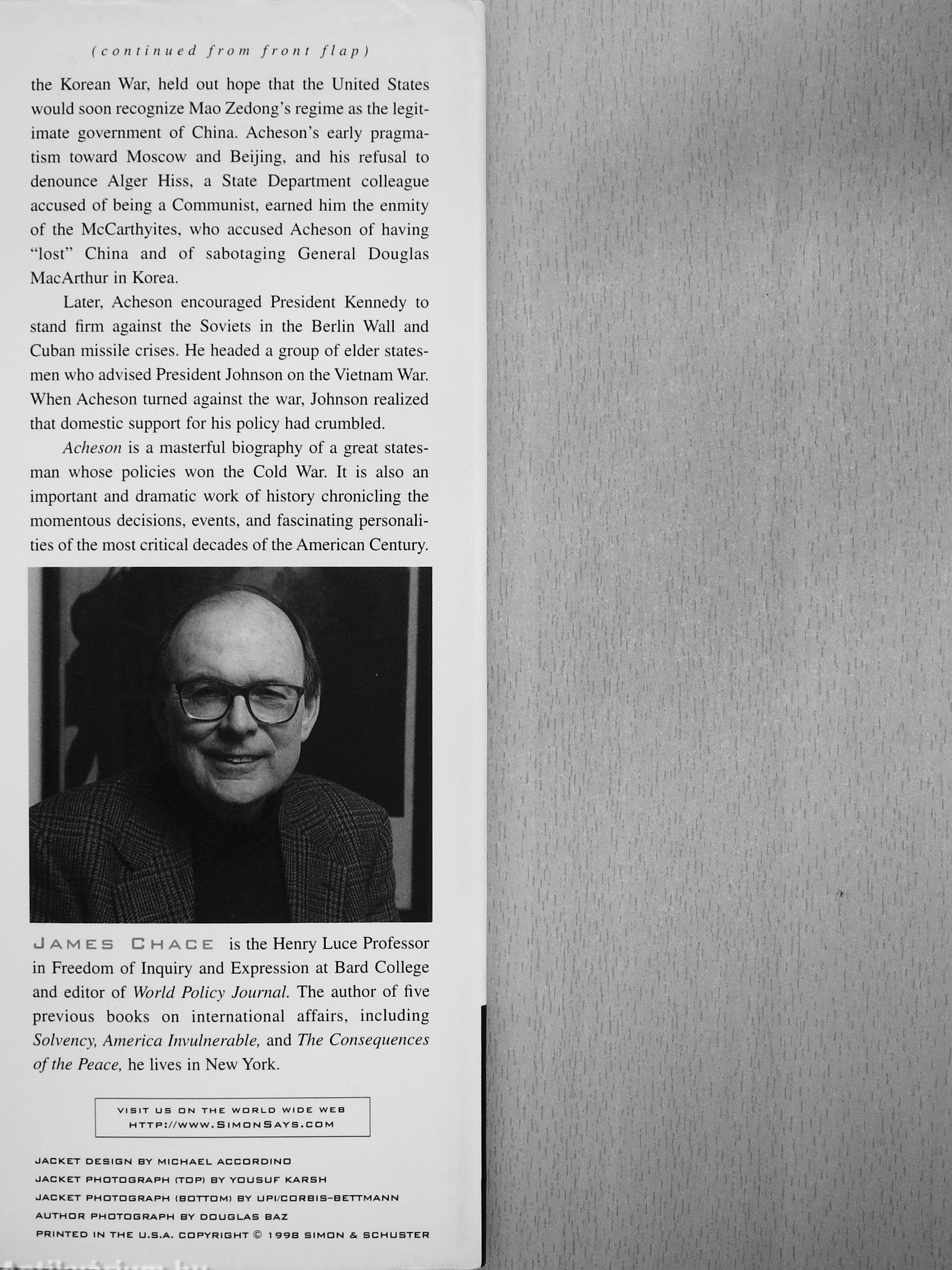
{continued from front flap)
the Korean War. held out hope thai the United States would soon recognize Mao Zedong's regime as the legitimate government of China. Acheson's early pragmatism toward Moscow and Beijing, and his refusal to denounce Alger Hiss, a State Department colleague accused of being a Communist, earned him the enmity of the McCarthyites, who accused Acheson of having "lost" China and of sabotaging General Douglas MacArihur in Korea.
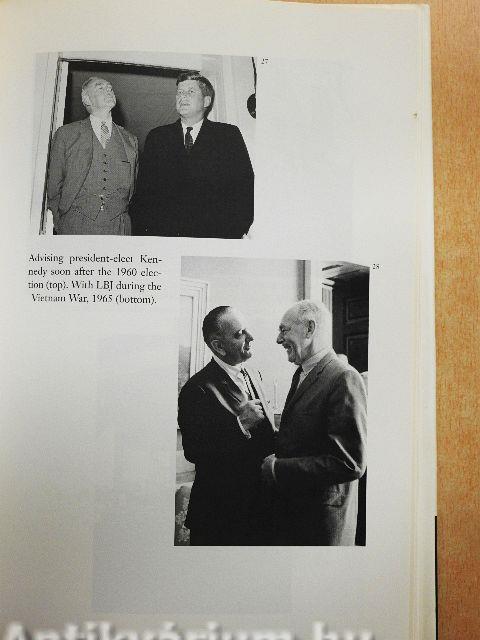
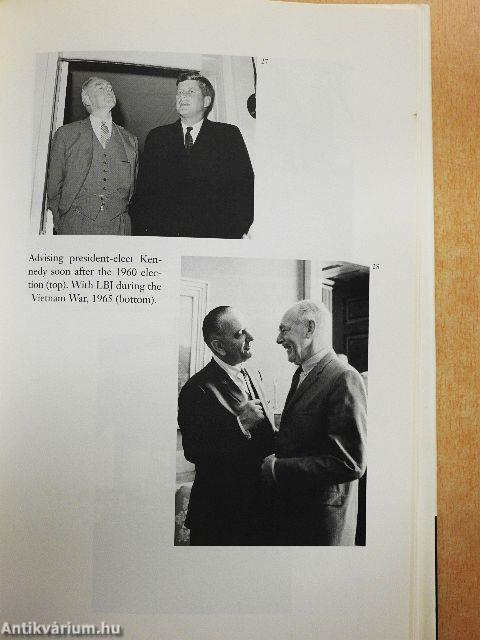
Later. Acheson encouraged President Kennedy to stand firm against the Soviets in the Berlin Wall and Cuban missile crises. He headed a group of elder statesmen who advised President Johnson on the Vietnam War. When Acheson turned against the war, Johnson realized that domestic support for his policy had crumbled.
Acheson is a masterful biography of a great statesman whose policies won the Cold War. It is also an important and dramatic work of history chronicling the momentous decisions, events, and fascinating personalities of the most critical decades of the American Century.
James Chace is the Henry Luce Professor in Freedom of Inquiry and Expression at Bard College and editor of World Policy Journal The author of five previous books on international affairs, including Solvency, America Invulnerable, and The Consequences of the Peace, he lives in New York.
VISIT US ON THE WORLD WIDE WEB MTTP://WWWiSiMDNSAYS.CaM
JACKET DESIGN BY MICHAEL ACCORDINO JACKET PHOTDQRAPH (TOP) BY YDUSUT KARSH JACKET PHOTOGRAPH (BOTTaM) BY U Pl/C Q R BIS-B ETTM AN N AUTHOR PHOTOGRAPH BY DOUGLAS BAZ
PRINTED IN THE U.S.A. COPYRIGHT © iggB SIMON & SCHUSTER
Vissza
Témakörök
- Életrajz > Történelmi személyiségek > Külföldi
- Életrajz > Történelmi személyiségek > Politikusok
- Idegennyelv > Idegennyelvű könyvek > Angol > Életrajz > Történelmi személyiségek > Külföldi
- Idegennyelv > Idegennyelvű könyvek > Angol > Életrajz > Történelmi személyiségek > Politikusok
- Idegennyelv > Idegennyelvű könyvek > Angol > Történelem > USA története
- Történelem > Életrajz > Politikusok, történelmi személyiségek > Külföldi
- Történelem > Idegennyelvű > Angol
- Történelem > Politika > Külpolitika > Diplomácia
- Történelem > Kontinensek szerint > Amerika, amerikai országok története > Észak-Amerika
- Történelem > Legújabb kor > A hidegháború kora (1946-1991)
James Chace
James Chace műveinek az Antikvarium.hu-n kapható vagy előjegyezhető listáját itt tekintheti meg: James Chace könyvek, művekMegvásárolható példányok
Nincs megvásárolható példány
A könyv összes megrendelhető példánya elfogyott. Ha kívánja, előjegyezheti a könyvet, és amint a könyv egy újabb példánya elérhető lesz, értesítjük.
 Folytatás Microsoft-tal