Fülszöveg
$30.00 CAN
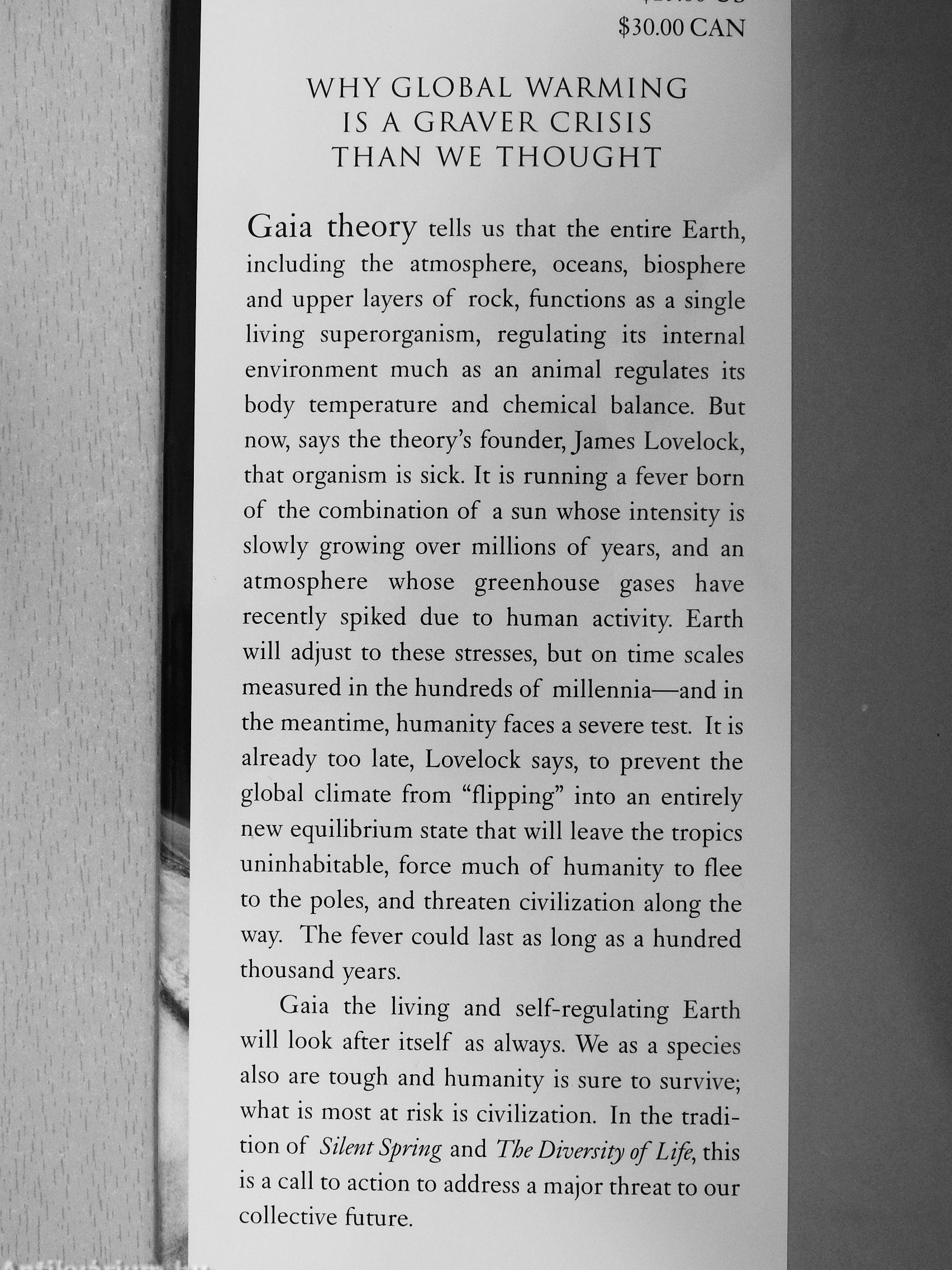
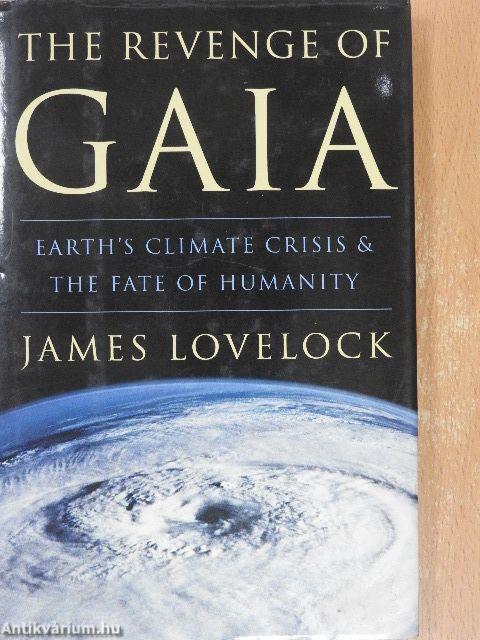
WHY GLOBAL WARMING IS A GRAVER CRISIS THAN WE THOUGHT
Gaia theory tells us that the entire Earth, including the atmosphere, oceans, biosphere and upper layers of rock, functions as a single living superorganism, regulating its internal environment much as an animal regulates its body temperature and chemical balance. But now, says the theory's founder, James Lovelock, that organism is sick. It is running a fever born of the combination of a sun whose intensity is slowly growing over millions of years, and an atmosphere whose greenhouse gases have recently spiked due to human activity. Earth will adjust to these stresses, but on time scales measured in the hundreds of millennia—and in the meantime, humanity faces a severe test. It is already too late, Lovelock says, to prevent the global climate from "flipping" into an entirely new equilibrium state that will leave the tropics uninhabitable, force much of humanity to flee to the poles, and threaten civilization along...
Tovább
Fülszöveg
$30.00 CAN
WHY GLOBAL WARMING IS A GRAVER CRISIS THAN WE THOUGHT
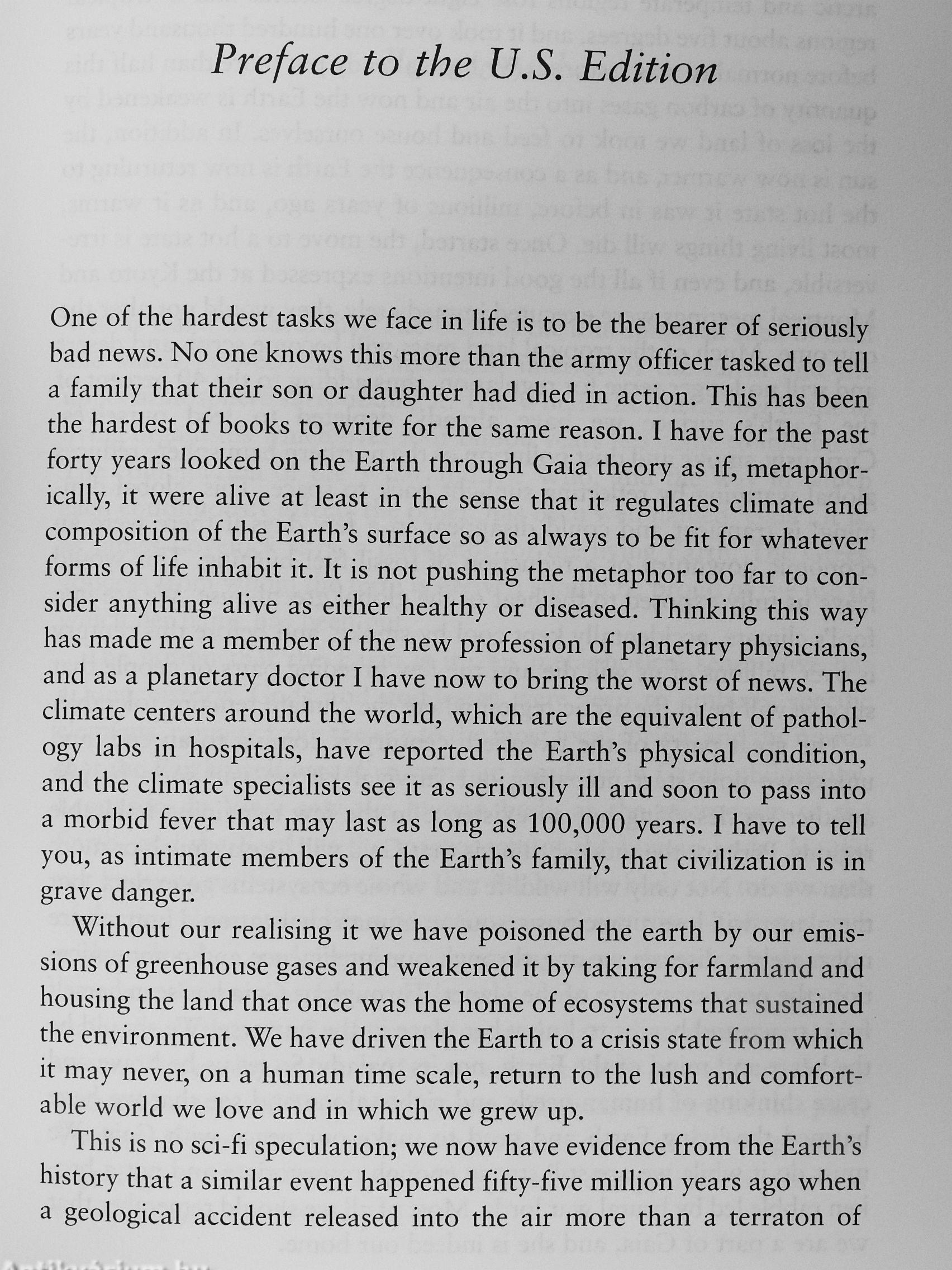
Gaia theory tells us that the entire Earth, including the atmosphere, oceans, biosphere and upper layers of rock, functions as a single living superorganism, regulating its internal environment much as an animal regulates its body temperature and chemical balance. But now, says the theory's founder, James Lovelock, that organism is sick. It is running a fever born of the combination of a sun whose intensity is slowly growing over millions of years, and an atmosphere whose greenhouse gases have recently spiked due to human activity. Earth will adjust to these stresses, but on time scales measured in the hundreds of millennia—and in the meantime, humanity faces a severe test. It is already too late, Lovelock says, to prevent the global climate from "flipping" into an entirely new equilibrium state that will leave the tropics uninhabitable, force much of humanity to flee to the poles, and threaten civilization along the way. The fever could last as long as a hundred thousand years.
Gaia the living and self-regulating Earth will look after itself as always. We as a species also are tough and humanity is sure to survive; what is most at risk is civilization. In the tradition of Silent Spring and The Diversity of Life, this is a call to action to address a major threat to our collective future.
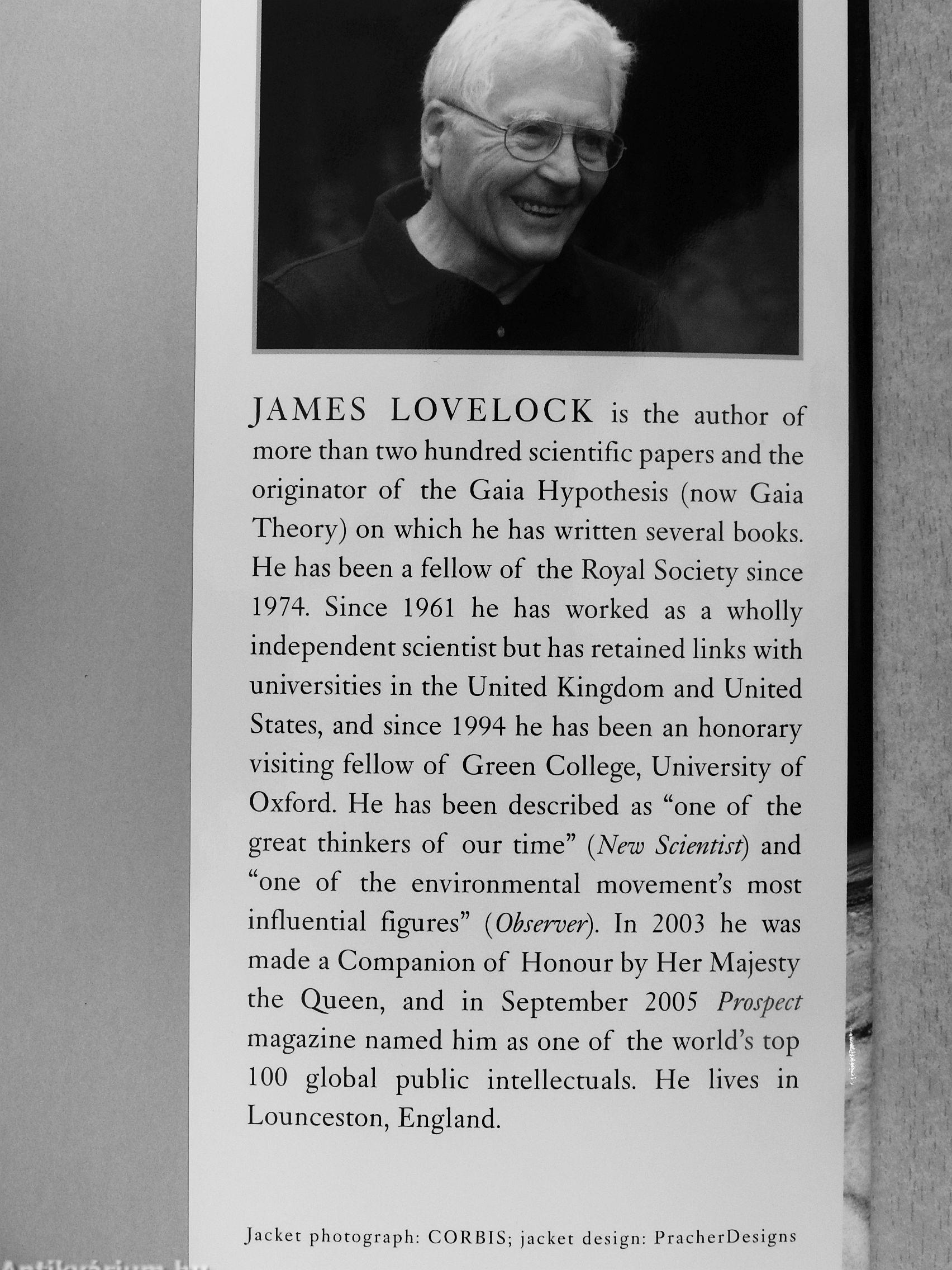
JAMES LOVELOCK is the author of more than two hundred scientific papers and the originator of the Gaia Hypothesis (now Gaia Theory) on which he has written several books. He has been a fellow of the Royal Society since 1974. Since 1961 he has worked as a wholly independent scientist but has retained links with universities in the United Kingdom and United States, and since 1994 he has been an honorary visiting fellow of Green College, University of Oxford. He has been described as "one of the great thinkers of our time" {New Scientist) and "one of the environmental movement's most influendal figures" {Observer). In 2003 he was made a Companion of Honour by Her Majesty , the Queen, and in September 2005 Prospect ^ magazine named him as one of the world's top 100 global public intellectuals. He lives in Lounceston, England.
Jacket photograph: CORBIS; jacket design: PracherDesigns
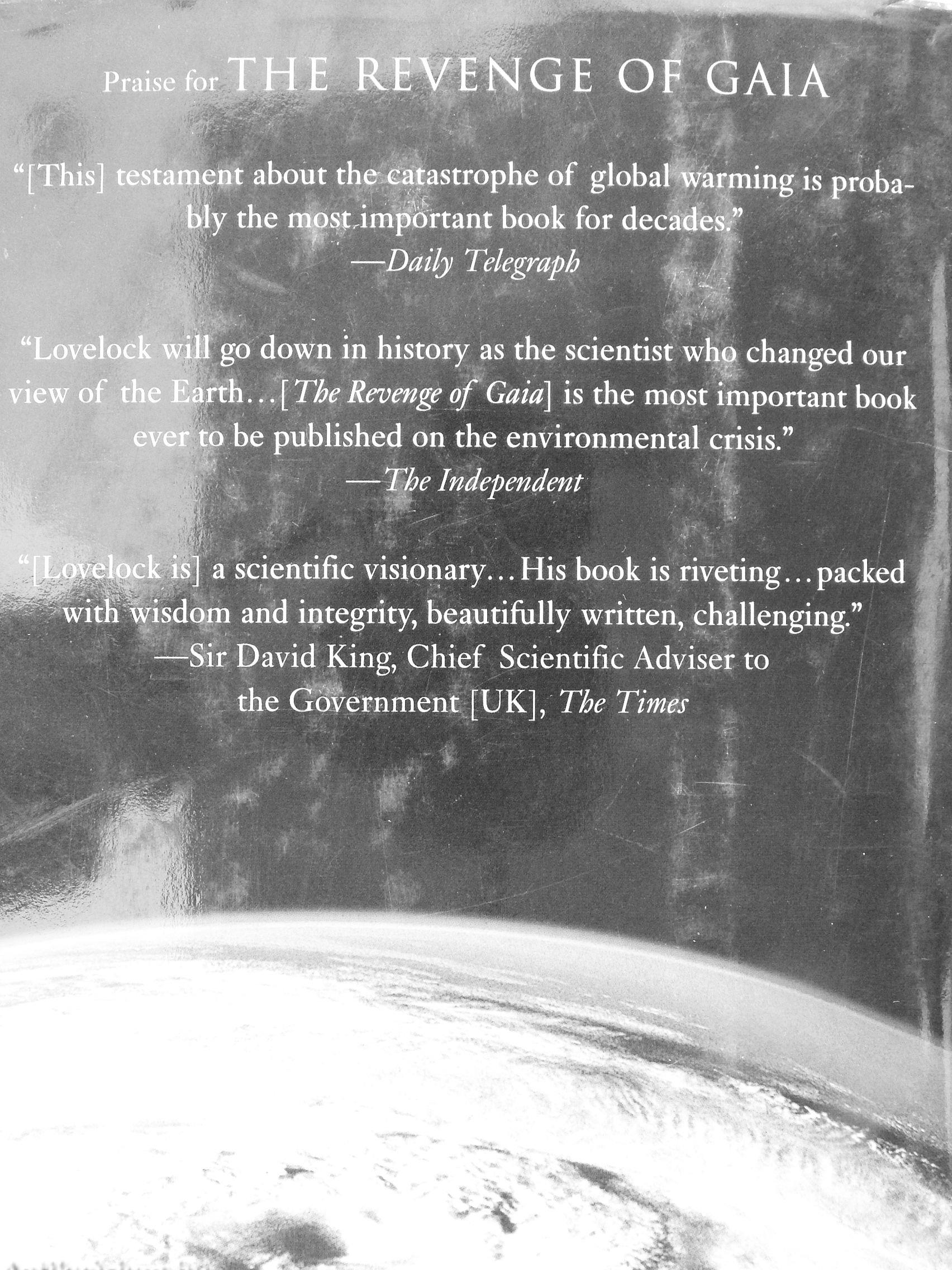
Pn,iseforTHE REVENGE
"[This] testameSi aboiit th^^astropli« of flobativarming.is probably the ni|>st4mp6rtant bo^^
' ^aily Teleg^h ¦
"Lovelock will go down ip history as the scientist: w^ changed our view of the Revenge of Gaia] is the most important book
ever to be published on the environmental crisis." , ' - ; —Independent ¦ -.< ' , 4
a scientific visionary His book is riveting packed ^^witft^sde^ arfd integrity, bt^autifiilly written, challenging." —l^r David King, Chief Scientific Adviser to r the (i^veMment [UK], Ti&i" r/w^
Vissza 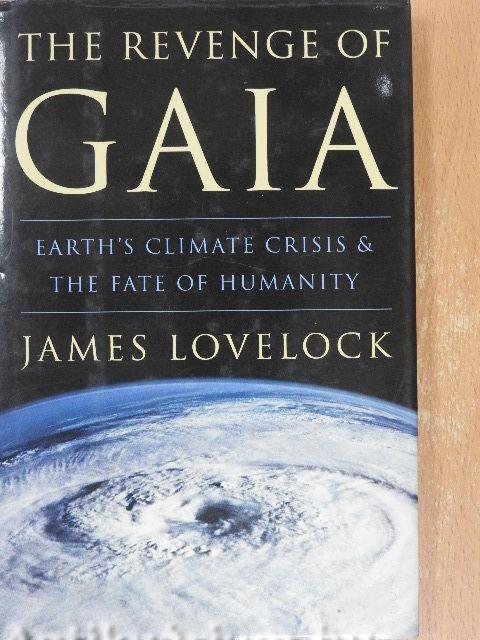


 Folytatás Microsoft-tal